Moving to Houston: The Address-by-Address Checklist
A practical guide to Houston-area flood research, property taxes, school boundaries, utilities, insurance, and real-world commute testing.
Editor's NoteThis is an original Keep TX Red relocation guide built from official public resources. Verify property-specific conditions, boundaries, rates, and insurance with the responsible agencies and licensed professionals before making a decision.
Editorial disclaimer: Opinions and analysis on Keep TX Red are editorial content — not statements of fact. See our editorial standards.
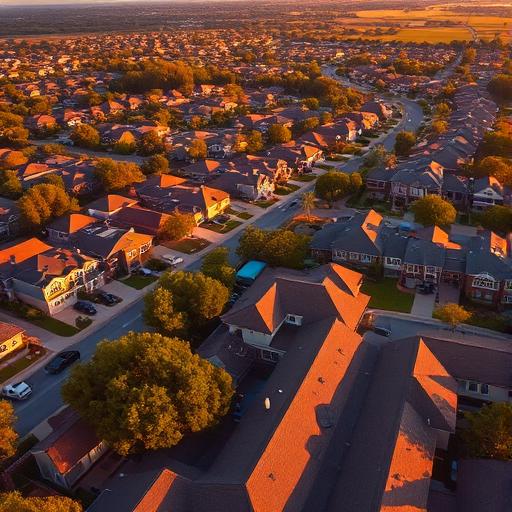
Houston offers major employment centers, established neighborhoods, master-planned suburbs, and nearly every style of housing. That variety is useful, but it also makes a broad label such as "Houston area" too imprecise for a relocation decision. Two homes with similar prices can have different flood exposure, school assignments, tax bills, utility providers, insurance costs, and commute times.
The best Houston search begins with a candidate street address. Use the checklist below before you compare finishes, incentives, or list price.
1. Map the exact address
First confirm whether the property is inside Houston city limits, another municipality, or an unincorporated area. Then identify the county, school district, emergency-service districts, and any municipal utility district. A Houston mailing address does not answer those questions.
The Houston Planning Department's map tools provide layers for city limits, districts, neighborhoods, transportation, public safety, and flood hazards. County appraisal records can identify the parcel and its taxing units. Save the results for each address you seriously consider.
- City and county
- Independent school district and assigned campuses
- Municipal utility district or other special districts
- Water, sewer, electric, gas, and trash providers
- Nearest emergency services, hospitals, and evacuation routes
2. Complete flood and insurance research before price negotiations
A flood-zone label is only one part of the risk review. Use official maps, ask for the property's flood and drainage history, examine nearby bayous and detention areas, and request insurance quotes for the specific building. Renters should also ask how vehicles and ground-floor belongings are protected.
The City of Houston maintains an official Floodplain Management Office portal. Federal maps, local drainage projects, prior claims information that is legally available, elevation, and the property's construction details can all affect the decision. Homeowners coverage generally does not substitute for a separate flood policy.
3. Calculate the complete housing payment
Do not compare Houston-area homes using principal and interest alone. Add the county, city, school district, community college, hospital district, and any special-district taxes shown for the parcel. Newer developments may carry substantial district debt or assessments.
Then add homeowners or renters insurance, any separate wind or flood coverage, homeowners association dues, utility estimates, tolls, and routine maintenance. Use our Texas Property Tax Calculator for a first estimate and read the homestead exemption guide before buying a primary residence.
4. Test the commute and utility territory
Houston's employment is spread among Downtown, the Texas Medical Center, the Energy Corridor, Uptown, Greenway Plaza, the Ship Channel, and suburban job centers. A short distance on a map can become a difficult peak-hour drive. Test a candidate route on the weekday and at the hours you expect to travel, including school drop-off or shift changes.
Electric service also depends on the address. Many residents can choose a retail electricity plan through the state's Power to Choose marketplace, while some municipal and cooperative territories work differently. Confirm the delivery utility and available provider options rather than assuming the arrangement.
5. Use a 30-day arrival plan
- Start or transfer utilities and confirm deposit, connection, and trash-service requirements.
- Update your driver license and vehicle registration using the deadlines in the [interactive moving checklist](/moving-checklist).
- Register eligible students with the address-assigned district and campus.
- Update voter registration after a county move.
- If you bought a primary residence, calendar the homestead exemption filing and appraisal-review dates.
Frequently Asked Questions
- Is a Houston mailing address always inside the City of Houston?
- No. Postal city names do not reliably establish municipal boundaries, counties, school districts, or service providers. Verify each item using the street address.
- Does being outside a mapped high-risk flood zone mean flood insurance is unnecessary?
- Not necessarily. Maps are one input, and flooding can occur outside higher-risk zones. Review the property history and drainage context, then obtain property-specific advice and quotes.
- Can I choose any electricity company?
- It depends on the service territory. Many Houston-area addresses participate in the competitive retail market, while municipal utilities and cooperatives may not. Check the address before selecting a plan.
Official Sources
Take the next step
Explore the Houston city page →Read more about Keep Texas Red → Our full guide to what Keep Texas Red means and why Texans support it.
Related Articles
Moving to Texas: The Complete Guide to Taxes, Schools, Voting, and Life in the Lone Star State

The Texas Property Tax Guide: Appraisals, Caps, and Calculating Your Bill
The Texas Homestead Exemption Explained: What Every Homeowner Should Claim
The Texas Grid Explained: ERCOT, Reliability, and Why Independence Still Matters
Get Texas updates delivered weekly.
Independent Texas reporting on politics, policy, and daily life. One email a week. Unsubscribe anytime.
Relocation Desk
The Keep Texas Red Editorial Staff produces nonpartisan explainers, policy breakdowns, and educational resources to help Texans understand how their government works. All content is reviewed for accuracy and updated regularly.
About Keep TX Red →