Texas Culinary History: Rare 1927 Waxahachie Cookbook Reveals Forgotten Local Heritage
A rare 1927 cookbook from The Junior Women’s Century Club of Waxahachie offers a unique look at North Texas social history and domestic life.
Editorial disclaimer: Opinions and analysis on Keep TX Red are editorial content — not statements of fact. See our editorial standards.
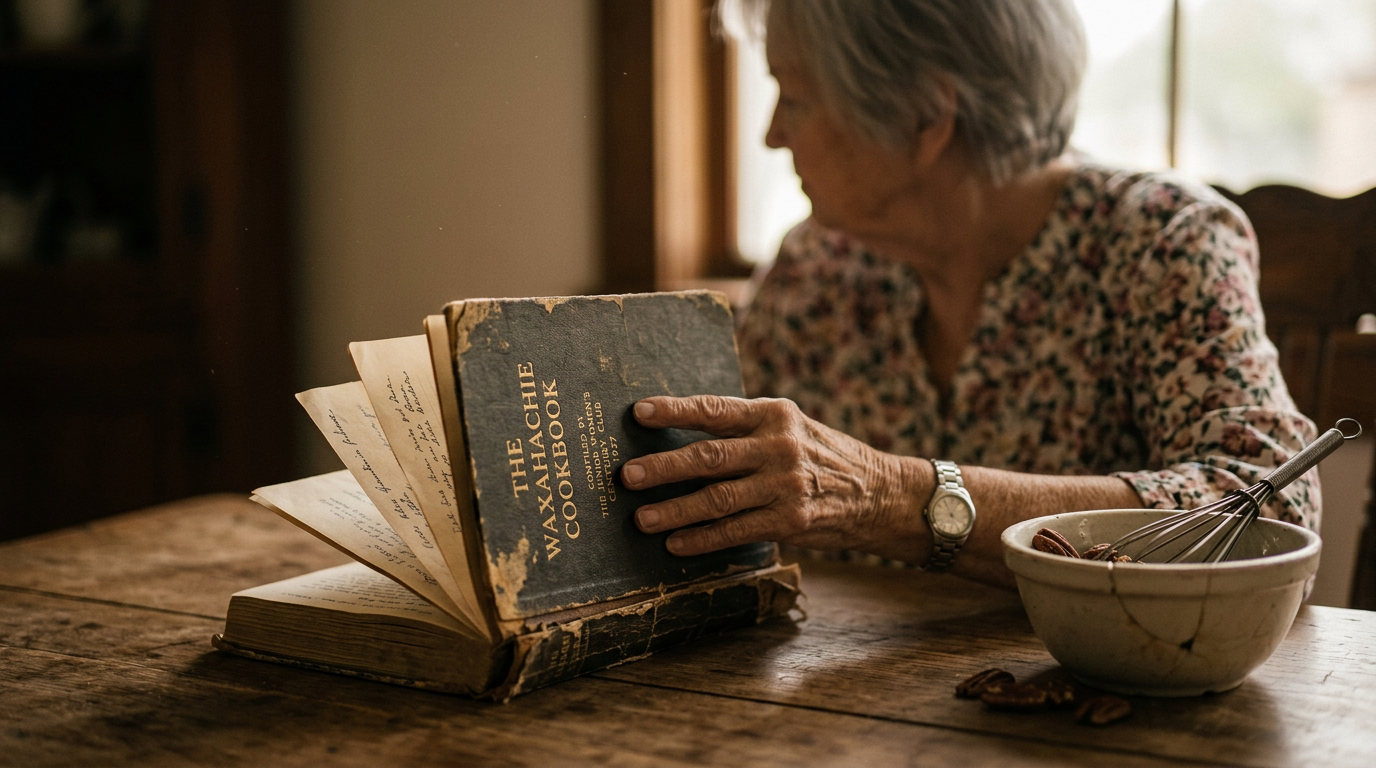
Deep in the archives of Ellis County history, a relic from the Roaring Twenties has re-emerged to provide a sensory window into the past. In 1927, The Junior Women’s Century Club of Waxahachie, Texas, compiled and published a community cookbook that served as both a culinary guide and a social directory for the era. The surfacing of this document provides more than just old-fashioned recipes; it chronicles the civic engagement of women in North Texas during a period of significant social transition. By documenting their favorite dishes, these women unknowingly preserved the social fabric and economic realities of a Texas town nearly a century ago. Waxahachie in 1927 was a hub of cotton production and community-building, and organizations like the Junior Women’s Century Club were at the forefront of local culture. These clubs were common throughout Texas during the early 20th century, often serving as the primary organizers of charity events, library funding, and educational scholarships. The reappearance of this specific cookbook allows modern Texans to connect with the domestic life of their ancestors while highlighting the long-standing tradition of community-funded social service in the Lone Star State. It is a testament to the longevity of local institutions and the enduring power of shared traditions.
Texas relevance
Waxahachie, Texas, serves as the primary setting for this historical discovery, representing the broader experience of small-town Texas during the interwar period. The Junior Women’s Century Club is a distinct part of the city’s history, reflecting the civic growth of Ellis County. Understanding the history of these local clubs is essential for modern residents who want to grasp how early 20th-century volunteerism shaped the infrastructure of North Texas cities today. This artifact specifically highlights the role of Texas women in preserving local identity through the publication of communal knowledge.
The Rise of Women’s Clubs in Early 20th Century Texas
Women's clubs played a pivotal role in the modernization of Texas towns like Waxahachie during the 1920s. Before the proliferation of state-led social programs, these organizations were the primary engines for community improvement, often focusing on issues like public sanitation, literacy, and child welfare. The Junior Women’s Century Club was part of a larger network of female-led organizations that transformed the social landscape of the state, ensuring that cultural and educational opportunities were available to residents of rural and suburban counties.
These clubs were not merely social gatherings; they were sophisticated organizations with structured leadership and strategic goals. The members of the Junior Women’s Century Club in 1927 would have been the daughters and wives of the men leading the local cotton and manufacturing industries. Their involvement in the club signaled their status and their commitment to the betterment of Ellis County. By publishing a cookbook, they were raising funds that likely went back into local parks, schools, or the city’s burgeoning library system.
Historical Context of 1920s Waxahachie
In 1927, Waxahachie was a city defined by its proximity to Dallas and its independence as a major agricultural center. Known as the 'Gingerbread City' for its elaborate Victorian architecture, it was a place of significant wealth generated through the fertile blackland soil. The recipes and contributors listed in the Junior Women’s Century Club cookbook provide a snapshot of this prosperity, reflecting the availability of ingredients and the influence of both southern and European culinary traditions in the region.
The era was also one of transition. While the cotton industry remained the backbone of the local economy, the 1920s brought new technologies and shifting social norms to Texas. The young women participating in the club were the first generation to come of age after the passage of the 19th Amendment, and their organizational efforts reflected an increased sense of agency. The cookbook was a tangible expression of that agency, showcasing their ability to manage a publication project and coordinate a network of contributors across the city.
The Significance of Community Cookbooks
Community cookbooks, often called 'charity cookbooks,' have a long history in the United States and specifically within Texas culture. These books were rarely just about the food; they were fundraisers and social registers. Seeing a name next to a recipe in the 1927 Waxahachie cookbook would have told readers exactly who was who in town. For historians, these names are clues that help map out the genealogical and social hierarchies that existed in Ellis County at the time.
From a culinary perspective, these books are goldmines for researchers looking at the evolution of the Texas diet. In 1927, the regional cuisine was a blend of staples and the beginning of more processed commercial goods entering the market. The recipes found in the Junior Women’s Century Club collection illustrate how households balanced traditional scratch cooking with the modern conveniences of the day. They serve as a record of the domestic labor required to maintain a household in a pre-automated age.
Preserving the Junior Women’s Century Club Legacy
The Junior Women’s Century Club of Waxahachie represents a tradition of service that continues in various forms today. While the specific club from 1927 may have evolved or merged with other organizations over the decades, its impact on the local community remains visible in the institutions it helped support. Recovering documents like this cookbook ensures that the names of the women who built the social infrastructure of Waxahachie are not forgotten.
Digital archiving tools are increasingly being used to save these paper artifacts from the ravages of time. By digitizing high-acid paper publications from the early 20th century, historians can ensure that the local flavor of Waxahachie is preserved for future generations. This process allows current residents to discover their own family connections to the 1927 club and to understand the historical context of their hometown's development.
Domestic Life and Social Standing in 1920s North Texas
Understanding domestic life in 1927 requires looking past the kitchen to the social expectations placed on women. Belonging to a group like the Junior Women’s Century Club was a sign of prestige. It required free time and resources, suggesting that the members belonged to families that were part of the emerging middle and upper classes in North Texas. The recipes they shared were often meant for entertaining, reflecting a culture where hospitality was a central pillar of community life.
Furthermore, these clubs served as informal training grounds for leadership. Women learned how to run meetings, manage budgets, and lobby for causes they cared about. In 1920s Waxahachie, this might have included advocating for better schools or medical facilities. The cookbook, while focused on food, was actually a byproduct of a much larger and more complex social machine that helped build the modern Texas town.
Exploring the 1927 Waxahachie Archive Today
For those living in North Texas today, the reappearance of the 1927 cookbook offers a chance to engage with history through a familiar medium. Local historians and hobbyists are encouraged to look through the names and recipes to see if they recognize the lineage of current Waxahachie residents. Many of the families who were active in the club a hundred years ago still have descendants in the area, maintaining a direct living link to the year the book was published.
The interest in this particular document highlights a broader trend in Texas history circles: the move toward hyper-local research. While state-wide political history is well-documented, the granular details of small-town life in places like Ellis County are often tucked away in private collections or community archives. Bringing these items to light provides a more complete and diverse picture of what it meant to be a Texan nearly a century ago.
Analysis
The discovery of a 1927 community artifact from Waxahachie is a poignant reminder of why local preservation matters. While global history often focuses on major geopolitical shifts, the heart of Texas history is found in the everyday interactions of its citizens. The Junior Women’s Century Club represented a specific demographic of civic-minded young women who sought to influence their community during a time when their formal political power was still relatively new. This cookbook serves as a primary source for understanding the socioeconomic landscape of Waxahachie before the Great Depression, offering a glimpse into a world of optimism and institutional growth.
Source attribution
This story was reported using a public release from the r/texas. Keep TX Red rewrote the coverage independently and links to the official statement for verification.
Frequently Asked Questions
- What was the Junior Women’s Century Club of Waxahachie?
- The Junior Women’s Century Club was a civic-minded organization in Waxahachie, Texas, during the early 20th century. Like many women's clubs of the era, they focused on community improvement, charity work, and social events, often publishing cookbooks to fund their local initiatives.
- Why is a cookbook from 1927 considered historically significant?
- It acts as a primary source document for historians. Beyond food, it lists the names of prominent community members, indicates the economic status of the town through available ingredients, and showcases the organizational efforts of women in Texas shortly after they gained the right to vote.
- Where can I find more information about Waxahachie's history?
- Local archives in Ellis County, including the Waxahachie public library and historical societies, maintain records related to civic organizations like the Junior Women’s Century Club. The surfacing of digital versions of these documents allows for wider public access to this heritage.
Official Sources
Take the next step
Browse the Newsroom →Read more about Keep Texas Red → Our full guide to what Keep Texas Red means and why Texans support it.
Related Articles


Get Texas updates delivered weekly.
Independent Texas reporting on politics, policy, and daily life. One email a week. Unsubscribe anytime.
Keep TX Red Newsroom
The Keep Texas Red Editorial Staff produces nonpartisan explainers, policy breakdowns, and educational resources to help Texans understand how their government works. All content is reviewed for accuracy and updated regularly.
About Keep TX Red →