Dallas County Low-Cost Dental Care: How to Find Affordable Services Without Insurance
High demand for affordable dental care in Dallas highlights the critical role of sliding-scale clinics and educational programs for uninsured Texans.
Editorial disclaimer: Opinions and analysis on Keep TX Red are editorial content — not statements of fact. See our editorial standards.
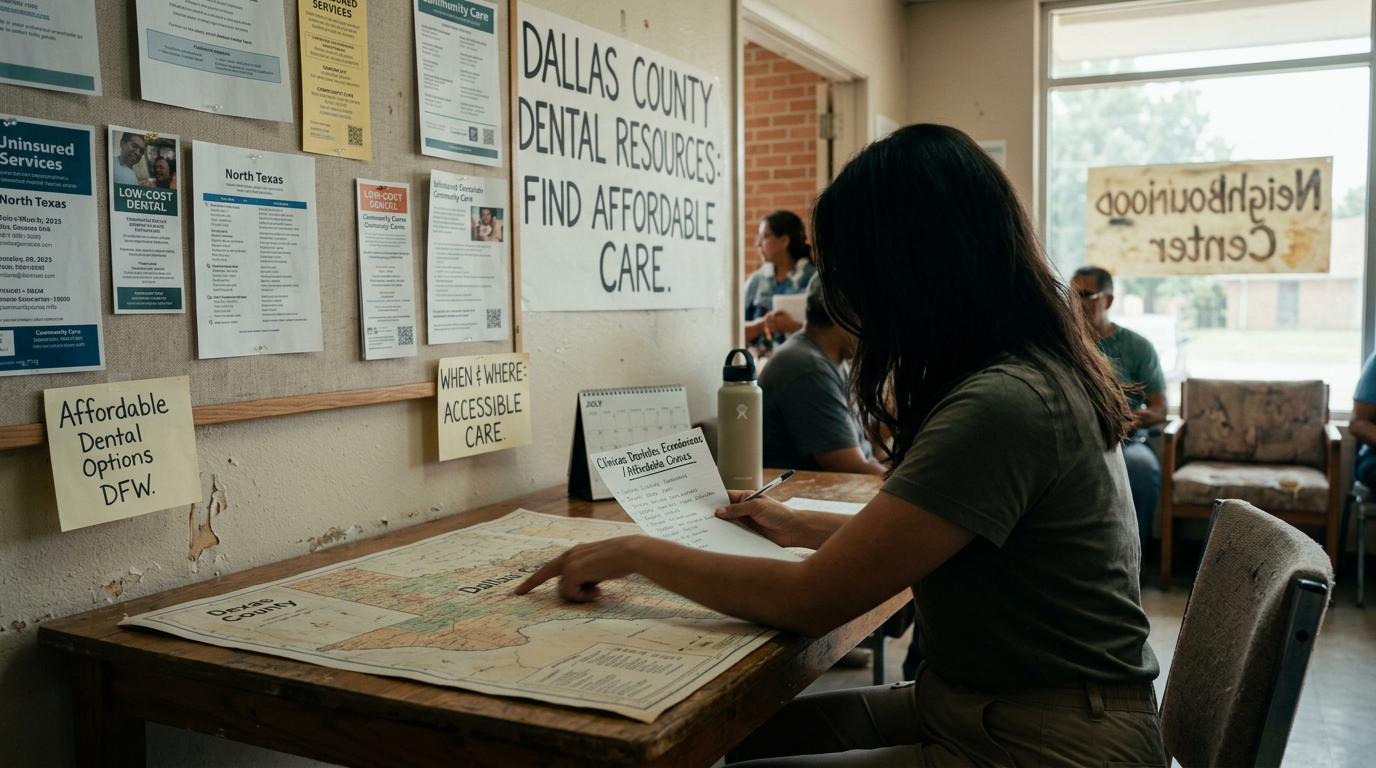
On July 21, 2026, a focused community initiative emerged in North Texas as residents sought out specific recommendations for affordable dental clinics catering to the uninsured and those facing financial hardship. The search, centered primarily within Dallas County, underscores a growing necessity for transparent information regarding sub-emergency dental procedures that often fall through the cracks of traditional medical coverage. Community members are increasingly relying on peer-to-peer networks to identify providers who offer non-standard payment structures, such as sliding-scale fees or reduced-rate services, to ensure that oral health does not become a luxury reserved only for those with employer-sponsored insurance. Historically, Texas has grappled with high rates of uninsured individuals, often leading the nation in this demographic. To combat the oral health crisis, Dallas has developed a network of educational institutions and non-profit organizations that utilize federal grants and training models to provide care. This legacy of community-based medicine is rooted in the belief that preventative dental work is a significant factor in long-term physical health. The current movement among Dallas residents to crowdsource this information reflects a practical response to the rising costs of private dental practices in the Metroplex, which have seen price increases alongside general inflation in the healthcare sector. Access to these services is not merely a matter of convenience but a essential component of the regional safety net. When individuals in Dallas cannot find affordable care for routine cleanings or cavities, they often delay treatment until an infection becomes systemic. This delay frequently results in costly visits to hospital emergency departments, which are the most expensive point of entry into the healthcare system and are generally not equipped to perform actual dental surgery or restorative work. By identifying and supporting clinics that serve the underfunded, Dallas residents are attempting to stabilize both their personal health and the public healthcare ecosystem.
Texas relevance
The availability of affordable dental care is a critical issue for Dallas and the broader North Texas region, where the cost of living continues to stress household budgets. For residents in Dallas County, these services are a vital buffer against the economic fluctuations that frequently leave workers in the gig economy or small business sectors without dental benefits. The Texas healthcare landscape relies heavily on these regional hubs, such as the Dallas medical district, to accommodate the overflow from surrounding rural counties that lack specialized dental infrastructure. Consequently, the stability of these low-cost clinics directly impacts the overall public health metrics of the entire state.
The Role of Academic Institutions in Dallas
A primary pillar for uninsured dental care in Dallas is the Texas A&M College of Dentistry. As one of the state's most prominent dental education centers, it provides a unique model where students, supervised by licensed faculty, perform procedures at significantly reduced costs. This symbiotic relationship allows students to gain necessary clinical hours while providing the community with access to extractions, root canals, and restorative work that would otherwise be financially out of reach. However, patients must be aware that this process involves longer appointment times due to the educational nature of the work.
Beyond just savings, these academic programs offer a high standard of care using modern technology. The College of Dentistry serves thousands of North Texans annually, standing as a testament to how higher education can directly solve local community problems. For residents willing to undergo the initial screening process, which can sometimes be rigorous, the financial payoff is substantial, often saving patients hundreds or even thousands of dollars compared to private practitioners in the Dallas-Fort Worth area.
The impact of these schools extends to the specialized training they provide in public health dentistry. Students are trained to understand the socioeconomic barriers their patients face, fostering a new generation of Texas dentists who may be more inclined to offer sliding-scale services or participate in Medicaid programs once they enter private practice. This long-term benefit is essential for creating a sustainable healthcare environment in the Lone Star State.
Non-Profit Clinics and FQHCs in North Texas
Federally Qualified Health Centers (FQHCs) and local non-profits like Mission East Dallas or Community Dental Care are essential components of the North Texas dental ecosystem. These organizations operate on a sliding-fee scale, meaning the cost of a visit is directly tied to the patient's household income and family size. This model ensures that even those with no income can often receive basic care, while those with moderate incomes pay a fair, reduced rate that sustains the clinic's operations.
These clinics often receive funding from the Health Resources and Services Administration (HRSA), as well as local philanthropic donations from Dallas-based foundations. This funding allows them to maintain facilities in underserved neighborhoods where private dental practices might not be commercially viable. By placing services directly into the communities that need them most, these non-profits reduce transportation barriers that often prevent lower-income Dalasites from seeking medical attention.
The challenge for many of these clinics is the sheer volume of demand. In Dallas County, the waitlists for new patient exams at non-profit clinics can span several months. This high demand necessitates a proactive approach from residents, who are encouraged to establish themselves as patients of record before an emergency occurs. Many of these clinics also provide integrated care, connecting dental patients with primary care physicians or behavioral health services within the same facility.
Economic Impact of Late-Stage Dental Issues
The economic cost of dental neglect in Texas is staggering. When an uninsured resident in Dallas cannot afford a $150 filling, the resulting abscess can lead to an emergency room bill exceeding $2,000 for pain management and antibiotics, without actually fixing the tooth. These costs are often absorbed by the hospital system or passed on to taxpayers and those with insurance through higher premiums. Therefore, the search for affordable clinics is not just a personal financial strategy; it is a vital part of regional economic stability.
Furthermore, dental issues are a leading cause of missed workdays among adults in Texas. Chronic dental pain can prevent individuals from maintaining steady employment, which further exacerbates the cycle of poverty and lack of insurance. By facilitating access to clinics like the Agape Clinic or the North Texas Food Bank’s partner dental programs, the community helps keep the local workforce active and healthy.
Investing in these clinics also reduces the burden on state programs. While Texas Medicaid offers limited dental benefits for adults, the program is often underutilized or lacks enough participating providers to meet the need. The non-profit and educational sectors fill this void, acting as a relief valve for the state’s healthcare obligations and ensuring that Dallas remains a competitive place to live and work for people at all income levels.
Community Crowdsourcing and Information Sharing
The recent push for info-sharing on platforms like Reddit reflects a shift in how Dallas residents manage their health. In an era where healthcare costs are often opaque, peer recommendations offer a form of 'consumer reporting' that helps patients avoid predatory clinics that may lure them in with low initial fees only to add substantial hidden costs later. Real-time feedback on wait times, staff empathy, and final costs is invaluable for those living on a tight budget.
This grassroots information network also helps to highlight lesser-known resources, such as mobile dental vans that visit Dallas schools or community centers. These mobile units often provide cleanings and sealants to children, which is a critical preventative measure that can save families thousands in future orthodontic and restorative costs. The sharing of these resources ensures that no stone is left unturned in the search for affordable wellness.
Moreover, these community discussions often provide tips on how to qualify for assistance. For example, some clinics require very specific forms of income verification, and knowing exactly what to bring can save a patient from being turned away after traveling across the county. This collective knowledge base is a powerful tool for navigating a system that can often feel bureaucratic and intimidating to those in financial distress.
Looking Forward: The Future of Dental Care in Texas
As Dallas continues to grow, the pressure on its low-cost health infrastructure will only increase. Future solutions may involve more public-private partnerships, where the city or county provides tax incentives for private dentists who dedicate a certain percentage of their practice to pro-bono or sliding-scale work. Expanding the scope of practice for dental hygienists in Texas could also lower costs by allowing them to perform more routine preventative tasks without the direct supervision of a dentist, thereby increasing clinic throughput.
Technology will also play a role, with teledentistry becoming a more viable option for initial screenings and consultations in North Texas. By assessing a patient’s needs remotely, clinics can better manage their schedules and prioritize those who need urgent physical intervention. This could drastically reduce wait times at major centers like the Texas A&M College of Dentistry and allow for a more efficient allocation of limited clinical space.
Ultimately, the goal for Dallas County is to move toward a more integrated model where oral health is treated with the same urgency as general medical health. Until policy changes reflect this reality, the community-led efforts to find and share affordable care will remain the most effective way for uninsured residents to maintain their well-being. The resilience of the Dallas community in supporting its most vulnerable members is a core strength of the region and a model for other Texas cities facing similar challenges.
Analysis
Opinion: The persistent struggle for affordable dental care in Dallas highlights a significant gap in the current healthcare framework. While Texas focuses on business growth and economic expansion, the 'human infrastructure'—specifically oral health—is often neglected in policy discussions. The fact that citizens must rely on community boards to find basic healthcare suggests that while the resources exist (via dental schools and non-profits), the navigation of these systems is unnecessarily complex. A more streamlined, state-supported directory could alleviate the burden on North Texas hospitals by ensuring patients find the right provider before a minor toothache turns into a major economic and health crisis for the individual and the taxpayer.
Source attribution
This story was reported using a public release from the r/dallas. Keep TX Red rewrote the coverage independently and links to the official statement for verification.
Frequently Asked Questions
- What documentation do low-cost clinics usually require?
- Most sliding-scale clinics in Dallas require proof of income, such as recent pay stubs, tax returns, or a letter from an employer. Additionally, you will likely need a valid form of identification and proof of residency in Dallas County to determine your eligibility for specific regional grants and discounts.
- How long are the wait times at dental schools?
- Wait times at educational institutions like the Texas A&M College of Dentistry can vary significantly. While a screening appointment might be scheduled within a few weeks, the wait for actual treatment can range from several weeks to several months, depending on the complexity of the case and student availability.
- Do these clinics handle emergency dental work?
- Yes, but with limitations. Some clinics, such as Community Dental Care, have specific hours for walk-in emergencies or 'triage' appointments for acute pain and infection. It is highly recommended to call as early as possible in the morning, as emergency slots are often filled on a first-come, first-served basis.
- Are there options for those living just outside Dallas County?
- While many clinics receive county-specific funding, some non-profits and the Texas A&M College of Dentistry accept patients from across the DFW Metroplex. However, priority and deeper discounts are often reserved for residents of the specific county providing the clinic’s tax-based support.
Official Sources
Take the next step
Browse the Newsroom →Read more about Keep Texas Red → Our full guide to what Keep Texas Red means and why Texans support it.
Related Articles


Get Texas updates delivered weekly.
Independent Texas reporting on politics, policy, and daily life. One email a week. Unsubscribe anytime.
Keep TX Red Newsroom
The Keep Texas Red Editorial Staff produces nonpartisan explainers, policy breakdowns, and educational resources to help Texans understand how their government works. All content is reviewed for accuracy and updated regularly.
About Keep TX Red →