The Quest for the Perfect Enchilada: Houston Diners Search for the Legacy of Cancun Taqueria
Houston foodies are on a mission to find the unique, non-soggy enchilada style once served at the now-defunct Gessner Road icon, Cancun Taqueria.
Editorial disclaimer: Opinions and analysis on Keep TX Red are editorial content — not statements of fact. See our editorial standards.
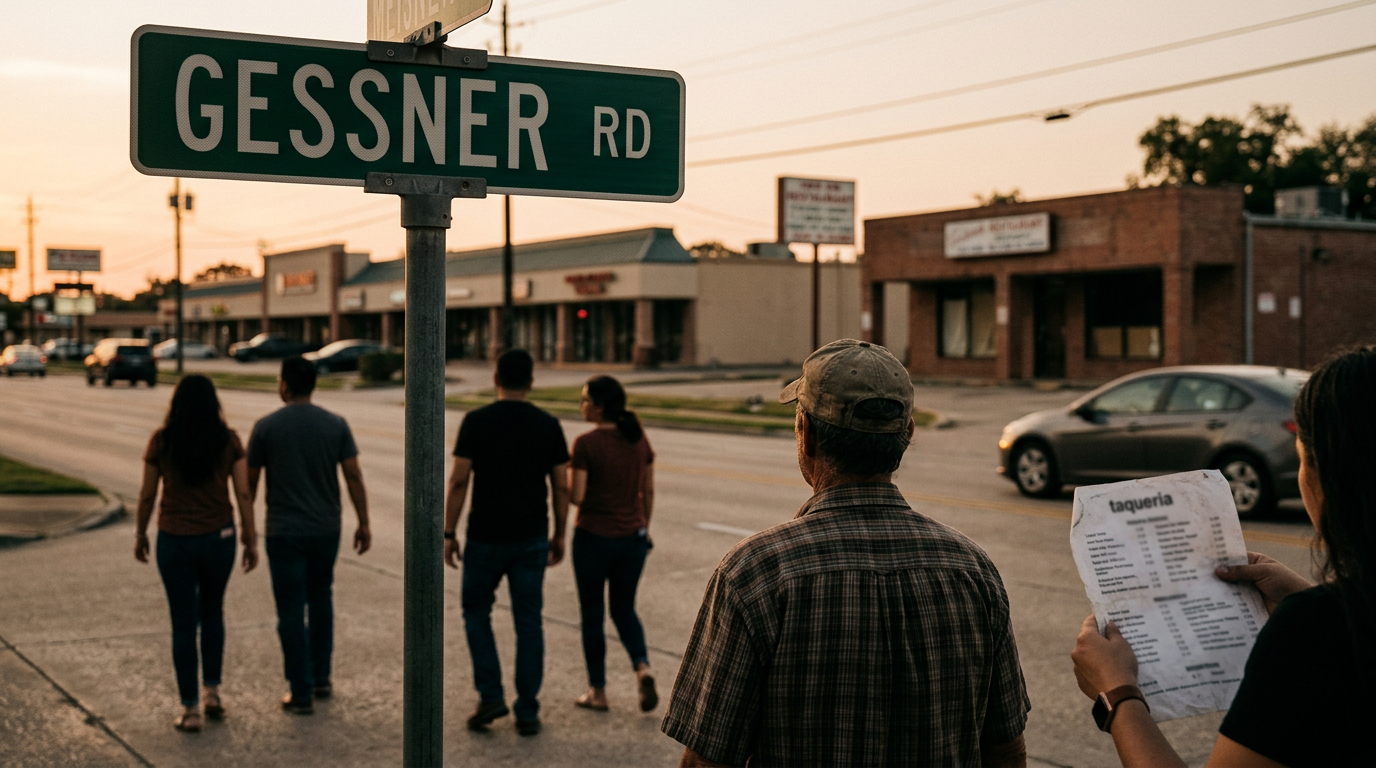
The Houston dining landscape has long been defined by its revolving door of legendary Tex-Mex establishments, but few closures have left a void quite like the departure of Cancun Taqueria on Gessner Road. Historically, Houston has served as a primary battleground for various regional Mexican and Tex-Mex styles, ranging from the cheese-heavy 'Tex' influences to the more authentic interior Mexican 'Mex' approaches. When a beloved institution like Cancun Taqueria closes, it often takes specific, localized recipes with it that cannot be easily replicated by modern chains or high-end fusion eateries. Recently, local food enthusiasts have reignited the conversation regarding where to find an enchilada that avoids the common pitfall of becoming a 'sloppy wet mess,' a critique often leveled at mass-produced Tex-Mex. This search highlights a specific culinary preference in the Bayou City: the desire for an enchilada that maintains structural integrity while delivering deep, complex flavors. In the decades leading up to the current era, Houston's Gessner corridor was a vibrant hub for family-owned taquerias that prioritized traditional techniques over high-volume output. As rising rents and shifting demographics change the face of Houston's neighborhoods, these older culinary icons are becoming rarer, leading to a sense of nostalgia and a dedicated effort by residents to locate the next hidden gem that honors these lost flavors. The current discourse is not just about a single meal; it is about preserving the standard of quality that Houstonians have come to expect from their local neighborhood spots.
Texas relevance
This story is deeply rooted in Houston, Texas, which many consider the unofficial capital of Tex-Mex cuisine. The specific mention of Gessner Road anchors this narrative in the heart of West Houston, an area known for its diverse culinary offerings and long-standing immigrant-owned businesses. For Texans, food is more than sustenance; it is a shared cultural language and a pillar of the local economy. When a specific style of cooking—like the firm, well-sauced but not soggy enchilada—goes missing from a neighborhood, it impacts the local community's sense of place. This search is a testament to the high standards Texas diners hold for their state's most famous dish, ensuring that local businesses must maintain historical quality to capture the loyalty of the Houston market.
Understanding the Enchilada Structural Dilemma
The primary complaint regarding modern enchiladas in major Texas cities is the loss of texture. Traditionally, a proper enchilada involves lightly frying a corn tortilla in oil before dipping it in sauce and rolling it with filling. This technique, often called 'passing through the oil' or 'pasar por aceite,' creates a fat barrier that prevents the tortilla from absorbing too much liquid and turning into mush. Many high-volume restaurants have abandoned this step to save time, leading to the 'sloppy wet mess' that Houstonians are currently trying to avoid.
When diners seek the Cancun Taqueria style, they are likely looking for a dish where the tortilla still has a distinct bite. In the competitive Houston market, the difference between a four-star and a five-star review often comes down to these technical nuances. For those who grew up dining along Gessner, the memories of these specific textures are ingrained in their culinary expectations, making it difficult for standard 'gravy-style' Tex-Mex to satisfy their cravings.
Furthermore, the balance of the sauce plays a critical role. A heavy reliance on flour-thickened gravies can overwhelm the delicate corn flavor of the tortilla. The hunt for a replacement for Cancun Taqueria involves finding a kitchen that understands the balance between a chili-based sauce and the integrity of the masa, a skill that was once common but is increasingly becoming a specialized craft in the modern Texas kitchen.
The Legacy of the Gessner Food Corridor
Gessner Road has historically acted as a culinary artery for West Houston, connecting various socioeconomic and cultural pockets of the city. For years, the area was defined by a specific tier of dining: affordable, family-run, and anchored in deep-rooted recipes. Cancun Taqueria was a flagship of this era, providing a consistent experience that felt more like a home-cooked meal than a commercial product. Its closure signaled the end of a chapter for many local families who had frequented the spot for generations.
The exodus of these types of establishments is often linked to the rapid redevelopment of Houston’s suburban blocks. As older shopping centers are renovated or replaced, the 'legacy' tenants often find themselves unable to keep up with the new market rates. This has shifted the culinary focus of the area toward fast-casual concepts, which often lack the specialized labor required to produce the specific enchilada style that residents are currently mourning.
However, the spirit of the Gessner corridor persists in the memories of its patrons. The active search for a replacement shows that the community is not willing to settle for inferior alternatives. This regional loyalty is a hallmark of the Texas dining experience, where a favorite restaurant becomes a part of a family's weekly rhythm, and its loss is felt as a genuine community setback.
Evaluating Local Alternatives in the Bayou City
In the wake of Cancun Taqueria’s departure, several other local spots have been floated as potential successors. Establishments in the Spring Branch and Sharpstown areas are often cited by food critics as maintaining the old-school standards of tortilla preparation. These neighborhoods, much like the Gessner area of old, still host a high density of independently owned Mexican restaurants that prioritize traditional methods over corporate efficiency.
Finding an enchilada that isn't 'soggy' requires looking for kitchens that use high-quality corn tortillas and a more disciplined approach to saucing. Some diners suggest that looking for 'Enchiladas Callejeras' or street-style enchiladas is the best bet, as these are typically folded and topped with fresh ingredients rather than being baked in a pool of sauce. This style preserves the corn texture that many Cancun Taqueria fans are currently missing.
The search also brings attention to the diverse regionality within 'Mexican' food in Houston. While some are looking for the Tex-Mex gravy style, others are seeking the drier, more pepper-forward sauces of Central Mexico. The consensus among the Houston food community is that the city still holds the answer; it simply requires a bit of 'boots on the ground' exploration to find the specific kitchen that hasn't cut corners on its prep work.
The Role of Social Media in Preserving Food History
The fact that a closed restaurant on Gessner Road is still sparking intense debate online speaks to the power of digital communities in preserving culinary history. Platforms like Reddit and local food blogs allow Houstonians to crowdsource information that would otherwise be lost. This digital 'word of mouth' is often more influential than institutional food criticism when it comes to finding authentic neighborhood spots.
These online discussions also serve as an archive for specific cooking styles. When users describe exactly what made Cancun Taqueria's enchiladas different, they are providing a blueprint for the next generation of chefs. In a city as sprawling as Houston, these digital connections are vital for bridging the gap between a nostalgic diner and a new business owner who might be serving the exact flavor profile they seek.
As the search continues, it highlights a broader Texas trend: the transformation of food into a form of digital heritage. Even after a building is gone and the sign is taken down, the reputation of a specific dish can live on, driving traffic to other small businesses that carry the torch of quality and tradition.
The Future of Industrial Tex-Mex vs. Traditionalism
The tension between high-volume efficiency and traditional slow-cooking methods is reaching a breaking point in the Texas restaurant industry. Many establishments are facing a labor shortage that makes the labor-intensive process of hand-dipping and individually frying tortillas difficult to sustain. This economic pressure is what often leads to the 'sloppy' products that frustrated diners are reporting across the city.
However, there is a growing movement of young Texas chefs who are returning to heirloom corn and traditional nixtamalization processes. These artisans are pushing back against the 'cheese-melt' culture that has dominated the scene for the last few decades. While their products might come at a higher price point, they offer the structural integrity and deep flavor that the Cancun Taqueria loyalists are searching for.
Ultimately, the market in Houston is vast enough to support both styles, but the current outcry suggests a significant undersupply of the 'old way.' For a restaurant to succeed in the long term in a food-centric city like Houston, it must respect the technical foundations of the dishes it serves, or risk being labeled as just another source of 'wet mess' enchiladas.
Analysis
The disappearance of specific regional cooking styles in Houston suggests a broader trend of homogenization in the restaurant industry. As national chains and large hospitality groups expand, the quirky, individualistic techniques of 'mom and pop' shops like Cancun Taqueria are at risk. However, the passionate online response to this absence demonstrates that there is still a massive market for authentic, high-quality Tex-Mex that doesn't rely on excessive fillers or sauces to hide a lack of technique. This demand provides a significant opportunity for new entrepreneurs in the Texas food space to fill the niche left by legacy restaurants, proving that in Houston, the consumer's palate remains as sophisticated and demanding as ever.
Source attribution
This story was reported using a public release from the r/houston. Keep TX Red rewrote the coverage independently and links to the official statement for verification.
Frequently Asked Questions
- Why were Cancun Taqueria's enchiladas considered different?
- While the exact recipe is a trade secret, patrons frequently noted that the tortillas maintained their firmness and did not become overly saturated with sauce. This is typically achieved through proper oil-tempering of the tortilla and using a sauce with a higher concentration of solids rather than a thin, watery broth.
- Where was the original Cancun Taqueria located?
- The beloved spot was located on Gessner Road in Houston. This area has historically been a prime location for traditional Mexican and Tex-Mex eateries, serving a diverse community of residents and workers.
- What should I look for if I want a non-soggy enchilada?
- Look for restaurants that serve 'Enchiladas Mexicanas' or 'Street Style' enchiladas. These are often prepared by dipping the tortilla in a rich chili sauce and then lightly searing it on a flattop, which creates a more robust texture compared to the baked, gravy-covered versions found in many standard Tex-Mex combos.
- Are there other places in Houston similar to Cancun Taqueria?
- Many locals recommend exploring the smaller, independent taquerias in the Spring Branch, Sharpstown, and Northline neighborhoods. Places that emphasize handmade tortillas and traditional interior Mexican cooking techniques are the most likely to replicate that specific flavor profile.
Official Sources
Take the next step
Browse the Newsroom →Read more about Keep Texas Red → Our full guide to what Keep Texas Red means and why Texans support it.
Related Articles


Get Texas updates delivered weekly.
Independent Texas reporting on politics, policy, and daily life. One email a week. Unsubscribe anytime.
Keep TX Red Newsroom
The Keep Texas Red Editorial Staff produces nonpartisan explainers, policy breakdowns, and educational resources to help Texans understand how their government works. All content is reviewed for accuracy and updated regularly.
About Keep TX Red →