Texas Halal Pitmasters Reimagining Barbecue Classics with Wagyu Beef Bacon
Kafi BBQ gains national attention for its halal 'Texas Twinkies' and house-made Wagyu beef bacon, blending tradition with diverse dietary needs.
Editorial disclaimer: Opinions and analysis on Keep TX Red are editorial content — not statements of fact. See our editorial standards.
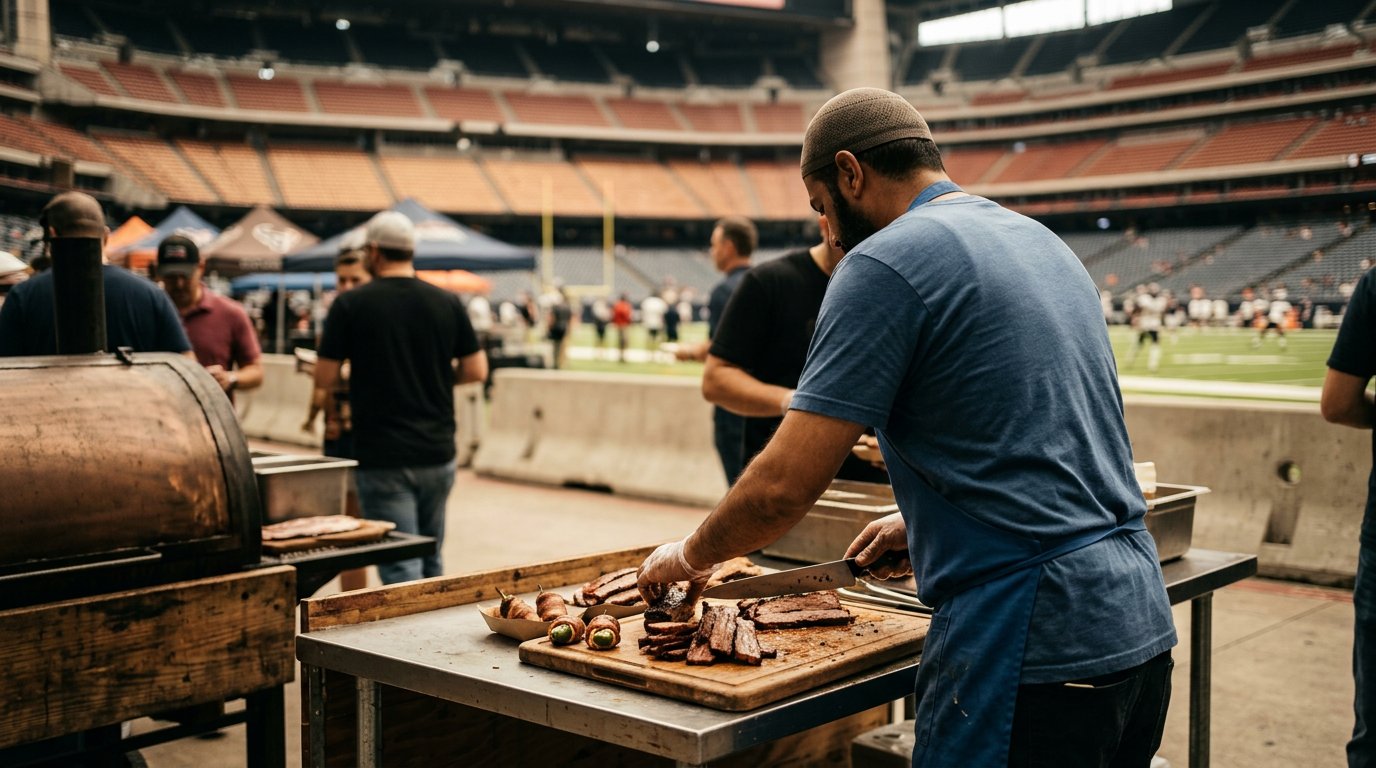
The landscape of Texas smokehouse culture is undergoing a sophisticated transformation as pitmasters find innovative ways to bridge cultural gaps through culinary adaptation. Kafi BBQ, a standout in the Texas food scene, has successfully modified one of the most recognized appetizers in the regional barbecue circuit to meet strict halal standards. The establishment recently garnered national attention through a feature by Business Insider, which focused on the meticulous craftsmanship behind their pork-free version of the iconic 'Texas Twinkie.' Historically, Texas barbecue has been a melting pot of German, Czech, and Mexican influences, yet the rigid adherence to specific meat preparations often excluded those with specific dietary restrictions. Kafi BBQ’s approach represents the latest evolution in this timeline, showcasing how local artisans are utilizing premium ingredients like house-made Wagyu beef bacon to provide the smoky, cured flavor profiles typically associated with the dish. This adaptation highlights the evolution of regional staples to reach broader audiences while maintaining the high standards expected in the Lone Star State’s notoriously competitive smokehouse landscape.
Texas relevance
As the barbecue capital of the world, Texas is seeing a significant shift in its culinary landscape as diverse communities integrate their own traditions with local wood-fired techniques. Kafi BBQ represents this trend by offering a strictly halal menu, ensuring that Muslim Texans and visitors can enjoy iconic smoked meats and appetizers that were previously inaccessible due to the prevalence of pork in traditional barbecue joints. Within the specific contexts of cities like Houston and Dallas, where international demographics are rapidly expanding, these culinary bridges are essential for local business growth. This evolution preserves the soul of Texas cooking while reflecting the changing demographics and inclusive food history of the modern state, proving that the 'Texas way' of cooking is defined more by technique and smoke than by any single ingredient list.
The Evolution of the Texas Twinkie
The 'Texas Twinkie' has long been a staple of modern Texas barbecue menus, traditionally consisting of a large jalapeño stuffed with chopped brisket and cream cheese, wrapped in thick-cut bacon, and glazed with a sweet and savory barbecue sauce. While it started as a specialty item in specific Central Texas regions, it has since migrated to smokehouses across the entire state, from the Panhandle to the Gulf Coast. The dish is prized for its complex balance of heat, creaminess, and the savory crunch of cured meat.
Kafi BBQ’s version maintains the core structure and texture of the appetizer but swaps out the standard pork-based wrap, which is the most common barrier for halal diners. By using Wagyu beef bacon, the pitmasters are able to replicate the exact texture and high fat content necessary to hold the jalapeño together during the slow-smoking process. This substitution is critical for maintaining the structural integrity of the dish, as regular beef can often become too dry or brittle when exposed to the intense heat of a commercial smoker for long periods.
Crafting House-Made Halal Beef Bacon
One of the standout features of the operation at Kafi BBQ is the rigorous production of their own Wagyu beef bacon in-house. Unlike commercial beef bacon, which can sometimes lack the delicate fat-to-meat ratio of traditional pork belly, Wagyu beef provides an intense intramuscular marbling. This marbling allows the meat to render and crisp up properly on the smoker, providing that essential 'snap' when a customer bites into the pepper. The process involves a specific curing duration and cold-smoking cycle that mimics the profile of high-end bacon.
The use of Wagyu specifically elevates the dish, as the high fat content of the beef mimics the rich mouthfeel of pork bacon better than almost any other substitute. This extreme attention to detail ensures that the flavor profile remains authentically 'Texas' even with the substitution. The restaurant’s commitment to making these components from scratch allows for greater control over the salt levels and smoke penetration, which was a central focal point of the recent media coverage showing the inner workings of their kitchen.
Meeting the Growing Demand for Halal Barbecue
The rise of halal barbecue in Texas is a direct response to a growing market of consumers who want to participate in the state’s most famous food tradition without violating religious dietary laws. For many years, the intersection of halal requirements and Texas barbecue was extremely limited. Many traditional pits use the same equipment for pork and beef, or rely heavily on pork fats in their side dishes and seasonings, creating a cross-contamination issue for observant Muslims.
Restaurants like Kafi BBQ have changed this dynamic by operating entirely halal kitchens from the ground up. This ensures there is absolutely no cross-contamination, allowing a new generation of Texans to experience the nuances of post oak smoke and long-haul brisket cooking. The adaptation of the Texas Twinkie is a symbolic gesture within this movement, proving that even the most pork-centric appetizers can be successfully reimagined through Texas ingenuity.
Technical Challenges of Beef-Based Substitutes
Cooking with beef-based substitutes in a tradition built around pork presents unique thermodynamic challenges. Pork fat has a different melting point and elasticity than beef fat, which typically means that wrapping a jalapeño in beef requires more precise temperature control. If the smoker is too hot, the beef bacon can shrink rapidly and pull away from the pepper; if it is too cool, the fat will not render, leaving a chewy and unappealing exterior.
The pitmasters at Kafi BBQ have spent significant time refining the timing of their smoke to ensure that the Wagyu bacon and the brisket stuffing reach their peak tenderness simultaneously. This level of technical mastery is what separates 'novelty' barbecue from truly great craft barbecue. By mastering these variables, they have set a new standard for how alternative meats can be utilized in the pit-smoking process without losing the essence of the original dish.
Culinary Impact and National Recognition
The spotlight from national outlets like Business Insider underscores a broader interest in how regional American cuisines are being modernized by local entrepreneurs. Texas barbecue is often seen as a rigid, unchangeable tradition, but the success of these new interpretations suggests that the culture is more flexible and resilient than previously thought. The focus on the kitchen's specific techniques shows a burgeoning appreciation for the heavy labor-intensive nature of this style of cooking.
By focusing on 'Texas Twinkies,' the recent feature highlights a dish that is inherently fun and approachable, yet famously difficult to execute perfectly. The technical challenge of getting beef bacon to wrap tightly and render its fat without overcooking the pepper inside is significant. Kafi BBQ’s ability to master this technique has placed them at the forefront of the diverse barbecue movement that is currently sweeping through major Texas metropolitan areas.
The Future of Texas Smokehouse Innovation
Innovation in the Texas barbecue world often comes from small, independent operators who are willing to experiment with unconventional ingredients to serve their local neighborhoods. While the 'holy trinity' of brisket, ribs, and sausage remains the standard, appetizers like the Texas Twinkie have become the testing ground for new flavors and textures. Kafi BBQ’s use of high-end Wagyu shows that there is a path forward that combines luxury ingredients with traditional wood-fired methods.
As more pitmasters look to differentiate themselves in a crowded and expensive market, the focus on specific dietary niches like halal, kosher, or even gluten-free barbecue is likely to increase across the state. This diversification does not subtract from the heritage of the state but rather adds new chapters to the story of Texas food. Shops like Kafi BBQ serve as a prime example of how local businesses can honor tradition while forging a new, inclusive identity that reflects the modern Texas population.
Analysis
The success of Kafi BBQ’s halal Texas Twinkie is a testament to the versatility of Texas barbecue. By choosing to spend the extra time and resources on house-made Wagyu beef bacon, the pitmasters are addressing a market gap with quality rather than compromise. This editorial perspective suggests that the 'New School' of Texas barbecue is not just about fusion flavors, but about technical inclusion—ensuring that the fundamental joy of the smokehouse experience is available to all Texans, regardless of their religious obligations. The national spotlight on this specific technique signals that the broader food world views Texas as a leader in adapting traditional cuisines for the 21st century without losing the integrity of the original craft.
Source attribution
This story was reported using a public release from the Texas Food Stories (Google News). Keep TX Red rewrote the coverage independently and links to the official statement for verification.
Frequently Asked Questions
- What makes Kafi BBQ’s Texas Twinkie different from the traditional version?
- Traditional Texas Twinkies are wrapped in pork bacon. Kafi BBQ substitutes this with house-made Wagyu beef bacon to ensure the dish is halal while maintaining the necessary fat content and smokiness associated with the original appetizer.
- Why is Wagyu beef used for the bacon substitute specifically?
- Wagyu is chosen for its superior marbling and high fat content. This allows the beef bacon to mimic the texture and richness of pork bacon, which is essential for the appetizer's flavor profile and its ability to stay wrapped around the pepper during smoking.
- What does 'halal' mean in the context of a Texas barbecue restaurant?
- In a barbecue setting, halal means the meat is sourced and processed according to Islamic law, and the kitchen does not use any pork products or alcohol in its preparation, preventing any cross-contamination on the cutting boards or inside the smokers.
- Is the Wagyu beef bacon available for purchase separately?
- The beef bacon is primarily produced for use in Kafi BBQ’s specific menu items like the Texas Twinkie, though interest in house-made halal cured meats is growing among local Texas food enthusiasts.
Official Sources
Take the next step
Browse the Newsroom →Read more about Keep Texas Red → Our full guide to what Keep Texas Red means and why Texans support it.
Related Articles



Get Texas updates delivered weekly.
Independent Texas reporting on politics, policy, and daily life. One email a week. Unsubscribe anytime.
Keep TX Red Newsroom
The Keep Texas Red Editorial Staff produces nonpartisan explainers, policy breakdowns, and educational resources to help Texans understand how their government works. All content is reviewed for accuracy and updated regularly.
About Keep TX Red →