Austin Summer Events Guide: Top Things to Do in July for Culture fans
Discover the best of Austin's music scene, fitness clubs, and local festivals during the peak of the Texas summer social season.
Editorial disclaimer: Opinions and analysis on Keep TX Red are editorial content — not statements of fact. See our editorial standards.
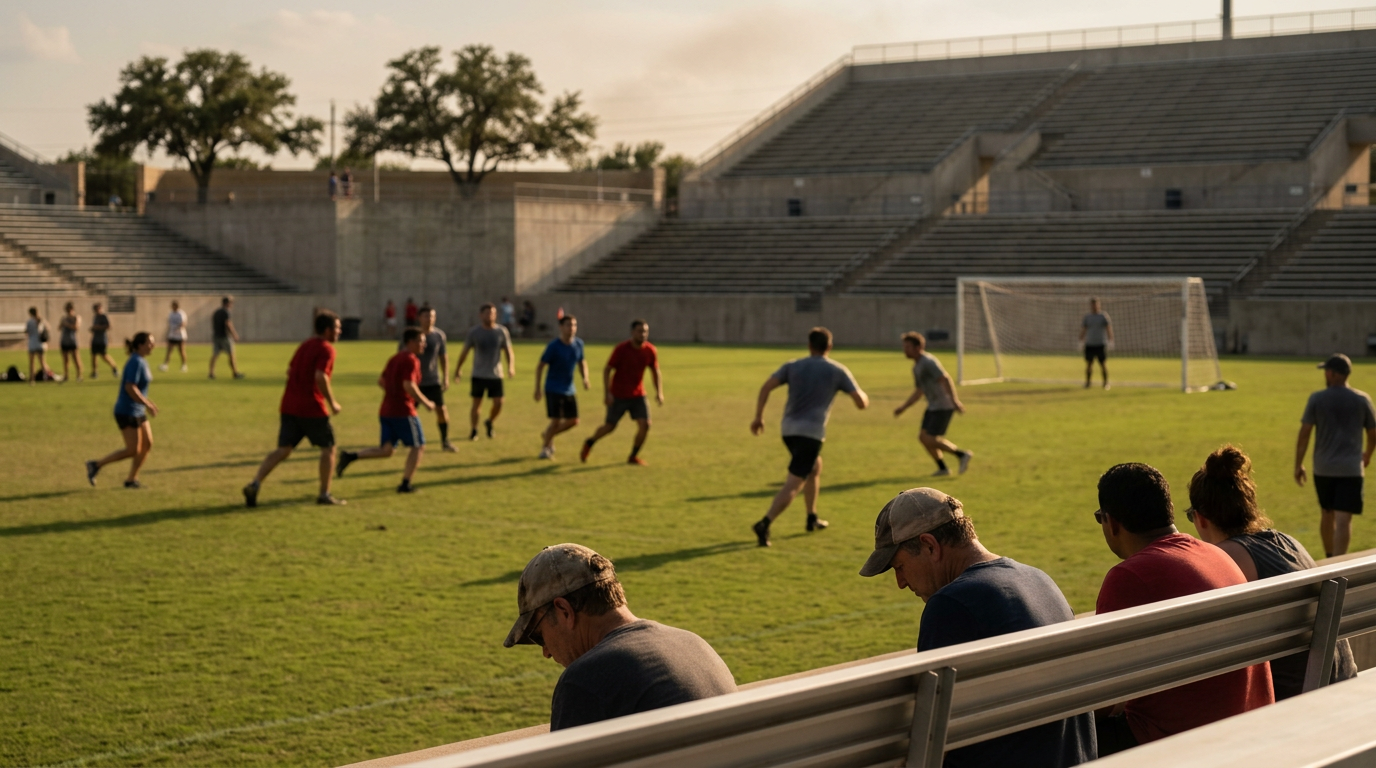
As the July heat settles over Central Texas, the city of Austin continues to serve as a primary hub for cultural engagement and community-driven events. Historically, the third week of July represents a peak in the city's summer tourism season, requiring a coordinated effort between local organizers, venue owners, and residents to manage the influx of activity. The current schedule of events highlights the intersection of Austin's long-standing musical heritage with modern fitness and social trends that define the capital city's unique identity. This period is characterized by a shift toward evening programming to avoid the midday sun, utilizing the city's extensive network of indoor venues and shaded outdoor spaces. From a logistical perspective, the convergence of multiple event types—ranging from intimate local band showcases to larger social cycling gatherings—shows the resilience of the local economy. These gatherings are not merely for entertainment; they provide a vital platform for small business owners, specifically those in the craft brewing and hospitality sectors, to connect with a wider audience. The infrastructure supporting these events relies heavily on regional digital platforms and community networking, ensuring that information regarding time, cost, and location is disseminated to both lifelong residents and those visiting for the first time. This collaborative environment fosters a sense of municipal pride and reinforces Austin's reputation as a top-tier destination for diverse cultural experiences.
Texas relevance
Austin serves as the cultural heart of Texas, and its ability to maintain a robust event calendar directly impacts the state's tourism revenue and brand identity. For Texans living outside the capital, these weekly schedules offer a glimpse into the diverse opportunities available in Travis County, from the tech-focused corridors of downtown to the historic live music districts. The health of the Austin entertainment sector is often a bellwether for the broader Texas economy, reflecting consumer spending habits and the viability of small-scale entrepreneurs in a rapidly growing metropolitan area.
The Evolution of the Austin Live Music Infrastructure
The live music scene in Austin remains a foundational element of the city's social fabric, but the way audiences interact with these performances has evolved significantly. Rather than relying solely on major festivals, the current landscape emphasizes weekly residencies and genre-specific showcases in smaller venues. This approach allows local bands to build sustainable fanbases right in their backyard while providing low-cost entry points for the public. Music enthusiasts are increasingly using localized digital boards to find detailed performance data, including song examples and genre tags, which helps demystify the vast array of available talent.
Furthermore, the integration of music with other businesses like taprooms and art galleries shows a diversification of revenue streams for Austin artists. By performing in unconventional spaces, musicians can reach audiences who might not frequent traditional bars or concert halls. This geographic spread of talent across the city ensures that the economic benefits of the music industry are felt beyond Sixth Street, reaching into the East Side and the burgeoning North Austin entertainment districts. The result is a more resilient cultural economy that values smaller, more frequent interactions over massive, infrequent events.
Fitness and Social Movement Trends in the Heat
Physical activity remains a priority for Austin residents even during the high temperatures of a Texas July. To accommodate the weather, many organizations have transitioned to early morning or late evening schedules. Social cycling clubs and running groups, such as the East Side Beer Runners, exemplify the 'social fitness' trend where community bonding is as important as the health benefits. These groups often end their routes at local businesses, creating a symbiotic relationship between fitness enthusiasts and the hospitality industry.
Cycling in the capital city has also seen a resurgence through organized night rides. Groups like Social Cycling ATX and Bat City Cycling provide structured environments for riders of all skill levels to navigate the urban environment safely. These events often highlight the city's infrastructure improvements, such as dedicated bike lanes and trail systems, which are vital for a growing population. By combining exercise with social networking, these organizations help combat the isolation often found in rapidly expanding urban centers.
The Strategic Importance of Local Craft Brewing
Microbreweries and taprooms have become more than just beverage outlets; they are the new community centers of Central Texas. Many of these locations host weekly trivia nights, art markets, and live performances, making them versatile venues for a variety of demographic groups. The rise of these 'third places' provides residents with locations where they can gather outside of work or home without the pressure of a high-cost environment. This trend is particularly evident in the summer months when air-conditioned taprooms offer a respite from the humidity.
The economic impact of the brewing industry in Austin is substantial, supporting hundreds of local jobs and contributing to the city's unique brand of hospitality. These businesses often prioritize local sourcing, which creates a positive feedback loop within the Texas agricultural and manufacturing sectors. As these venues continue to host a wide array of cultural events, they solidify their role as essential components of the city’s social infrastructure, proving that business interests and community development can go hand-in-hand.
Family-Friendly Exploration and Accessible Recreation
Austin’s reputation for nightlife often overshadows its extensive offerings for families and budget-conscious residents. Organizations dedicated to tracking free and low-cost adventures provide a vital service for parents looking to keep children engaged during the summer school break. These activities often include visits to urban parks, educational programs at local libraries, and interactive art installations. Promoting accessible fun ensures that the city’s growth does not exclude those who cannot afford high-priced entertainment options.
Budget-focused initiatives also showcase the natural beauty surrounding the city, from the Barton Springs pool to the various greenbelts. These natural assets are a hallmark of the Texas Hill Country and serve as a draw for visitors throughout the state. Maintaining public access to these areas involves a careful balance of conservation and recreational use, a topic that remains at the forefront of local policy discussions. By highlighting these free resources, the community reinforces the idea that the Austin experience should be accessible to all regardless of income.
Navigating the Digital Information Landscape
In a city with as much activity as Austin, the primary challenge for residents is often information management. The reliance on digital calendars and social media threads to track events indicates a move toward real-time communication. Platforms like Do512 and the Austin Chronicle provide curated lists that help visitors filter through the noise. This curation is essential for maintaining order in a fast-paced environment where events can be added or rescheduled with little notice.
Moreover, the use of sub-community forums allows for a higher level of detail that traditional media might overlook. Specific information regarding genre, cost, and venue policies helps attendees make informed decisions about how to spend their time and resources. This democratization of information ensures that smaller performers and minor events have a chance to find an audience, preventing larger commercial interests from completely dominating the cultural conversation. In the long run, this transparency benefits the entire ecosystem of Austin's entertainment world.
Tourism and the Capital City Identity
The influx of tourists during the summer months places a unique strain on local infrastructure, from parking to public transportation. However, it also offers an opportunity for the city to showcase its diverse cultural offerings to a global audience. The 'Keep Austin Weird' ethos is on full display during these weeks, as eclectic events draw in curious visitors from across the country. This identity is not just a marketing slogan; it is a lived reality for the thousands of artists and creators who call the city home.
As Austin continues to grow, maintaining this distinct character becomes more challenging. The pressure of rising costs and development often threatens the spaces where these creative activities occur. The weekly commitment to listing and supporting local events is a defensive action against cultural homogenization. By participating in these local traditions, residents and visitors alike contribute to the preservation of what makes the Texas capital a unique place in the American landscape.
Analysis
The decentralized nature of Austin's event planning suggests a shift away from corporate-dominated entertainment toward a more grassroots, communal approach. By leveraging social platforms to aggregate information, local residents are able to bypass traditional gatekeepers, allowing for a more authentic representation of the city's culture. This trend may indicate a growing desire for localism and community-specific engagement within the larger Texas urban landscape, moving toward sustainable, recurring events rather than one-off spectacles.
Source attribution
This story was reported using a public release from the r/austin. Keep TX Red rewrote the coverage independently and links to the official statement for verification.
Frequently Asked Questions
- What are the best ways to find live music in Austin this week?
- Residents often consult digital resources like the Austin Chronicle, Do512, and specialized forums like r/austinmusic. These platforms provide details on genres, sample songs, and specific venue locations.
- Are there many free events available in the Austin area?
- Yes, there are several organizations dedicated to 'Ballin' On A Budget' and providing lists of free family fun. These include outdoor adventures, library events, and community-led social rides.
- How do fitness groups handle the high Texas summer temperatures?
- Many Austin fitness group, such as social cycling and running clubs, schedule their events for the early morning or late evening. This allows participants to stay active while avoiding the peak heat of the afternoon.
Official Sources
Take the next step
Browse the Newsroom →Read more about Keep Texas Red → Our full guide to what Keep Texas Red means and why Texans support it.
Related Articles

Get Texas updates delivered weekly.
Independent Texas reporting on politics, policy, and daily life. One email a week. Unsubscribe anytime.
Keep TX Red Newsroom
The Keep Texas Red Editorial Staff produces nonpartisan explainers, policy breakdowns, and educational resources to help Texans understand how their government works. All content is reviewed for accuracy and updated regularly.
About Keep TX Red →