San Antonio Relocation Guide: Safety, Local Wildlife, and What to Expect in Bexar County
Moving to San Antonio? Learn about crime rates, local wildlife like scorpions and snakes, and top local attractions for new residents in the Alamo City.
Editorial disclaimer: Opinions and analysis on Keep TX Red are editorial content — not statements of fact. See our editorial standards.
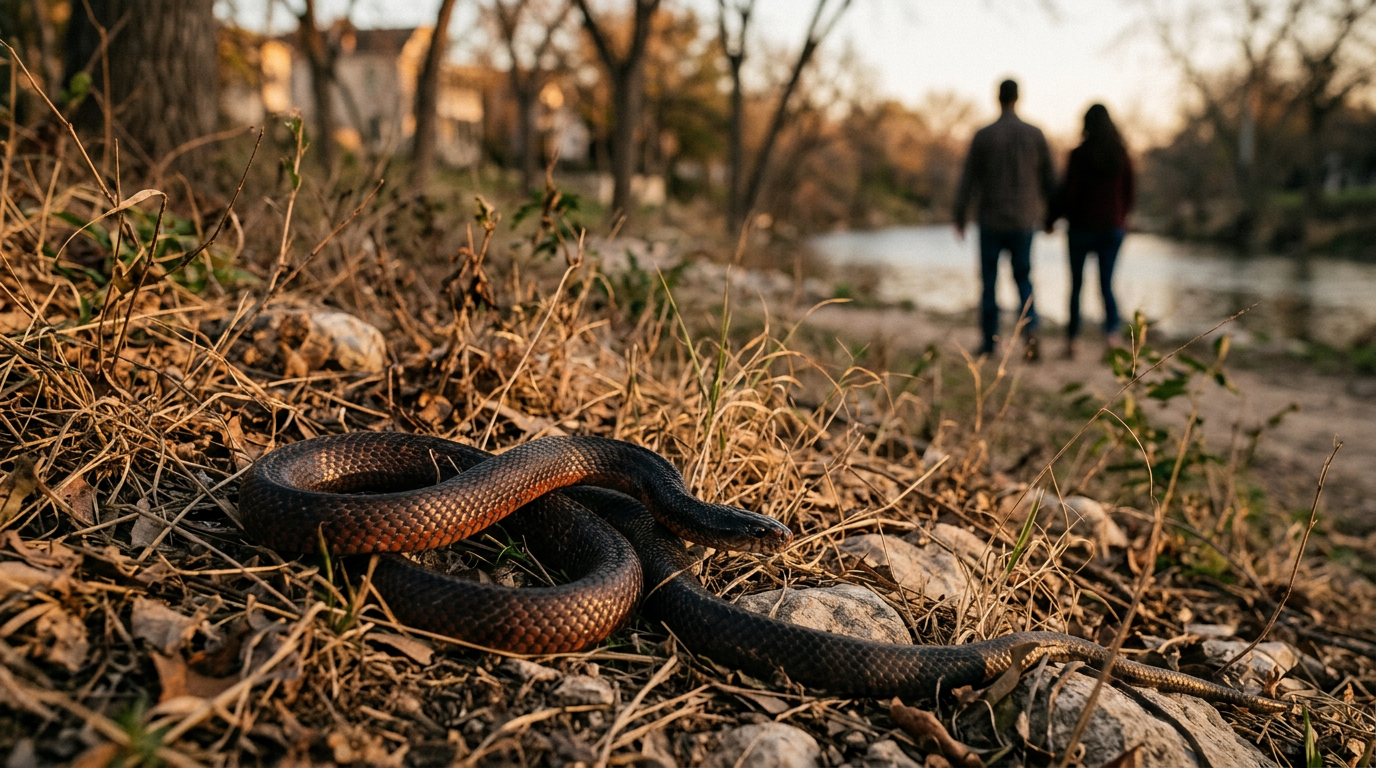
As one of the fastest-growing urban centers in the United States, San Antonio continues to attract a significant influx of new residents from across the country. A recent inquiry from a prospective resident highlighted common anxieties for those relocating to the Alamo City, specifically regarding neighborhood safety, the presence of indigenous wildlife like scorpions and snakes, and the general availability of local entertainment. Historically, San Antonio has served as a cultural crossroads, blending deep-rooted colonial history with modern military and technology sectors. This unique demographic mix creates a diverse range of living experiences, ranging from the historic charm of the King William District to the sprawling suburban developments of the North Side. Understanding the specific logistics of these neighborhoods is essential for any newcomer attempting to navigate the transition into the Texas lifestyle. Historically, San Antonio was founded as a Spanish mission and colonial outpost in 1718. Over the centuries, it has evolved into the seventh-largest city in the United States. Its growth has necessitated a complex balance between urban expansion and the preservation of the natural Hill Country environment that surrounds the metropolitan area. For those arriving from out of state, the integration of residential life with thick Texas brushland often results in encounters with native species that are less common in other parts of the country. This transition period requires a bit of practical knowledge regarding pest control, local law enforcement trends, and the regional geography that defines the city's separate sectors.
Texas relevance
This story is directly relevant to anyone living in or considering a move to San Antonio, Texas. As the city expands, the pressure on local housing and the encroachment into previously undeveloped areas of Bexar County have made wildlife encounters more frequent. For current Texans, these interactions are often commonplace, but for the thousands of people moving to the Lone Star State annually, understanding the local ecology and safety landscape is a critical part of residency. The city's development projects, particularly on the Far West and North Sides, mean that new residents are increasingly living in 'wildland-urban interface' zones where scorpions, snakes, and other bugs are naturally occurring neighbors.
Understanding San Antonio Public Safety and Crime Trends
Safety in San Antonio is often a localized matter, with crime statistics varying significantly from one zip code to the next. Like most major Texas metros, the city utilizes a 'grid' system for its police patrol, with the San Antonio Police Department (SAPD) overseeing a vast territory divided into several substations. Generally, the northern sectors are viewed as more affluent and suburban, while the inner-city areas and certain pockets of the South and West sides have faced historic challenges with property crime.
Newcomers are encouraged to utilize tools like CommunityCrimeMap to see specific activity near their rental or new home. Most long-term residents will attest that while violent crime is relatively rare for the average citizen, 'property crimes of opportunity,' such as vehicle break-ins, are common across the entire city. Taking basic precautions, such as locking doors and not leaving valuables in sight, is standard practice for life in Bexar County.
Navigating the Crawling Residents: Scorpions and Spiders
One of the biggest culture shocks for those moving to Texas is the presence of the Striped Bark Scorpion. These small arachnids are the most common scorpion species in the state and are frequent visitors to San Antonio homes, particularly those near new construction sites where the ground has been recently disturbed. While their sting is painful—often compared to a sharp wasp sting—they are not typically life-threatening to healthy adults.
In addition to scorpions, residents must be aware of spiders like the Black Widow and the Brown Recluse. Both species are native to Texas and prefer dark, undisturbed areas like garages, woodpiles, or cardboard boxes. Regular treatments from a local pest control service are a standard expense for most homeowners in the area, helping to minimize these encounters inside the living space.
The Slithering Truth About Snake Populations
San Antonio sits at the edge of the Texas Hill Country, which is prime habitat for various snake species. The most notable venomous resident is the Western Diamondback Rattlesnake. While they generally avoid human contact, they can be found in rocky areas, tall grass, or near water sources. Other venomous species in the region include the Copperhead and the occasional Coral Snake, identifiable by its bright red, yellow, and black rings.
It is important to remember that most snakes encountered in a suburban backyard are non-venomous, such as the Texas Rat Snake or the Garter Snake. These reptiles play a vital role in the local ecosystem by controlling rodent populations. Local experts recommend 'snake-proofing' yards by keeping grass short and removing debris piles that might serve as hiding spots for both snakes and their prey.
The Buzz on Texas Insects: Roaches and Mosquitos
Insects are a fact of life in the humid subtropical climate of San Antonio. The American Cockroach, often colloquially referred to as a 'Waterbug' or 'Palmetto Bug,' is a frequent sight during the hot summer months. These large, flying insects enter homes seeking water and are not necessarily a sign of a dirty house. However, a consistent perimeter spray is usually required to keep them at bay.
Mosquitos are another significant concern, particularly during the rainy spring and autumn seasons. Bexar County officials frequently monitor for mosquito-borne illnesses such as West Nile Virus. Residents are advised to drain standing water from their properties and use repellent when outdoors at dusk or dawn. The summer heat also brings out the cicadas, whose loud buzzing becomes the background soundtrack of the city from June through September.
Local Culture and Things to Do in the Alamo City
Once a newcomer settles in, they will find that San Antonio offers a rich tapestry of entertainment. The city is famous for its River Walk, a subterranean level of shops and restaurants that winds through the downtown area. Beyond the major tourist attractions like the Alamo and the Pearl District, there are numerous neighborhood gems, such as the Japanese Tea Garden and the vast Brackenridge Park.
For those who enjoy the outdoors, the Howard W. Peak Greenway Trail System offers over 100 miles of paved trails for hiking and biking that connect different parts of the city. The culinary scene in San Antonio is also a major draw, having been designated a UNESCO Creative City of Gastronomy. From authentic Tex-Mex and barbecue to high-end fusion, the food culture is a central pillar of life for everyone living in Bexar County.
Seasonal Expectations and the Texas Climate
The climate in San Antonio is characterized by long, hot summers and relatively mild winters. Temperatures frequently exceed 100 degrees Fahrenheit in July and August, which can be a significant adjustment for those coming from cooler climates. During these peak heat months, life in the city often shifts to early morning or late evening activities to avoid the most intense sun.
Winter in San Antonio is generally pleasant, though the area is prone to occasional 'Blue Northers'—cold fronts that can drop temperatures by 30 degrees in a matter of hours. While snow is rare, 'icing' events can occur, which often lead to city-wide closures due to the lack of specialized equipment for frozen roads. Overall, the weather allows for year-round outdoor events, contributing to the city's active lifestyle.
Living Near the Military City USA
San Antonio is proudly known as 'Military City USA,' housing several major installations including Joint Base San Antonio (Fort Sam Houston, Lackland AFB, and Randolph AFB). This presence significantly shapes the local economy and culture. New residents will frequently see uniformed service members and may hear the 'sound of freedom'—the roar of T-38 trainer jets flying overhead if they live on the city's Northeast side.
The military influence also means that the city is incredibly patriotic and supportive of veterans. Many businesses offer discounts, and there are numerous services dedicated to transition and support. For a new resident, understanding the layout of these bases is helpful, as they are major hubs of activity and can influence traffic patterns during morning and afternoon commutes.
Helpful Tips for an Easy Transition
For those using an Airbnb as a temporary home, it is wise to communicate with the host about specific neighborhood quirks. Ask about trash pickup days, local watering restrictions (which are common in San Antonio due to the city's reliance on the Edwards Aquifer), and the best local grocery stores, such as the beloved H-E-B.
Lastly, joining local community groups on social media platforms like Nextdoor or Facebook can provide real-time updates on everything from lost pets to traffic delays. San Antonians are generally known for their friendliness and 'southern hospitality' mixed with Texas pride, making it one of the easier cities to find community if you are willing to reach out.
Analysis
Opinion: While new residents often fear the 'scary' elements of Texas—specifically our snakes and scorpions—the reality is that these are manageable parts of the environment. The real challenge for newcomers isn't the wildlife, but rather the rapid expansion of the city which leads to traffic congestion and shifting neighborhood dynamics. San Antonio remains one of the most welcoming cities in Texas, providing a lower cost of living than Austin or Dallas, but it requires a 'common sense' approach to safety and property maintenance to truly enjoy the benefits of the Alamo City.
Source attribution
This story was reported using a public release from the r/sanantonio. Keep TX Red rewrote the coverage independently and links to the official statement for verification.
Frequently Asked Questions
- Are the scorpions in San Antonio dangerous?
- The Striped Bark Scorpion is the most common species found in San Antonio. While their sting is painful and may cause swelling or numbness, it is rarely dangerous to humans unless the individual has a specific allergic reaction. It is common to find them in homes near greenbelts or new construction.
- What should I do if I see a snake in my yard?
- Most snakes in San Antonio are non-venomous and beneficial for rodent control. If you encounter a snake, the safest course of action is to give it space and let it move away on its own. If you suspect it is a rattlesnake or another venomous species, you can contact a professional wildlife removal service.
- What is the best way to get around the city?
- San Antonio is a very car-dependent city. While there is a public bus system (VIA Metropolitan Transit), most residents rely on personal vehicles. The city is encircled by Loop 410 and Loop 1604, which are the main arteries for commuting between different sectors of the metro area.
Official Sources
Take the next step
Browse the Newsroom →Read more about Keep Texas Red → Our full guide to what Keep Texas Red means and why Texans support it.
Related Articles

Get Texas updates delivered weekly.
Independent Texas reporting on politics, policy, and daily life. One email a week. Unsubscribe anytime.
Keep TX Red Newsroom
The Keep Texas Red Editorial Staff produces nonpartisan explainers, policy breakdowns, and educational resources to help Texans understand how their government works. All content is reviewed for accuracy and updated regularly.
About Keep TX Red →