San Antonio High Demand for Organic Local Produce Bolsters Bexar County Farmers Markets
San Antonio residents are bypassing big-box retailers like Walmart and HEB in a growing movement to support local Bexar County organic farmers.
Editorial disclaimer: Opinions and analysis on Keep TX Red are editorial content — not statements of fact. See our editorial standards.
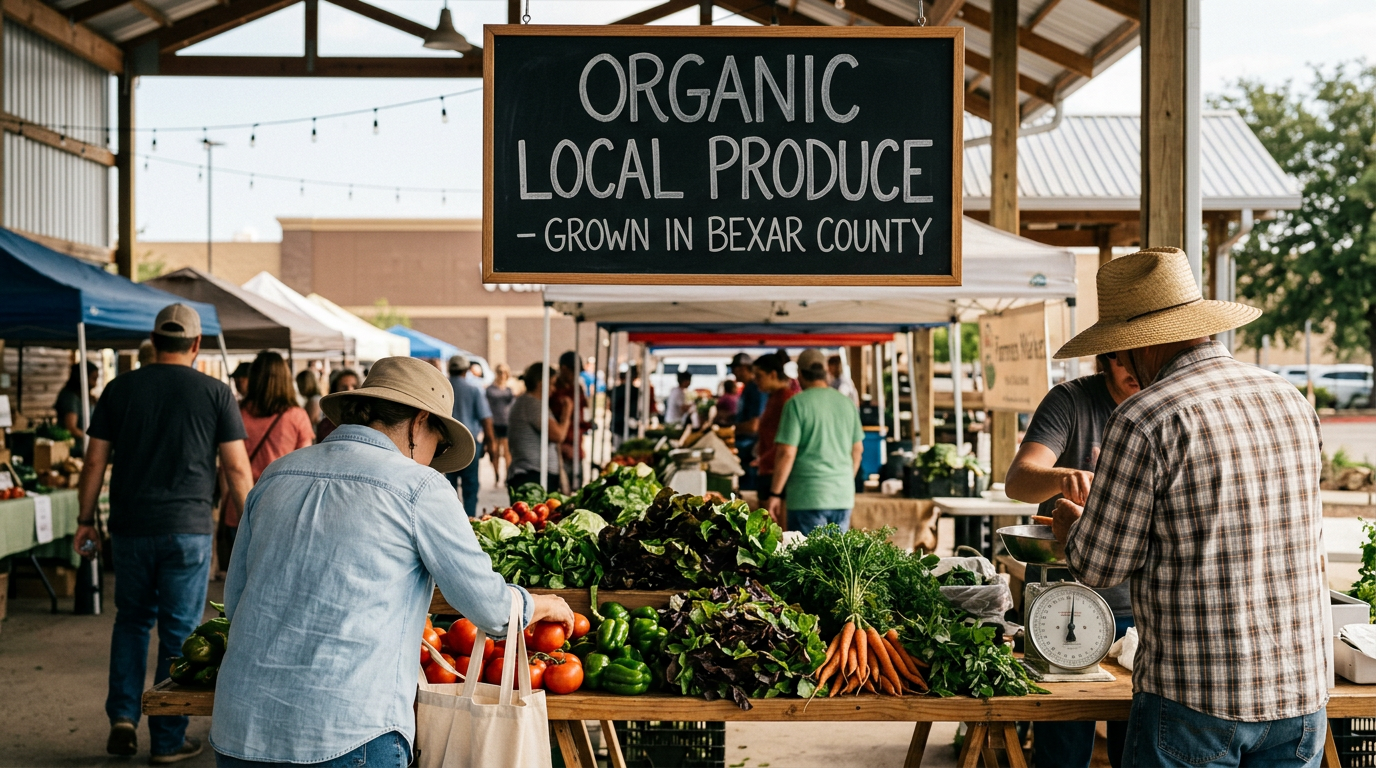
The growing preference for locally sourced, organic produce is reshaping the consumer landscape in San Antonio and the neighboring community of Helotes. As residents increasingly voice their desire to divest from massive retail conglomerates like Walmart and Costco, the spotlight has shifted toward independent agricultural producers within Central and South Texas. This trend reflects a broader historical shift in Texas commerce where the 'buy local' ethos has evolved from a niche lifestyle choice into a significant economic driver for family-owned farms. Historically, Texas has maintained a robust agricultural identity, but the rise of suburban expansion in the San Antonio area previously threatened the viability of small-scale growers. Now, a resurgence in consumer awareness is creating a renewed market for sustainable land use and organic practices that prioritize soil health and nutritional density over mass-market scalability. Recent discussions among community members highlight a specific intent to redirect household spending away from international supply chains and back into the pockets of regional farmers. By choosing seasonal crops over the climate-controlled aisles of major grocery chains like HEB, San Antonio consumers are attempting to build a more resilient local food system. This shift is not merely about health; it is a statement of economic independence and a rejection of the homogenized shopping experience offered by national retailers. The result is a thriving network of farmers markets that serve as critical infrastructure for the local economy, ensuring that Texas dollars remain within the state and support the hardworking families who manage the land around Bexar County.
Texas relevance
The agricultural shifts in San Antonio and Helotes are deeply tied to the broader Texas economy and the preservation of state-specific land use traditions. For centuries, the San Antonio River Valley served as a primary food source for the region, and today's organic movement is a modern extension of that heritage. As Texas faces rapid urbanization, the success of local farmers markets ensures that rural land remains productive and protected from over-development. Furthermore, the reliance on regional markets reduces the carbon footprint associated with long-distance food transport, a significant issue given the vast distances often traveled by goods in the Lone Star State. By prioritizing Texas-grown organic goods, residents are directly funding the maintenance of the state's diverse ecosystem and keeping the Texas agricultural sector competitive against global imports.
The Shift from Corporate Retail to Regional Growers
In the San Antonio metropolitan area, a significant number of households are re-evaluating their relationship with large grocery chains that dominate the regional landscape. While companies such as HEB have long been staples of Texas life, the modern consumer is looking for even more localized connections to their food sources. This move toward small-scale producers is driven by a desire for transparency in growing methods and a commitment to keeping capital within the local community. By avoiding the 'big box' model, residents are ensuring that their grocery budgets support the specific micro-economies of Bexar and surrounding counties.
The impact of this shift is visible in the increased attendance at markets in locations like the Pearl District and downtown Helotes. These venues provide a direct-to-consumer pipeline that eliminates the middleman, allowing farmers to capture a higher percentage of the retail price. This economic model is essential for the survival of organic farms, which often face higher overhead costs due to the labor-intensive nature of pesticide-free cultivation. When San Antonio shoppers choose these outlets over Walmart or Costco, they are making a deliberate choice to fund sustainable business practices over corporate efficiency.
Economic Impact of Sustainable Farming in Bexar County
The financial benefits of supporting organic markets extend far beyond the individual farm gate. Every dollar spent at a local market in the San Antonio area has a multiplier effect, as local farmers are more likely to spend their earnings at other regional businesses. This creates a circular economy that strengthens the entire trade corridor between rural growing regions and urban centers. For a city like San Antonio, which balances a high-tech sector with a traditional agricultural background, these markets represent a vital bridge between two different economic worlds.
Furthermore, the growth of the organic sector in Texas provides employment opportunities that are tied to the land. Unlike corporate retail jobs, which can be subject to national market fluctuations and automation, the roles created within the local organic food chain are rooted in specialized knowledge and physical stewardship of Texas soil. This helps preserve a workforce that is capable of managing the state's natural resources effectively, ensuring that future generations of Texans have the skills and infrastructure necessary to maintain food security without relying on external imports.
Comparing Quality and Community Values
One of the primary drivers for the San Antonio organic movement is the perceived difference in quality between mass-produced goods and farm-fresh produce. Organic farmers in the region often focus on heirloom varieties and seasonal crops that are not built for the long transit times required by national distributors. This results in a product that is not only fresher but also carries the distinct 'terroir' of Texas soil. For the discerning consumer in Helotes or San Antonio, the superior taste and nutritional profile of these items justify the extra effort required to visit a farmers market instead of a convenient grocery store.
Beyond the tangible product, these markets serve as vital social hubs where the urban-rural divide is bridged. In a digital age where commerce is increasingly impersonal and automated, the face-to-face interaction between a Texas farmer and a Texas consumer builds trust and community cohesion. These interactions allow shoppers to learn about the challenges of the growing season, from South Texas droughts to unexpected freezes, fostering a deeper appreciation for the resilience required to be a producer in the Lone Star State. This cultural exchange reinforces a shared Texas identity centered around hard work and mutual support.
The Challenges of Organic Certification in Texas
While the demand for organic goods is high, the path for a Texas farmer to achieve official organic certification is often fraught with regulatory and financial hurdles. Small-scale growers in the San Antonio region must adhere to strict guidelines regarding soil quality, pest control, and water usage to earn the 'organic' label. These rigorous standards are intended to protect the consumer, but they also require a significant investment of time and record-keeping that can be daunting for a family-run operation. Because of this, many local farmers use 'organic-adjacent' practices—avoiding chemicals without the formal cost of certification.
Educated consumers in the Helotes area are increasingly aware of these nuances. Many shoppers prioritize the 'local' aspect over the 'organic' sticker, choosing to talk directly to the growers at the market about their farming philosophy. This direct communication allows farmers to explain their stewardship of the land without needing a third-party seal of approval. By supporting these growers, the San Antonio community is helping to foster a diverse agricultural ecosystem where different types of sustainable practices can flourish, even if they don't all fit into a standardized federal box.
Building Future Food Security for South Texas
The long-term health of San Antonio's food supply depends on the continued viability of its local farmers. As global supply chains face increasing volatility due to geopolitical tensions and transport costs, having a robust network of nearby producers is a strategic advantage for Texas. The rise of organic farmers markets in the Helotes and San Antonio regions acts as an insurance policy against future disruptions. By fostering an environment where small farmers can thrive, the region ensures that it has the internal capacity to feed its population regardless of what happens in the international market.
Encouraging the next generation of Texas farmers is also a critical component of this movement. Many of the vendors at San Antonio markets are younger producers who are bringing innovative techniques like permaculture and regenerative grazing to the region. These new agricultural leaders are attracted to the market by the enthusiastic support of local consumers who are willing to pay a fair price for honest work. As this trend continues, it will likely inspire more young Texans to view agriculture as a viable and respected career path, securing the state's status as a leader in both traditional and forward-thinking food production.
Analysis
The consumer push for local organic markets in San Antonio represents a grassroots conservative approach to economic self-reliance and community preservation. By consciously choosing to bypass 'Big Retail' in favor of a local neighbor, residents are practicing a form of voluntary economic decentralization. This trend aligns with Texas values of independence and entrepreneurship; it encourages small business growth without the need for government intervention or subsidies. Moreover, the demand for high-quality, organic alternatives to corporate food products suggests a growing skepticism of industrial food systems. This movement identifies that the true strength of the Texas economy lies in the hands of the individual producer and the informed consumer, rather than in the boardrooms of global retail giants.
Source attribution
This story was reported using a public release from the r/sanantonio. Keep TX Red rewrote the coverage independently and links to the official statement for verification.
Frequently Asked Questions
- Why is there a sudden interest in avoiding stores like Walmart or HEB for produce?
- Many residents are looking to ensure their money stays within the local San Antonio community. There is also a growing concern about the quality and environmental impact of mass-distributed produce compared to the fresh, organic options available from local Texas farmers.
- Are there specific markets in the San Antonio and Helotes area that offer organic goods?
- Yes, locations like the Pearl Farmers Market in San Antonio and the various seasonal markets in Helotes are popular destinations for those seeking organic and sustainably grown produce from neighborhood farms.
- How does buying from local farmers help the Texas economy?
- Local spending creates a circular economy. When you buy from a San Antonio-area farmer, that money pays for local labor and is often reinvested in other Texas businesses, rather than being sent to the out-of-state headquarters of a major corporation.
- What is the difference between 'local' and 'certified organic' at these markets?
- Certified organic means the farm has met specific federal standards, while 'local' simply refers to the geographic proximity. Many Texas farmers use organic methods but may not have the formal certification; speaking directly with them at the market is the best way to understand their practices.
Official Sources
Take the next step
Browse the Newsroom →Read more about Keep Texas Red → Our full guide to what Keep Texas Red means and why Texans support it.
Related Articles



Get Texas updates delivered weekly.
Independent Texas reporting on politics, policy, and daily life. One email a week. Unsubscribe anytime.
Keep TX Red Newsroom
The Keep Texas Red Editorial Staff produces nonpartisan explainers, policy breakdowns, and educational resources to help Texans understand how their government works. All content is reviewed for accuracy and updated regularly.
About Keep TX Red →