San Antonio Food Security: Guide to Community Fridge and Pantry Locations
Discover active neighborhood food pantries and community fridges across San Antonio as local volunteers work to ensure food security for all residents.
Editorial disclaimer: Opinions and analysis on Keep TX Red are editorial content — not statements of fact. See our editorial standards.
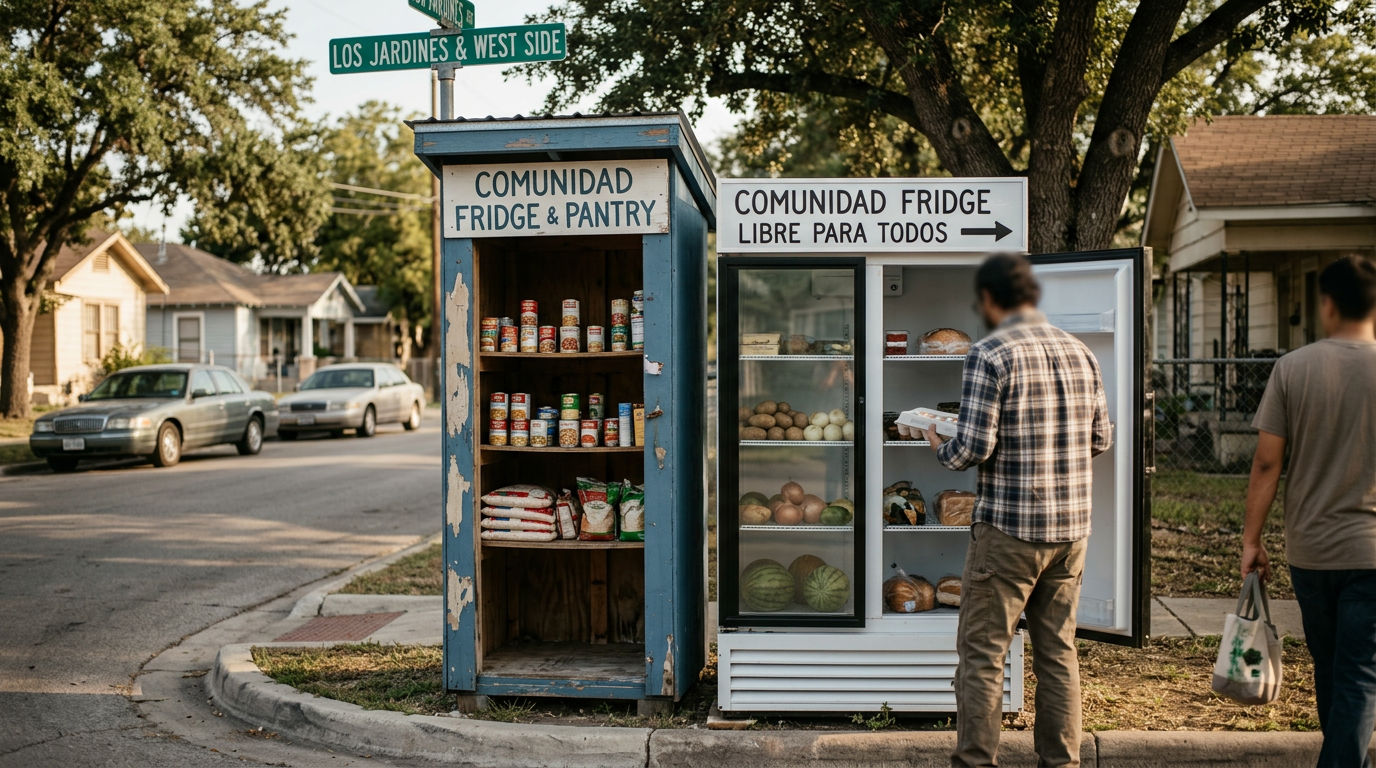
The growing inquiry into the stability of local nourishment resources highlights a vital network of mutual aid across San Antonio. In recent years, the 'free fridge' movement has gained significant traction in Texas urban centers as a grassroots response to food insecurity. These decentralized installations provide accessible, no-barrier options for residents to both donate surplus groceries and receive necessary staples. The current landscape of these community-led initiatives in the Alamo City includes various sites scattered from the historic West Side to the Harlandale area, serving as a critical safety net for those who may fall through the gaps of larger institutional programs. Texas has a storied history of community-driven support systems, dating back to the mutualista organizations of the early 20th century. San Antonio, in particular, has often led the state in developing neighborhood-level solutions to economic challenges. These cooling units and wooden pantries represent a modern evolution of that tradition, utilizing public space and social media coordination to keep families fed. As inflation and housing costs fluctuate, the demand for these hyper-local resources has remained consistent, prompting residents to frequently verify the status and operating hours of established locations such as the Jovíta Idar and Los Jardines sites.
Texas relevance
San Antonio residents and Bexar County officials have long monitored food security as a primary indicator of regional economic health. In a city where large segments of the population live in designated food deserts, particularly within the inner loop and southern sectors, these volunteer-run hubs provide a logistical bridge to fresh produce and dry goods. The reliance on these local caches demonstrates the strong sense of communal responsibility inherent to South Texas culture, where neighbors prioritize the well-being of the most vulnerable members of their community.
The Evolution of Mutual Aid in Bexar County
The concept of the 'community fridge' is relatively new to the San Antonio landscape, but the principles underlying it reflect centuries of Texas tradition. Historically, rural Texas communities relied on shared storehouses and communal harvests to survive harsh conditions. As San Antonio transformed into a major metropolitan hub, these traditions moved into the urban sphere, evolving into the informal pantry systems we see today.
Unlike state-funded programs that require extensive documentation and interviews, these pantries operate on a 'take what you need, leave what you can' basis. This lack of bureaucracy is intentional, designed to preserve the dignity of the users and provide instant aid. The movement has seen a surge in participation following various economic shifts, proving that the residents of the Alamo City are committed to looking out for one another regardless of government intervention.
Organizers across the city have noted that these sites often become neighborhood focal points. They are not merely storage units for excess food but are social gathering spots where information about other local services is shared. By maintaining these fridges, volunteers are building a resilient network that can withstand local emergencies or larger economic downturns.
Understanding the West Side and Downtown Networks
The West Side of San Antonio has a particularly robust network of these resources, reflecting the area's strong cultural ties and history of activism. Sites like the Nopalitos Free Pantry and the Casita de Esperanza function as essential stops for families navigating the challenges of rising grocery costs. These locations are strategically placed in areas where accessibility to traditional supermarkets may be limited by transportation and distance.
In the downtown and near-north areas, the Jovíta Idar Pantry and specific church-affiliated ministries provide coverage for a diverse population, including students, service workers, and the unhoused. The Blessing of Hands Ministries, for instance, operates The Giving Fridge with specific hours to ensure that volunteers are on-site to assist with distribution, bridging the gap between a fully autonomous fridge and a traditional food bank.
The diversity of these locations ensures that whether someone is located near San Francisco Street or Santa Monica Street, there is likely a resource within walking or biking distance. This density is vital in a city known for its sprawl, as it reduces the travel burden on those who can least afford the cost of fuel or public transit.
Strategies for Maintaining Pantry Sustainability
One of the primary challenges facing these volunteer initiatives is the constant need for monitoring and cleanliness. Because these units are outdoor and accessible to the public 24/7, they require regular maintenance to ensure food safety. Neighborhood captains often step up to check temperatures in the cooling units and remove expired goods from the dry shelves.
Sustainability also depends on a steady stream of donations from local businesses and individuals. Many San Antonio residents make it a weekly habit to drop off extra canned goods, fresh fruit, or hygiene products. This consistent influx of goods is what keeps locations like the Little Stellar Shelf and the Harlandale Sunshine Pantry operational throughout the year.
When the community stops engaging, these fridges can quickly fall into disrepair or become targets for vandalism. Therefore, the survival of these sites is a direct reflection of the local community's health. Continued advocacy and the recruitment of new volunteers are essential to ensuring that these resources do not disappear during periods of low media attention.
North and South Side Resource Distribution
While much of the focus is on the urban core, the south and north sections of the city also host vital pantry locations. The Harlandale Sunshine Pantry on Drury Lane serves as a beacon for the South Side, where residential communities are often far removed from the city's primary social service hubs. This location emphasizes the importance of providing aid directly where people live.
On the north side, the Little Stellar Shelf caters to a different demographic but serves an equally important purpose. Food insecurity is not always visible from the outside, and having a discreet location for neighbors to exchange goods helps break the stigma associated with seeking assistance. This helps foster a culture where asking for help is seen as a normal part of community life.
These outlying locations often face higher logistics costs for organizers who may have to transport donated goods from central distribution centers. However, their presence is a testament to the fact that the spirit of mutual aid extends beyond the historically underserved neighborhoods into every corner of San Antonio.
Collaborative Efforts with Local Organizations
Many of these fridges do not operate in a vacuum; they are often supported by larger non-profits and local ministries. The interaction between grassroots fridges and organized ministries, such as the Blessing of Hands, creates a tiered system of support. While the fridge offers immediate 24-hour access, the ministry can offer more substantial items like meat or dairy during restricted hours.
This collaboration also extends to local restaurants and grocery stores that donate surplus items that would otherwise go to waste. In San Antonio, where the culinary scene is a point of pride, reducing food waste by redirected it to community shelves is a win-win for the environment and the economy. It keeps high-quality food in the hands of those who need it most.
These partnerships are often facilitated by social media groups where volunteers post 'fridge alerts.' These alerts let the community know when a specific location has been restocked with high-demand items like milk, eggs, or fresh bread. This real-time communication is a hallmark of the modern Texas approach to community care.
The Future of Community-Led Aid in Texas
As San Antonio continues to grow, the model of the community fridge may serve as a template for other Texas cities. The lessons learned in Bexar County regarding site placement, volunteer retention, and community engagement are valuable for any municipal area facing similar economic pressures. The adaptability of the 'little pantry' model makes it a scalable solution for both small towns and large urban centers.
Future developments may include more weather-resistant structures and the integration of solar power for refrigeration units. These technological upgrades would help reduce the overhead costs for the hosts of these fridges, ensuring that the primary focus remains on the food itself. Innovation in the way these units are constructed can increase their durability against the intense Texas heat.
Ultimately, the success of these pantries depends on the people of San Antonio. By participating in these local networks, residents are not just providing food; they are building a more resilient and connected city. The continued existence and expansion of these fridges will remain a key priority for local advocates committed to the well-being of their neighbors.
Analysis
OPINION: While the existence of these fridges is a testament to the generosity of San Antonio residents, their continued necessity points to a broader systemic need for sustainable economic growth and food access in South Texas. These grassroots efforts provide immediate relief, but the reliance on individual donations highlights the fragility of the social safety net for low-income Texans. It is crucial for community members to not only use these resources but to actively maintain them through frequent cleaning and restocking to ensure the longevity of these vital volunteer-led infrastructures.
Source attribution
This story was reported using a public release from the r/sanantonio. Keep TX Red rewrote the coverage independently and links to the official statement for verification.
Frequently Asked Questions
- What kind of items can I donate to a San Antonio community fridge?
- Most pantries accept unopened non-perishable goods like canned vegetables, pasta, and peanut butter. For locations with functioning refrigerators, fresh produce, eggs, and dairy are often welcome, provided they are not expired and are in good condition. Always check the specific rules posted at each fridge, as some may have restrictions on meat or prepared home-cooked meals due to health department guidelines.
- Are there specific hours for these pantries?
- The majority of the listed pantries, such as the Little Stellar Shelf and Nopalitos Free Pantry, are outdoor structures accessible 24 hours a day. However, some church-based or ministry-supported locations, like The Giving Fridge at Blessing of Hands Ministries, have specific operating hours (e.g., Mondays from 11 AM to 2 PM) to ensure staff are available to assist.
- How can I find out if a specific fridge is currently stocked?
- The best way to get real-time updates is through local social media groups dedicated to San Antonio mutual aid or neighborhood-specific community pages. Volunteers and users frequently post photos of the shelves to let others know when a delivery has arrived or if a fridge needs cleaning and restocking.
Official Sources
Take the next step
Browse the Newsroom →Read more about Keep Texas Red → Our full guide to what Keep Texas Red means and why Texans support it.
Related Articles


Get Texas updates delivered weekly.
Independent Texas reporting on politics, policy, and daily life. One email a week. Unsubscribe anytime.
Keep TX Red Newsroom
The Keep Texas Red Editorial Staff produces nonpartisan explainers, policy breakdowns, and educational resources to help Texans understand how their government works. All content is reviewed for accuracy and updated regularly.
About Keep TX Red →