San Antonio Film Enthusiasts Seek High-Quality Screening Alternatives Following Technical Failures at Major Local Cinema
San Antonio moviegoers seek better IMAX options as technical issues plague Rivercenter theaters. Discover the best local and regional alternatives.
Editorial disclaimer: Opinions and analysis on Keep TX Red are editorial content — not statements of fact. See our editorial standards.
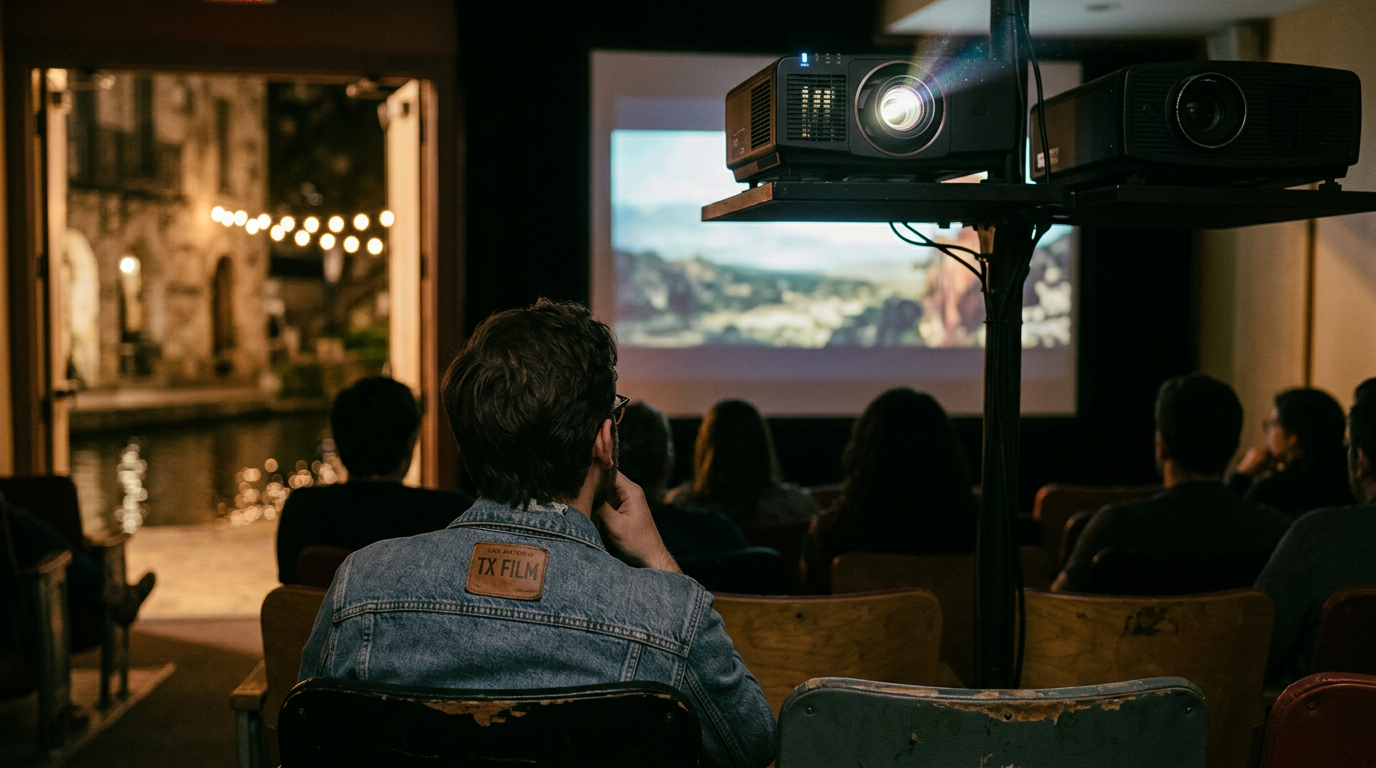
The cinematic landscape in San Antonio is currently facing a localized crisis for film purists as technical difficulties at prominent downtown venues force audiences to look elsewhere for high-fidelity viewing experiences. Reports have surfaced indicating that the AMC Rivercenter 11, a staple of the River Walk entertainment district, has struggled with repeated projector failures during high-profile screenings of 'The Odyssey.' Historically, the Rivercenter location has been a go-to for tourists and locals alike due to its central location, but ongoing maintenance concerns are shifting the focus toward suburban and regional alternatives that offer more reliable technology. This shift highlights a growing demand for premium large-format (PLF) experiences among Texas audiences who are increasingly unwilling to settle for subpar presentations. Texas has a long history of prioritizing the cinematic experience, dating back to the grand movie palaces of the early 20th century. In recent decades, the state has become a hub for theater innovation, with homegrown chains like Santikos and Alamo Drafthouse setting national standards for projection quality. However, as digital and laser projection systems age, the cost of maintenance has led to a noticeable gap between premium sites and those falling behind on infrastructure upgrades. The current situation in San Antonio serves as a case study in how consumer loyalty can shift overnight when technical execution fails to meet the high standards expected in a competitive market like South Central Texas.
Texas relevance
This situation is deeply relevant to San Antonio and the broader South Texas region as it underscores the importance of the city's entertainment infrastructure. For residents of Bexar County and surrounding areas, the choice of where to spend discretionary income is increasingly dictated by the quality of the 'Premium Large Format' experience. Furthermore, the willingness of local residents to drive over 80 miles to Austin’s Bullock State History Museum demonstrates the high value Texans place on authentic IMAX technology. This trend impacts local transit, regional tourism, and the competitive positioning of San Antonio’s theater chains against Austin’s specialized venues.
Technical Standard Shifts in South Texas Cinemas
The current frustration among San Antonio theater-goers stems from the distinction between different types of large-format projection. While many locations market themselves under the IMAX banner, the actual technology behind the screen can vary significantly. At the heart of the San Antonio debate is the reliability of traditional digital projection versus the newer, more robust laser systems that have become the gold standard for modern cinematography.
In San Antonio, the Santikos Palladium and Regal Live Oak are frequently cited as the primary alternatives for those looking to avoid the technical pitfalls of downtown venues. These suburban hubs have invested heavily in consistent maintenance schedules to avoid the 'breaking down' reputation currently affecting the Rivercenter 11. For the average Texan family, the reliability of a weekend outing is often more important than the proximity to the city center, leading to a steady migration of traffic toward the Loop 1604 and I-35 corridors.
The technical failure of a projector is not merely a nuisance; it represents a breakdown in the contract between the exhibitor and the viewer. In a state where everything is expected to be bigger and better, a dark screen or a blurry image is seen as a failure of Texas-sized proportions. This has led to a surge in interest regarding the specific optics used in local theaters, with moviegoers now researching 'dual laser' and '70mm' formats before purchasing tickets.
The Pull of the Bullock State History Museum
When local options fail to meet expectations, the Bullock State History Museum in Austin emerges as the ultimate backup plan for San Antonio residents. As the home of the only IMAX GT dual laser system in the region, it offers a visual fidelity that is nearly unparalleled in the southern United States. This facility serves as a reminder of the state's commitment to educational and cultural excellence, even when used for mainstream blockbuster entertainment.
The drive from San Antonio to Austin via I-35 is a significant undertaking, often taking 90 minutes or more depending on the notorious Central Texas traffic. Yet, the fact that residents are willing to make this trek for a single film screening speaks volumes about the priority placed on visual quality. The Bullock’s screen provides a 1.43:1 aspect ratio that fills the entire height of the massive screen, a feature that most 'Lie-MAX' digital screens in commercial multiplexes cannot replicate.
This regional competition highlights a unique Texas dynamic where the proximity of major metro areas allows for a 'super-regional' approach to entertainment. If a service is lacking in the Alamo City, the Silicon Hills are close enough to provide a high-tech alternative. This keeps local San Antonio businesses on their toes, as they are not just competing with the theater across the street, but with world-class facilities just a county or two away.
Economic Impact on the San Antonio River Walk Area
The AMC Rivercenter 11 is a key anchor for the downtown San Antonio economy. When a major attraction like this faces recurring technical issues, the ripple effect is felt by nearby restaurants, retail shops, and parking facilities. Moviegoers who decide to skip downtown in favor of Live Oak or San Antonio's far north side take their peripheral spending with them, impacting the local tax base that supports the city's tourism core.
Downtown revitalization efforts in San Antonio have long relied on the draw of high-end entertainment. If the perception takes hold that downtown facilities are aging or poorly maintained, it could undermine the city's efforts to attract both locals and out-of-state visitors back to the city center. Ensuring that iconic venues like those at Rivercenter remain at the cutting edge is essential for the long-term health of the San Antonio hospitality sector.
Furthermore, the competition from suburban theaters like the Santikos Palladium offers a glimpse into the changing consumer habits of Bexar County. These 'luxury' cinemas offer amenities that traditional mall-based theaters struggle to match, such as expansive dining menus and bowling alleys. To compete, downtown theaters must ensure that their primary product—the movie on the screen—is flawless.
Future of Film Projection in the Region
As the film industry continues to push the boundaries of resolution and brightness, Texas theaters are at a crossroads. The transition from older digital xenon lamps to RGB laser projection is expensive but necessary. Audiences in San Antonio have shown that they are technically literate and aware of these differences, often discussing 'gate' issues and 'convergence' on social media platforms like Reddit.
The future of the San Antonio theater market will likely involve a consolidation of quality. Smaller, under-maintained screens may be phased out in favor of massive 'event' screens that guarantee a premium experience. This evolution is driven by the fact that home theater technology has improved so rapidly that a trip to the cinema must offer something substantially better than a 4K television to justify the ticket price.
Texas remains one of the strongest markets for cinema in the country, partly due to the state's heat, which makes indoor entertainment a necessity for much of the year. This climate-driven demand ensures a steady stream of revenue that should, in theory, be reinvested into theater infrastructure. The current plight of the Rivercenter 11 serves as a warning to other operators: in Texas, quality is a requirement, not a luxury.
Analyzing the Best Local Alternates
For those who cannot make the drive to Austin, the Santikos Palladium remains the crown jewel of San Antonio cinema. Founded by a Greek immigrant who became a Texas legend, the Santikos chain has a deep commitment to the local community, often donating proceeds to area charities. The Palladium’s AVX screens and IMAX offerings are generally considered the gold standard within the city limits, providing a reliable fallback for those disappointed by downtown outages.
Regal Live Oak also provides a formidable option for those located in the northeast quadrant of the city. With its easy access off I-35, it captures much of the traffic that might otherwise head into the city center. The competition between these major players ensures that San Antonio residents have a variety of choices, even if one specific venue is experiencing a period of technical instability.
Ultimately, the 'best' theater is a subjective choice based on the viewer's priorities. Some may value the historic atmosphere of the River Walk, while others prioritize the technical perfection of a laser-guided IMAX system. However, the recurring theme in the San Antonio community is a desire for transparency from theater operators regarding hardware status, so that fans do not waste time and money on a degraded experience.
Analysis
The shift in audience behavior from San Antonio to Austin for specific film formats reveals a significant market opportunity and a potential threat to local hospitality revenue. If San Antonio’s premier screens cannot maintain operational standards, the city risks losing its status as a cultural destination for major film releases. The preference for the Bullock Museum’s IMAX GT dual laser system over local digital IMAX screens suggests that the 'IMAX' brand name alone is no longer enough to satisfy savvy Texas viewers; they are now searching for specific technical specifications like laser contrast and aspect ratios. Local operators must invest in hardware parity or risk seeing a permanent migration of film enthusiasts toward the I-35 corridor.
Source attribution
This story was reported using a public release from the r/sanantonio. Keep TX Red rewrote the coverage independently and links to the official statement for verification.
Frequently Asked Questions
- Which San Antonio theater is currently reported to have projector issues?
- Recent reports from local film enthusiasts have highlighted ongoing projector breakdowns at the AMC Rivercenter 11, particularly during screenings of high-demand films like 'The Odyssey.'
- Why do people drive from San Antonio to Austin to see a movie?
- The Bullock State History Museum in Austin features an IMAX GT dual laser system, which is superior to standard digital IMAX. It offers better contrast, brightness, and a taller aspect ratio that many San Antonio screens cannot provide.
- What are the best IMAX alternatives in San Antonio?
- The Santikos Palladium and Regal Live Oak are considered the best local alternatives for large-format screenings due to their modern equipment and consistent maintenance compared to older downtown locations.
- How does theater quality impact San Antonio's economy?
- When technical issues drive moviegoers away from downtown theaters like Rivercenter, it reduces foot traffic for surrounding businesses and shifts consumer spending to suburban areas or other cities like Austin.
Official Sources
Take the next step
Browse the Newsroom →Read more about Keep Texas Red → Our full guide to what Keep Texas Red means and why Texans support it.
Related Articles


Get Texas updates delivered weekly.
Independent Texas reporting on politics, policy, and daily life. One email a week. Unsubscribe anytime.
Keep TX Red Newsroom
The Keep Texas Red Editorial Staff produces nonpartisan explainers, policy breakdowns, and educational resources to help Texans understand how their government works. All content is reviewed for accuracy and updated regularly.
About Keep TX Red →