Redefining Big D: A Deep Dive Into the Dynamic Evolution of Dallas Culture
A look at the shifting cultural landscape of Dallas as residents and local leaders push back against stereotypes of a city without a soul.
Editorial disclaimer: Opinions and analysis on Keep TX Red are editorial content — not statements of fact. See our editorial standards.
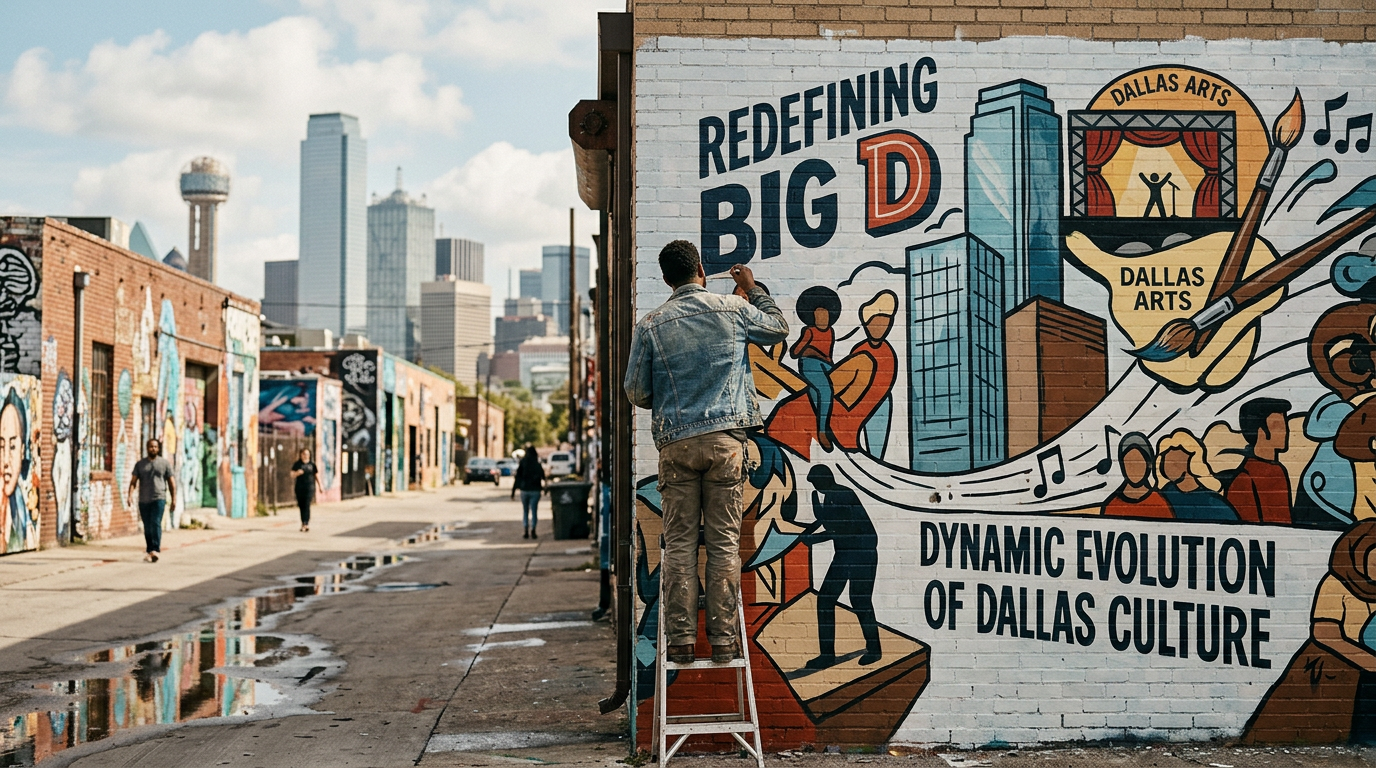
For decades, Dallas has wrestled with an external perception that it is a city defined more by corporate glass towers and sprawling interstates than by a distinct cultural heartbeat. However, a recent surge of local reflection and grassroots artistic expansion is challenging the 'no culture' narrative. This movement is not just about defending the city's reputation; it is about documenting the nuanced, diverse, and often hidden layers of North Texas life that have flourished beneath the surface of the city's business-first image. From the historic blues roots of Deep Ellum to the high-society offerings of the Dallas Arts District, the city is currently undergoing a period of intense self-examination as it tries to articulate what it truly means to be a Dallasite in the 21st century. Historically, Dallas served as a commercial hub for the cotton and oil industries, which solidified its reputation as a pragmatist's paradise. Unlike the bohemian reputation of Austin or the coastal vibe of Houston, Dallas was often viewed as the 'suit and tie' capital of Texas. This historical precedent often prioritized economic growth and physical expansion over the preservation of community-driven arts and heritage. However, as the city matures, the focus is shifting toward cultivating a sustainable cultural ecosystem that can compete on a global stage while remaining uniquely Texan. Recent discussions among community influencers and everyday residents suggest that the city's culture isn't missing; it is simply more decentralized and specialized than in other major metropolitan areas.
Texas relevance
The cultural identity of Dallas is a vital economic and social driver for the entire State of Texas. As one of the fastest-growing regions in the United States, North Texas serves as a primary gateway for new residents and international investment. When Dallas evolves its cultural narrative, it impacts local real estate, tourism revenue, and the state's ability to retain top-tier creative talent. For Texans, the development of Dallas as a cultural powerhouse means that the state no longer relies solely on a few specific cities to provide artistic and social diversity. The success of the Dallas Arts District—the largest contiguous urban arts district in the nation—demonstrates that the city is making a massive, multi-billion dollar bet on the importance of fine arts to the Texas experience.
The Evolution of Deep Ellum and Local Heritage
Deep Ellum stands as the historic heart of the city's musical and artistic identity. Once a bustling center for jazz and blues in the early 20th century, the neighborhood has survived periods of neglect and gentrification to remain a core component of the Dallas experience. The current revitalization efforts in this area are a testament to the city's desire to maintain a connection to its past while accommodating new growth. This neighborhood provides the 'edge' that critics often claim Dallas lacks, offering a gritty, authentic counterpoint to the polished skyscrapers of the nearby downtown core.
Preserving these historic corridors is essential for the city's longevity. When residents talk about the soul of North Texas, they often point to the murals, the independent venues, and the diverse culinary scene of Deep Ellum. It serves as a reminder that Dallas's history is not just one of commerce, but one of creativity and resilience. As the city grows, ensuring that these areas retain their character—rather than becoming generic mixed-use developments—will be the key to proving that Dallas possesses a deep-seated cultural history.
The Impact of the Dallas Arts District
Spanning 20 blocks and 68 acres, the Dallas Arts District represents one of the most significant investments in culture ever seen in the southern United States. With institutions like the Dallas Museum of Art, the Nasher Sculpture Center, and the Winspear Opera House, the city has created a world-class destination for high culture. This district acts as a central hub that draws millions of visitors annually, injecting significant capital into the local economy and elevating the city's profile on an international level.
Critics who argue that Dallas lacks culture often ignore the shear scale of this institutional success. The district is not just a collection of buildings; it is a collaborative space where educational programs, public performances, and community gatherings occur daily. By concentrating these resources in the urban center, Dallas has successfully reclaimed its downtown from being a 9-to-5 office park, turning it into a vibrant area where residents can engage with global artistry. This top-down approach to culture has provided a framework that supports smaller, independent artists throughout the region.
Diverse Neighborhoods and the Mosaic Effect
The true culture of Dallas is perhaps best described as a mosaic rather than a single, unified entity. Neighborhoods like Oak Cliff, Bishop Arts, and the Design District each offer distinct vibes that cater to different demographics and interests. Oak Cliff, in particular, has seen a resurgence of local pride, with independent bookstores and coffee shops becoming the new town squares for creative minds. This decentralized nature of Dallas culture means that one has to go looking for it, which can lead to the 'no culture' misconception among casual observers.
By allowing these neighborhoods to develop organically, Dallas is fostering a more resilient cultural fabric. Instead of a single tourist-heavy district, the city offers various pockets of activity that reflect the diverse populations living within them. This diversity is a major draw for families and young professionals moving to Texas from other states, as it offers a customizable lifestyle that can range from high-energy urban living to quiet, historic suburban charm.
The Role of Sports and Community Identity
In Texas, culture is inseparable from sports, and Dallas is no exception. The Dallas Cowboys, Mavericks, Stars, and Rangers provide a shared language for millions of residents across North Texas. These teams are more than just entertainment; they are central pillars of the community that foster a sense of belonging and collective history. The ritual of attending a game at AT&T Stadium or the American Airlines Center is as much a part of the local culture as a night at the opera.
This sports-centric culture often gets dismissed by artistic critics as 'low-brow,' but it represents a significant social glue in a city as large and spread out as Dallas. The economic impact of these franchises also allows for further investment in city infrastructure and public spaces. When the Mavericks win a championship, the entire city feels a sense of unified pride that transcends zip codes and economic backgrounds, proving that Dallas has a very real, very vibrant communal spirit.
The Future of North Texas Urbanism
The future of Dallas culture will likely be defined by how the city handles its continued vertical and horizontal expansion. Projects like Klyde Warren Park have shown that 'stitching' together disparate parts of the city with public green space can have a transformative effect on social interaction. By creating spaces where people from all walks of life can congregate, Dallas is breaking down the barriers that previously isolated different cultural groups from one another.
As we look toward the decade ahead, the integration of technology, sustainable design, and public art will be at the forefront of the city's agenda. The goal is to move away from the car-centric reputation of the past and toward a more walkable, interconnected urban environment. This shift is not just about logistics; it is about creating the physical conditions necessary for a spontaneous and thriving street culture to flourish across the Dallas-Fort Worth metroplex.
Analysis
The debate over Dallas's culture often misses the fact that 'culture' is frequently synonymous with 'chaos' or 'informality' in the eyes of critics. Dallas, by contrast, is a highly organized and polished city, which can sometimes be mistaken for a lack of character. The modern conservative view of city planning in Texas often emphasizes order, safety, and economic feasibility, which provides the very foundation that allows art to flourish. By creating a stable environment for business, Dallas has inadvertently funded one of the most robust private philanthropic networks in the world, which in turn supports museums, theaters, and parks that are the envy of cities with much 'grittier' reputations. The challenge for Dallas moving forward is not to invent a culture, but to bridge the gap between its high-end institutional achievements and its grassroots neighborhood movements.
Source attribution
This story was reported using a public release from the r/dallas. Keep TX Red rewrote the coverage independently and links to the official statement for verification.
Frequently Asked Questions
- Why do people say Dallas has no culture?
- This stereotype largely stems from the city's history as a business-centric hub with a heavy emphasis on modern architecture and car-based transportation. Unlike older cities with concentrated pedestrian centers, Dallas's culture is spread across various neighborhoods and high-end institutions, making it less visible to those who do not actively seek it out.
- What is the most famous cultural area in Dallas?
- The Dallas Arts District is the most prominent, as it is the largest contiguous arts district in the United States. However, for a more 'grassroots' feel, Deep Ellum and the Bishop Arts District are considered the primary centers for live music, street art, and independent businesses.
- How does Dallas culture differ from Austin or Houston?
- While Austin is known for its 'weird' bohemian vibe and Houston for its international diversity and culinary scene, Dallas is defined by a blend of high-end sophistication and historic Texan tradition. It is often seen as more polished and affluent, with a focus on large-scale institutional arts and professional sports.
Official Sources
Take the next step
Browse the Newsroom →Read more about Keep Texas Red → Our full guide to what Keep Texas Red means and why Texans support it.
Related Articles
Get Texas updates delivered weekly.
Independent Texas reporting on politics, policy, and daily life. One email a week. Unsubscribe anytime.
Keep TX Red Newsroom
The Keep Texas Red Editorial Staff produces nonpartisan explainers, policy breakdowns, and educational resources to help Texans understand how their government works. All content is reviewed for accuracy and updated regularly.
About Keep TX Red →