North Texas Summer Heat Waves Put Extreme Strain on Residential HVAC Systems
As Dallas temperatures soar, residential AC failures are rising. Learn how to find honest repairs and maintain your cooling system during a Texas heatwave.
Editorial disclaimer: Opinions and analysis on Keep TX Red are editorial content — not statements of fact. See our editorial standards.
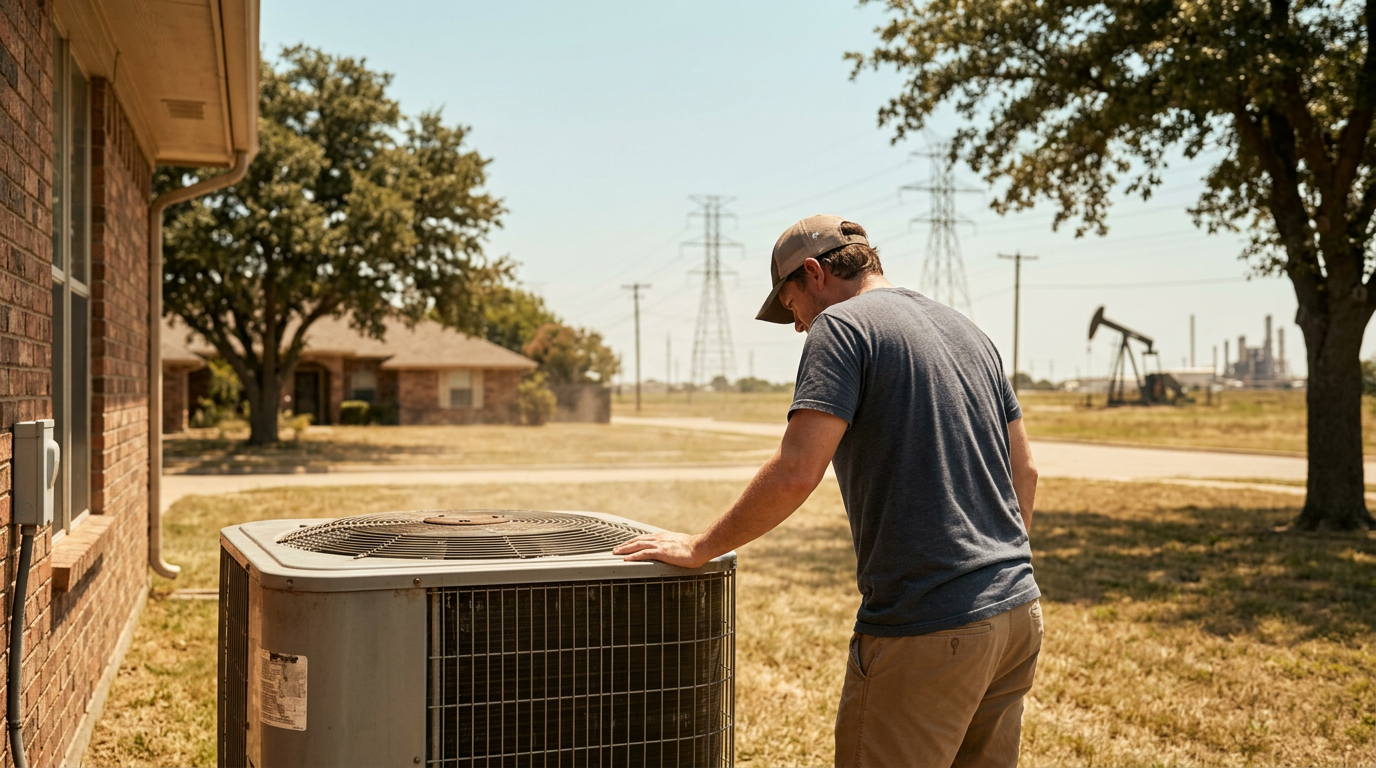
As the peak of the Texas summer season arrives, residents across the Dallas-Fort Worth metroplex are facing the reality of aging infrastructure failing under the weight of triple-digit temperatures. A recent surge in residential air conditioning failures has left many homeowners scrambling for reliable repair services in a market often saturated with high-pressure sales tactics. Historically, North Texas experiences these spikes in mechanical failure whenever the heat index consistently stays above 100 degrees for more than three consecutive days. The current trend highlights a growing concern among locals who suspect that HVAC contractors are prioritizing full system replacements over simple, cost-effective repairs. This tension between service providers and consumers is a recurring theme in the Texas housing market, where the integrity of a home's cooling system is often considered a life-safety issue rather than a mere luxury.
Texas relevance
For residents of Dallas and the surrounding North Texas counties, a functioning air conditioning unit is the primary defense against heat-related illnesses and structural damage caused by excessive humidity. The local economy is heavily influenced by the seasonal demand for these services, and the reliability of the Texas power grid often depends on the efficiency of these residential units. When a significant portion of the population is utilizing inefficient or failing systems, the total load on the ERCOT managed grid increases, creating a ripple effect that touches every taxpayer in the state. Furthermore, the high cost of living in North Texas makes the distinction between a $500 repair and a $12,000 replacement a critical financial event for middle-class families.
The Impact of Sustained Triple-Digit Heat
Texas summers are not merely a matter of discomfort; they represent a mechanical assault on residential cooling equipment. Most units are designed to maintain a temperature difference of approximately 20 degrees between the outdoor air and the indoor environment. When Dallas hits the 105-degree mark, an AC unit trying to keep a home at 72 degrees is operating at its maximum engineering limit for hours on end.
This sustained operation leads to the premature degradation of components like capacitors, contactors, and fan motors. In many cases, the 'weird noises' reported by homeowners are early indicators of bearing failure in the condenser fan or a compressor struggling to move refrigerant through the system. When these parts fail, the system quickly transitions from cooling the home to simply circulating hot, ambient air, creating dangerous indoor environments within hours.
The cumulative effect of these failures during a heatwave can overwhelm local service capacity. As demand surges, response times from reputable companies can slip from hours to days. This delay forces many Texans to choose between waiting for a trusted contractor or taking a chance on an unknown service provider who may prioritize a quick sale over a quality repair.
Navigating the Repair vs. Replacement Dilemma
One of the most significant challenges for Dallas homeowners is determining when a system is truly beyond saving. The industry standard often suggests that if a repair costs more than 50% of the value of the unit, and the unit is over ten years old, replacement is the more logical path. However, in the current economic climate, many residents are looking for ways to extend the life of their current systems despite these guidelines.
Ethical technicians in Texas will often look for simple fixes first, such as clearing a clogged condensate line or replacing a blown fuse. Unfortunately, the rise of commission-based sales structures in the HVAC industry has led to a culture where technicians are incentivized to find terminal flaws. Homeowners are encouraged to ask for specific diagnostic evidence, such as pressure readings or electrical continuity tests, before agreeing to a full haul-away.
A common tactic involves citing phased-out refrigerants like R-22 as a reason for a mandatory upgrade. While R-22 is indeed more expensive and being replaced by more environmentally friendly options, it is still legal to repair these older systems in Texas. Understanding these nuances can save a North Texas household thousands of dollars in unnecessary capital expenditures.
Local Resources and Community Recommendations
In the absence of a centralized government rating system for contractors, Dallas residents have turned to localized digital communities to vet service providers. Platforms like Reddit and Nextdoor have become essential tools for sharing honest feedback about which companies actually perform repairs versus those that operate as mobile showrooms for new equipment.
Word-of-mouth remains the most powerful currency in the Texas service industry. Residents often recommend seeking out companies that are members of the Air Conditioning Contractors of America (ACCA) or those that have longstanding histories in specific neighborhoods like Lake Highlands, Oak Cliff, or Plano. These established firms often rely on repeat business and local reputation, making them less likely to engage in predatory sales tactics.
Furthermore, many Dallas-based energy providers offer programs that include HVAC check-ups or incentives for high-efficiency repairs. Leveraging these corporate resources can provide an additional layer of vetting for homeowners who are unsure where to turn when their system suddenly goes dark in the middle of a July afternoon.
Preventative Measures for the Texas Climate
The best way to avoid the stress of a mid-summer AC failure is a rigorous preventative maintenance schedule. Experts in the DFW area recommend changing high-quality air filters every 30 to 60 days, especially during periods of high pollen or dust, which are common in North Texas. A restricted filter is one of the most frequent causes of frozen coils and compressor burnout.
Annual pre-summer inspections are also critical. A qualified technician can identify a failing capacitor—a part that typically costs less than $50—before it fails and causes a secondary failure in the much more expensive compressor. Cleaning the exterior condenser coils of dirt, grass clippings, and debris also ensures that the heat exchange process remains as efficient as possible.
Additionally, homeowners should consider the installation of smart thermostats that can alerts them to abnormal cycling patterns. If a system starts running longer than usual to reach the same temperature, it is often a sign of a slow refrigerant leak or a failing motor. Early detection is the key to avoiding a total system collapse during a heat emergency.
The Role of Utility Companies and Local Government
The reliability of home cooling is not just a personal issue; it is a matter of public policy in Texas. During extreme heat events, the City of Dallas and surrounding municipalities often open cooling centers for those whose home systems have failed. This infrastructure is a necessary safety net, but it also underscores the fragility of the current residential cooling paradigm.
Utility companies like Oncor and TXU have a vested interest in residential efficiency. When thousands of Dallas homes are running inefficient, failing AC units, it places an enormous strain on the local distribution transformers. This can lead to localized brownouts or equipment failure at the street level, affecting even those residents whose own cooling systems are in perfect working order.
There is ongoing discussion among Texas lawmakers regarding tax credits or rebates for residents who perform significant maintenance on their units. By encouraging the upkeep of existing infrastructure, the state could potentially reduce the overall peak demand on the grid, proving that an ounce of prevention in the HVAC world is worth a pound of cure for the Texas energy sector.
Signs of a Failing AC System to Watch For
Recognizing the warning signs before a total shutdown can be the difference between a scheduled repair and an emergency premium. In the North Texas region, homeowners should be vigilant about any new or unusual noises coming from both the indoor air handler and the outdoor condenser. Grinding, squealing, or heavy metallic clicking are all signs that mechanical components are nearing the end of their lifespan.
Inconsistent cooling between different rooms can also indicate issues with ductwork or a failing blower motor. If one side of a Dallas home remains cool while the other side stays warm, the system is likely struggling to distribute air effectively. This imbalance forces the unit to run longer, accelerating the wear and tear on all components.
Finally, a sudden and unexplained spike in the monthly electricity bill is a common indicator of an AC unit that is working twice as hard to achieve half the results. While Texas rates fluctuate, a massive jump in kilowatt-hour usage during a period of stable weather is a red flag that the cooling system is drawing excessive amperage, likely due to a failing motor or a restricted refrigerant flow.
Analysis
The current market environment for HVAC services in Dallas reflects a broader national shift toward 'replace-first' business models, which can be particularly damaging to Texas consumers. While technological advancements in heat pumps and high-efficiency units are beneficial, the immediate financial burden of a full replacement can be devastating. Observations from local consumer forums suggest a growing demand for 'honest technicians'—a niche that is increasingly being filled by smaller, family-owned Texas businesses rather than national private-equity-backed conglomerates. There is a strong argument to be made that consumer protection laws in the Lone Star State should be sharpened to ensure transparency in diagnostic reporting, preventing residents from being coerced into unnecessary debt during weather-related emergencies.
Source attribution
This story was reported using a public release from the r/dallas. Keep TX Red rewrote the coverage independently and links to the official statement for verification.
Frequently Asked Questions
- How can I tell if a Dallas AC company is trying to scam me?
- Common red flags include a technician refusing to show you the specific part that failed, high-pressure sales tactics for a new unit before a full diagnostic is done, or claiming that parts for your unit are no longer legal to sell. Always ask for a written report of the error codes or physical damage found.
- What is the average life expectancy of a central AC unit in North Texas?
- Due to the extreme heat and long cooling season in Dallas, most units last between 10 to 15 years. This is slightly lower than the national average because the equipment runs for significantly more hours per year compared to northern states.
- Are there any city programs in Dallas to help with AC repairs?
- The City of Dallas occasionally offers weatherization programs and emergency home repair grants for low-income seniors or disabled residents. Additionally, several non-profits in North Texas provide assistance with fans or emergency window units during extreme heat waves.
Official Sources
Take the next step
Browse the Newsroom →Read more about Keep Texas Red → Our full guide to what Keep Texas Red means and why Texans support it.
Related Articles

Get Texas updates delivered weekly.
Independent Texas reporting on politics, policy, and daily life. One email a week. Unsubscribe anytime.
Keep TX Red Newsroom
The Keep Texas Red Editorial Staff produces nonpartisan explainers, policy breakdowns, and educational resources to help Texans understand how their government works. All content is reviewed for accuracy and updated regularly.
About Keep TX Red →