North Texas Barbecue Landmark Scheduled for Major Revival Under New Ownership
A shuttered North Texas barbecue restaurant is returning to the local food scene after a new owner steps in to revive the business.
Editorial disclaimer: Opinions and analysis on Keep TX Red are editorial content — not statements of fact. See our editorial standards.
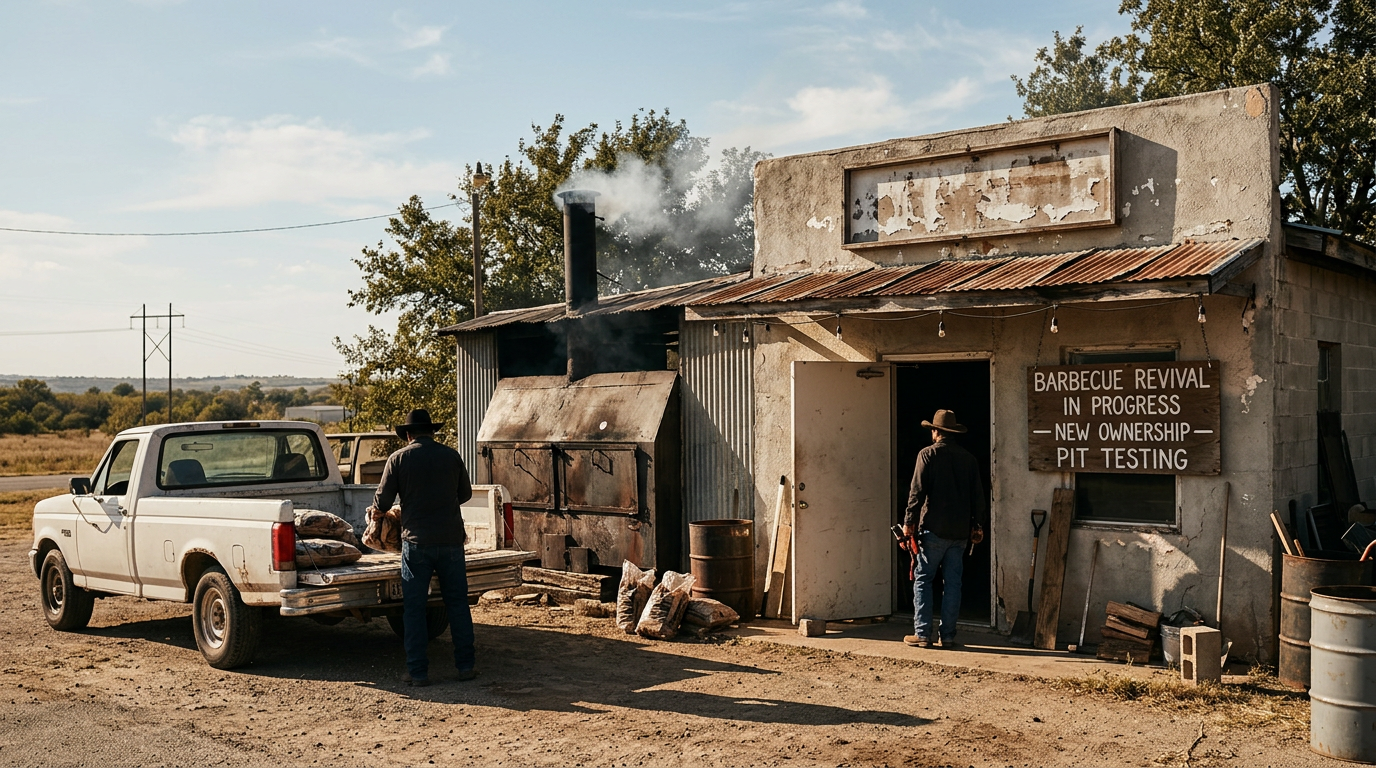
A previously closed barbecue establishment in North Texas is preparing to open its doors once again following a change in ownership. The facility, which contributed to the regional culinary landscape before its closure, will be revived by a new proprietor dedicated to maintaining the barbecue traditions of the area. This development marks a shift in the local hospitality market as vacant commercial spaces are brought back into active use. Historically, Texas has seen a surge in 'revivalist' barbecue, where legacy pits are saved from demolition by a new generation of entrepreneurs. The transition involves a handover of the physical assets and the brand identity to an entity focused on operational longevity in the competitive Texas food industry. This specific revival follows a trend where North Texas, specifically the areas surrounding the Dallas-Fort Worth metroplex, has become a battleground for high-quality smoked meats, necessitating that even revived spots maintain elite standards to survive. The reopening process is not merely about unlocking the front door; it involves a comprehensive re-evaluation of the smokehouse workflow, sourcing of local hardwoods like post oak or mesquite, and a commitment to the slow-cook methods that have defined the Lone Star State for over a century. By bringing this site back to life, the new owner is placing a significant bet on the resilience of the local dining market and the unyielding demand for authentic, wood-fired barbecue in one of the fastest-growing regions of the United States.
Texas relevance
The revival of this North Texas business is significant for the regional economy and the preservation of Texas smokehouse culture. In areas like the Dallas-Fort Worth metroplex and surrounding North Texas counties, barbecue establishments serve as more than just dining venues; they act as community hubs and drivers of local tourism. The reopening of a shuttered location prevents urban decay in commercial strips and restores sales tax revenue to the municipality, ensuring that Texas remains a premier destination for traditional pit-smoked meats. Texas leads the nation in the number of independent barbecue operations, and the health of this sector is often a bellwether for the broader retail and hospitality climate within the state. When a town loses its primary barbecue joint, it loses a piece of its social identity, making this reopening a matter of cultural restoration for the local residents who have long relied on these establishments for weekend gatherings and family traditions.
Economic Impact of Restaurant Revitalization
When a local restaurant reopens, it triggers a positive ripple effect throughout the North Texas economy. Beyond the immediate hiring of kitchen staff, servers, and management, the business requires local vendors for wood, meat, and produce. This supply chain support strengthens the agricultural links between North Texas producers and urban consumers, ensuring that Texas-grown products find a direct path to the dinner table.
Furthermore, the reactivation of a commercial kitchen space adds back to the local utility and property tax base. These funds are essential for maintaining the high standards of living and infrastructure improvements that North Texans have come to expect. The decision by a private owner to invest capital into a closed site signals market confidence in the region’s long-term financial stability and the continued appetite for brick-and-mortar dining experiences.
The employment benefits extend beyond the walls of the restaurant itself. Local contractors are often brought in for HVAC repairs, grease trap maintenance, and interior cosmetic upgrades. By avoiding a long-term vacancy, the municipality avoids the costs associated with monitoring abandoned properties and instead gains a productive partner in the local business community.
Preserving the Tradition of Texas Barbecue
Barbecue is a foundational element of the cultural fabric in Texas, and North Texas has its own distinct regional preferences that often blend Central Texas techniques with local innovations. By reviving a known location, the new owner is able to tap into existing community nostalgia while introducing modern operational efficiencies. This balance is critical for the survival of independent businesses in an era where national fast-food chains are increasingly encroaching on traditional territory.
The process of smoking meats according to Texas standards requires specialized equipment and significant time, often up to 12 to 16 hours for a single brisket. Maintaining these sites allows for the continuation of specific cooking techniques that are often passed down through generations or learned through intense apprenticeship. Reopening this venue ensures that the specific 'pit-style' identity of the neighborhood remains intact.
Crucial to this preservation is the use of offset smokers and the management of a live fire. In Texas, the 'pitmaster' is more than a cook; they are a guardian of a specific methodology. The new ownership’s commitment to this manual, labor-intensive process is what separates local Texas barbecue from mass-produced alternatives found elsewhere in the country.
Challenges and Opportunities in the Local Market
Operating a barbecue joint in North Texas involves navigating high competition and fluctuating commodity prices, particularly the cost of prime beef brisket. The new owner faces the challenge of winning back former regulars while attracting a new demographic of diners who may have moved to the area during the restaurant's period of inactivity. Success in this venture typically requires a focus on consistency, quality of ingredients, and efficient customer service.
However, the opportunities in the North Texas market are significant due to the rapid population growth in the region. As more people move to the area from across the country, the demand for authentic Texas dining experiences increases. A well-managed reopening provides the new owner with a turnkey opportunity to capture a share of this growing consumer base that views barbecue as a premium culinary experience.
Marketing in the digital age will also play a pivotal role. The new ownership will likely need to leverage social media to showcase the smoke rings on their meats and the quality of their sides. In the modern Texas barbecue scene, visual appeal is nearly as important as taste for drawing in the 'barbecue tourists' who travel across the state to sample different smokehouses.
The Role of New Ownership in Business Longevity
Succession and acquisition are natural parts of the Texas business lifecycle. While the original owners may have moved on for various reasons—ranging from retirement to financial restructuring—a fresh perspective often brings the necessary innovation to sustain a long-term operation. New ownership typically arrives with updated marketing strategies and a renewed focus on community engagement that can breathe new life into an old name.
This transition also allows for facility upgrades that may have been deferred by previous management. From aesthetic renovations to updated smoke filtration systems and more efficient POS technology, the investment made by the new owner improves the overall quality of the dining environment. These improvements help ensure the restaurant can compete effectively with newer developments in the surrounding North Texas cities.
Moreover, new owners often bring new recipes or unique takes on classic sides. Whether it is a different wood blend for the fire or a specialized coleslaw recipe, these subtle changes can redefine a restaurant's place in the market. This infusion of creativity is vital for keeping the Texas food scene dynamic and preventing it from becoming stagnant.
Regulatory Pathways for Texas Food Entities
The path to reopening a restaurant in Texas involves navigating a series of regulatory hurdles designed to ensure consumer safety and environmental compliance. New owners must secure health permits from their respective counties, which often involve rigorous inspections of refrigeration units, food storage areas, and sanitation stations. For a barbecue restaurant, fire safety is particularly scrutinized due to the use of wood-burning pits.
In addition to health and safety, the new owner must manage the administrative side of the Texas business environment. This includes obtaining a sales tax permit from the Texas Comptroller of Public Accounts and ensuring all employment law requirements are met. The state's pro-business climate generally streamlines these processes, but they remain a critical phase in the timeline between acquisition and the first day of service.
Local zoning and signage ordinances in North Texas also play a role. The new owner may choose to rebrand entirely or keep the legacy name, each of which requires different levels of paperwork and local government coordination. Navigating these bureaucratic steps successfully is the first major milestone for any new proprietor in the region.
Operational Timeline and Future Expectations
The reopening process involves several standard regulatory steps, including health inspections and permit updates common to all Texas municipalities. The community can expect a period of preparation where the facility is brought up to current codes and the staff is trained on the new menu and service protocols. This preparation phase is vital because a 'soft opening' is often used to test equipment and flow before a high-profile grand opening.
Once fully operational, the restaurant will contribute to the local evening and weekend foot traffic, supporting nearby retail and entertainment venues. The goal for many revived businesses is to become a staple of the community once again, participating in local festivals and catering regional events. This integration into the local social fabric is the ultimate measure of success for a Texas barbecue joint.
Local residents should monitor for official grand opening dates as the new management completes its final organizational steps. Historically, the reopening of a beloved smokehouse leads to significant lines on opening day, a testament to the deep-seated love Texans have for their local pits. The coming months will reveal if this new chapter can live up to the legacy of its predecessor.
Analysis
The reopening of established restaurant sites by new owners is a recurring trend in the Texas business cycle, particularly within the barbecue sector. High overhead costs, rising beef prices, and labor challenges often lead to closures, but the enduring popularity of the cuisine ensures that viable locations rarely stay vacant for long. From a pro-business perspective, this acquisition demonstrates the resilience of the Texas private sector and the continuous demand for traditional food services. It highlights a preference for revitalizing existing infrastructure rather than solely relying on new construction, which can be more cost-effective for entrepreneurial growth within the state. This move suggests that the new owner sees systemic value in the location despite the previous operator's exit, indicating that the 'barbecue bubble' frequently cited by national critics has yet to burst in the heart of Texas.
Source attribution
This story was reported using a public release from the Texas Food Stories (Google News). Keep TX Red rewrote the coverage independently and links to the official statement for verification.
Frequently Asked Questions
- Where is this barbecue restaurant located?
- The restaurant is situated in the North Texas region, an area characterized by a strong barbecue culture and significant population centers like Dallas and Fort Worth.
- Why did the original restaurant close?
- The specific internal reasons for the previous closure were not detailed in the public announcement, though such closures are common due to economic fluctuations or management changes.
- Will the menu stay the same under new ownership?
- The new owner is dedicated to maintaining Texas barbecue traditions, though specific menu changes often accompany a management transition to ensure the business remains competitive.
- How does a reopening benefit the local Texas community?
- Beyond providing food, it creates local jobs, generates sales tax for the city, and supports Texas-based agricultural suppliers who provide the meat and wood.
- What is the typical timeline for a restaurant reopening in North Texas?
- The process can take several months as the new owner must finalize inspections, secure permits, and train new staff members before the grand opening.
Official Sources
Take the next step
Browse the Newsroom →Read more about Keep Texas Red → Our full guide to what Keep Texas Red means and why Texans support it.
Related Articles

Get Texas updates delivered weekly.
Independent Texas reporting on politics, policy, and daily life. One email a week. Unsubscribe anytime.
Keep TX Red Newsroom
The Keep Texas Red Editorial Staff produces nonpartisan explainers, policy breakdowns, and educational resources to help Texans understand how their government works. All content is reviewed for accuracy and updated regularly.
About Keep TX Red →