Austin Resale Guide: The Best Consignment Shops to Maximize Your Returns This Year
Discover the best strategies for selling clothes in Austin. Compare Pavement, Buffalo Exchange, and Cheapskate to get the highest cash payouts.
Editorial disclaimer: Opinions and analysis on Keep TX Red are editorial content — not statements of fact. See our editorial standards.
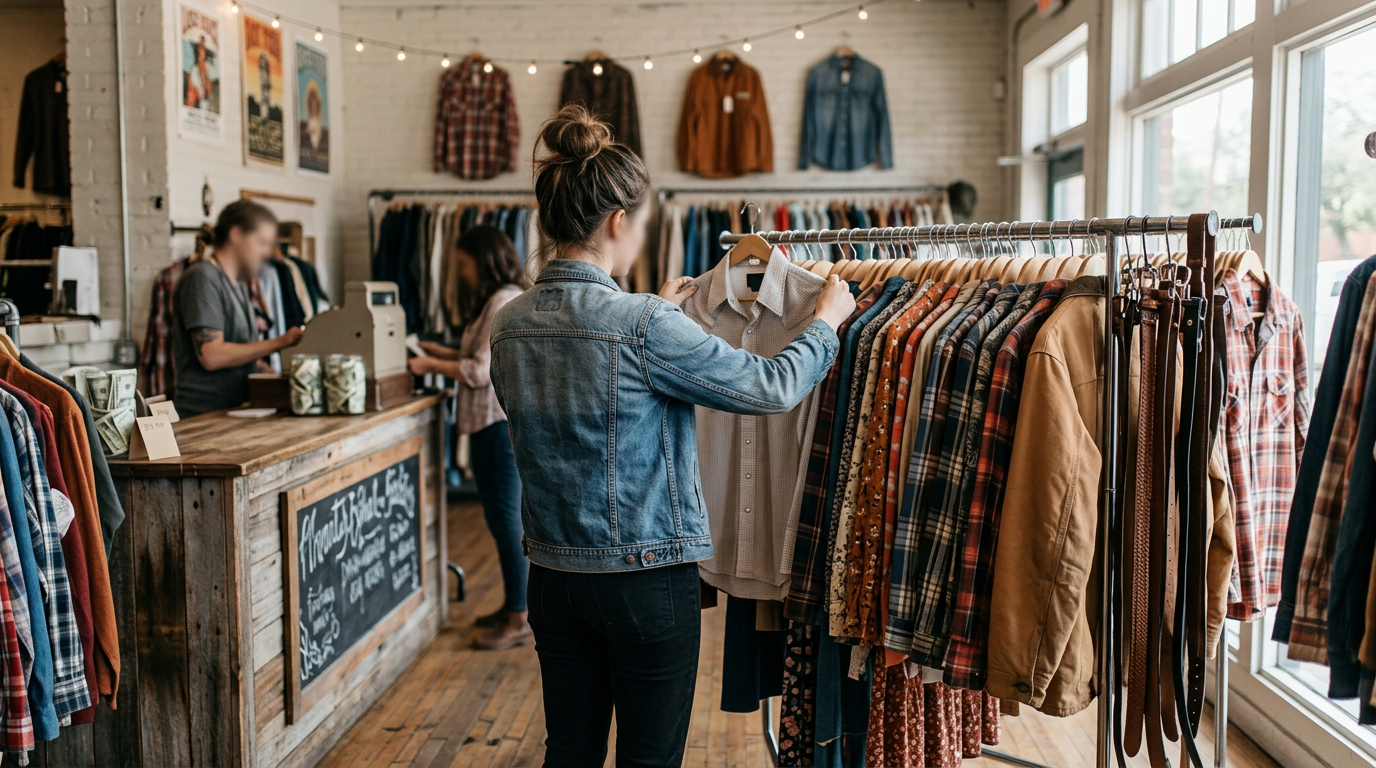
The resale market in Austin, Texas, has experienced a significant surge as residents look to monetize their high-quality wardrobes while embracing sustainable fashion trends. For those looking to clear out their closets, the local market offers several distinct venues, each with its own niche and payout structure. While the city has a long history of supporting independent thrift and vintage shops, the current competitive landscape is dominated by a few key players: Pavement, Buffalo Exchange, and Cheapskate. Determining where to sell requires an understanding of how these businesses evaluate inventory, the difference between cash offers and store credit, and the specific 'vibe' each store looks for during the appraisal process. Historically, Austin has prided itself on 'Keeping Austin Weird' through eccentric fashion, and that legacy continues today via a robust secondary clothing market that serves both budget-conscious students and high-end vintage collectors. Successfully navigating these shops involves more than just dropping off a bag of old items. Savvy sellers often utilize a tiered strategy, visiting multiple locations in a specific order to ensure they receive the maximum possible return for their garments. Because each buyer has different preferences based on current inventory needs and seasonal trends, a piece rejected at one store might be a high-demand item at another. This process reflects a broader economic shift in Texas urban centers where pre-owned luxury and curated streetwear have become staples of the local economy. As the cost of living in Central Texas continues to fluctuate, many locals are turning to these resale powerhouses to supplement their income or fund their next season's wardrobe upgrades through trade-in programs.
Texas relevance
Austin, Texas, serves as the primary hub for this resale activity, particularly along the Guadalupe Street corridor—often referred to as 'The Drag'—and within the South Congress and North Loop neighborhoods. These areas represent the heart of the Texas thrift scene, influencing fashion trends across the state. The economic impact is localized, as these businesses provide jobs and specialized career paths for fashion curators and buyers within the Austin metro area. Furthermore, the resale cycle supports Texas-based circular economy initiatives by reducing textile waste in local landfills, a priority for the City of Austin’s zero-waste goals. Understanding the nuances of these specific Austin businesses is essential for any resident looking to participate in the local retail ecosystem.
Understanding the Pavement Model
Pavement has established itself as a cornerstone of the Austin resale scene by focusing heavily on high-impact vintage pieces and modern streetwear. Their buying process is known for being relatively selective, as they prioritize items that fit a specific 'indie' or 'edgy' aesthetic. When sellers bring items to Pavement, they are typically met with buyers who look for unique silhouettes, brand-name labels from recent seasons, and authentic vintage from the 1970s through the early 2000s.
One of the primary benefits of selling at Pavement is their transparent payout system. They often offer a significant percentage of the estimated resale value in store credit, which is ideal for those looking to refresh their closet. For those seeking cash, the percentage is lower but remains competitive with other Central Texas outlets. The store's atmosphere is fast-paced, reflecting the high volume of trade that occurs daily near the university campus.
To get the best results at Pavement, sellers should ensure their clothes are freshly laundered and neatly folded. The buyers at this location are particularly sensitive to condition; even the rarest vintage item may be passed over if it shows excessive wear, odors, or staining. Seasonal relevance is also critical, as the store has limited warehouse space and prefers to buy items that can hit the sales floor immediately.
The Legacy of Buffalo Exchange
Buffalo Exchange is perhaps the most recognizable name in the resale world, and its Austin location is no exception. As a pioneer in the 'buy-sell-trade' industry, Buffalo Exchange has a very standardized approach to buying. They look for a mix of current trends, designer labels, and 'bread and butter' basics. Unlike smaller boutiques, Buffalo Exchange targets a wider demographic, making it a good second stop for items that might be too conservative for more niche stores.
The payout at Buffalo Exchange is usually consistent: 30% of the assigned selling price in cash or 50% in store credit. This predictable model allows sellers to estimate their earnings before they even walk through the door. However, because they are a national brand, their buyers sometimes follow corporate trend reports that may or may not align perfectly with the hyper-local Austin fashion sense at any given moment.
Sellers often find that Buffalo Exchange is more likely to take 'middle-market' brands like Madewell, J.Crew, or Zara. While they do appreciate vintage, it is not always their primary focus. This makes them an essential stop for the average Austinite who is cleaning out a closet filled with high-street fashion rather than specialized collectors' items. Their location on 29th Street makes them easily accessible for those already shopping in the central city area.
Cheapskate: The Value Alternative
Cheapskate has rapidly grown in popularity among Austin residents who want a no-nonsense selling experience. While it may not have the long-standing history of Buffalo Exchange, it offers a fresh perspective on the resale market. The store tends to be slightly less picky about 'high-fashion' labels and more focused on current, wearable styles that appeal to a broad consumer base. This makes it an excellent destination for those selling items from popular fast-fashion retailers.
The buying philosophy at Cheapskate is often described as more inclusive. If a garment is in good condition and fits a current trend, there is a high likelihood they will make an offer. This 'high-volume' approach is beneficial for sellers who have a large quantity of clothing and want to move as much of it as possible in a single transaction. It serves as a great safety net for items that were rejected by more 'editorial' shops like Pavement.
In terms of payouts, Cheapskate remains competitive with the Austin market standard. They provide an efficient check-in process where sellers can often leave their items and return later in the day, which is a major convenience for busy locals. As the Austin resale market continues to evolve, Cheapskate represents the shift toward democratized fashion where utility and trendiness are valued equally alongside brand names.
Developing a Tiered Selling Strategy
To maximize profit, expert Austin sellers recommend a tiered strategy. The first step involves sorting clothes into categories: high-end vintage, modern trends, and basic essentials. The seller should then visit the most selective store first—usually Pavement or a high-end consignment boutique. By letting the most discerning buyers pick through the haul first, the seller ensures they get the highest possible price for their best items.
The remaining items should then be taken to Buffalo Exchange, where the focus shifts to brand-name recognition and broader appeal. Finally, whatever is left over can be brought to Cheapskate. This 'trickle-down' method ensures that the seller isn't leaving money on the table by selling a high-value vintage piece to a store that primarily deals in fast fashion and might undervalue the item's historical significance.
Whatever is rejected by all three major players is usually best served by being donated to a local Austin non-profit like Treasure City Thrift or the Salvation Army. This ensures that the clothes stay within the local community and benefit those in need, rather than ending up in a landfill. By following this systematic approach, Austin residents can turn their unwanted clothing into a consistent source of supplemental cash or credit.
Preparation and Presentation Tips
Presentation in the resale world is often just as important as the items themselves. In Austin’s competitive market, buyers are looking for reasons to say 'no' to keep their inventory manageable. To flip the script, sellers should present their items in bins or reusable bags rather than trash bags, which can signal that the contents are 'garbage.' Clothing should be wrinkle-free and, ideally, folded neatly so the buyer can see the silhouette of the garment immediately.
Being aware of the calendar is another crucial factor. While Texas weather can be unpredictable, Austin buyers generally follow the retail calendar. Selling heavy winter coats in July is unlikely to yield a high payout, as the store will have to store those items for months before they can be sold. Timing visits to align with the start of a new season—such as bringing in spring dresses in February—greatly increases the chances of a successful sale.
Lastly, don't be afraid to engage with the buyers. Asking why an item was passed over can provide valuable intelligence for future selling trips. Austin’s resale community is relatively small, and building a rapport with local buyers can sometimes lead to tips on what trends they are currently hunting for, allowing the seller to source or curate their own closet more effectively in the future.
Analysis
The preference for shops like Pavement over Buffalo Exchange often comes down to the speed of the payout and the perceived 'curation' level. While Buffalo Exchange is a national chain with established corporate guidelines, Pavement offers a grit and local flair that often appeals to the younger, trend-focused demographic of UT Austin students. Cheapskate has carved out a niche by offering a middle ground, often accepting items that might be too 'mainstream' for Pavement but too 'modern' for a specialty vintage shop. The 'tiered' selling method—starting at the most selective store and working down—is the most efficient way for Texans to handle personal inventory liquidation.
Source attribution
This story was reported using a public release from the r/austin. Keep TX Red rewrote the coverage independently and links to the official statement for verification.
Frequently Asked Questions
- What is the typical cash vs. trade percentage in Austin stores?
- Most Austin resale shops like Buffalo Exchange and Pavement offer around 25-35% of the resale price in cash, while store credit usually jumps to 50%. This makes trading-in the more lucrative option if you plan on shopping for new clothes anyway.
- Do I need an appointment to sell clothes at these Austin locations?
- Policies vary, but most major Austin shops like Pavement and Buffalo Exchange operate on a first-come, first-served walk-in basis. However, they may close their 'buy counter' early if they reach capacity, so it is always best to arrive within the first few hours of opening.
- What should I do with clothes that Pavement, Buffalo, and Cheapskate won't take?
- If these major players pass on your items, consider local Austin charities. Treasure City Thrift or Casa Marianella are great local options that keep the items or proceeds within the Central Texas community.
Official Sources
Take the next step
Browse the Newsroom →Read more about Keep Texas Red → Our full guide to what Keep Texas Red means and why Texans support it.
Related Articles


Get Texas updates delivered weekly.
Independent Texas reporting on politics, policy, and daily life. One email a week. Unsubscribe anytime.
Keep TX Red Newsroom
The Keep Texas Red Editorial Staff produces nonpartisan explainers, policy breakdowns, and educational resources to help Texans understand how their government works. All content is reviewed for accuracy and updated regularly.
About Keep TX Red →