Lone Star Influence: How Texas Flavors are Dominating National Fast Food Menus
A new market report highlights the expansion of Texas-style smokehouse flavors and brisket items across the national quick-service restaurant industry.
Editorial disclaimer: Opinions and analysis on Keep TX Red are editorial content — not statements of fact. See our editorial standards.
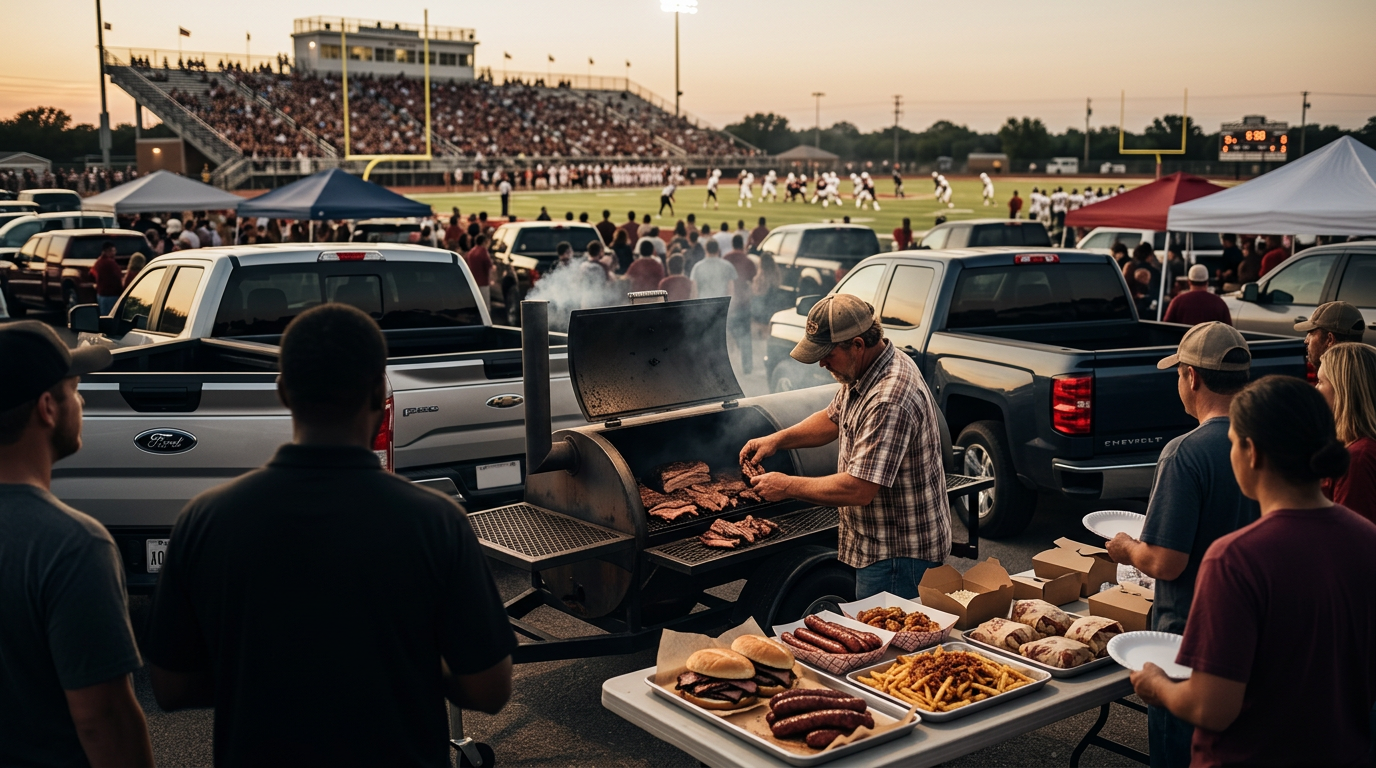
In July 2026, market analysis from Trend Hunter identified a significant shift in the quick-service restaurant (QSR) sector toward Texas-inspired menu items. Major fast-food chains are increasingly looking to the Lone Star State for flavor profiles that emphasize smokehouse preparation, heavy dry rubs, and brisket-centric proteins. This movement represents a departure from standard nationwide menus, as corporations attempt to leverage the cultural prestige associated with authentic Texas barbecue. Historically, regional flavors were often confined to local chains, but the current trend shows these specific Texas culinary hallmarks being standardized for a global audience to meet rising consumer demand for hearty, smoke-infused options. The historical precedent for this trend can be traced back to the early 2010s when Texas-style barbecue began its climb from local pride to national obsession through social media and food television. Prior actions by niche gourmet burger chains introduced 'Texas Burgers' loaded with chili or hickory sauce, but the current movement involves deep-tier integration of slow-cook brisket and dry-rub mechanics. This evolution mirrors how Cajun or Southwestern flavors were categorized in previous decades, yet the Texas brand has proven uniquely resilient and high-performing in competitive market testing.
Texas relevance
Texas serves as the undisputed origin point for the flavors currently sweeping the national QSR market. The expansion of these menus has direct implications for Texas-based agriculture and the state's beef industry, as increased demand for brisket and specific wood types used in smoking can impact local supply chains. For Texans, this trend validates the state's cultural exports while also raising questions about the authenticity of 'Texas-Style' marketing when applied to mass-produced fast food. The state's unique position as both a top beef producer and a culinary leader ensures that the proliferation of these menus will continue to affect Texas business interests and brand identity on a global scale. Furthermore, the economic health of rural Texas communities is often tied to the price of cattle, and the global appetite for brisket directly influences local ranching profitability. As suburban areas in North and Central Texas continue to host the headquarters of several major food conglomerates, the development of these menu items often begins in Texas-based research and development labs. This creates a feedback loop where Texas culture is industrialized and sold back to the rest of the world.
The Evolution of Brisket in Fast Food
Historically, brisket was considered a difficult protein for quick-service restaurants to implement due to the long cook times required for tenderness. However, advancements in food technology and pre-smoking processes have allowed national brands to replicate a version of this Texas staple at scale. By utilizing central kitchens and flash-freezing techniques, chains are now able to provide a product that mimics the bark and smoke ring traditionally found only in Texas smokehouses.
This shift has transformed brisket from a niche regional specialty into a mainstream menu item featured on sandwiches, tacos, and loaded fries across the country. The move is driven by consumer data suggesting that modern diners value regional authenticity and bold, savory profiles. As more brands adopt these items, the 'Texas' label has become a shorthand for high-quality, slow-cooked meat that appeals to a wide demographic beyond the state's borders.
The supply chain logistics for this movement are staggering. In the past, brisket was primarily a seasonal item for large chains, often reserved for summer promotions. Now, data indicates it is becoming a permanent fixture on year-round boards, requiring massive long-term contracts with suppliers. This puts Texas at the center of the global protein trade as the primary reference point for quality standards.
Smokehouse Profiles and Dry Rub Innovation
Beyond the meat itself, the specific spice profiles associated with Texas barbecue are being integrated into various fast-food snacks and side dishes. Black pepper, garlic powder, and paprika—staples of Central Texas rubs—are now frequently found in the seasoning of fries, chicken coatings, and dipping sauces. This allows brands to offer a 'Texas' experience even in items that do not contain beef.
Trend Hunter reports that the use of 'smoke' as a primary flavor note has seen a marked increase in menu descriptions. Rather than just offering 'sweet BBQ' sauces, which are more common in Kansas City or Memphis styles, current QSR trends favor the savory, salty, and wood-smoke notes native to the Lone Star State. This transition reflects a sophisticated palate shift among consumers who are seeking more savory depth in their quick-service meals.
This innovation has lead to the rise of 'liquid smoke' alternatives and aromatic seasonings that can provide the olfactory experience of a charcoal pit without the infrastructure. While this allows for rapid prep in tight commercial kitchens, it also creates a new category of 'BBQ-flavored' items that are distinct from smoked meat, yet trade heavily on the Texas aesthetic. This has sparked a new wave of seasoning R&D across the industry.
The Rise of Texas Toast and Jalapeño Additions
The Texas influence extends to the bread and garnishes served in the fast-food environment. The use of 'Texas Toast'—thick-cut bread buttered and grilled—has become a standard vehicle for burgers and breakfast sandwiches nationwide. Its ability to hold up under the weight of heavy sauces and toppings makes it an ideal choice for the hearty portions typically associated with Texas dining.
Additionally, the integration of pickled jalapeños and spicy queso reflects the Tex-Mex influence that often overlaps with Texas barbecue traditions. By combining these elements, QSR brands are creating a hybrid 'Texas-style' menu that emphasizes heat, volume, and richness. This specific combination of ingredients has proven popular in driving limited-time offers and seasonal promotions.
The use of these ingredients acts as a bridge between BBQ and Tex-Mex categories. Many chains are finding that a 'Texas' theme allows them to cross-over into both territories, offering items like brisket quesadillas or jalapeño-cheddar burgers. This versatility is a major reason corporate chefs are leaning into the Texas palette more than any other regional style.
Economic Impact on the Texas Beef Industry
The nationalization of Texas-style menus creates a substantial ripple effect through the Texas agricultural sector. As demand for brisket peaks in markets far removed from the Southwest, Texas cattle ranchers face a changing landscape for their products. The increased valuation of what was once considered a 'throwaway' cut of beef has altered the economics of livestock production.
Furthermore, the branding of these products often relies on the 'Texas' name to command a premium price. This has led to a push for clearer labeling and sourcing standards to ensure that products marketed as 'Texas-style' maintain some level of connection to the state’s actual livestock industry. The balance between massive corporate scaling and the preservation of the Texas brand remains a key concern for local producers.
When a national brand orders millions of pounds of brisket, it can cause immediate price spikes at the retail level. Local families often find themselves paying more at the local butcher because the supply is being diverted to fulfill major fast-food contracts in other states. This illustrates the complex nature of being a global culinary leader—the more successful the brand, the harder it is to keep local prices affordable.
Corporate Strategy and Regional Authenticity
Major corporations are using Texas-style menus as a strategic tool to combat 'menu fatigue.' By introducing items that carry a strong regional identity, they can create a sense of novelty and premium quality without completely overhaul their supply chains. The adoption of these flavors is often accompanied by marketing campaigns that lean heavily on Texas imagery.
However, the risk of 'Texas-washing'—applying the label to products that bear little resemblance to authentic Texas food—is a significant concern for culinary purists. As the trend continues to grow, there is an increasing divide between artisanal smokehouses and mass-market QSR versions. This tension highlights the power of the Texas brand and the challenges of maintaining its integrity.
Industry experts suggest that the next phase of this trend will involve 'hyper-regional' marketing, where chains specify they are using 'Hill Country' or 'East Texas' styles. This move toward specificity is an attempt to stay ahead of consumer skepticism. As diners become more educated about BBQ traditions, the simple label of 'Texas' may no longer be enough to convince them of a product's value.
Future Outlook: The Permanent Texas Fixture
Looking toward the end of the decade, it appears that the 'Texas-style' menu is not a passing fad but a systemic shift in how American fast food is designed. The infrastructure developed to transport smoked meats across state lines is now being solidified. We are seeing more investments in wood-burning smoker facilities that serve regions rather than individual restaurants, bringing a more authentic flavor to the mass market.
As Texas continues to grow in population and political influence, its cultural shadow grows longer. The food industry is simply following the people and the prestige. Whether it is through the lens of agriculture or consumer branding, the Texas flag will likely remain a fixture in the fluorescent windows of fast-food restaurants from coast to coast for the foreseeable future.
For the Texas business owner, this represents both competition and opportunity. There is a burgeoning market for Texas-made sauces, rubs, and accessories as home cooks try to replicate the 'Texas-style' meals they see advertised. The explosion of the QSR trend is essentially a massive, free advertising campaign for the entire state's culinary economy.
Analysis
The 'Texas-ification' of national fast food is a double-edged sword for the state's heritage. On one hand, it represents the ultimate soft-power victory for the Texas brand; the world views the word 'Texas' as synonymous with quality and boldness. On the other hand, the mass-marketization of brisket commodifies a labor-intensive craft. When a multi-thousand-unit chain claims to serve 'pit-smoked' meat, it challenges the business model of traditional family-owned smokehouses in cities like Lockhart or Taylor. This trend suggests that while Texas culture is a dominant force in modern American life, the preservation of its authenticity will require consumers to distinguish between corporate imitation and true artisanal craft.
Source attribution
This story was reported using a public release from the Texas Food Stories (Google News). Keep TX Red rewrote the coverage independently and links to the official statement for verification.
Frequently Asked Questions
- What defines a 'Texas-style' QSR menu item?
- Typically, these items feature brisket, heavy smoke flavors, dry rubs (often pepper-based), and components like Texas Toast or jalapeños. Unlike other BBQ styles, the Texas profile focuses more on the meat and the smoking process than on sweet, thick sauces.
- Why is brisket becoming more common in fast food?
- Improved food processing and preparation techniques allow large-scale chains to serve tender brisket quickly. This was previously difficult due to the long cooking times required for the meat, but central smoking facilities have made it viable for the quick-service model.
- How does this trend affect the price of beef in Texas?
- Increased national demand for brisket can drive up the wholesale price of the cut, which may result in higher prices for consumers at local Texas barbecue restaurants and grocery stores as they compete with national chains for the same supply.
Official Sources
Take the next step
Browse the Newsroom →Read more about Keep Texas Red → Our full guide to what Keep Texas Red means and why Texans support it.
Related Articles


Get Texas updates delivered weekly.
Independent Texas reporting on politics, policy, and daily life. One email a week. Unsubscribe anytime.
Keep TX Red Newsroom
The Keep Texas Red Editorial Staff produces nonpartisan explainers, policy breakdowns, and educational resources to help Texans understand how their government works. All content is reviewed for accuracy and updated regularly.
About Keep TX Red →