Lone Star Flavors: San Antonio Media Spotlights All-Day Brunch and Barbecue Gems
Texas Eats highlights the best in local culinary trends, focusing on the state's iconic barbecue traditions and the rise of all-day brunch culture.
Editorial disclaimer: Opinions and analysis on Keep TX Red are editorial content — not statements of fact. See our editorial standards.
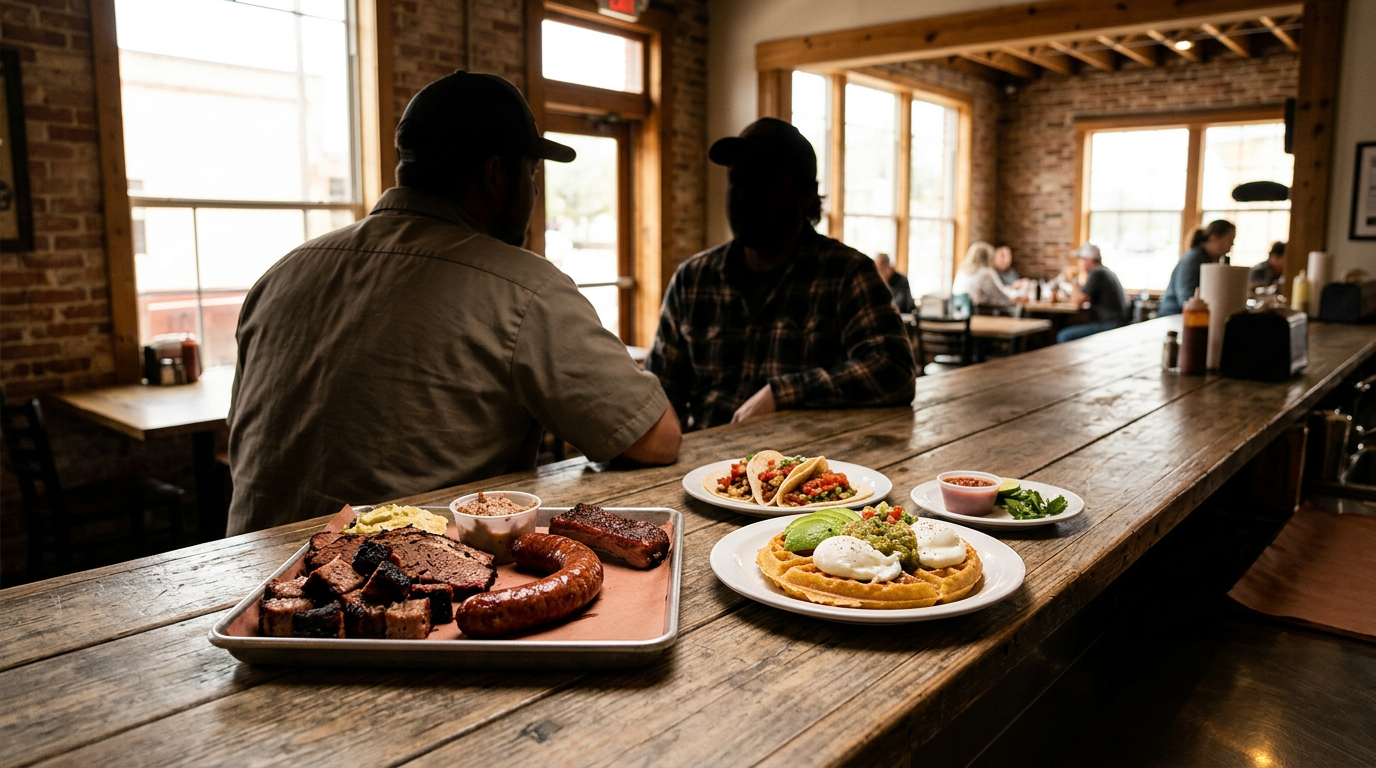
Recent coverage by the culinary program Texas Eats, hosted by David Elder and broadcast on KSAT, has turned its lens toward two staples of the modern Texas palate: traditional award-winning barbecue and the expanding world of all-day brunch. Historically, Texas food culture was defined largely by its regional meat processing and cattle history, but the modern era has seen a diversification where breakfast-centric menus now compete with traditional lunch staples. This recent segment showcases how Texas eateries are blending these influences to serve local communities throughout the day. The state has long been the epicenter of smokehouse culture, dating back to the late 19th century when European immigrants established meat markets in Central Texas. However, the current media focus on 'brunch bites' signals a new chapter in the Texas culinary story, highlighting a shift toward artisan smaller-plate offerings that coexist alongside heavy, traditional smoked meats.
Texas relevance
For residents in San Antonio and the broader South Texas region, these spotlights serve as a vital economic and cultural guide. Texas has seen a massive surge in food-related tourism, where local 'mom and pop' establishments become major drivers of foot traffic in specific neighborhoods. By highlighting award-winning barbecue, the program reinforces the status of Texas as a primary destination for pitmaster excellence, while the focus on brunch highlights a shifting work-life dynamic in cities like San Antonio where non-traditional meal times are becoming the norm. The relevance is further underscored by the fact that the hospitality industry is a primary employer in the San Antonio metro area, and local media recognition acts as a catalyst for sustainable business growth in an increasingly competitive market.
The Evolution of Texas Barbecue Recognition
Texas barbecue has transitioned from a local necessity into an internationally recognized craft. The 'award-winning' status mentioned in recent coverage often refers to the highly competitive nature of Texas pitmaster rankings, which can significantly alter the trajectory of a small business. These accolades are rarely given lightly, often requiring years of perfecting smoke profiles and meat sourcing techniques. The prestige associated with being featured on programs like Texas Eats mirrors the state's own growing reputation as a global culinary destination.
In the context of the recent features, the emphasis on barbecue remains a cornerstone of the state's identity. Many of the celebrated locations utilize post oak or mesquite wood, reflecting the varying geographic resources found across different regions of Texas. This dedication to authentic preparation methods ensures that the cultural legacy of the Texas smokehouse survives even as urban populations grow and change. The preservation of these techniques is a point of pride for many San Antonio area pitmasters who view their work as a form of cultural stewardship rather than just food service.
The Rise of All-Day Brunch Culture
While barbecue is an established tradition, the rise of all-day brunch in Texas reflects a changing demographic and lifestyle shift. Cities like San Antonio are seeing a surge in establishments that specialize in morning-style dishes served late into the afternoon. This trend caters to a diverse workforce and a younger demographic that values flexibility and a community-focused dining atmosphere. It also represents an evolution in how culinary spaces are utilized, allowing restaurants to maximize their operating hours while meeting a growing demand.
The brunch phenomenon in Texas often incorporates local flavors, such as breakfast tacos or jalapeño-infused dishes, creating a unique fusion that separates the Texas brunch scene from other national trends. By focusing on these 'brunch bites,' media outlets are recognizing a legitimate shift in how Texans occupy social spaces, moving away from the formal three-meal structure of previous generations. This trend is particularly evident in redeveloped areas like the Pearl District or Southtown, where brunch has become the primary social activity for weekend residents.
Impact of Local Media on the Food Economy
The role of David Elder and the KSAT production team goes beyond entertainment; it acts as a catalyst for local economic development. When a restaurant is featured on a major Texas news affiliate, it frequently experiences a surge in patronage that can sustain operations for months. This 'halo effect' is particularly important for vendors who rely on high-volume weekend traffic to offset the costs of premium ingredients like brisket. The visibility awarded to these entrepreneurs helps stabilize the local economy by keeping consumer dollars within the community.
Furthermore, by documenting these food stories, local media creates a digital archive of the state's cultural evolution. As developers look to revitalize downtown areas or historic districts, the presence of featured dining establishments serves as an anchor. This ensures that even as Texas cities modernize, they maintain a connection to the culinary roots that define the state's unique character. The synergy between media coverage and urban development continues to play a major role in the transformation of San Antonio’s commercial corridors.
A Diversifying Palate in San Antonio
San Antonio, as a hub for both the barbecue and brunch movements, serves as a microcosm for the state. The city's designation as a UNESCO Creative City of Gastronomy is reinforced by media features that highlight the breadth of its food options. From traditional pit-smoked meats to modern artisanal breakfast plates, the variety reflects a city that is comfortable with its past but eager to experiment with new concepts. This duality is what attracts millions of visitors to South Texas each year.
These dining trends also reflect the broader demographic shifts in Texas. As more people move to the state from across the country, the demand for varied dining experiences increases. Yet, the persistent popularity of barbecue indicates that the core of Texas culture remains resilient and continues to integrate new influences without losing its original identity. The ability of San Antonio restaurateurs to balance these competing interests is a testament to the city’s culinary maturity.
The Pitmaster’s Craft and Community Ties
Barbecue in Texas is more than just a menu item; it is often the center of a local community. Many of the award-winning locations featured in media stories are family-owned businesses that have been in operation for decades. The labor-intensive process of tending to a fire for 12 to 16 hours creates a product that cannot be easily replicated by industrial means, which is why Texans are willing to wait in line for hours for a specific slice of brisket. This artisanal approach is a pushback against the fast-food culture prevalent in other parts of the country.
This commitment to quality over speed is a recurring theme in local food coverage. It highlights a specific Texas value: the belief that some things are worth doing slowly and correctly. These pits often become gathering places where neighbors meet, reinforcing social bonds through shared culinary experiences. As long as these traditions are spotlighted by programs like Texas Eats, the connection between Texas heritage and the dinner table will remain unbroken for future generations.
Historical Context of Texas Smoke and Flavor
The historical roots of Texas barbecue are deep, originating from the necesidad-based cooking of vaqueros and the meat preservation techniques brought by German and Czech settlers. This foundation created a style that emphasizes the flavor of the meat over heavy sauces, a distinction that remains a point of pride for Texas pitmasters today. Understanding this history is crucial to understanding why award-winning barbecue carries such weight in the modern media landscape.
Similarly, the brunch culture draws on the long-standing tradition of the 'Texas breakfast,' which has always been hearty and central to the workday. However, the transition to 'brunch' signifies the urbanization of Texas. What was once a quick meal before heading to the ranch or the oil field has become a leisurely event that defines the weekend rhythm of the city. This evolution reflects the broader economic transformation of the state from an agrarian society to a diverse urban powerhouse.
The Stakeholders of the San Antonio Food Scene
The stakeholders in this narrative include not only the restaurant owners and chefs but also the local farmers and suppliers who provide the raw ingredients. The 'Texas Eats' spotlight often trickles down to these suppliers, as featured chefs frequently credit local ranchers for the quality of their beef or local bakeries for their brunch breads. This creates a circular economy that benefits the entire region, reinforcing the importance of localized supply chains in the face of global economic pressures.
Additionally, the consumers themselves are major stakeholders. In a state where identity is so closely tied to food, residents take an active role in the success of their local favorites. The feedback loop between media coverage and consumer behavior creates a dynamic environment where only the highest quality establishments thrive. This competitive but supportive ecosystem is what allows San Antonio to maintain its status as a top-tier destination for food lovers from across the globe.
Analysis
Opinion: The prioritization of local food coverage in major media markets reflects a broader Texas trend of state pride through regional identity. While national chains continue to expand, the 'Texas Eats' model suggests that the local consumer remains fiercely loyal to independent operators who master the specific nuances of Texas barbecue. This media attention provides small businesses with 'earned media' that is often more valuable than traditional advertising, especially for those located in smaller towns or emerging urban districts. The rise of brunch coverage specifically suggests that the Texas media is adapting to a changing workforce—one that is less tied to the 9-to-5 schedule and more interested in the social benefits of communal dining during daylight hours.
Source attribution
This story was reported using a public release from the Texas Food Stories (Google News). Keep TX Red rewrote the coverage independently and links to the official statement for verification.
Frequently Asked Questions
- What is the focus of the Texas Eats program?
- Texas Eats, hosted by David Elder on KSAT, focuses on exploring the diverse culinary landscape of Texas, frequently featuring local restaurants, pitmasters, and unique food trends like all-day brunch.
- Why is Texas barbecue frequently described as 'award-winning'?
- Texas barbecue is highly competitive, with numerous state and national publications, such as Texas Monthly, ranking pits based on quality, smoke, and texture. These rankings are highly prestigious and drive significant tourism.
- How has the Texas dining scene changed in recent years?
- The scene has moved toward more flexible dining options, such as all-day brunch, while maintaining a strong foundation in traditional barbecue. This reflects shifting lifestyles and a growing variety in the Texas population.
- Which Texas city is most frequently featured in this coverage?
- While the program covers the entire state, San Antonio is a primary focus due to its rich culinary history, its status as a UNESCO City of Gastronomy, and its location as the home base for KSAT.
Official Sources
Take the next step
Browse the Newsroom →Read more about Keep Texas Red → Our full guide to what Keep Texas Red means and why Texans support it.
Related Articles

Get Texas updates delivered weekly.
Independent Texas reporting on politics, policy, and daily life. One email a week. Unsubscribe anytime.
Keep TX Red Newsroom
The Keep Texas Red Editorial Staff produces nonpartisan explainers, policy breakdowns, and educational resources to help Texans understand how their government works. All content is reviewed for accuracy and updated regularly.
About Keep TX Red →