Legacy of the Pitch: How the World Cup Transformed the Modern Landscape of Downtown Dallas
A look back at the historic arrival of the World Cup in Dallas and the lasting impact on North Texas urban infrastructure and sports culture.
Editorial disclaimer: Opinions and analysis on Keep TX Red are editorial content — not statements of fact. See our editorial standards.
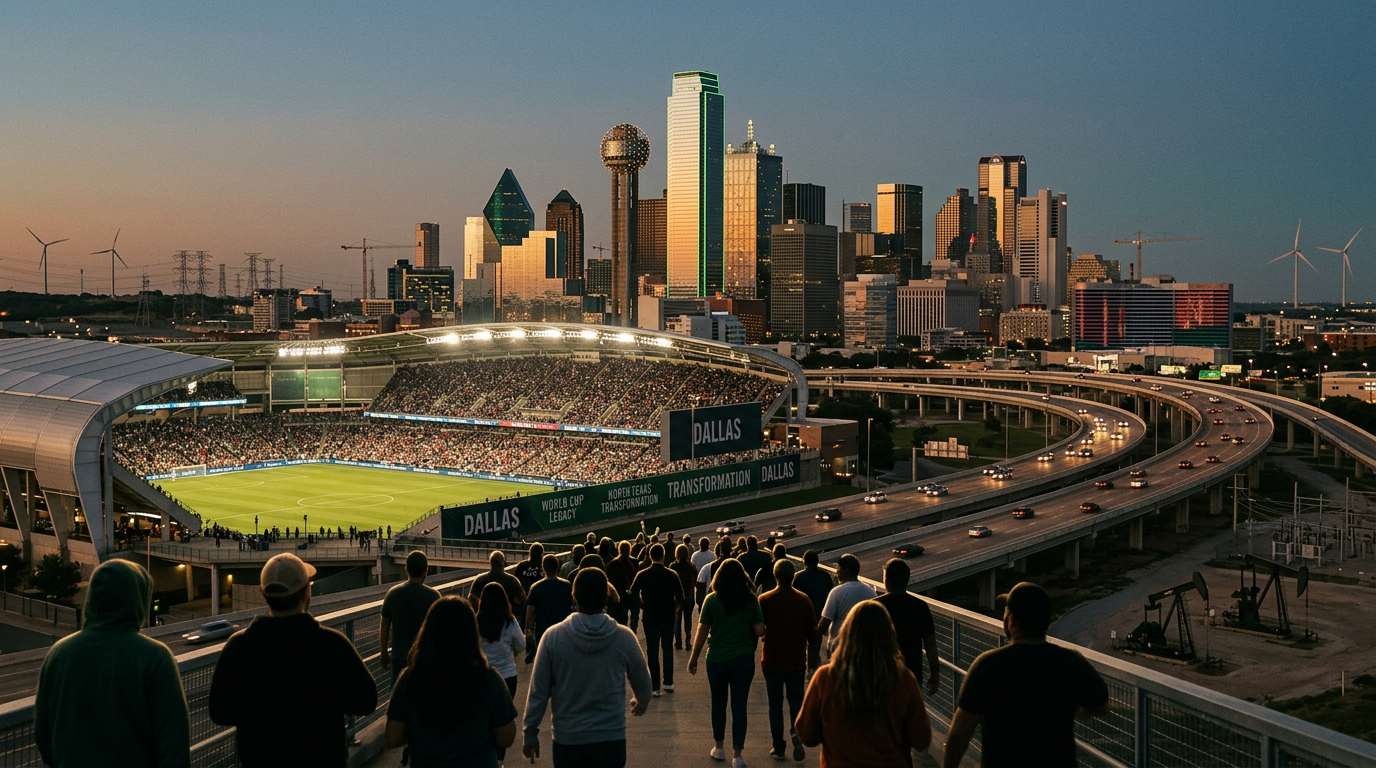
The history of major international soccer in North Texas is a narrative of rapid urban evolution and cultural integration. Decades ago, the prospect of Dallas serving as a global hub for the World Cup seemed like a logistical impossibility, yet the city has repeatedly proven its capacity to host the most-watched sport on the planet. This transformation began in earnest during the 1994 tournament and has reached a fever pitch as the region prepares for future international fixtures. The arrival of the global community to the streets of Downtown Dallas represents more than just a series of soccer matches; it symbolizes the city’s transition from a regional business hub into a cosmopolitan metropolitan center capable of managing the eyes of billions of viewers. Residents recently revisited this history through archival glimpses of when the world arrived at Dallas’s doorstep, highlighting the vibrant atmosphere that once filled the city center.
Texas relevance
Texas serves as the primary gateway for international sports in the southern United States, with Dallas and Houston frequently competing for the most prestigious tournament placements. For North Texas, the World Cup is not merely a sporting event but a catalyst for massive infrastructure projects, including transportation upgrades and luxury hospitality developments. The economic footprint of these events in Dallas is measured in the hundreds of millions of dollars, influencing local tax revenue and small business growth from Deep Ellum to the Arts District. As the state continues to attract major global organizations, the precedent set by these historical crowds ensures that Texas remain a top-tier destination for international investment and tourism.
The Architectural Backdrop of the Global Game
The juxtaposition of high-rise corporate architecture and the festive, grassroots energy of soccer fans creates a unique visual identity for Dallas. When thousands of supporters from diverse nations congregate in the shadow of the Reunion Tower or the Bank of America Plaza, it creates a clash of cultures that defines modern Texas. The city's skyline, often seen as a symbol of the oil and finance industries, takes on a new meaning when it serves as the perimeter for international fan zones.
Over the years, the physical structures of the city have adapted to accommodate these massive crowds. From the renovation of the historic Cotton Bowl to the state-of-the-art developments at AT&T Stadium, the region’s commitment to providing world-class venues is unparalleled. These locations do not just host games; they act as the modern-day colosseums where the spirit of Texas hospitality meets the intensity of global competition.
The impact on local photography and documentation cannot be understated. Visual records of fans draped in national flags marching through the streets of Dallas serve as a reminder of how the city’s identity has become increasingly globalized. These images capture a moment in time where the local community and international visitors share a singular focus, bridging gaps through the shared language of the pitch.
Economic Ripples Across North Texas
The presence of the World Cup in Dallas triggers a surge in local commerce that extends far beyond the stadium gates. Hotels across the Metroplex often reach maximum occupancy months in advance, while local restaurants and bars see record-breaking sales. This economic stimulus is crucial for the city's service industry, providing a seasonal boost that can sustain businesses throughout the fiscal year.
Municipal leaders view these international events as a rigorous test of the city's operational capabilities. Coordinating security, public transportation, and sanitation for an additional million visitors requires a synchronized effort between the Dallas Police Department, DART, and various city agencies. The success of these historical events has paved the way for Dallas to be consistently selected for high-profile political conventions and sporting championships.
Beyond the immediate revenue, the long-term marketing value for the City of Dallas is immense. Being featured on global television broadcasts showcases the city’s modern infrastructure and vibrant culture to viewers who may have only previously known Texas through cinematic stereotypes. This exposure is a key driver for international corporate relocations to the North Texas region.
The Evolution of Local Fan Culture
While football has long been the dominant sport in Texas, the World Cup has played a pivotal role in cultivating a sophisticated soccer fanbase in the region. The growth of FC Dallas and the rise of local supporters' groups can be traced back to the inspiration provided by global tournaments. Dallas is now recognized as one of the premier soccer markets in the United States, boasting a deep pool of local talent and a highly engaged audience.
The cultural exchange that occurs during these events is a two-way street. Visiting fans bring their traditions, songs, and energy to Dallas, while local Texans introduce international guests to the distinct brand of Lone Star hospitality. This interaction fosters a sense of community that persists long after the final whistle, as local youth leagues continue to see increased participation following every major international tournament held on Texas soil.
Public viewing parties at locations like Klyde Warren Park or Main Street Garden have become a staple of the Dallas experience during World Cup cycles. These gatherings transform public parks into communal living rooms where the entire city can celebrate. This collective experience is a vital component of the social fabric of Dallas, proving that the city thrives when its residents have shared goals and interests.
Infrastructure and Transit Challenges
One of the most significant hurdles for Dallas during international events is the regional transportation network. Moving tens of thousands of people between the airport, downtown hotels, and suburban stadiums requires extensive planning and temporary expansions of service. Historical events have served as 'stress tests' for the DART rail system, highlighting both its strengths and the areas requiring future investment.
The reliance on ride-sharing and personal vehicles during peak event times often leads to significant congestion on major arteries like I-30 and US-75. Strategic planners have used these historical traffic patterns to advocate for more robust public transit options and smarter city layouts. Every major tournament reinforces the necessity of a connected transit network that can handle sudden spikes in population density.
Pedestrian infrastructure has also seen improvements as a result of hosting major crowds. Temporary street closures and the creation of fan-only zones allow for a safer and more immersive experience for visitors. These experiments in city layout often lead to permanent adjustments, such as improved signage, wider sidewalks, and more green space within the downtown corridor.
Securing the Future of Dallas Athletics
The legacy of hosting the World Cup is not just about the past but about building a foundation for the future. Dallas continues to invest in athletic facilities that exceed international standards, ensuring the city remains a lock for future bids. The competition between cities like Dallas, Los Angeles, and New York for final-round matches is fierce, requiring constant innovation in facility management and fan engagement.
Local leadership remains committed to using sports as a tool for urban renewal. By revitalizing neighborhoods around stadium districts, the city ensures that the benefits of major sporting events are felt by all residents. The ongoing development projects in South Dallas and around the Design District are often influenced by the need to provide world-class amenities for upcoming global visitors.
As the world looks toward the next decade of international play, Dallas stands ready to reclaim its role as a global stage. The memories of fans filling the streets and the roar of the crowd in the stadium serve as a powerful reminder of the city's potential. Through careful planning and a commitment to excellence, Texas will continue to lead the nation in hosting the world's most prestigious events.
Analysis
The visual history of soccer in Dallas reveals a profound shift in how the city views its own public spaces. Historically, Downtown Dallas was criticized for being a collection of office towers that emptied after 5:00 PM, leaving the streets desolate. However, the influx of international fans during World Cup cycles has historically turned these streets into pedestrian hubs, challenging the city's car-centric reputation. This provides a blueprint for future urban planning, suggesting that major events can be leveraged to justify long-term investments in walkability and public transit within the Dallas core.
Source attribution
This story was reported using a public release from the r/dallas. Keep TX Red rewrote the coverage independently and links to the official statement for verification.
Frequently Asked Questions
- Which stadiums in Dallas have hosted World Cup matches?
- Historically, the Cotton Bowl in Fair Park served as the primary venue for World Cup matches in Dallas during the 1994 tournament. In more recent bids and future planning, AT&T Stadium in Arlington is designated as the primary site for the region's high-capacity international fixtures.
- How does hosting the World Cup benefit the average Dallas resident?
- Beyond the excitement of the games, residents benefit from accelerated infrastructure projects, such as road repairs and public transit enhancements, that are often fast-tracked for international events. Additionally, the massive influx of tourism tax revenue helps fund local public services without increasing the tax burden on residents.
- What is the economic impact of the World Cup on Texas?
- The economic impact is estimated to be in the hundreds of millions of dollars for the North Texas region alone. This includes job creation in the hospitality sector, increased sales for local vendors, and long-term tourism interest generated by global media exposure.
Official Sources
Take the next step
Browse the Newsroom →Read more about Keep Texas Red → Our full guide to what Keep Texas Red means and why Texans support it.
Related Articles
Get Texas updates delivered weekly.
Independent Texas reporting on politics, policy, and daily life. One email a week. Unsubscribe anytime.
Keep TX Red Newsroom
The Keep Texas Red Editorial Staff produces nonpartisan explainers, policy breakdowns, and educational resources to help Texans understand how their government works. All content is reviewed for accuracy and updated regularly.
About Keep TX Red →