Famed Director Wes Anderson Returns to Houston for River Oaks Theatre Benefit
Acclaimed director Wes Anderson hosts a special benefit in Houston to support the ongoing preservation of the historic River Oaks Theatre.
Editorial disclaimer: Opinions and analysis on Keep TX Red are editorial content — not statements of fact. See our editorial standards.
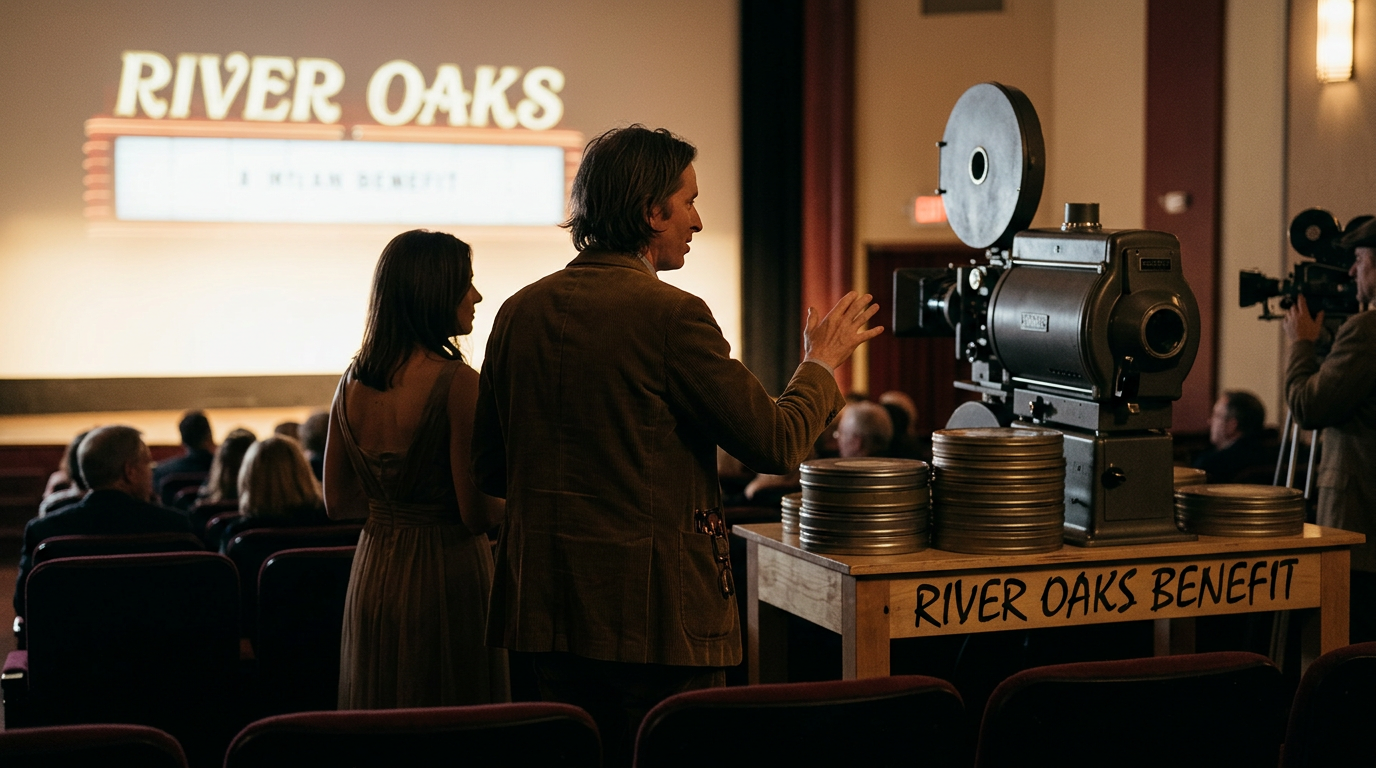
Houston native and world-renowned filmmaker Wes Anderson recently returned to his roots to champion the restoration of one of the city's most beloved cultural landmarks. The director, famous for his distinct visual style and films like 'The Grand Budapest Hotel' and 'Rushmore,' participated in a high-profile benefit event aimed at securing the future of the River Oaks Theatre. This homecoming serves as a significant intersection between Texas-grown talent and the localized battle to preserve historical architecture in rapidly developing urban centers. The event highlights a growing trend of private-sector and artistic collaboration meant to save aging institutions that can no longer survive on ticket sales alone. The history of Houston’s cinematic landscape is deeply intertwined with Anderson’s career. Before he became an international sensation, Anderson was a student in the city, filming his breakout debut 'Bottle Rocket' and his follow-up masterpiece 'Rushmore' in his home state. The River Oaks Theatre, specifically, has long been the primary venue for independent and foreign films in the Houston area, providing many local filmmakers with their first glimpse into the world of artistic cinema. As the city evolves, the survival of this 1939 Art Deco structure has become a rallying cry for those concerned about the erosion of Houston’s unique cultural heritage. By lending his celebrity and resources, Anderson is bridging the gap between his global success and the local community that fostered his early creative development.
Texas relevance
This story is deeply relevant to the Southeast Texas region and the broader cultural identity of the Lone Star State. Houston, while being the fourth-largest city in the country, has often struggled with the preservation of its mid-century architecture due to a lack of strict zoning and the relentless pace of new construction. The River Oaks Theatre is one of the few remaining examples of late-1930s cinema design in the state. For many Texans, the theater represents more than just a place to watch movies; it is a vital community hub that supports local arts employment and maintains the historical character of a neighborhood increasingly defined by modern high-rises. The involvement of a major figure like Wes Anderson elevates the local preservationist debate to a national stage, reminding residents that protecting Texas history is essential to fostering future creative generations.
The Enduring Legacy of the River Oaks Theatre
Constructed in 1939, the River Oaks Theatre stands as a rare surviving example of Art Deco design within the city limits of Houston. For decades, the venue served as a premier destination for films that the major multiplexes would not carry, fostering a niche community of cinephiles and artists. Its location in the affluent River Oaks district has made it both an iconic landmark and a target for various redevelopment interests over the years.
The theater’s struggle for survival has mirrored the broader tensions in Texas urban planning. As land values rise, the economic pressure to replace low-density historic buildings with high-density commercial ventures increases. However, the theater has managed to endure through a combination of community activism, heritage designation efforts, and, most recently, the high-profile support of former residents who have achieved international acclaim in the arts.
Wes Anderson’s connection to this specific venue is particularly poignant. During his formative years in Houston, the theater served as an educational resource, exposing him to the visual languages of European and avant-garde cinema that would later define his own career. His return is a testament to the idea that a single building can influence the trajectory of an entire industry by inspiring young minds within its walls.
Wes Anderson: From St. John's School to Hollywood
Wes Anderson’s background is rooted in the private schools and leafy streets of Houston. His early work is often described as a love letter to the suburban and academic environments of his youth. By returning for this benefit, Anderson is not just supporting a building; he is honoring the environment that provided the aesthetic blueprint for his filmography.
The director’s film 'Rushmore' was famously shot at St. John's School in Houston, cementing the city's place in the annals of modern American cinema. His involvement in the preservation of the River Oaks Theatre is a logical extension of this lifelong connection. It highlights the importance of keeping these spaces alive so that other Texas-based creators have a place to experience high-quality art in a physical, communal setting.
The homecoming event featured discussions about the intersection of place and storytelling. Anderson has often noted that the specific architecture of Houston influenced his unique approach to framing and production design. This makes the physical preservation of the theater an essential act of keeping the 'Anderson aesthetic' alive at its very source.
The Economic Impact of Historic Preservation
Preserving historic theaters is not just a cultural endeavor; it is an economic strategy that benefits the local Texas economy. Sites like the River Oaks Theatre act as 'anchor' institutions that drive foot traffic to surrounding businesses, including restaurants, cafes, and retail shops. This phenomenon, often referred to as the 'halo effect' of cultural landmarks, ensures that the district remains a vibrant, walkable destination.
In a state as large as Texas, cultural tourism is a billion-dollar industry. When landmarks are saved, they become destinations for visitors from across the country who are looking for authentic local experiences rather than cookie-cutter developments. The River Oaks Theatre, once fully restored, is expected to serve as a cornerstone for Houston's growing reputation as a hub for the creative classes.
Furthermore, the restoration process itself provides high-skilled jobs for local contractors, architects, and artisans who specialize in historical accuracy. This reinvestment in the local workforce demonstrates that conservation can be just as much of an economic driver as new construction, providing a diverse range of opportunities for Texans in the building and design trades.
Challenges Facing Texas Independent Cinemas
The survival of the River Oaks Theatre comes at a time when independent cinemas across the United States, and particularly in Texas, are facing unprecedented challenges. Between the rise of streaming services and the financial tolls of the post-pandemic landscape, many theaters have been forced to shutter. The River Oaks venue has faced its share of closures and management transitions, leading to periods of uncertainty.
Texans have seen similar struggles in Austin, Dallas, and San Antonio, where iconic single-screen houses have fought to stay relevant in a digital age. The successful push to revitalize the River Oaks Theatre provides a potential blueprint for other Texas cities. It suggests that a model of public-private partnership, combined with celebrity advocacy, can create a sustainable path forward for theaters that might otherwise be demolished.
This restoration effort also addresses the physical deterioration that comes with age. Historic buildings require specialized maintenance and modern upgrades to meet safety and accessibility standards. The funds raised during the Anderson-led benefit are earmarked for these critical improvements, ensuring the theater meets the expectations of modern audiences while retaining its vintage charm.
The Role of Celebrity in Local Activism
Wes Anderson’s involvement highlights a shifting dynamic in how celebrities engage with their childhood homes. Rather than just providing a signature for a petition, Anderson’s presence at a live event helps to galvanize the local donor base and attract media attention that a local preservation board might not achieve on its own. This high-profile support can often be the tipping point for the success of a project.
This trend of 'celebrity preservationism' is becoming more common in Texas. Whether it is musicians saving historic dance halls or actors protecting local theaters, the influence of those who have 'made it' is being used to protect the roots of Texas culture. This provides a sense of continuity in a state that is rapidly changing its demographic and physical landscape.
Ultimately, the success of the River Oaks benefit shows that Houstonians are willing to support their history when given a clear and compelling reason. Anderson’s narrative—that of a local boy returning to save the place that inspired him—is a powerful motivator for community engagement and financial contributions.
Future Outlook for Houston’s Cultural Landscape
With the momentum gained from this homecoming event, the future of the River Oaks Theatre looks more secure than it has in years. The restoration is not just about fixing a roof or painting a marquee; it is about redefining the role of the theater in the 21st century. Plans for the venue include expanded programming, educational workshops, and more community-centric events that go beyond traditional film screenings.
As Houston continues to grow, the tension between progress and preservation will remain constant. However, the successful defense of the River Oaks Theatre serves as a reminder that the city’s identity is found in its history as much as its skyscrapers. This victory for preservationists may lead to stronger protections for other historical sites across Harris County and beyond.
For the Texas film community, the message is clear: the state is committed to maintaining its artistic heritage. Ensuring that places like the River Oaks Theatre remain open provides a training ground and a showcase for the next generation of Texas filmmakers, perhaps even the next Wes Anderson.
Analysis
The return of Wes Anderson to support the River Oaks Theatre is a masterclass in local brand stewardship. From an editorial standpoint, this move underscores the power of cultural capital in municipal development. When a city’s most famous exports return home to reinvest in the infrastructure that launched them, it creates a virtuous cycle of localized pride and economic stability. While development is often seen as an unstoppable force in Texas, this event proves that there is significant public appetite for 'old' Houston. The preservation of such sites is not merely about nostalgia; it is about maintaining a diverse commercial ecosystem where independent businesses can thrive alongside corporate giants. Anderson’s participation suggests that the future of Texas cities may rely as much on their history as on their future expansion.
Source attribution
This story was reported using a public release from the r/houston. Keep TX Red rewrote the coverage independently and links to the official statement for verification.
Frequently Asked Questions
- Why is the River Oaks Theatre important to Houston?
- The River Oaks Theatre is one of the last remaining Art Deco theaters in the city and has served as a cultural hub for independent film and community art for over 80 years. It provides a unique historical aesthetic in a city known for rapid modern development.
- What was Wes Anderson's role in the benefit?
- Anderson hosted a special event to raise awareness and funds for the theater's restoration. As a Houston native who was influenced by the theater in his youth, his participation brought national attention to the local preservation effort.
- What films did Wes Anderson make in Texas?
- Wes Anderson's first two films, 'Bottle Rocket' and 'Rushmore,' were filmed in Texas. 'Rushmore' was famously shot at St. John's School in Houston, near the River Oaks neighborhood.
- What does the restoration work involve?
- The restoration aims to modernize the theater’s facilities, including seating, sound, and accessibility, while carefully preserving its original 1930s architectural details and Art Deco charm.
- Is the theater currently open to the public?
- The theater has undergone periods of closure for renovations, but the goal of the current benefit efforts is to ensure it returns as a fully operational, sustainable venue for films and live events.
Official Sources
Take the next step
Browse the Newsroom →Read more about Keep Texas Red → Our full guide to what Keep Texas Red means and why Texans support it.
Related Articles


Get Texas updates delivered weekly.
Independent Texas reporting on politics, policy, and daily life. One email a week. Unsubscribe anytime.
Keep TX Red Newsroom
The Keep Texas Red Editorial Staff produces nonpartisan explainers, policy breakdowns, and educational resources to help Texans understand how their government works. All content is reviewed for accuracy and updated regularly.
About Keep TX Red →