Dallas Culture: Exploring the True Identity of North Texas Beyond the Corporate Image
A viral debate over the cultural identity of Dallas sparks a deep dive into the city's history, professional growth, and unique North Texas heritage.
Editorial disclaimer: Opinions and analysis on Keep TX Red are editorial content — not statements of fact. See our editorial standards.
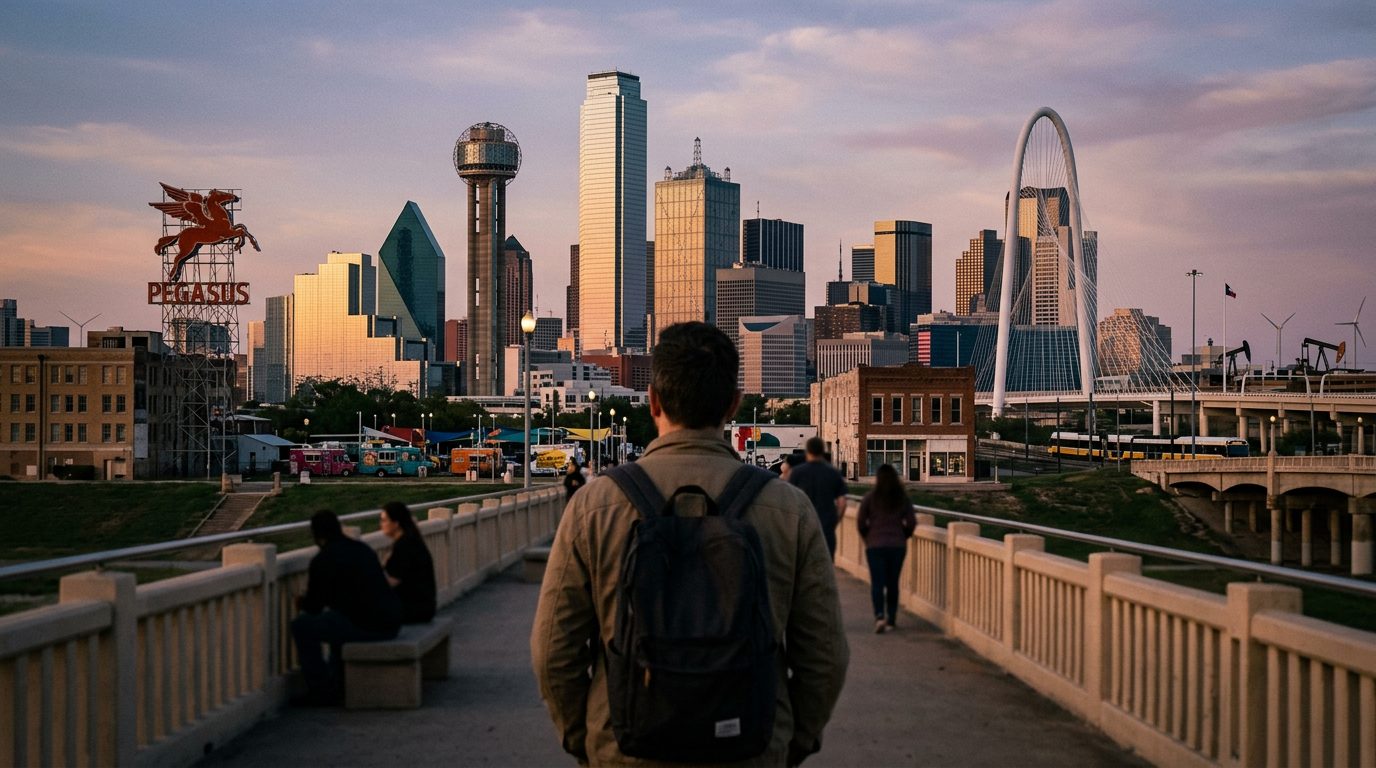
Recent discussions regarding the cultural landscape of Dallas have surfaced on social platforms, prompting a wider investigation into what defines the spirit of 'Big D' in the 21st century. While critics often label the city as a sterile corporate hub, proponents argue that its culture is found in its rapid evolution, architectural ambition, and diverse residential pockets. Historically, Dallas was established as a trading post in 1841 before becoming a major center for the oil and cotton industries. Unlike other Texas cities that lean heavily into frontier mythology or bohemian aesthetics, Dallas has traditionally leaned into a future-oriented, achievement-based identity. This latest discourse highlights a recurring tension between those who prefer traditional folk culture and those who find value in the city's modern, cosmopolitain expansion. The conversation centers on whether the presence of glass towers and sprawling suburbs diminishes the 'soul' of a metropolitan area. In the Texas context, Dallas has long stood as the polished, professional counterpart to the more casual atmospheres of Houston or Austin. This debate serves as a proxy for a larger national conversation about how modern American cities maintain local flavors in an era of globalized commerce and design. Understanding the North Texas cultural footprint requires looking past the surface level of shopping malls to the grassroots efforts in arts, food, and neighborhood preservation that have defined the region for over a century.
Texas relevance
As the heart of North Texas, Dallas serves as a primary economic engine for the entire state, making its cultural reputation a matter of regional pride and economic significance. The city's identity directly impacts its ability to attract new residents, businesses, and tourism revenue to the Lone Star State. Historically, Texas culture is often viewed through a rural lens, but the reality of modern Texas is overwhelmingly urban. By examining the cultural depth of Dallas, we are essentially examining the future of the Texas identity as it shifts from cattle drives to technology hubs and international finance centers.
The Evolution of Deep Ellum and Local Artistry
One cannot discuss the culture of Dallas without mentioning the profound impact of Deep Ellum. Established in the late 19th century, this district became a mecca for jazz and blues musicians who defined much of the early Texas sound. Today, the area remains a stronghold for local music and visual arts, though it constantly grapples with the pressures of gentrification. The survival of these creative spaces is a testament to the resilient spirit of the local community that refuses to be overshadowed by high-rise developments.
Beyond just music, the Dallas Arts District stands as the largest contiguous urban arts district in the United States. Spanning 68 acres and 19 blocks, it houses world-class museums and performance halls. This institutional investment in culture reflects a Texan desire to compete on a global scale. While some find these institutions too formal, they provide a foundation for cultural education and preservation that few other American cities can match, ensuring that the arts are literally at the center of the city's geography.
The Intersection of Commerce and Community
Dallas has historically been a city of 'merchant kings,' where business success is woven into the social fabric. This has led to a culture characterized by philanthropy and civic engagement. Major parks like Klyde Warren Park were born out of public-private partnerships, demonstrating a unique way that North Texans create communal spaces out of infrastructure projects. This proactive approach to urban planning is a core component of the city's personality.
The cultural narrative is also shaped by the diverse demographics of the DFW Metroplex. From the historic Mexican-American roots of 'Little Mexico' to the vibrant Asian communities in the northern suburbs, the cultural identity of Dallas is increasingly a global one. These communities contribute unique culinary scenes and annual traditions that reflect a modern Texas far removed from the cowboy stereotypes often expected by outsiders. The richness of the city lies in these varied experiences rather than a single, unified aesthetic.
Sports Culture as a Unifying Force
In many ways, the Dallas Cowboys and other regional sports teams act as the connective tissue for the city's cultural identity. The obsession with athletics in North Texas is more than just a hobby; it is a shared language that bridges different socioeconomic and ethnic backgrounds. The grandeur of AT&T Stadium and the history of 'America's Team' contribute significantly to how the city perceives itself and how it is perceived by the rest of the world.
This sports-centric culture extends down to the high school level, where 'Friday Night Lights' is a tangible reality in the surrounding suburban districts. The dedication to community pride through sports is a hallmark of the North Texas experience. It fosters a sense of belonging and tradition that provides a counter-narrative to the idea that the region is merely a collection of interchangeable suburbs. For many Dallasites, the stadium is their community square.
Architectural Identity and the Skyline
The Dallas skyline is one of the most recognizable in the world, often cited as a symbol of the city's architectural ambition. From the glowing green lights of the Bank of America Plaza to the unique silhouette of Reunion Tower, the city has used architecture as a way to forge a visual identity. This 'culture of the future' is intentional, reflecting a city that is always looking toward the next horizon rather than dwelling on the past.
Critics may argue that glass and steel lack soul, but the intentionality behind the Dallas skyline tells a story of a city that transformed itself from a dry prairie into a global commerce hub. This drive to build and innovate is a fundamental part of the Texan psyche. The buildings are monuments to the risks taken by generations of developers and leaders who wanted to put North Texas on the international map.
Culinary Diversity and the North Texas Palate
While Texas is synonymous with BBQ and Tex-Mex, the Dallas food scene has evolved into a sophisticated landscape that challenges national perceptions. The city boasts more restaurants per capita than many other major metros, leading to a culture of high-stakes culinary competition. From high-end steakhouses that define the 'Big D' power lunch to the authentic taco stands of Oak Cliff, the food culture is a vibrant, living thing.
The influx of international tech talent and corporate relocations has further diversified the local palate, introducing a wide array of global cuisines that are now staples of the Dallas diet. This culinary fusion is a direct reflection of the city's changing demographics. It shows that culture in Dallas is something that is consumed and enjoyed daily, grounded in the diverse heritage of its residents rather than just being displayed in a museum.
The Future of the Dallas Cultural Narrative
As Dallas continues to grow, the debate over its culture will likely persist. The challenge for the city is to maintain its historical landmarks and unique local districts while still embracing the growth that drives its economy. The ongoing redevelopment of the Trinity River area and the expansion of the Katy Trail are examples of how the city is attempting to integrate nature and community into its urban sprawl.
Ultimately, the culture of Dallas is whatever its people make of it. It is a city that rewards initiative and provides a canvas for those who want to build something new. Whether it is a new art gallery in the Design District or a startup in a downtown loft, the 'culture' of Dallas is defined by the energy of its people. As long as North Texans continue to innovate and create, the identity of the city will remain as dynamic and expansive as the state itself.
Analysis
The perennial critique of Dallas lacking 'culture' is frequently a misunderstanding of what Dallas actually represents. While other cities trade on nostalgia, Dallas is defined by its aspirational nature. Critics often mistake corporate efficiency for a lack of character, yet the city’s culture of commerce is a distinct Texan trait in itself. The rise of self-contained neighborhoods like Deep Ellum and the Design District proves that culture in Dallas is not absent; it is simply decentralized and constantly renewing itself to match the city's growth trajectory.
Source attribution
This story was reported using a public release from the r/texas. Keep TX Red rewrote the coverage independently and links to the official statement for verification.
Frequently Asked Questions
- What is the historical basis for Dallas culture?
- Dallas was founded as a merchant city and progressed through the cotton and oil booms. Its culture is rooted in commerce, trade, and a desire to serve as a sophisticated inland hub, which differs from the port-based or government-centric cultures of other Texas cities.
- Why do people say Dallas has no culture?
- This critique usually stems from the city's heavy emphasis on modern architecture, corporate headquarters, and shopping centers, which some perceive as lacking a 'gritty' or 'folk' feel common in older or more bohemian cities.
- Where can you find 'authentic' Dallas experiences?
- Authentic local culture is found in spots like Deep Ellum for music, the West End for history, Oak Cliff for diverse food and arts, and the various professional sports venues that act as major social hubs.
Official Sources
Take the next step
Browse the Newsroom →Read more about Keep Texas Red → Our full guide to what Keep Texas Red means and why Texans support it.
Related Articles
Get Texas updates delivered weekly.
Independent Texas reporting on politics, policy, and daily life. One email a week. Unsubscribe anytime.
Keep TX Red Newsroom
The Keep Texas Red Editorial Staff produces nonpartisan explainers, policy breakdowns, and educational resources to help Texans understand how their government works. All content is reviewed for accuracy and updated regularly.
About Keep TX Red →