Austin Heat Wave Impacts Galaxy Theatres as Hardware Failures Disrupt Movies
Galaxy Theatres Austin implements emergency cooling and attendance caps after a major HVAC failure threatens its rare 70mm film screenings.
Editorial disclaimer: Opinions and analysis on Keep TX Red are editorial content — not statements of fact. See our editorial standards.
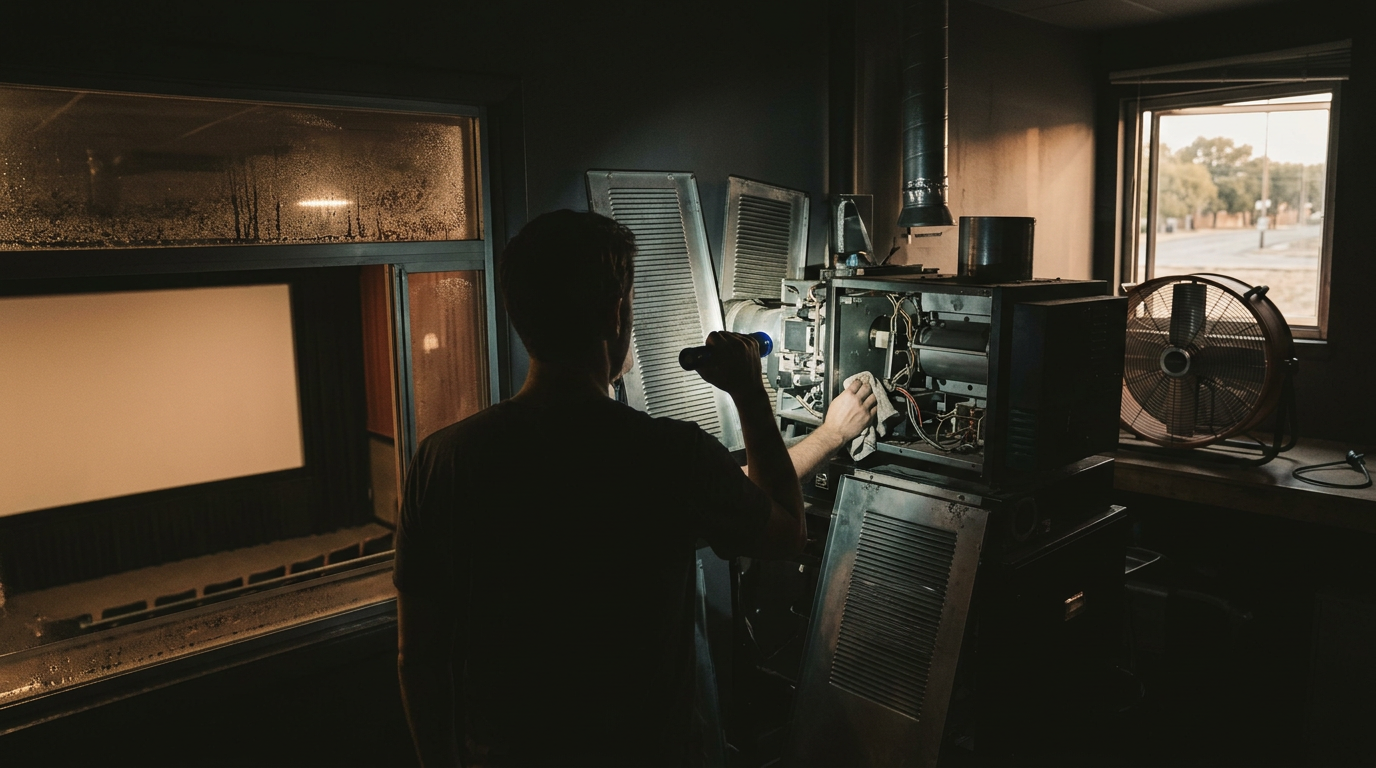
Galaxy Theatres Austin is currently navigating a significant logistical challenge as it attempts to maintain a rare 70mm screening series of 'The Odyssey' despite a total failure of its primary auditorium air conditioning system. The theater's General Manager, Richard, publicly addressed the situation on July 20, 2026, revealing that the facility has been operating without its permanent cooling unit for several weeks. This incident comes at a time when Austin is facing typical summer temperature extremes, making climate control a critical component of the indoor entertainment experience. The management team opted to find a temporary solution rather than shutting down the prestigious film run, which is one of only a few such presentations available nationwide. This situation mirrors past instances in Texas where aging commercial infrastructure has struggled to keep pace with high-demand cooling requirements during the peak of the summer season. Historically, the Galaxy Theatres location in Austin has served as a hub for cinephiles who value traditional film formats. The transition to 70mm projection requires specialized equipment and expertise that many modern multiplexes no longer possess. When the central HVAC system failed, the venue was faced with the prospect of canceling a highly anticipated cultural event. Because the site utilizes custom-built rooftop units, the replacement process has been delayed by manufacturing lead times rather than a lack of intent from the theater owners. This background sets the stage for the current operational compromise, where industrial-grade portable cooling technology is being used to bridge the gap until the permanent hardware can be delivered and installed by specialized crews.
Texas relevance
This situation is uniquely relevant to the Central Texas region, specifically Austin, where the local culture deeply values independent and prestige cinema screenings. The Texas heat makes functional HVAC a non-negotiable aspect of public commerce and safety. Furthermore, this story highlights the ongoing supply chain issues affecting Texas businesses, as custom industrial components often face long shipping delays to the Lone Star State from out-of-state manufacturers. For Austin residents, the choice between enduring a warmer-than-usual theater environment or losing access to a rare artistic presentation is a localized dilemma that reflects the community's dedication to the arts.
The Logistics of Custom HVAC Replacement
The primary reason for the extended discomfort in the auditorium is the highly specialized nature of the building’s infrastructure. Unlike residential air conditioning units that can be serviced with parts from a local hardware store, the Galaxy Theatres rooftop system is a massive, custom-engineered apparatus designed specifically for the dimensions and airflow requirements of a cinema house. These units must be built to order by manufacturers who often have backlogs of several months.
Management confirmed that the replacement unit was ordered approximately two months prior to the current crisis. This indicates that the facility was proactive in identifying the deterioration of the old system but was hampered by industrial lead times. In the world of commercial real estate in Texas, waiting on specialized HVAC components has become an increasingly common headache for business owners who must balance operational costs with the immediate needs of their patrons.
Implementing Temporary Cooling Measures
To combat the rising temperatures within the 70mm screening room, Galaxy Theatres has invested in six industrial-grade portable air conditioning units. These machines are significantly larger and more powerful than standard household portables, often requiring specialized venting and high-voltage power sources. Despite their size, these units are tasked with cooling a space designed to hold hundreds of people, which is a massive thermodynamic challenge.
The theater management acknowledges that while these units are working at maximum capacity, they cannot fully replicate the environment provided by a central rooftop system. The goal of these temporary measures is to keep the room at a tolerable temperature rather than a perfectly chilled one. This effort represents a significant operational expense for the theater, as the rental and electricity costs for industrial portables are substantial.
Attendance Capping and Capacity Management
One of the most drastic measures taken by the Austin theater is the decision to cap attendance for 'The Odyssey' screenings. By limiting the number of tickets sold for each show, the venue reduces the amount of body heat generated within the space. Human bodies act as natural radiators, and in a packed theater, the cumulative thermal output can quickly overwhelm even a functional air conditioning system.
By restricting the audience size, Galaxy Theatres is prioritizing the comfort of those who do attend over the potential revenue of a sell-out crowd. This move is a clear indicator that the management is aware of the potential for heat-related dissatisfaction and is willing to take a financial hit to ensure a better experience for the guests they can accommodate. It also ensures that the portable units have a better chance of maintaining a stable climate.
The Rarity of 70mm Screenings in Texas
The reason the theater is going to such lengths to stay open is the prestige of the 70mm format. 70mm film offers a resolution and color depth that far exceeds standard digital projection, making it a major draw for film enthusiasts. There are only a handful of theaters in the entire state of Texas, and even fewer in the United States, equipped to handle these massive film reels and the vintage projection equipment required to run them.
If Galaxy were to cancel these screenings, it would not just be a loss of revenue for the local business; it would represent the loss of a rare cultural opportunity for the city of Austin. The equipment used for these screenings is delicate and requires specific environmental conditions to operate correctly, adding another layer of complexity to the AC failure. The film itself can be sensitive to extreme heat and humidity, making the cooling efforts essential for the preservation of the media.
Customer Service and Transparent Communication
In a digital age where dissatisfaction is quickly amplified on social media, the management’s decision to engage directly with the community on platforms like Reddit is a notable tactic. By providing a detailed explanation of the timeline, the specific nature of the hardware failure, and the steps being taken to rectify it, the theater is attempting to build goodwill and transparency. This approach often helps to humanize a business and turn frustrated customers into sympathetic supporters.
The General Manager’s message emphasized that the staff is not ignoring the issue and is doing everything within their power to manage a difficult situation. This level of direct communication is often more effective than traditional corporate statements, as it allows for a two-way dialogue with the local community. It also serves as a warning to potential attendees, allowing them to make an informed decision about whether they are willing to brave a slightly warmer theater for the sake of the film.
Future Outlook for Theater Infrastructure
This incident highlights the broader challenges facing aging entertainment venues in Texas. As the climate remains demanding and supply chains remain unpredictable, the cost of maintaining large-scale public spaces continues to rise. Moving forward, businesses like Galaxy Theatres may need to evaluate their backup systems and redundant cooling options to prevent similar disruptions during peak seasons.
Once the custom rooftop unit finally arrives and is installed, the theater expects to return to full capacity and standard operating temperatures. Until then, the situation serves as a case study in crisis management within the hospitality and entertainment industry. For Austin residents, the persistence of the 70mm Odyssey screenings remains a testament to the city's enduring love for the cinematic arts, even in the face of mechanical adversity.
Analysis
The decision by Galaxy Theatres to continue screenings despite the AC failure is a calculated risk that reflects a 'show must go on' mentality prevalent in the Texas business community. From a public relations standpoint, the transparent communication from the General Manager is a strategic move to mitigate negative reviews and manage customer expectations. In an era where streaming services threaten physical cinema, maintaining the integrity of rare 70mm screenings is vital for brand loyalty. However, the reliance on portable units during an Austin summer tests the limits of customer patience and hardware capability. This event underscores the vulnerability of specialized small businesses to infrastructure failures that are outside their immediate control.
Source attribution
This story was reported using a public release from the r/austin. Keep TX Red rewrote the coverage independently and links to the official statement for verification.
Frequently Asked Questions
- Why can't the theater just buy a new AC unit at a local store?
- The cooling system required for a large cinema auditorium is a custom-engineered rooftop unit. These are built to the specific architectural requirements of the building and are not 'off-the-shelf' products. They must be manufactured to order, which involves a lengthy lead time.
- Is the 70mm screening of The Odyssey still happening?
- Yes, screenings are still ongoing. However, the theater has limited the number of available seats for each showing to help manage the temperature inside the auditorium while they wait for the permanent AC repair.
- How hot is it inside the auditorium?
- While the theater has installed six large industrial portable units, they acknowledge it may not be as cold as a standard theater environment. The portable units are designed to keep the space 'comfortable' rather than perfectly chilled during the Texas summer.
- What happens if I already bought a ticket but don't want to sit in a warm theater?
- The theater’s transparent communication is intended to let patrons know the situation before they arrive. Customers concerned about the temperature should contact Galaxy Theatres Austin directly regarding their refund or exchange policies for these specific screenings.
Official Sources
Take the next step
Browse the Newsroom →Read more about Keep Texas Red → Our full guide to what Keep Texas Red means and why Texans support it.
Related Articles


Get Texas updates delivered weekly.
Independent Texas reporting on politics, policy, and daily life. One email a week. Unsubscribe anytime.
Keep TX Red Newsroom
The Keep Texas Red Editorial Staff produces nonpartisan explainers, policy breakdowns, and educational resources to help Texans understand how their government works. All content is reviewed for accuracy and updated regularly.
About Keep TX Red →