Unlocking the Alamo City: Why Adopting a Tourist Mindset is Transforming Local San Antonio Life
Discover how San Antonio residents are rediscovering their city by focusing on local landmarks and escaping the rut of everyday neighborhood frustration.
Editorial disclaimer: Opinions and analysis on Keep TX Red are editorial content — not statements of fact. See our editorial standards.
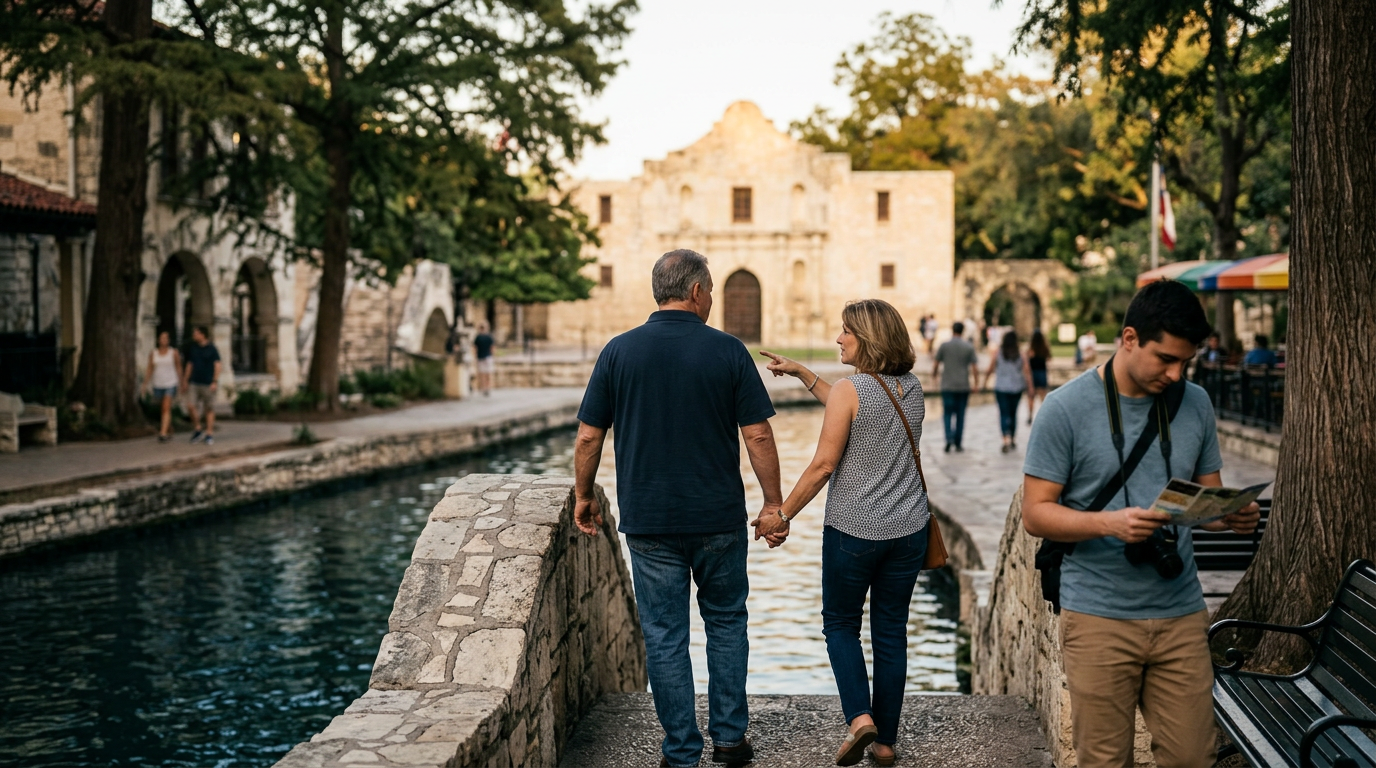
A growing trend among San Antonio residents involves a radical shift in perspective: treating one's own backyard as a vacation destination. For years, long-term locals have often voiced frustrations with urban sprawl, traffic, and neighborhood decline. However, a recent viral discourse within the community suggests that by intentionally avoiding high-crime or underdeveloped sectors and focusing exclusively on curated 'tourist' experiences, the perceived quality of life in the Alamo City can be significantly restored. This shift is not merely about ignoring reality, but about prioritizing the cultural and natural assets that draw millions of visitors to South Texas every year. Historically, San Antonio has struggled with a divide between its status as a top-tier global travel destination and the daily lived experience of its tax-paying residents. While the city celebrates its Spanish colonial missions and the vibrant River Walk, locals often find themselves bogged down in the logistical headaches of a rapidly growing metropolitan area. By adopting the 'tourist lens,' residents are returning to the Bridge Caverns, exploring the high-end retail corridors of the North Side, and spending more time in the pristine parks of Live Oak and Cibolo. This movement emphasizes the 'pros' of the city, such as its rich culinary scene and deep historical roots, while consciously distancing from the 'cons' of urban decay.
Texas relevance
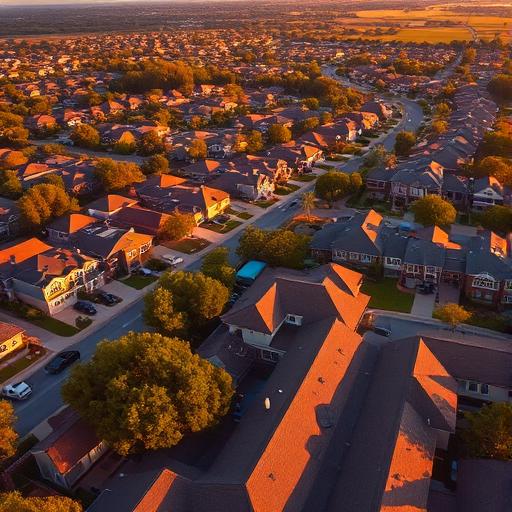
San Antonio is the seventh-most populous city in the United States and a critical economic engine for the state of Texas. The health of its tourism industry and the satisfaction of its local workforce are deeply intertwined. For Texans living in Bexar County and the surrounding Hill Country, the city serves as a hub for government, military, and healthcare services. When residents lose pride in their city, it impacts everything from local elections to property values. This rediscovery of San Antonio specifically highlights the geographic diversity of the region, stretching from the dense urban core of the Pearl and the River Walk to the suburban growth in areas like The Forum and the natural beauty found just outside city limits. Understanding how locals interact with these spaces provides insight into the future of Texas urban development and the ongoing efforts to revitalize historic districts while maintaining safety and aesthetic appeal.
The Geographic Shift: From South Side to North Side Hubs
A central component of this lifestyle change involves a total recalibration of where residents spend their time and money. For many, this means leaving behind the familiar but perhaps deteriorating areas of the South Side and focusing on the flourishing corridors of the North Side and Northeastern suburbs. Areas such as Live Oak and Cibolo have become beacons for those seeking a cleaner, more organized shopping and dining experience. The Forum at Olympia Parkway, one of the largest shopping centers in Texas, serves as a primary destination for this new brand of local tourist.
This migration of leisure activities isn't just about shopping; it's about the feeling of safety and community pride. By visiting the outskirts where well-off residents congregate, locals are finding a version of San Antonio that feels more aligned with the 'Texas Dream'—manicured landscapes, modern infrastructure, and a lack of the visible blight that often plagues older urban centers. This geographic curation allows residents to feel as though they are living in a thriving, modern metropolis rather than a city struggling with the growing pains of a massive population boom.
Rediscovering Nature in the Bexar County Backstage
The Natural Bridge Caverns and the extensive trail systems surrounding San Antonio are often overlooked by locals who have lived in the area for decades. The pivot toward tourism has brought these natural wonders back into focus. These sites offer a reprieve from the heat and the concrete, providing a world-class outdoor experience that many residents previously took for granted. By visiting these parks as a guest would, locals are reconnecting with the unique subterranean and Edwards Plateau geography that defines the region.
Beyond the caverns, the city's commitment to nature trails has provided a backbone for this lifestyle shift. The Howard W. Peak Greenway Trail System, once completed, will offer over 100 miles of developed multi-use trails. For the 'local tourist,' these paths represent a way to navigate the city's beauty without encountering the stress of its highways. Highlighting these assets reinforces the idea that San Antonio’s value isn't just in its history, but in its preserved green spaces that rival those of any other major Texas city.
The Culinary Renaissance: Mom-and-Pops vs. High-End Fare
San Antonio was the first city in the United States to be designated a UNESCO Creative City of Gastronomy, and the new wave of local tourists is finally taking full advantage of this. The strategy involves a two-pronged approach: patronizing the elite establishments in the Pearl District and downtown, while simultaneously seeking out the 'hidden gem' mom-and-pop shops that provide the authentic Tex-Mex and barbecue soul of the city. This culinary exploration is a key part of falling back in love with the local culture.
By avoiding the 'run down' areas and sticking to well-curated dining districts, residents are experiencing the best of what San Antonio’s chefs have to offer. This shift in spending helps support the local economy and encourages business owners in safer districts to continue innovating. For many, the joy of a perfect breakfast taco or a high-end steakhouse dinner is enough to offset the frustrations of city living, turning a regular weekend into a celebration of South Texas flavor.
Cultural Appreciation Without the Urban Stress
The historical significance of San Antonio is undeniable, from the Alamo to the San Fernando Cathedral. However, locals often associate these sites with school field trips or heavy traffic. The 'tourist mindset' encourages a fresh look at these monuments, appreciating them for their architectural and historical weight rather than their logistical inconvenience. This re-engagement with history fosters a deeper sense of belonging and pride in being a Texan.
Furthermore, by sticking to the well-maintained 'tourist spots,' residents are avoiding the friction of poorly maintained infrastructure. This creates a psychological barrier between the resident and the city's problems. While some may argue this is an elitist approach, proponents claim it is a survival mechanism that allows them to appreciate the artistic culture and historical depth of the city without being overwhelmed by its systemic challenges. It focuses the narrative on what San Antonio 'has' rather than what it 'lacks.'
The Impact of a Three-Year Commitment
For those planning to eventually leave the city, the 'act like a tourist' strategy offers a definitive timeline for enjoyment. By setting a three-year window, residents are incentivized to pack in as many high-quality experiences as possible. This 'bucket list' approach to local living ensures that their final memories of San Antonio are filled with beauty and excitement rather than bitterness. It transforms a period of 'waiting to leave' into a period of active exploration.
This time-bound perspective also has a positive effect on the community. Temporary 'local tourists' are more likely to spend money at local attractions, attend festivals like Fiesta, and visit museums. Even if they eventually move to another part of Texas or out of state, they leave as ambassadors for the city’s best features. This strategy proves that mindset is often the most important factor in determining one's satisfaction with their environment, especially in a city as diverse and complex as San Antonio.
Planning Your Own Local Tourist Itinerary
For San Antonians looking to adopt this lifestyle, the process begins with identifying the areas that provide the most aesthetic and emotional value. Starting with a morning at the San Antonio Botanical Garden or a visit to the McNay Art Museum can set a tone of refinement and beauty. Moving into the afternoon, a stroll through the King William District offers a look at Victorian architecture that feels worlds away from the suburban sprawl of the outer loops.
The key is intentionality. Instead of simply 'going out,' residents are encouraged to research their city as if they had never been there before. Using travel guides, looking up top-rated restaurants on social media, and attending guided tours of the missions can reveal layers of the city that remain hidden to those stuck in a daily commute. By breaking the routine, locals can rediscover why San Antonio remains the crown jewel of Texas tourism, even if they have lived there their entire lives.
Analysis
The shift toward 'local tourism' reflects a broader psychological trend in major Texas metros where urban dissatisfaction is met with selective engagement. Rather than moving away, residents are creating a 'synthetic vacation' by filtering their physical environment. This editorial observation suggests that if the City of San Antonio wants to retain its young professional population, it must bridge the gap between the sanitized tourist experience and the reality of its neglected neighborhoods. While the 'tourist mindset' saves the individual's sanity, it highlights a stark divide in the city's socioeconomic landscape, where residents feel they must avoid entire sectors of their own town to find beauty and safety. This 'staycation' strategy is a temporary fix for a deeper desire for consistent municipal excellence across all zip codes.
Source attribution
This story was reported using a public release from the r/sanantonio. Keep TX Red rewrote the coverage independently and links to the official statement for verification.
Frequently Asked Questions
- What are the best 'tourist' areas for San Antonio locals to visit?
- Locals are finding great success visiting the Pearl District for dining, the Hill Country outskirts for nature, and the Northeastern suburbs like Live Oak for shopping. Sticking to the historic downtown core, while avoiding the more 'run down' residential sectors, is a primary strategy for this lifestyle shift.
- How does this approach help with city-living burnout?
- By intentionally choosing to only see the 'best' parts of the city, residents can reduce the stress associated with urban decay, traffic, and crime. It allows for a curated experience that highlights the artistic and cultural 'pros' of San Antonio while ignoring the 'cons'.
- Is it expensive to live like a tourist in your own city?
- It can be more expensive if you focus on high-end dining, but many 'tourist' activities like hiking the greenway trails, visiting public parks, or exploring the San Antonio Missions are low-cost or free. The focus is on the quality of the environment rather than just the price tag.
Official Sources
Take the next step
Browse the Newsroom →Read more about Keep Texas Red → Our full guide to what Keep Texas Red means and why Texans support it.
Related Articles

Get Texas updates delivered weekly.
Independent Texas reporting on politics, policy, and daily life. One email a week. Unsubscribe anytime.
Keep TX Red Newsroom
The Keep Texas Red Editorial Staff produces nonpartisan explainers, policy breakdowns, and educational resources to help Texans understand how their government works. All content is reviewed for accuracy and updated regularly.
About Keep TX Red →