Dallas Street Name History: Local Historians Reveal Stories Behind Iconic Landmark Signs
Discover the historical figures and founding families behind the most prominent street names across the City of Dallas and North Texas.
Editorial disclaimer: Opinions and analysis on Keep TX Red are editorial content — not statements of fact. See our editorial standards.
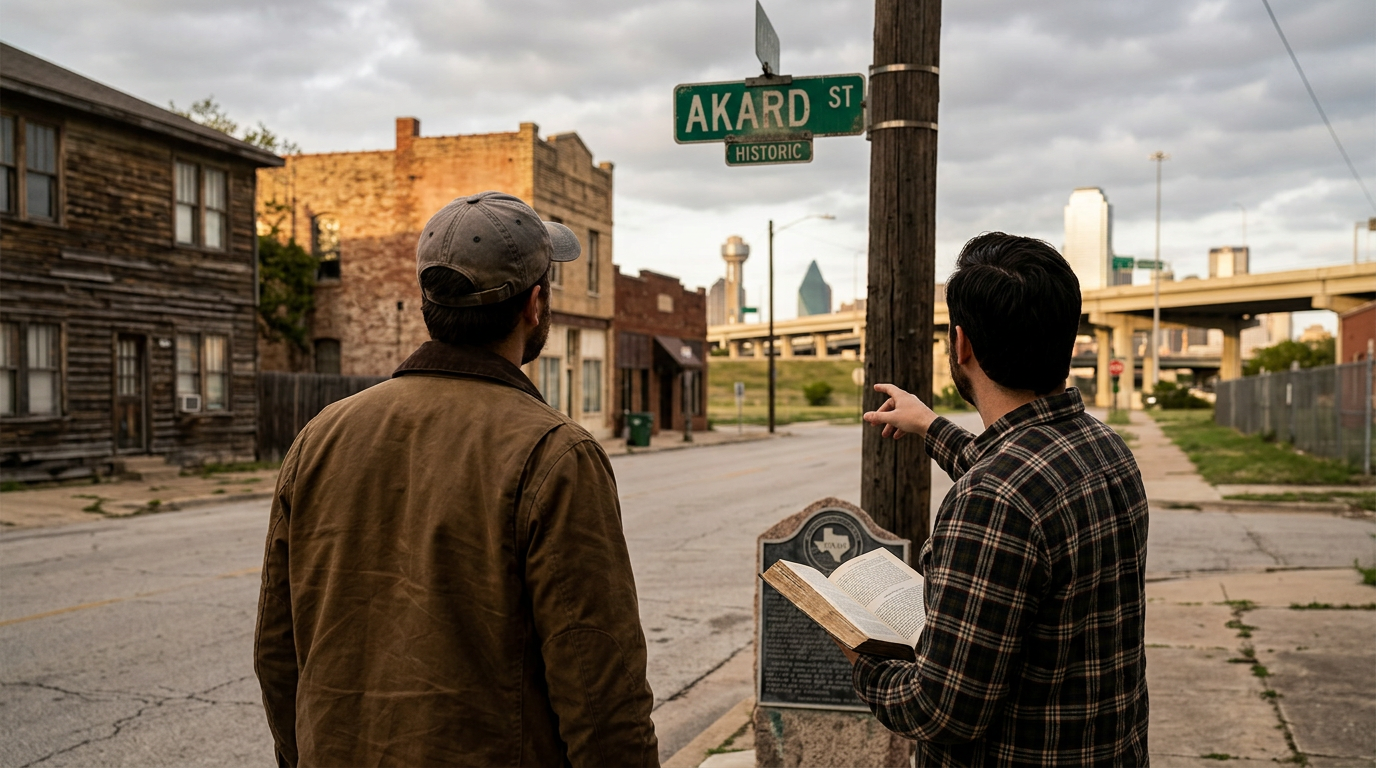
The naming conventions of Dallas streets provide a physical map of the city’s rapid transformation from a remote Trinity River settlement in the 1840s to a sprawling global metropolis. Historically, the process of naming roadways in the city followed a pattern of honoring early surveyors, influential landowners, and prominent businessmen who financed the region's initial development. This linguistic heritage serves as a preservation of the North Texas legacy, where names like Bryan, Akard, and Ervay signify more than just directional coordinates but represent the individuals who risked their capital and safety to establish a foothold in the Texas blackland prairie. As the city evolved, subsequent layers of street naming reflected the shift from pioneer survival to industrial expansion and eventually to the Civil Rights movements of the 20th century.
Texas relevance
For residents of Dallas and the surrounding North Texas suburbs, understanding these origins offers a direct link to the identity of the Lone Star State. The street grid in Dallas is unique because it honors the specific local figures who shaped Texas law and commerce, rather than relying solely on national figures or generic tree names found in other major American cities. By preserving this history, Texans ensure that the contributions of local families remain part of the daily conversation, rooting modern urban expansion in the historical context of the Republic of Texas and early statehood.
The Legacy of the City's Founder
John Neely Bryan, the adventurous pioneer who is credited with founded the city of Dallas in 1841, is naturally commemorated through several landmarks and street designations. Bryan's initial vision for a trading post on the banks of the Trinity River laid the groundwork for the modern downtown grid. Initially, many streets were simple dirt paths that prioritized access to the river, which was at the time viewed as a potential major shipping artery for the state of Texas.
Bryan Street remains a central fixture in the city, but his impact extends beyond a single sign. Because he owned much of the original land that now constitutes the central business district, his family and associates appear throughout the historical record as the primary architects of the city's early layout. The naming of these early roads was often a matter of practical identification, essentially marking the boundaries of specific early land grants and settlements.
Political Power and the Mayor Series
A large segment of Dallas thoroughfares serves as a chronological record of the city's political leadership during its formative years. Names like Ervay, Cabell, and Thornton were not chosen at random; they honor the mayors who oversaw periods of extreme growth and infrastructure crises. For instance, Ervay Street is named for Henry S. Ervay, a colorful figure who served as mayor during the tumultuous Reconstruction era following the Civil War.
Similarly, the more modern R.L. Thornton Freeway pays tribute to one of the city's most influential 20th-century leaders and the primary force behind the State Fair of Texas. These names remind residents that the infrastructure they use every day was often the result of fierce political lobbying and long-term visionary planning by local officials who sought to position Dallas as a rival to older Texas cities like Galveston and Houston.
Pioneer Families and Land Developers
Many of the streets that wind through the residential sectors of Dallas carry the surnames of the families who first farmed the land before it was swallowed by suburban sprawl. Characters like the Caruth family, who owned massive tracts of land north of the city center, have their names etched into the very fabric of North Dallas. Caruth Haven Lane and other related roads mark the footprint of what was once one of the largest agricultural operations in the region.
This trend of naming streets after land donors was an effective way for early city planners to secure rights-of-way. By promising a family that their name would remain on the map in perpetuity, the city was often able to expand its road network with less financial friction. This practice has left a map scattered with names that would otherwise be forgotten footnotes in the Texas history books, such as the Cochran and Gano families.
The Evolution of Downtown Commerce
The downtown core features several streets named for the titans of early Texas commerce. Akard Street, for example, honors W.C.C. Akard, an early settler and businessman whose presence helped establish the area as a commercial hub. These streets were the sites of the first major banks, department stores, and hotels that signaled the city's arrival as a serious economic player in the Southern United States.
As Dallas grew into a railroad hub in the late 19th century, the street names began to reflect the industrial shifts of the era. The intersection of rail lines and roadway designations highlights how the city's geography was dictated by the needs of trade. Many streets near the old switching yards were named to reflect the businesses they served, creating a lasting record of the city's shift from an agrarian economy to one focused on logistics and finance.
Civic Leaders and Community Builders
In addition to politicians and landowners, Dallas has a long tradition of naming streets after civic leaders who contributed to the social fabric of the city. These include educators, religious leaders, and philanthropists who founded hospitals and schools. Hall Street and Gaston Avenue are prime examples of this tradition, representing people whose primary contribution was the improvement of the lives of the local citizenry.
William Houston Gaston, for whom Gaston Avenue is named, was a key financier who is often called the 'father of the State Fair.' His efforts to bring the fair to Dallas forever changed the city's cultural trajectory. These streets serve as a daily reminder that the city's character was built not just through brick and mortar, but through the social institutions established by these dedicated individuals.
Preserving Northern Dallas Heritage
The northern expansion of the city brought a new wave of nomenclature as former independent settlements were annexed into the Dallas city limits. Preston Road, one of the oldest and most famous paths in the state, actually follows the route of the Preston Trail, a historic cattle drive and military road. Its name serves as a connection to the days of the Republic of Texas when it was a vital supply line to the northern border.
As new neighborhoods like Highland Park and University Park were developed, the naming conventions became more thematic and formal, often moving away from surnames to more aesthetic choices. However, the arterial roads connecting these areas back to the city center almost always retain their original historical names, creating a bridge between the old frontier and the modern high-density urban environment.
The Cultural Significance of Naming
The naming of a street is one of the most permanent honors a city can bestow, and in Dallas, this act is governed by strict municipal codes. These regulations are designed to ensure that the city's history is respected while allowing for modernization. When a new name is proposed, it often requires a rigorous review process involving the City Plan Commission and public hearings, reflecting how much residents value their local identity.
This reverence for naming is why researchers and hobbyists spend countless hours in digital archives and libraries. Uncovering the story behind a simple street sign can reveal tales of survival, business deals, and community triumph. For many Texans, these names are the starting point for a deeper exploration of their own family histories and the origins of the communities they call home.
The Road Ahead for Dallas Landmarks
As Dallas continues its unprecedented growth into the mid-21st century, the question of what to name new developments remains a point of interest. While many developers choose modern or abstract names, there is a push to continue honoring the diverse heroes of the city's past. This includes leaders from the Hispanic and African American communities who were historically overlooked in the initial rounds of naming.
The ongoing project of documenting Dallas street names is more than just a trivia exercise; it is an act of civic stewardship. By understanding who these people were and why they were honored, modern Dallasites can develop a stronger sense of place and a greater appreciation for the complex, multi-layered history that makes Texas unique among the states.
Analysis
While street names may seem like trivial administrative details, they represent a significant cultural battleground in modern Texas. In recent years, Dallas has seen several initiatives to rename thoroughfares to better reflect the city's diverse modern demographic, creating a tension between historical preservation and social evolution. The fact that researchers and local historians continue to dig into the archives of the 1800s demonstrates a growing desire among Texans to connect with their roots. As the city continues to grow, the names on the signs will likely continue to spark debate over whose history is prioritized in the public square, making the documentation of original names more important than ever for future generations.
Source attribution
This story was reported using a public release from the r/dallas. Keep TX Red rewrote the coverage independently and links to the official statement for verification.
Frequently Asked Questions
- Who decides the names of streets in Dallas today?
- New street names or the renaming of existing streets are typically handled by the Dallas City Plan Commission and must ultimately be approved by the Dallas City Council. There are specific guidelines to avoid duplicate names that might confuse emergency services and to ensure the historical or community significance of the proposed name.
- Why is Preston Road so important to Texas history?
- Preston Road follows the path of the original Preston Trail, which was a vital route for cattle drives and military movement during the mid-19th century. It connected the central part of the state to the northern borders and was instrumental in the settlement of North Texas.
- Are there many streets in Dallas named after local women?
- Historically, street names were dominated by male landowners and politicians, reflecting the social norms of the 19th century. However, there are notable exceptions and a growing modern movement to recognize female pioneers, educators, and community leaders who played pivotal roles in the city's development.
Official Sources
Take the next step
Browse the Newsroom →Read more about Keep Texas Red → Our full guide to what Keep Texas Red means and why Texans support it.
Related Articles
Get Texas updates delivered weekly.
Independent Texas reporting on politics, policy, and daily life. One email a week. Unsubscribe anytime.
Keep TX Red Newsroom
The Keep Texas Red Editorial Staff produces nonpartisan explainers, policy breakdowns, and educational resources to help Texans understand how their government works. All content is reviewed for accuracy and updated regularly.
About Keep TX Red →