Dallas Public Safety Review: Analyzing Safety Trends 10 Years After the Ambulance Hijacking
A look back at the 2014 Dallas ambulance theft that reshaped emergency vehicle security protocols and public safety expectations in North Texas.
Editorial disclaimer: Opinions and analysis on Keep TX Red are editorial content — not statements of fact. See our editorial standards.
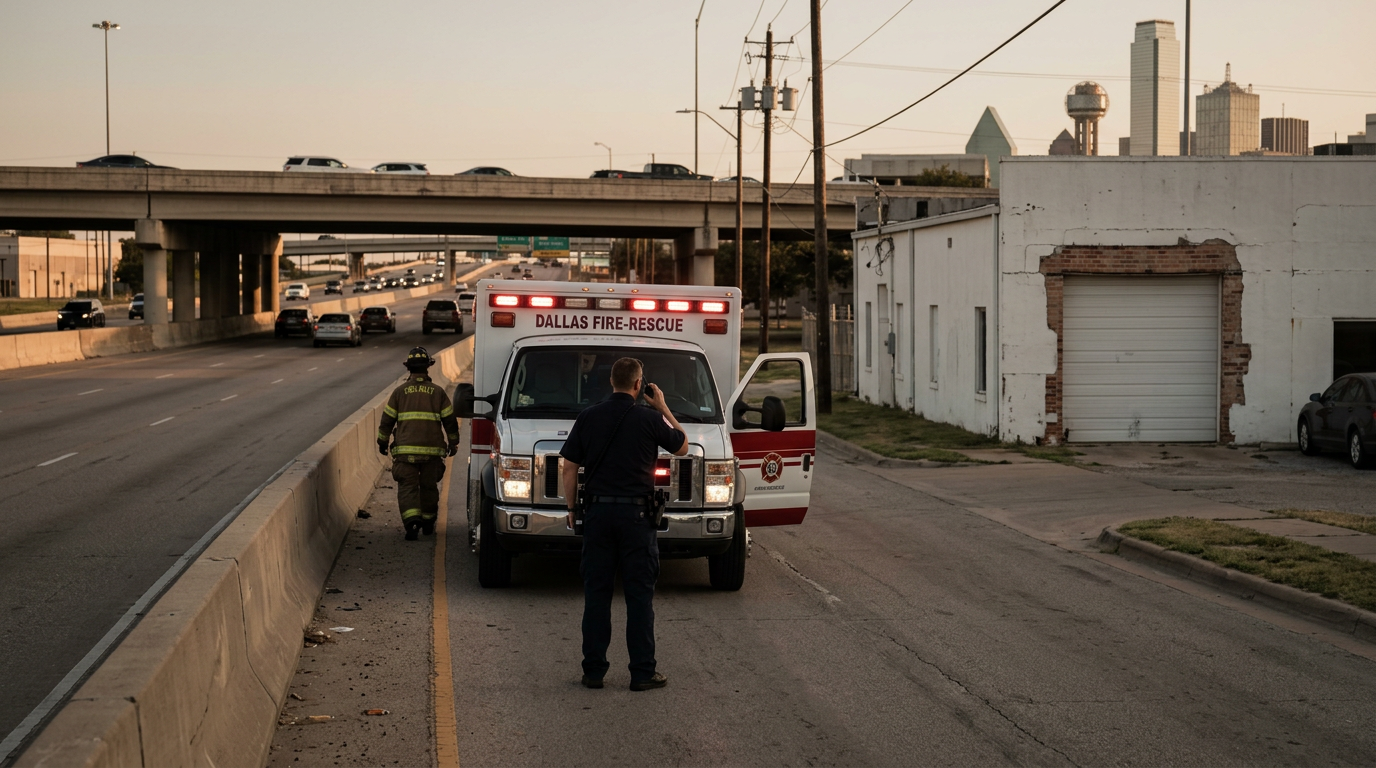
July marks a significant milestone in the history of Dallas public safety, as ten years have passed since a high-profile vehicle theft and crash involving a city ambulance. In mid-2014, an individual managed to take control of a Dallas Fire-Rescue vehicle, leading to a dangerous pursuit and an eventual collision into a commercial structure. This incident served as a wake-up call for municipal departments across the state regarding the vulnerability of emergency equipment when left unattended during active calls. In the years following, the Dallas community and its leaders have closely scrutinized the balance between rapid response accessibility and the need for hardened security on critical taxpayer-funded assets. Historically, emergency vehicles in major Texas metros were often left running at scenes to power life-saving equipment and maintain climate control for sensitive medications. This baseline vulnerability was exploited in the 2014 event, where the thief capitalized on a momentary window of opportunity. The subsequent crash into a building not only caused thousands of dollars in property damage but also temporarily removed a vital medical resource from the city's fleet. This reflection serves as a broader examination of how urban law enforcement and fire departments have evolved their technical and physical safeguards over the last decade to prevent similar disruptions to public order.
Texas relevance
The city of Dallas and the surrounding North Texas region have a direct stake in this retrospective as it highlights the evolution of municipal liability and first responder safety. In Texas, where sprawling urban environments necessitate heavy reliance on mobile medical units, the integrity of these vehicles is paramount. Following this specific incident, several neighboring municipalities in the DFW metroplex re-evaluated their own standard operating procedures. The event remains a reference point for local policy debates concerning how much autonomy first responders should be granted versus the implementation of automated safety shut-offs and tracking systems that are now standard in modern Texas emergency fleets.
The Logistics of the Original 2014 Incident
On the afternoon of the incident, Dallas Fire-Rescue personnel were occupied with their duties when an unauthorized individual entered the driver's side of the parked ambulance. The thief did not just take the vehicle for a joyride; they navigated heavy traffic while driving erratically, representing a significant threat to other motorists and pedestrians. Local law enforcement was forced to coordinate a multi-agency response to track the vehicle's movement through some of the busiest corridors in the city.
The chase concluded abruptly when the suspect lost control of the heavy vehicle, careening into a non-residential building. The impact caused significant structural damage to the target facility and effectively totaled the ambulance. Fortunately, there were no fatalities reported at the scene, but the physical destruction served as a visual reminder of the damage a multi-ton emergency vehicle can cause when utilized as a weapon or handled by an untrained driver under distress.
Changes in Emergency Vehicle Technology
In the decade since the crash, the technology installed in Texas ambulances has undergone a massive transformation. Most modern units are now equipped with 'anti-theft' or 'secure start' systems. These technologies allow the engine to remain running—which is necessary for maintaining the charge on the vehicle’s batteries and powering onboard medical computers—while preventing the vehicle from being shifted out of park unless a specific sequence of buttons is pressed or a key fob is present.
Furthermore, GPS tracking has become ubiquitous across all municipal fleets in North Texas. In 2014, while tracking existed, the real-time telemetry was not always as precise or accessible to dispatchers as it is today. Contemporary systems allow for remote engine cutoff in certain scenarios and provide exact breadcrumb trails that help law enforcement intercept a stolen vehicle with much greater efficiency and less risk to the general public.
The Economic Impact on Taxpayers
Replacing an ambulance is not a minor expense for a city budget. A fully equipped modern ambulance can cost anywhere from $250,000 to over $400,000 when factoring in the specialized medical gear inside. When the 2014 incident occurred, it placed an unexpected strain on the municipal budget, requiring a reallocation of funds to ensure that the service area remained covered. This cost does not even factor in the insurance premiums and the repair costs for the building that was struck.
Texas residents often feel the brunt of such incidents through their local property taxes, which fund fire and rescue services. The decade of hindsight allows us to see how investments in preventative security hardware are actually cost-saving measures in the long run. By preventing even one such theft every ten years, the city avoids the massive liability and replacement costs associated with a high-speed crash involving heavy machinery.
Training and Protocol Evolution for First Responders
Beyond the hardware, the human element of public safety has changed. Ten years ago, the protocol for 'staging' or leaving a vehicle during a call was more informal. Today, Dallas Fire-Rescue and similar organizations across the state emphasize situational awareness during vehicle egress. New recruits are trained on the specific vulnerabilities of their units and are held to stricter standards regarding the securing of their equipment while on duty.
This shift in training reflects a broader change in the culture of emergency services. While the primary focus remains on saving lives, maintaining the security of the 'rolling office' is now viewed as an essential component of the job. A stolen ambulance is a resource that cannot help anyone, and the realization of that fact has led to a much more disciplined approach to vehicle management in high-density urban areas like the DFW metroplex.
Legal Consequences and Deterrence in Texas
The legal system has also adjusted its stance on the theft of emergency equipment. In Texas, the unauthorized use of a motor vehicle is a serious offense, but when that vehicle is an active-duty emergency unit, prosecutors often seek enhanced penalties due to the inherent threat to public safety. The 2014 case was a high-profile example that highlighted the need for firm sentencing to deter others from attempting similar acts of disruption.
Discussions in the Texas Legislature over the years have occasionally touched upon the protection of first responders and their tools. While the statutes for vehicle theft remain largely consistent, the judicial application of ‘reckless endangerment’ charges is often more aggressive when the theft involves a vehicle equipped with sirens and lights. This serves as a vital deterrent in a state that prides itself on the rule of law and the protection of those who serve the community.
Community Reaction and Memory
For long-time Dallas residents, the memory of the 2014 crash remains a vivid example of city life’s unpredictability. Social media reflections often bring up the footage of the damaged building and the mangled front end of the ambulance. For many, it serves as a point of comparison to current safety standards, illustrating how far the city has come in terms of operational security and incident management.
Public trust is easily damaged when an essential service like an ambulance is used to cause harm. The city’s efforts to modernize and secure its fleet over the last ten years have been largely successful in rebuilding that trust. While no system is completely foolproof, the relative lack of similar high-profile incidents in the decade following the crash suggests that the lessons learned from that chaotic day were taken seriously by city officials.
Analysis
While the 2014 incident may appear to be a singular act of criminal opportunism, it actually exposed systemic flaws in the security of the public safety grid. Looking back from today's perspective, the incident highlights a transition from an era of relatively low-tech public service to a new age of integrated surveillance and remote immobilization. Some may argue that the increased security measures taken by the city were long overdue, while others view them as a necessary reaction to an increasingly unpredictable urban environment. Ultimately, the lasting legacy of the Dallas ambulance theft is found in the quieter, more robust protection protocols that now guard our emergency infrastructure, ensuring that such a breach of public trust and safety is much harder to replicate in the modern era.
Source attribution
This story was reported using a public release from the r/dallas. Keep TX Red rewrote the coverage independently and links to the official statement for verification.
Frequently Asked Questions
- Why do ambulances need to be left running while paramedics are helping patients?
- Ambulances carry a significant amount of electronic medical equipment, including heart monitors and communication arrays, which drain batteries quickly. Additionally, they must maintain a stable internal temperature to protect the integrity of life-saving medications. Leaving the engine running ensures the alternator can provide constant power to these systems.
- What prevents a similar ambulance theft from happening in Dallas today?
- Today, most ambulances are equipped with electronic interlocks. These systems prevent the vehicle from being shifted out of 'Park' if the key is not in the ignition or a secure bypass switch has not been activated. Even if a thief enters the cab, they cannot drive the vehicle away.
- Was anyone seriously injured in the 2014 crash?
- While the incident caused massive property damage and created a highly dangerous situation on the roads, there were no reported fatalities. The suspect was apprehended following the collision with the building.
Official Sources
Take the next step
Browse the Newsroom →Read more about Keep Texas Red → Our full guide to what Keep Texas Red means and why Texans support it.
Related Articles


Get Texas updates delivered weekly.
Independent Texas reporting on politics, policy, and daily life. One email a week. Unsubscribe anytime.
Keep TX Red Newsroom
The Keep Texas Red Editorial Staff produces nonpartisan explainers, policy breakdowns, and educational resources to help Texans understand how their government works. All content is reviewed for accuracy and updated regularly.
About Keep TX Red →