Exploring North Texas Nature: Guide to the Best Shaded Running and Walking Trails in the Dallas Metroplex
Discover the top shaded trails and running paths in Dallas as visitors look to beat the Texas heat while exploring the local outdoors.
Editorial disclaimer: Opinions and analysis on Keep TX Red are editorial content — not statements of fact. See our editorial standards.
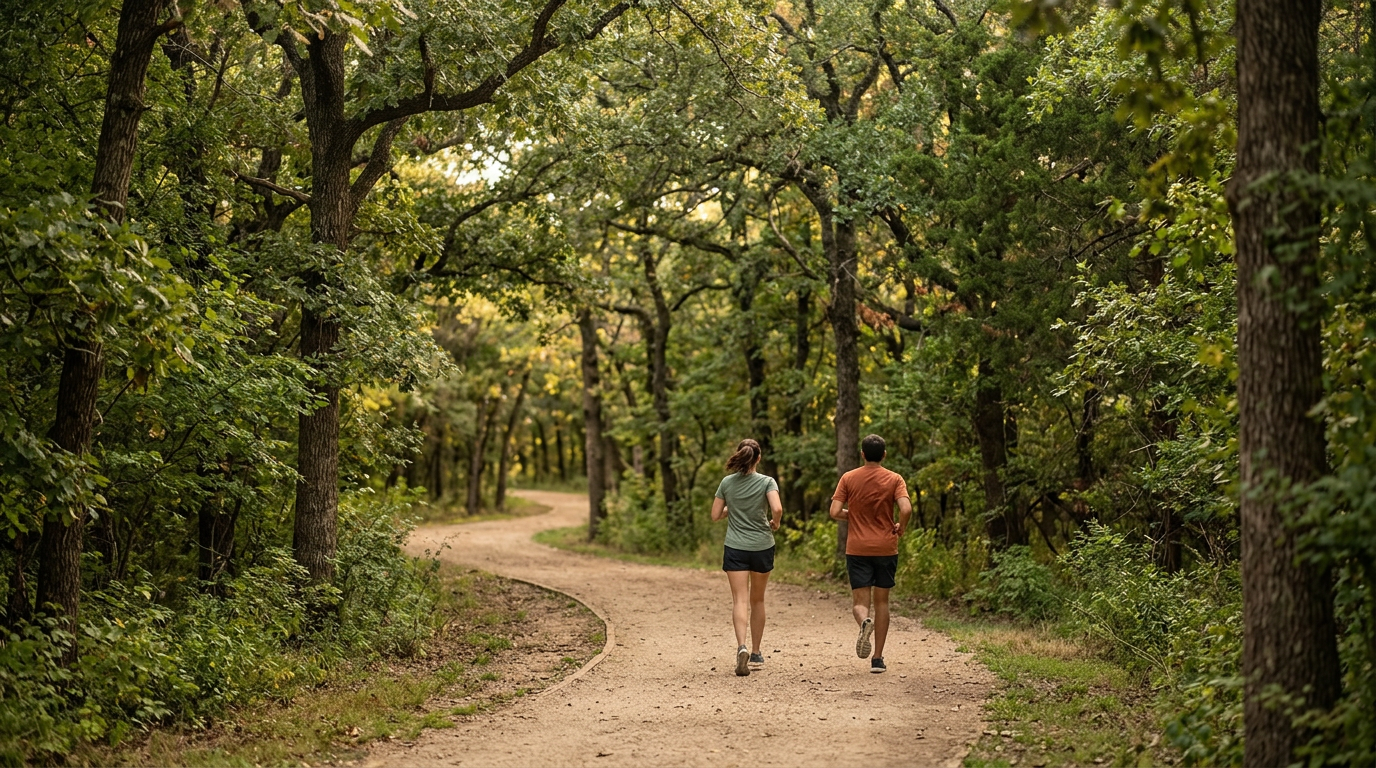
The Dallas-Fort Worth metropolitan area is frequently characterized by its sprawling urban footprint and bustling concrete highways, yet it harbors a robust network of green spaces and shaded corridors designed for walkers, joggers, and outdoor enthusiasts. As summer temperatures in Texas regularly climb into the triple digits, finding recreation areas with significant canopy cover becomes a priority for both residents and visitors alike. Historically, the City of Dallas has invested in the expansion of its municipal park system, recognizing that accessible nature trails improve the quality of life and provide a necessary respite from the urban heat island effect. For a first-time visitor staying near the DFW International Airport, the regional geography offers a mix of paved urban routes and rugged woodland paths that showcase the diverse ecology of the North Texas prairies and Cross Timbers regions. Whether seeking a short stroll or a rigorous training run, these shaded environments provide a unique lens through which to view the landscape of Dallas beyond its famous skyline.
Texas relevance
Texas heat safety is a primary concern for anyone engaging in outdoor activity in Dallas or the surrounding suburbs. This inquiry highlights the local demand for sustainable, shaded infrastructure within the municipal park systems of North Texas. Cities like Dallas, Fort Worth, and Arlington have prioritized the development of 'green ribbons' that connect neighborhoods while preserving existing tree canopies. For the traveler or local resident, understanding the layout of these trails is essential for navigating the North Texas environment, especially during the peak thermal hours between noon and sunset. By utilizing these forested corridors, individuals contribute to the local economy of nearby small businesses and outdoor retailers while supporting the ongoing maintenance of Texas public lands.
The Iconic Katy Trail and Urban Canopies
One of the most renowned routes in the region is the Katy Trail, a premier destination built on the historic corridor of the Missouri-Kansas-Texas Railroad. This path stretches through the heart of Dallas, connecting the Victory Park neighborhood to the Southern Methodist University area. While parts of the trail are exposed to direct sunlight, a significant portion is flanked by dense vegetation and mature trees that offer a natural cooling effect for runners. It is a dual-path system, featuring both a concrete surface for cyclists and a softer recycled rubber surface designed specifically for joggers.
The Katy Trail serves as a social and recreational artery for the city. Along its length, visitors can find water stations and well-maintained entries that lead to local shops and cafes. Because it is highly populated, it offers a sense of security for those unfamiliar with the city. However, first-time users should be mindful of peak hours, as the trail can become quite crowded during weekend mornings and weekday evenings. For those staying near the airport, this trail represents the quintessential 'Big D' outdoor experience, blending luxury real estate views with consistent shade.
Nature Immersion at Cedar Ridge Preserve
Located a short drive southwest of downtown Dallas, the Cedar Ridge Preserve offers an experience that feels miles away from the metropolitan hustle. Managed by Audubon Dallas, this 600-acre sanctuary contains over nine miles of hiking trails that wind through cedar brakes and hardwood forests. The elevation changes here are among the most significant in the region, providing a challenging workout for those looking to test their cardiovascular endurance on natural terrain.
The preserve is specifically noted for its high percentage of shade, as much of the trail network is tucked under a thick layer of foliage. This spot is ideal for the visitor looking for a 'scenic' experience, as it features overlooks that provide sweeping views of Joe Pool Lake and the surrounding hilly countryside. Because this is a protected natural area, visitors are encouraged to stick strictly to the marked paths to protect the local flora and fauna, including several rare bird species that call North Texas home.
The Serenity of White Rock Lake
Widely considered the 'crown jewel' of the Dallas park system, White Rock Lake offers more than nine miles of paved trails surrounding a central reservoir. While some portions of the lakeside loop are exposed to the sun, the northern and western edges feature established parklands with massive oak and pecan trees. These areas provide deep shade and a gentle breeze off the water, making it a favorite for long-distance runners who need a flat, consistent surface.
Nearby, the Dallas Arboretum and Botanical Garden provides a more manicured version of the North Texas landscape. While the Arboretum requires an admission fee, the public trails surrounding it are free to use. For a traveler with only two days in town, a sunrise visit to White Rock Lake offers unparalleled photographic opportunities and a chance to see local wildlife, including bobcats and pelicans, in their natural habitat.
Trophy Club and Grapevine: Trail Systems Near DFW
For those staying in the immediate vicinity of DFW International Airport, the cities of Grapevine and Trophy Club offer exceptional trail options that minimize travel time. The Northshore Trail at Lake Grapevine is a premier destination for both hikers and mountain bikers. It winds along the northern shoreline of the lake, offering technical rocky sections and heavily forested stretches that provide relief from the heat. This trail is particularly scenic, with numerous access points providing views of the water through the trees.
Similarly, the Trophy Club Park system offers the 'Great Blue Heron Trail,' which is a more secluded option for those looking for quiet contemplation. These suburban trail systems highlight the ecological diversity of the Cross Timbers ecoregion, where the eastern deciduous forests meet the western Great Plains. Utilizing these trails allows visitors to maximize their recreation time without having to navigate the heavy traffic of the Dallas North Tollway or Central Expressway.
Running Gear and Local Retail Considerations
A visit to a local Texas running store is a common first stop for visitors looking to upgrade their gear for the local terrain. North Texas has a vibrant running community supported by specialty shops that offer gate analysis and expert advice. Choosing the right footwear, such as the Brooks Ghost series, is critical for navigating the mixture of concrete and natural trails found throughout the metroplex. Local experts often suggest moisture-wicking fabrics and high-performance socks to combat the significant humidity that often accompanies a Texas summer morning.
In addition to footwear, travelers should consider the necessity of hydration systems. Even on shaded trails, the Texas dew point can lead to rapid fluid loss. Many Dallas-area running shops host community runs, which can be an excellent way for a newcomer to meet locals and discover 'secret' trail segments that aren't always highlighted on major digital maps. Investing in quality equipment from a local merchant also ensures that the visitor is prepared for the specific heat and humidity conditions unique to the Southern United States.
Safety and Trail Etiquette in the Lone Star State
Engaging with the Texas outdoors requires an understanding of local trail etiquette and safety protocols. All major Dallas trails operate on a 'share the road' philosophy, where faster-moving cyclists should yield to pedestrians and announce their presence when passing on the left. Keeping to the right side of the trail ensures a smooth flow of traffic, especially on high-traffic corridors like the Trinity Skyline Trail or the Santa Fe Trail.
Sun protection remains vital even in shaded areas. Reflective UV rays and high temperatures can lead to heat exhaustion if one is not careful. It is recommended to run in the early morning or late evening when the Texas sun is at its lowest angle. Additionally, staying aware of one's surroundings by keeping headphone volume at a level where ambient sounds and verbal warnings are audible is a standard safety practice in urban park settings.
Analysis
The shift in North Texas tourism from traditional indoor entertainment toward outdoor recreation reflects a broader trend of health-conscious travel. While Dallas is globally recognized for its professional sports franchises and nightlife districts, there is a growing appreciation for the natural assets that define the region. Visitors opting for trail runs over football games suggest a diversifying demographic interested in the intersection of fitness and environmental observation. This trend underscores the importance of continued state and local funding for trail connectivity, ensuring that the 'Natural Texas' experience remains accessible even within the heart of its most populous metro areas.
Source attribution
This story was reported using a public release from the r/dallas. Keep TX Red rewrote the coverage independently and links to the official statement for verification.
Frequently Asked Questions
- What is the best time of day to go for a run in Dallas during the summer?
- The best time for outdoor activity in Dallas is between 6:00 AM and 9:00 AM. During these hours, the temperature is at its daily low, and the humidity, while high, is more manageable than the extreme dry heat of the afternoon.
- Are there fees to access these trails in the Dallas area?
- Most major municipal trails like the Katy Trail, White Rock Lake, and the Northshore Trail are completely free to the public. However, some specific preserves or state parks may require a small parking fee or a per-person entrance fee.
- Is the terrain in Dallas suitable for beginner trail runners?
- Yes, Dallas offers a wide range of terrains. The Katy Trail and White Rock Lake are flat and paved, making them perfect for beginners. For those wanting a slightly more natural but manageable challenge, the Cedar Ridge Preserve offers well-marked dirt paths with varying difficulty levels.
Official Sources
Take the next step
Browse the Newsroom →Read more about Keep Texas Red → Our full guide to what Keep Texas Red means and why Texans support it.
Related Articles

Get Texas updates delivered weekly.
Independent Texas reporting on politics, policy, and daily life. One email a week. Unsubscribe anytime.
Keep TX Red Newsroom
The Keep Texas Red Editorial Staff produces nonpartisan explainers, policy breakdowns, and educational resources to help Texans understand how their government works. All content is reviewed for accuracy and updated regularly.
About Keep TX Red →