Exploring Lubbock Cultural Tourism and the Legacy of Rock Legend Buddy Holly
Discover the deep musical roots of Lubbock, Texas, through the lens of Buddy Holly's enduring legacy and the city's vibrant cultural landmarks.
Editorial disclaimer: Opinions and analysis on Keep TX Red are editorial content — not statements of fact. See our editorial standards.
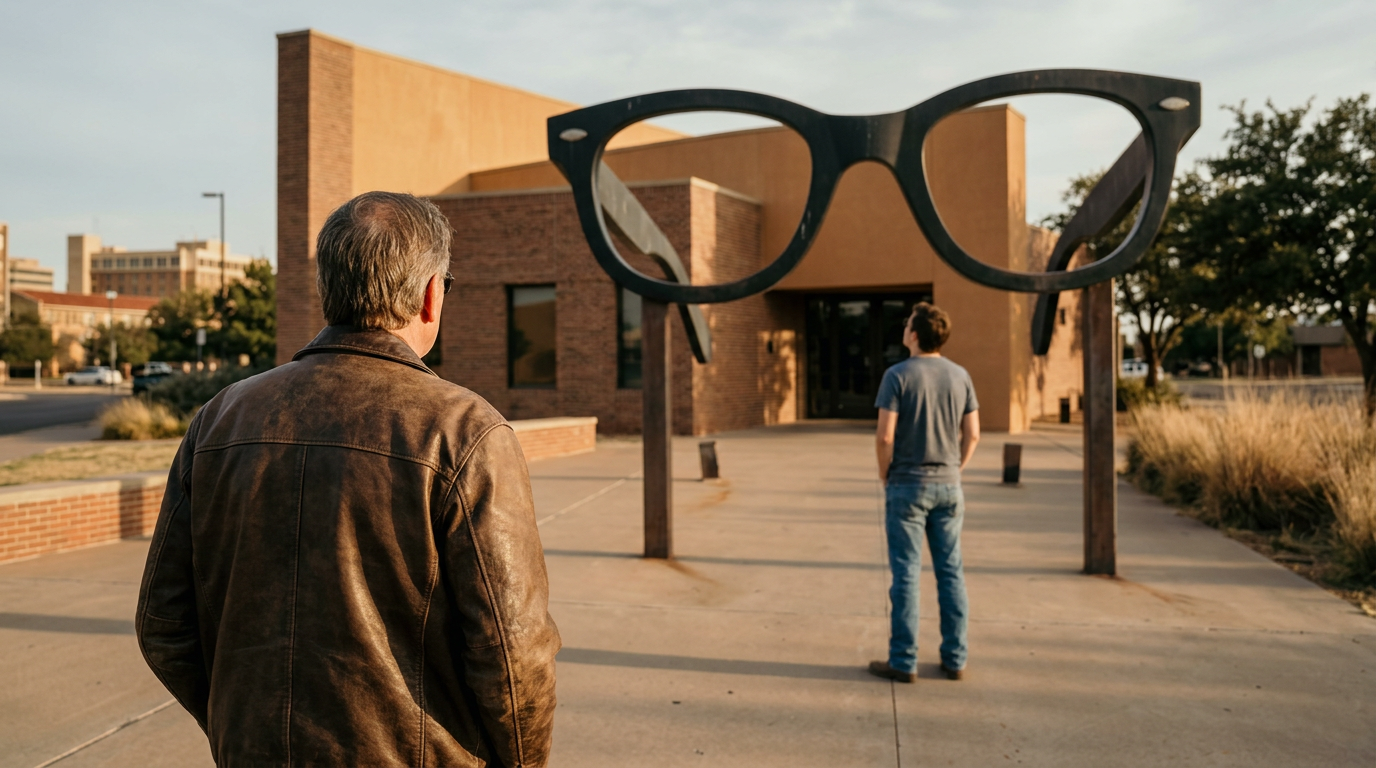
Lubbock, Texas, often referred to as the 'Hub City,' holds a unique position in the pantheon of American music history. Historically, West Texas served as a crossroads for various cultural influences, blending the rugged individualism of the ranching frontier with the creative ferment of early twentieth-century radio. This environment fostered the development of rock and roll pioneer Buddy Holly, whose brief but explosive career forever altered the trajectory of popular music. The city has recently seen a resurgence in cultural tourism, leveraging its historical assets to draw international visitors who wish to stand where the foundations of modern music were laid. The city's commitment to preserving this history is evident in its meticulously curated landmarks and the local government's investment in the arts district. By centering its tourism strategy on the life and times of Charles Hardin Holley, better known as Buddy Holly, Lubbock has managed to bridge the gap between its agricultural roots and its contemporary role as a college town and cultural hub. This strategic focus ensures that the sounds of the 1950s continue to resonate through the streets of modern-day Lubbock, providing an educational and nostalgic journey for all who visit.
Texas relevance
Texas tourism remains a vital economic driver for the state, and Lubbock serves as a critical anchor for the West Texas region. The city represents the intersection of Texas educational excellence at Texas Tech University and the state's storied musical heritage. For Texans and visitors alike, understanding Lubbock's cultural significance is essential to recognizing how regional Texas artists have exported the 'Lone Star State' identity to a global audience. The preservation of sites like the Buddy Holly Center demonstrates a statewide commitment to maintaining Texas history against the backdrop of rapid urban modernization.
The Architectural Tribute of the Buddy Holly Center
At the core of Lubbock’s musical pilgrimage is the Buddy Holly Center, a facility that serves both as a museum and a performance space. The center is housed in a restored railway depot, which in itself is a nod to Lubbock’s history as a transportation center for the South Plains. Visitors are greeted by a larger-than-life sculpture of Holly’s iconic horn-rimmed glasses, signaling the start of a deep dive into the archives of his life.
Inside, the collection includes personal artifacts, instruments, and handwritten lyrics that offer an intimate look at the man behind the music. The museum does not just focus on the star's fame but also highlights his upbringing in West Texas, showing how his local environment influenced his songwriting. These exhibits are vital for understanding how a young man from Lubbock could influence global icons like The Beatles and The Rolling Stones.
Beyond the main exhibits, the center also incorporates the Fine Arts Gallery, which showcases rotating exhibitions by contemporary local and regional artists. This integration of historic preservation and modern artistic expression ensures that the venue remains a vibrant part of the Lubbock community rather than a static monument. It serves as a reminder that the creative spirit Holly pioneered is still very much alive in the region today.
Walking Through J.I. Allison’s Childhood Home
A short distance from the museum sits the J.I. Allison House, the former residence of The Crickets' drummer. This house was relocated to the Buddy Holly Center site to preserve it from demolition and serves as a primary artifact of the band's early days. It was in this very living room that Buddy Holly and the Crickets practiced and wrote many of their hits, including the classic 'That’ll Be The Day.'
The house has been restored to reflect its 1950s appearance, providing visitors with a tactile experience of the era. Stepping into the small structure, one can almost sense the energy of a young band on the brink of superstardom. The simplicity of the setting contrasts sharply with the massive global impact the band eventually achieved, highlighting the humble beginnings of the rock and roll movement.
Tours of the home are often led by enthusiasts who share anecdotes about the group's dynamic and their time in Lubbock. This storytelling element is crucial for visitors, as it transforms a simple structure into a vessel for music history. It underscores the importance of local heritage sites in maintaining a narrative that larger, more commercialized museums might overlook.
The Lubbock Music Services and Local Landmarks
Traveling further into the city, visitors can explore various markers that denote significant spots in Holly’s life. From his final resting place at the Lubbock Cemetery to the locations of the high schools where he first performed, the city acts as a living map of the 1950s music scene. The Lubbock Cemetery, in particular, has become a site of quiet reflection for fans who travel from across the oceans to pay their respects.
Local businesses also lean into this heritage, with diners and shops often featuring memorabilia or hosting themed events. This cultural saturation makes a visit to Lubbock feel like a step back in time, even as the city grows with modern infrastructure and a bustling university population. The synergy between the city's past and its current status as a medical and educational hub creates a unique atmosphere for travelers.
For those looking to catch a live show, the Buddy Holly Hall of Performing Arts and Sciences offers a world-class venue that rivals those found in much larger cities. The hall’s acoustics and design are a tribute to the city's artistic standards, providing a venue for everything from Broadway tours to local symphony performances. It represents the pinnacle of Lubbock’s recent efforts to solidify its status as the cultural capital of the South Plains.
Economic Impact of Heritage Tourism in West Texas
The focus on Buddy Holly is not merely about nostalgia; it is a significant economic engine for Lubbock. Cultural tourism brings in thousands of visitors annually, filling hotel rooms and supporting local restaurants and retail. By marketing itself as a music destination, Lubbock differentiates itself from other West Texas cities that might rely more heavily on the oil or cotton industries.
State grants and local hotel occupancy taxes are often reinvested into these cultural sites, creating a self-sustaining cycle of preservation and promotion. This investment has led to the revitalization of the downtown area, turning once-neglected warehouse districts into vibrant centers for nightlife and the arts. The success of this model has caught the attention of other Texas municipalities looking to leverage their own unique histories.
Furthermore, the influx of international tourists brings a global perspective to the city. Visitors from the United Kingdom, Japan, and beyond frequently make the trek to Lubbock, driven by a lifelong love for the music of the 1950s. This international interest validates the city’s efforts and ensures that the story of Buddy Holly remains a global narrative rather than just a local anecdote.
Future Outlook for the Hub City’s Arts Scene
Looking ahead, Lubbock shows no signs of slowing down its cultural expansion. There are ongoing projects to further develop the Cultural District, including more public art installations and pedestrian-friendly walkways that connect the various historical sites. The city aims to make the 'Buddy Holly experience' even more accessible to families and younger generations who may be discovering his music for the first time.
Education also plays a key role, with local programs using Holly’s story to inspire school-aged children to pursue music and the arts. By showing that a local boy could change the world with a guitar and a dream, the community fosters a sense of pride and possibility. This legacy is perhaps the most enduring part of the Buddy Holly story—the inspiration it provides to future Texas artists.
As Lubbock continues to evolve, the balance between modernization and preservation will remain a key focus. The city’s ability to honor its legends while embracing the future ensures that it will remain a destination for travelers for decades to come. Whether one is a die-hard music fan or just a casual traveler, the journey through the footsteps of Buddy Holly offers a profound look at the heart of Texas culture.
Analysis
Opinion: While many travelers flock to the metropolitan hubs of Austin or Dallas, the true soul of Texas creativity is often better captured in cities like Lubbock. The city’s ability to commodify its history without losing its authentic West Texas charm is a model for other mid-sized Texas cities. By leaning into the 'Buddy Holly' brand, Lubbock isn’t just looking backward; it is actively using its past to fund the future of its arts and entertainment sectors, ensuring that the next generation of Texas musicians has a stage to stand on.
Source attribution
This story was reported using a public release from the Texas Travel Stories (Google News). Keep TX Red rewrote the coverage independently and links to the official statement for verification.
Frequently Asked Questions
- Where is the best place to start a Buddy Holly tour in Lubbock?
- The Buddy Holly Center, located at 1801 Crickets Avenue, is the ideal starting point. It houses a vast collection of memorabilia and is adjacent to the relocated J.I. Allison House, offering a comprehensive look at the artist's life and the band's early development.
- Are there guided tours available for these music sites?
- While the Buddy Holly Center and J.I. Allison House offer structured tours and self-guided exploration, many visitors opt for self-guided driving tours to visit other landmarks like the Holly gravesite and his childhood schools. The Lubbock Convention & Visitors Bureau provides maps and resources for these activities.
- Is Lubbock suitable for travelers who aren't specifically music fans?
- Absolutely. Lubbock offers a diverse range of attractions, including the National Ranching Heritage Center, award-winning wineries, and the vibrant campus of Texas Tech University. The city's arts district and culinary scene provide plenty of options for general travelers and families.
Official Sources
Take the next step
Browse the Newsroom →Read more about Keep Texas Red → Our full guide to what Keep Texas Red means and why Texans support it.
Related Articles


Get Texas updates delivered weekly.
Independent Texas reporting on politics, policy, and daily life. One email a week. Unsubscribe anytime.
Keep TX Red Newsroom
The Keep Texas Red Editorial Staff produces nonpartisan explainers, policy breakdowns, and educational resources to help Texans understand how their government works. All content is reviewed for accuracy and updated regularly.
About Keep TX Red →