Breaking Free from Major Chains: Top Local Houston Nonprofits for Home Goods Donations
Looking to donate in Houston? Skip the big chains and support these local charities helping veterans, women, and families rebuild their lives.
Editorial disclaimer: Opinions and analysis on Keep TX Red are editorial content — not statements of fact. See our editorial standards.
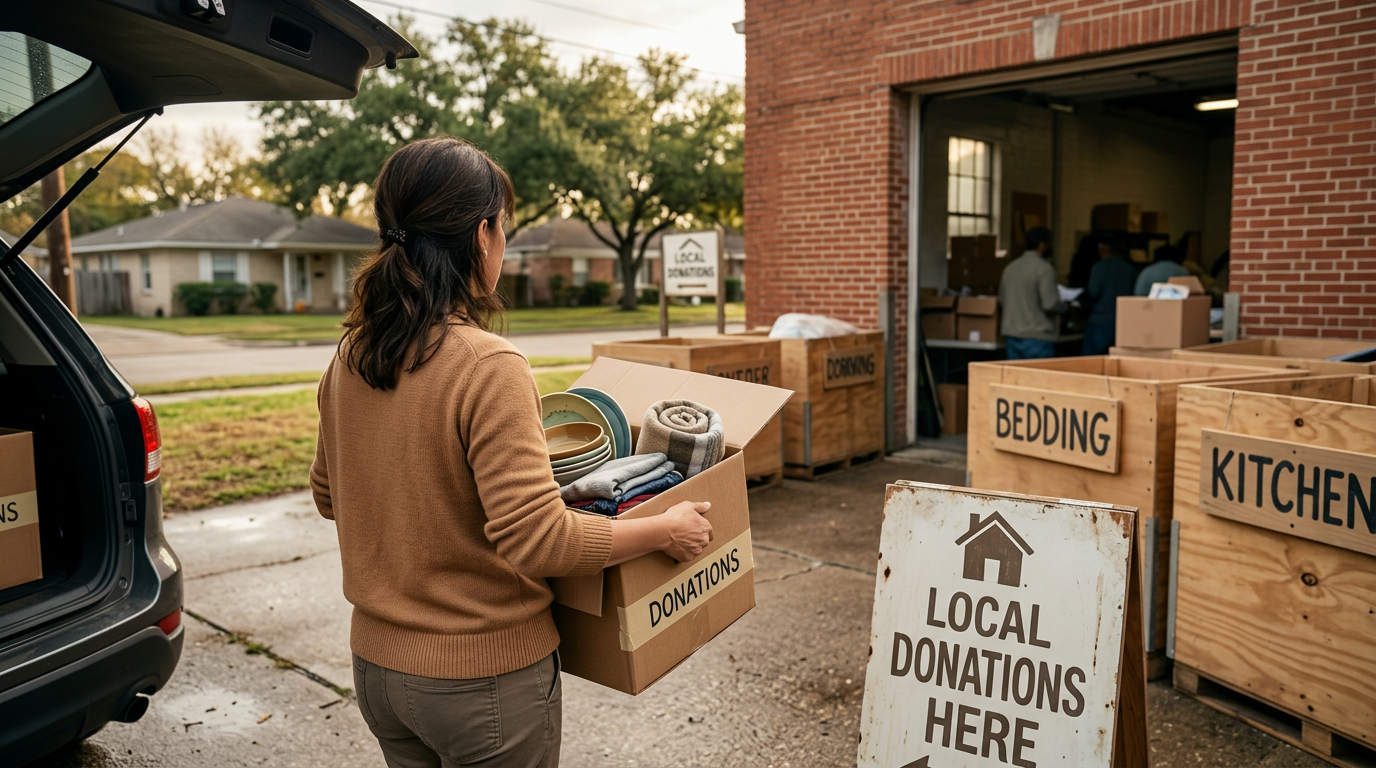
Residents in the Greater Houston area are increasingly seeking alternatives to national donation chains like Goodwill and the Salvation Army when clearing out their homes. Historically, Houston has maintained a robust network of hyper-local charities that prioritize direct-to-client distribution rather than the resale models used by larger corporate entities. This shift is driven by a desire to ensure that items like kitchenware, unopened air filters, and clothing reach those in immediate need, such as those transitioning out of homelessness or fleeing domestic violence situations. Local community advisors recommend distributing items across multiple specialized organizations to maximize the social impact of each donation, ensuring that specific needs—from household air quality to food preparation—are met by the most appropriate service providers.
Texas relevance
As one of the fastest-growing metropolitan areas in Texas, Houston faces unique challenges regarding housing turnover and domestic migration. When residents move between apartments in neighborhoods like Montrose, the Heights, or the Energy Corridor, the surplus of household goods creates a significant logistical opportunity for local aid. Texas-based organizations like the Star of Hope Mission and various Houston-area women's shelters rely heavily on these private contributions to furnish new starts for families across Harris County. By keeping these resources within the local ecosystem, Houstonians contribute to a circular economy that strengthens the city's social safety net without relying on out-of-state corporate structures.
Prioritizing the Kitchen: Outfitting Houston's New Starts
Kitchen essentials like pots, pans, and knife sets are among the most requested items for individuals moving into permanent supportive housing. In Houston, organizations often struggle to maintain a steady supply of functional cooking gear. For a family transitioning from a shelter to an apartment, the ability to cook a home-made meal is a critical step toward stability and long-term success.
Rather than selling these items to a third party, local charities often bundle them into 'welcome home' kits. These kits provide the fundamental tools necessary for food safety and nutrition. Donors are encouraged to ensure that all blades are safely wrapped and that sets are relatively complete, as this significantly reduces the labor required by volunteers to process and distribute the goods to waiting families.
Beyond just knives and pans, Tupperware and storage containers hold immense value for those on strict budgets. Being able to store leftovers safely helps prevent food waste and stretches the grocery budgets of low-income Houstonians. These items, often overlooked at large resale shops, are vital components of a functioning household that local missions are eager to accept and redistribute directly.
Maintenance and Air Quality: The Value of Unopened Goods
One unique category of donation often found during a move is maintenance supplies, specifically unopened air filters. In the humid and pollen-heavy climate of Southeast Texas, indoor air quality is a significant health concern, particularly for those with asthma or respiratory issues living in older housing stock. Donating these filters to non-profit housing programs ensures that low-income renters can maintain their HVAC systems effectively.
Most large-scale thrift stores might overlook high-efficiency filters or put them on a shelf where they may sit for months. In contrast, Houston-based housing advocates can immediately put these to use in the properties they manage or provide them to clients moving into new rentals. This direct application of maintenance goods saves the non-profit money on overhead, allowing them to redirect those funds toward emergency rental assistance or other critical services.
Similarly, cleaning supplies and unopened hygiene products are in high demand across the city. Houston's harsh weather creates a constant need for home upkeep, and providing these tools to those in need helps maintain the quality of the city's affordable housing units. Donors should look for organizations that specifically mention 'housing first' initiatives to ensure these practical items are utilized to their fullest potential.
Supporting Houston's Veterans and Refugee Communities
Houston is home to one of the largest veteran populations in the country, and several organizations specialize in helping these former service members find stability. When donating clothes and household goods, choosing a veteran-focused group ensures that the items support those who have served. These organizations often provide professional attire for job interviews and casual wear for those rebuilding their wardrobes.
Additionally, Houston serves as a major hub for refugee resettlement. New arrivals to the United States often come with very few possessions and must furnish an entire life on a very limited budget. Local resettlement agencies are frequently in search of bed linens, towels, and basic kitchen tools to help these new Texans feel at home and integrate successfully into the Houston workforce.
By targeting these specific demographics, donors can feel confident that their items are filling a specific void. Whether it is a veteran looking for a fresh start or a refugee family navigating their first Texas summer, the direct donation of home goods remains a cornerstone of Houston's welcoming culture. This targeted giving ensures that no item goes to waste while simultaneously addressing the local population's most pressing needs.
The Logistics of donating in Harris County
Managing the logistics of a move while trying to donate items requires careful planning. Many of Houston's smaller charities may have limited hours or specific drop-off days. It is recommended to call ahead or check the social media pages of local shelters to confirm they are currently accepting the specific items you have to offer. This prevents the common issue of 'dumping,' where items are left outside closed doors and eventually ruined by the elements.
For those with large volumes of goods, some local charities offer scheduled pickups, though these slots fill up quickly. If you are moving out of an apartment with a strict deadline, planning your donation run at least two weeks in advance is highly advisable. This ensures that the charity has the staff on hand to sort through your items and that you aren't forced to throw away useful goods at the last minute because you couldn't find a recipient.
Many Houstonians find success by using 'Buy Nothing' groups or local community apps to rehome items directly to neighbors. While this isn't a traditional charity donation, it serves the same purpose of keeping goods out of Harris County landfills. It also allows for a personal connection, as you often meet the person who will be using your old kitchen set or air filters, reinforcing the local communal spirit that defines the city.
Protecting Your Data and Safety During the Move
When donating items like electronics or even kitchen appliances that might have smart features, it is crucial to reset them to factory settings. Although items like air filters and pots are low-risk, any donation involving a community hand-off should be handled with safety in mind. Using well-lit, public locations for direct-to-individual donations is a standard best practice in the Houston metro area.
Additionally, if you are seeking a tax deduction for your donation, ensure the organization is a registered 501(c)(3) nonprofit. While smaller grassroots groups provide excellent direct aid, not all are equipped to provide the formal documentation required for IRS purposes. If the tax break is a priority, verify the status of the Houston charity beforehand so you can receive the proper receipt for your records.
Ultimately, the goal of Houston's donation culture is to foster a resilient community where resources are shared equitably. Whether through a formal shelter or a local community center, your surplus items play a vital role in the lives of fellow Texans. By moving away from the convenience of national chains, donors actively participate in the local economy and help maintain the social fabric of Houston's diverse neighborhoods.
Analysis
The preference for local Houston charities over national 'big-box' donation centers reflects a growing trend in Texas towards community-focused philanthropy. While large organizations offer convenience through numerous drop-off points, many donors express concern over high executive salaries and the percentage of goods that actually reach the underserved. By seeking out grassroots organizations, Houston residents ensure that their gently used items directly support their neighbors. This localized approach not only reduces the carbon footprint associated with logistical hauling but also fosters a stronger sense of civic duty and interconnectedness within the fourth-largest city in the United States.
Source attribution
This story was reported using a public release from the r/houston. Keep TX Red rewrote the coverage independently and links to the official statement for verification.
Frequently Asked Questions
- What is the benefit of donating to local Houston charities over Goodwill?
- Local charities often provide items directly to those in need at no cost to the recipient, whereas national chains typically sell donated goods in retail stores to fund their operations. Direct-service nonprofits in Houston ensure that your old kitchenware or clothing goes straight into the hands of a veteran, refugee, or family in transition.
- Can I donate unopened air filters and cleaning supplies in Houston?
- Yes! These items are highly valued by organizations that manage affordable housing or assist in rehousing projects. Because they are new and functional, they help low-income residents maintain a healthy living environment, which is especially important given the high mold and pollen counts in the Houston area.
- Where can I find a list of local Houston shelters needing home goods?
- The best resources are the City of Houston's official website, local 'Buy Nothing' groups on social media, and community directories like 'Impact Houston.' Calling 2-1-1 Texas can also provide information on localized charities in your specific zip code that are currently accepting household donations.
Official Sources
Take the next step
Browse the Newsroom →Read more about Keep Texas Red → Our full guide to what Keep Texas Red means and why Texans support it.
Related Articles


Get Texas updates delivered weekly.
Independent Texas reporting on politics, policy, and daily life. One email a week. Unsubscribe anytime.
Keep TX Red Newsroom
The Keep Texas Red Editorial Staff produces nonpartisan explainers, policy breakdowns, and educational resources to help Texans understand how their government works. All content is reviewed for accuracy and updated regularly.
About Keep TX Red →