The Global Expansion of Texas BBQ Traditions: Exporting Lone Star Smoke
An exploration of how Texas-style barbecue has evolved from a local tradition into a global culinary phenomenon influencing menus across the country.
Editorial disclaimer: Opinions and analysis on Keep TX Red are editorial content — not statements of fact. See our editorial standards.
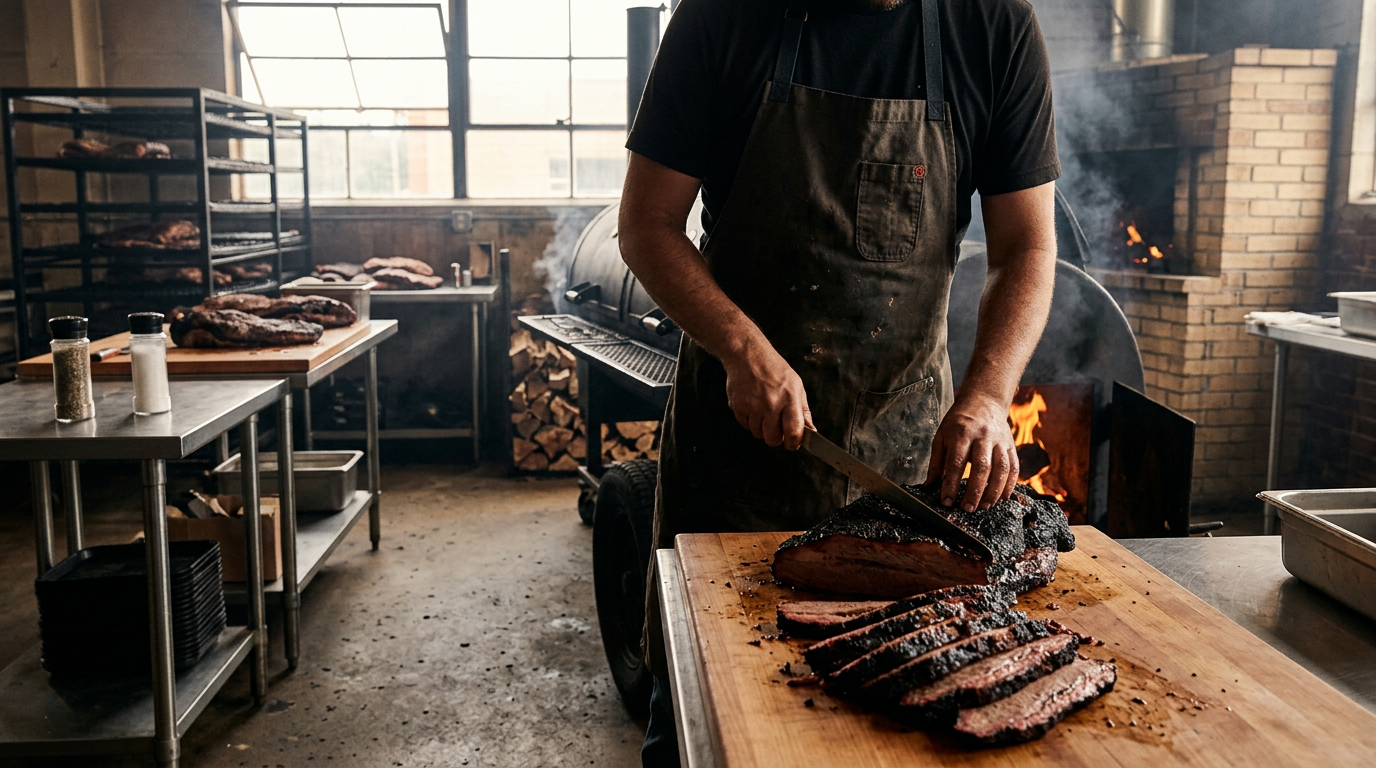
Texas barbecue has transcended its geographic origins to become a worldwide standard for culinary excellence, with 'Texas-style' joints appearing in nearly every major city across the United States. Historically, this method of cooking was rooted in the Central Texas meat markets of the late 19th century, where German and Czech immigrants used wood-fired pits to preserve unsold meats. Today, this distinctive style—defined by a heavy emphasis on beef brisket, a simple salt-and-pepper rub, and the use of native post oak wood—serves as the blueprint for artisanal barbecue worldwide. The recent surge in popularity has led to a new wave of pitmasters who, while operating far from the Brazos or Colorado rivers, strictly adhere to the rigorous standards established by legendary Texas smokehouses. This expansion reflects a broader trend of regional identity being exported as a premium lifestyle brand, where the techniques of the Hill Country are treated with the same reverence as fine dining. As travelers seek out authentic experiences, these out-of-state establishments act as cultural ambassadors for the Lone Star State, proving that the 'low and slow' philosophy is a timeless export.
Texas relevance
As the undisputed home of this culinary art form, Texas maintains a significant stake in how its barbecue brand is represented globally. For residents of cities like Houston, Austin, and Dallas, the proliferation of Texas-style joints outside state lines reinforces the economic value of local traditions and supports a massive tourism industry built around 'BBQ pilgrimages.' The state's influence is not merely aesthetic; it drives the market for high-quality Texas cattle and the manufacturing of custom-made offset smokers, many of which are fabricated in small Texas towns and shipped to restaurants across the globe. This trend also creates a competitive standard that pushes local Texas pitmasters to continue innovating while staying true to the heritage that made them famous.
The Anatomy of Central Texas Style
What distinguishes Texas-style barbecue from the traditions of the Carolinas, Memphis, or Kansas City is primarily the focus on beef. While southern barbecue often centers on the hog, Texas tradition elevates the brisket—a notoriously difficult cut of meat that requires up to 16 hours of precise temperature management to master. The hallmark of a true Texas pit is the absence of heavy sauces; the goal is to let the quality of the meat and the nuance of the smoke stand on their own.
The equipment used is equally critical to the identity of the craft. Most authentic Texas-style establishments utilize offset smokers, where the heat and smoke from a separate firebox are drawn across the cooking chamber. This indirect heat allows for the slow rendering of fat and the development of the 'bark'—the dark, flavorful crust that is the pride of every pitmaster. Without this specific mechanical process, the result is simply smoked meat, not Texas barbecue.
Furthermore, the choice of wood is a non-negotiable element of the tradition. Post oak is the gold standard in Central Texas because it provides a mild, clean smoke flavor that does not overpower the beef. In other regions, pitmasters may substitute hickory or mesquite, but those seeking the specific profile of a Lockhart or Austin smokehouse will almost always seek out seasoned oak to replicate the exact sensory experience of the Texas heartland.
From Meat Markets to Global Menus
The evolution of the Texas barbecue joint from a humble butcher shop side-business to a global culinary icon is a relatively recent phenomenon. In the early 20th century, pits were a means of utility. Farmers and laborers would visit local meat markets, purchase smoked scraps on butcher paper, and eat with their hands. This lack of pretense remains a core component of the Texas experience, even as the price of brisket has risen to reflect its artisanal status.
The digital age accelerated this growth significantly. Social media platforms and food-focused television series turned small-town Texas pitmasters into international celebrities. This visibility encouraged entrepreneurs in cities like New York, Los Angeles, and even London to study the craft. Often, these aspiring pitmasters spend months apprenticing in Texas to learn the rhythm of the fire before opening their own locations, ensuring the lineage of the technique remains intact.
Today, the influence of the Texas style can be seen in the 'craft barbecue' movement. This movement prioritizes sourcing from specific ranches, using hormone-free beef, and maintaining transparency about the cooking process. It has moved barbecue out of the realm of fast food and into the world of high-end culinary arts, where diners are willing to wait in line for hours for a single slice of prime rib or salted pork ribs.
Economic Impact of the Smoked Meat Industry
The reach of Texas barbecue extends deep into the state's economy, specifically within the agricultural and manufacturing sectors. Texas is the leading producer of beef in the United States, and the high demand for 'Prime' and 'Choice' grade briskets from barbecue enthusiasts nationwide helps stabilize prices for local ranchers. As more restaurants open globally, the demand for Texas-raised cattle continues to see healthy growth.
In addition to livestock, Texas is the primary exporter of barbecue technology. Companies located in places like Mesquite, Belton, and Houston produce the high-capacity steel pits required to cook at scale. These units, which can cost tens of thousands of dollars, are shipped internationally to satisfy the growing appetite for authentic smoke. This has created a niche manufacturing sector that employs thousands of skilled welders and laborers across the state.
Tourism also plays a vital role. The 'Texas BBQ Trail' is a significant draw for international visitors who want to experience the source of the global trend. Local municipalities in rural Texas have seen a revitalization of their downtown areas thanks to the influx of 'barbecue tourists.' These visitors spend money on lodging, fuel, and other local services, providing a critical economic lifeline to communities that might otherwise be overlooked.
The Ritual of the Smokehouse
Part of why Texas barbecue is so difficult to replicate is the intense physical and mental demand of the process. A pitmaster's day often begins at 2:00 AM, tending to coals and monitoring airflow to ensure consistency. This dedication to 'the craft' is what separates a true Texas-style joint from a standard restaurant. It is a labor-intensive ritual that requires a deep understanding of thermodynamics, wood moisture content, and the specific anatomy of the meat.
The communal aspect of the smokehouse also contributes to its lasting appeal. In Texas, barbecue is a social equalizer. In the long lines at famous joints, CEOs stand next to construction workers, all waiting for the same tray of food. This democratic nature of the cuisine is something that out-of-state establishments strive to recreate, often designing their dining rooms with long communal tables and a casual, self-service atmosphere.
For many, the experience is about more than just the food; it is about a connection to a slower pace of life. In an era of instant gratification, a meal that takes better than half a day to prepare is a radical concept. By exporting this style of cooking, Texas is also exporting a philosophy that values patience, hard work, and the rewards of a process that cannot be rushed by technology.
Future Trends: Innovation Within Tradition
While the core tenets of Texas barbecue are firmly rooted in history, the industry is not stagnant. A new generation of pitmasters is incorporating international flavors—such as Mexican, Vietnamese, and Korean influences—into the traditional smokehouse framework. This 'Tex-Mestizo' or 'Viet-Tex' fusion is gaining popularity in urban centers like Houston and is starting to follow the same expansion path as the original Central Texas style.
Sustainability is also becoming a key focus for the future of the industry. As the cost of wood and high-quality beef rises, pitmasters are looking for ways to maximize efficiency without compromising the integrity of the smoke. This includes better insulation for pits to reduce wood consumption and finding creative uses for every part of the animal, such as using brisket tallow in side dishes or desserts.
As the brand of Texas barbecue continues to evolve, the state remains the North Star for the industry. Whether it is through the hosting of massive festivals or the publication of authoritative rankings, Texas continues to define the parameters of excellence. As long as there is an appetite for authentic, smoked beef, the influence of the Lone Star State will continue to be felt on menus across the world.
Analysis
The globalization of Texas barbecue represents more than just a food trend; it is a testament to the power of authentic craftsmanship in a world of mass-produced dining. By maintaining a strict adherence to traditional methods—no gas, no electricity, and no shortcuts—Texas has successfully branded a specific type of labor as a luxury good. However, there is an ongoing debate within the community regarding 'culinary appropriation.' While some purists argue that true Texas barbecue requires Texas soil and air, the successful replication of the craft in distant locales suggests that the culture is defined by its people and their dedication to the fire, rather than just geography.
Source attribution
This story was reported using a public release from the Texas Food Stories (Google News). Keep TX Red rewrote the coverage independently and links to the official statement for verification.
Frequently Asked Questions
- What makes barbecue truly 'Texas-style'?
- The primary indicator of Texas-style barbecue, specifically from the Central Texas region, is the focus on beef brisket seasoned only with salt and black pepper. It is cooked over indirect heat using native woods like post oak, hickory, or mesquite, and is traditionally served without sauce to highlight the flavor of the meat and smoke.
- Why is brisket the most popular meat in Texas barbecue?
- Brisket became the standard because it was historically a cheap, tough cut of meat that required the long, slow smoking process to become tender. Over time, Texas pitmasters perfected the technique of rendering the fat and collagen in the brisket, turning it into a sought-after delicacy that showcases a chef's skill more than any other cut.
- Do you have to use a specific type of wood for authentic Texas BBQ?
- While different regions of Texas use different woods (such as mesquite in West Texas or pecan in East Texas), Central Texas style—which is the most exported style—almost exclusively uses seasoned post oak. Post oak is preferred because it burns long and hot while providing a mild smoke profile that doesn't mask the taste of the beef.
Official Sources
Take the next step
Browse the Newsroom →Read more about Keep Texas Red → Our full guide to what Keep Texas Red means and why Texans support it.
Related Articles

Get Texas updates delivered weekly.
Independent Texas reporting on politics, policy, and daily life. One email a week. Unsubscribe anytime.
Keep TX Red Newsroom
The Keep Texas Red Editorial Staff produces nonpartisan explainers, policy breakdowns, and educational resources to help Texans understand how their government works. All content is reviewed for accuracy and updated regularly.
About Keep TX Red →