Texas Sports Stadiums and Infrastructure Featured in New Interactive Exhibit
Discover how Texas's iconic sports stadiums and arenas are shaping local culture and economic development across the Lone Star State.
Editorial disclaimer: Opinions and analysis on Keep TX Red are editorial content — not statements of fact. See our editorial standards.
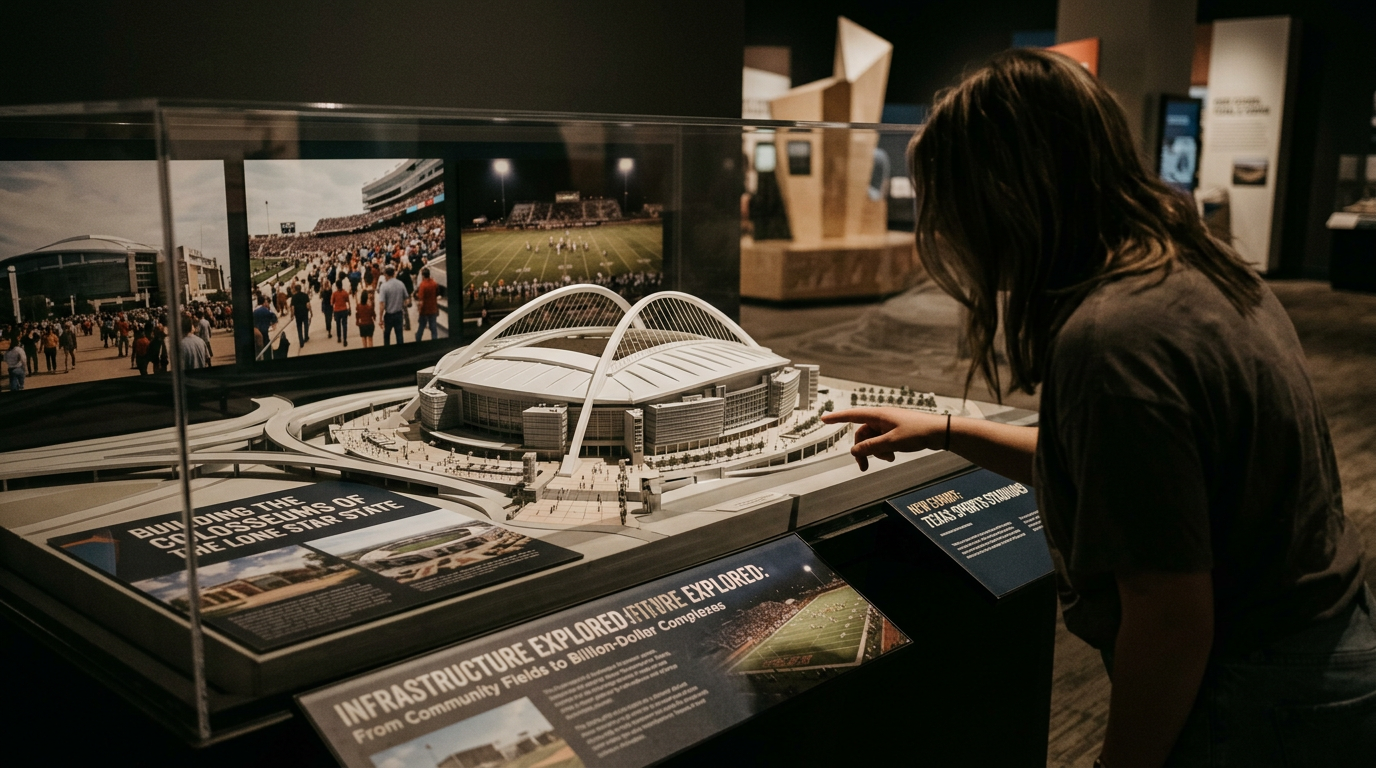
Historically, sports have served as a cornerstone of Texas identity, evolving from local community gatherings at high school football fields to the multi-billion dollar professional complexes that define modern skylines. The recent focus on Texas sports venues highlights the significant intersection of entertainment and civic pride. Whether it is the soaring arches of AT&T Stadium in Arlington or the modern aesthetic of Q2 Stadium in Austin, these structures represent more than just asphalt and steel. They are monumental hubs that consolidate regional power, attract international tourism, and foster a unique brand of Texas loyalty that spans generations. Recent cultural initiatives are now encouraging Texans to engage more deeply with these landmarks through interactive media and educational puzzles designed to test knowledge of the state's athletic geography.
Texas relevance
For Texans, the significance of these venues extends beyond the field of play. Every major metropolitan area in Texas—notably Dallas-Fort Worth, Houston, Austin, and San Antonio—has invested heavily in sports infrastructure as a primary driver of urban redevelopment and local tax revenue. In Austin, the introduction of professional soccer has transformed the North Burnet area, while in Arlington, the entertainment district serves as a central economic engine for Tarrant County. This story underscores the cultural ubiquity of these locations, emphasizing that a deep understanding of Texas sports history is a fundamental part of the state's modern heritage and social fabric. Understanding where these teams play is essential for understanding the demographic and economic shifts currently occurring across the state’s major corridors.
The Evolution of the Texas Stadium Experience
The transformation of the Texas sports venue reflects a broader evolution in consumer expectations. Decades ago, fans were content with bleacher seating and standard concessions. Today, the Texas sports landscape is defined by 'luxury-as-standard' amenities, which include climate-controlled environments, gourmet dining options, and high-definition screens that often rival the size of the playing field itself. This evolution has turned these venues into year-round destinations rather than seasonal assets.
This shift is most visible in the transition from multipurpose outdoor bowls to specialized architectural marvels. The Astrodome in Houston, once dubbed the 'Eighth Wonder of the World,' paved the way for this mindset by proving that indoor sports could thrive in the harsh Texas heat. Modern successors have taken this concept further, integrating mixed-use developments that feature hotels, retail spaces, and residential units directly adjacent to the stadium footprint, ensuring the site remains active 365 days a year.
Furthermore, the environmental considerations of these massive facilities have become a point of pride and competition. Leading Texas architects are now prioritizing LEED certifications and sustainable building materials. For instance, solar integration and water reclamation systems are becoming standardized in new construction projects across the I-35 corridor, reflecting a modernization of the Texas energy ethos within the realm of massive public entertainment spaces.
Economic Pillars in the Lone Star State
The financial impact of a premier sports venue on a Texas municipality cannot be overstated. When a city like Arlington or Houston hosts a major team, it isn't just about ticket sales; it is about the thousands of jobs created in the service, hospitality, and security sectors. These venues act as anchors for tourism, drawing in millions of visitors from neighboring states and international locations who spend money on lodging, transportation, and local dining.
Local governments often engage in complex public-private partnerships to fund these projects, arguing that the long-term tax revenue generated justifies the initial investment. In cities like Frisco, the development of sports-centric corridors has led to an explosion in property values and corporate relocations. This synergy between professional sports and corporate growth suggests that the 'stadium effect' is a primary tool for city planners attempting to elevate their city's national profile.
Despite the high costs, the presence of these iconic venues often serves as a prerequisite for hosting mega-events such as the Super Bowl, the Final Four, or the FIFA World Cup. These events bring a temporary but massive surge of capital into the local economy, often totaling hundreds of millions of dollars in a single week. For Texas, maintaining world-class stadiums is a strategic necessity to remain competitive in the global market for high-profile tourism and media production.
Cultural Identity and Social Cohesion
In a state as large and diverse as Texas, sports venues frequently serve as the modern equivalent of the town square. They are places where people of all backgrounds gather to participate in a shared ritual, regardless of their political or socioeconomic differences. This cultural significance is why venues like the Cotton Bowl in Dallas or Kyle Field in College Station are treated with a level of reverence typically reserved for historical landmarks.
The ritual of 'game day' in Texas has deep roots in the state’s agricultural and frontier history, where community gatherings were essential for social bonding. Today, that spirit is channeled through tailgating and stadium traditions that are unique to Texas. From the cannon fire at University of Texas games to the deep-fried delicacies found in the parking lots of NFL stadiums, the cultural output of these venues is a major component of the Texas brand.
Moreover, these venues often serve as critical community resources during times of crisis. During major hurricanes or weather events, Texas stadiums have frequently been converted into emergency shelters or logistics hubs. This dual-purpose nature—serving as both a place of joy and a place of refuge—deepens the emotional connection that many Texans feel toward these specific geographic locations.
High Tech Integration and Fan Engagement
The modern Texas fan experience is increasingly digital, and stadium owners are responding by blanketing their facilities with high-speed fiber optics and 5G connectivity. The goal is to create a 'frictionless' experience where fans can order food, watch instant replays on their phones, and share their experiences on social media without interruption. This technological layer is essential for attracting younger demographics who expect high levels of interactivity.
Gaming and interactive puzzles, such as those featured in regional publications, leverage this technological savvy. By gamifying the knowledge of these venues, cultural creators are able to bridge the gap between the physical experience of attending a game and the digital life of the fan. This approach keeps the brand of the venue relevant even during the off-season, fostering a continuous loop of engagement that benefits both the teams and the media outlets that cover them.
Additionally, the rise of augmented reality (AR) in Texas stadiums is the next frontier. Imagine a fan at a Houston Rockets game being able to point their phone at the court to see live player stats or historical highlights overlayed on the action. Texas-based tech firms are currently at the forefront of developing these features, further solidifying the state’s reputation as a hub for both sports and technological innovation.
Future Developments in Texas Sports Geography
Looking ahead, the movement toward 'boutique' or specialized venues is gaining momentum in Texas. While the era of the 100,000-seat stadium is not over, there is an increasing demand for smaller, more intimate arenas designed for specific sports like soccer, rugby, or esports. This diversification allows smaller cities and suburban areas to participate in the sports economy without the astronomical overhead of a massive NFL-style complex.
Urban planning in Texas is also evolving to better integrate these venues into the pedestrian fabric of cities. Instead of being isolated by seas of parking lots, new projects in Austin and San Antonio are prioritizing walkability and public transit access. This shift is intended to make sports venues a more organic part of the daily urban experience, encouraging fans to spend more time in the surrounding neighborhoods before and after events.
Ultimately, the map of Texas sports venues will continue to expand as the state's population grows. As new metropolitan hubs emerge, the demand for high-quality athletic infrastructure will follow. The ongoing focus on these locations—whether through digital puzzles or physical construction—ensures that the legacy of Texas sports remains a central pillar of the state’s story for the foreseeable future.
Analysis
From an editorial perspective, the focus on sports venues signals a shift in how Texas media outlets cultivate audience loyalty. By turning geographic knowledge of stadiums into a form of cultural literacy, organizations are tapping into the high levels of regionalism that define the state. This trend highlights a broader reality: in Texas, professional and collegiate sports often serve as the most effective 'connective tissue' between disparate populations. While political and social lines may be drawn sharply across the state, the shared experience of visiting a venue like Minute Maid Park or the Moody Center creates a form of common ground. The emphasis on these physical locations also points to the ongoing 'stadium arms race' in Texas, where cities compete to host the most technologically advanced and comfortable facilities to secure long-term franchise commitments and massive events like the World Cup.
Source attribution
This story was reported using a public release from the Texas Monthly. Keep TX Red rewrote the coverage independently and links to the official statement for verification.
Frequently Asked Questions
- Which Texas city has the most professional sports venues?
- The Dallas-Fort Worth metroplex currently holds the lead, featuring major venues for the NFL, MLB, NBA, and NHL, as well as several professional soccer and minor league facilities across Arlington, Dallas, and Frisco.
- How do these venues impact local taxes?
- Most venues generate significant revenue through sales taxes on tickets, concessions, and merchandise, as well as hotel occupancy taxes from visiting fans. This revenue is often used to fund city services or pay off the bonds used to build the stadiums.
- Why are media outlets creating puzzles about sports venues?
- It is a strategy to increase digital engagement and test cultural literacy. For many Texans, knowing the home stadiums of major teams is considered a core part of regional identity and local knowledge.
- What is the future of stadium design in Texas?
- The trend is moving toward mixed-use 'districts' that combine stadiums with shopping, dining, and housing, as well as smaller, high-tech venues for niche sports and esports.
Official Sources
Take the next step
Browse the Newsroom →Read more about Keep Texas Red → Our full guide to what Keep Texas Red means and why Texans support it.
Related Articles

Get Texas updates delivered weekly.
Independent Texas reporting on politics, policy, and daily life. One email a week. Unsubscribe anytime.
Keep TX Red Newsroom
The Keep Texas Red Editorial Staff produces nonpartisan explainers, policy breakdowns, and educational resources to help Texans understand how their government works. All content is reviewed for accuracy and updated regularly.
About Keep TX Red →