San Antonio's Emily Morgan Hotel: A Living Monument to Texas History
Discover how the historic Emily Morgan Hotel in San Antonio bridges the gap between the 1920s and modern Texas preservation efforts.
Editorial disclaimer: Opinions and analysis on Keep TX Red are editorial content — not statements of fact. See our editorial standards.
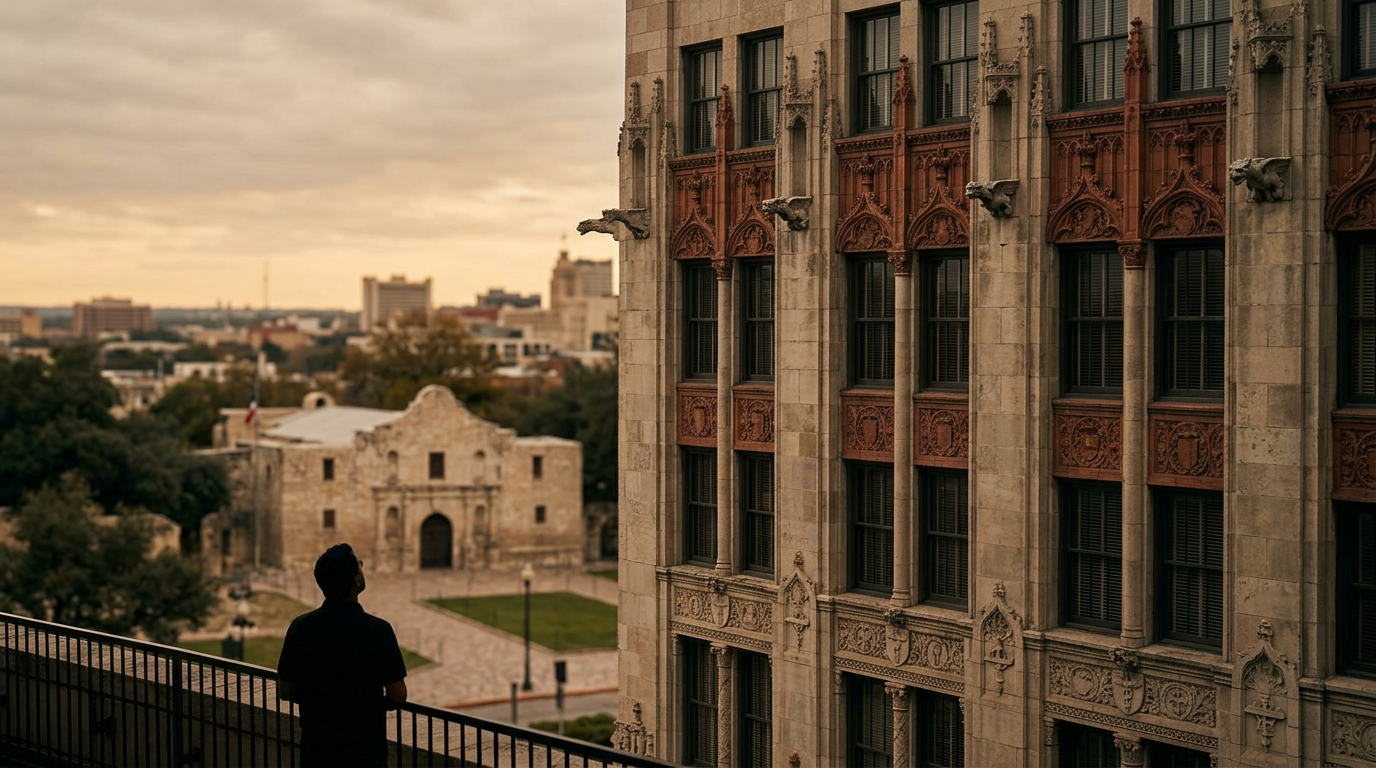
The Emily Morgan Hotel, a cornerstone of the San Antonio skyline, continues to serve as a vital link between the early 20th century and the evolving landscape of Alamo Plaza. Originally constructed in the 1920s to serve the city as the Medical Arts Building, this Gothic Revival masterpiece has transitioned from a hub of healthcare to one of the most iconic luxury hotels in the Lone Star State. Its proximity to the Alamo makes it more than just a place for lodging; it is a silent observer of centuries of Texas triumph and transition. Unlike traditional monuments that are static, this structure remains a functional part of the city's economic and cultural life. Historically, Texas has often led the way in adaptive reuse, transforming aging infrastructure into modern landmarks. The Emily Morgan stands as a primary example of how the state balances the rapid expansion of the 21st century with a profound respect for the aesthetic and social legacies of the past. As discussions regarding the redevelopment of the Alamo Plaza continue to unfold through 2026, the building serves as a constant reminder that history is inclusive of the structures people still utilize daily.
Texas relevance
For residents of San Antonio and visitors across Texas, the Emily Morgan Hotel represents the intersection of urban development and cultural identity. Located in the heart of the Alamo Plaza Historic District, its presence directly impacts how millions of people experience the 'Cradle of Texas Liberty' each year. The building’s survival and success are indicative of San Antonio's commitment to preserving its unique architectural fabric even as the city grows into one of the largest metropolitan areas in the United States. Furthermore, the hotel provides significant tax revenue and employment for the local community, demonstrating that historical preservation is not merely about sentimentality but is a driver of the regional economy. The ongoing efforts to revitalize the surrounding plaza ensure that this building remains at the center of public discourse regarding Texas heritage.
From Medical Arts to Hospitality Icon
In the mid-1920s, San Antonio was a city on the rise, and the construction of the Medical Arts Building was a signal of its scientific and modern ambitions. Designed by the renowned architect Ralph Cameron, the tower was intended to concentrate the city's medical professionals in a single, state-of-the-art facility. The building's design was heavily influenced by the neo-Gothic style, featuring ornate terra cotta details that include gargoyles and intricate carvings, many of which ironically depicted various ailments and medical conditions of the era.
As medical technology advanced and doctors moved to larger hospital complexes outside the city center, the building faced the threat of obsolescence. However, its architectural significance prevented it from being discarded. In the 1980s, the structure underwent its first major conversion, transitioning into a hotel. This pivot saved the structure from the wrecking ball and set a precedent for other historic buildings in downtown San Antonio. Today, it is recognized as a 'Historic Hotel of America,' a designation that highlights its significance to the national narrative of architecture and hospitality.
The hotel is named after Emily West, the legendary figure known as the 'Yellow Rose of Texas.' By associating the building with this folk heroine, the site further integrates itself into the mythos of the Texas Revolution. This branding exercise has been immensely successful, drawing in travelers who are looking for an experience that feels deeply rooted in local lore rather than a standard corporate stay. The building's physical presence at the edge of the Alamo grounds allows it to serve as a backdrop for countless historical reenactments and civic ceremonies.
Architectural Significance and Preservation Challenges
Maintaining a century-old skyscraper in the humid climate of South Texas is no small feat. The Emily Morgan’s facade, characterized by its copper roof and stone masonry, requires constant attention to prevent erosion and structural decay. Preservationists in San Antonio have worked closely with hotel management to ensure that renovations do not compromise the building's historical integrity. This includes the painstaking restoration of the terra cotta gargoyles, which are some of the most photographed architectural features in the city.
The interior of the building also presents unique challenges for modern usage. Converting a building designed for 1920s doctor offices into a luxury hotel required creative floor plans and significant upgrades to electrical and plumbing systems. These hurdles illustrate the dedication required from Texas property owners to keep historic landmarks functional. The state's tax incentives for historic preservation have played a critical role in making these types of projects financially viable for private investors.
Beyond the physical maintenance, the Emily Morgan must navigate the strict zoning and preservation laws of the Alamo Plaza Historic District. Any changes to the exterior are heavily scrutinized by the city’s Office of Historic Preservation. This ensures that the aesthetic harmony of the area is maintained, preventing the commercialization of the plaza from overshadowing its historical gravity. The hotel serves as a buffer between the commercial bustle of downtown San Antonio and the somber, hallowed grounds of the Alamo.
The Evolution of Alamo Plaza through 2026
The year 2026 marks an important milestone in the broader plan to redesign and restore the Alamo Plaza. As the city and the state work together to create a more reverent and historically accurate experience for visitors, the Emily Morgan remains a fixed point in an area otherwise undergoing massive change. Plans to move various tourist attractions and create a pedestrian-only zone around the mission have sparked significant debate among locals and business owners. Throughout this process, the hotel has remained a symbol of stability.
Critics of the redevelopment plan have often pointed to our existing historic structures as assets that need to be better integrated into the overall visitor experience. The Emily Morgan demonstrates that a building can be both a private commercial success and a public historical asset. Its ability to thrive amidst the surrounding construction projects shows the resilience of San Antonio’s historic core. As the plaza becomes more focused on the 1836 battle, the hotel provides a necessary bridge to later chapters of Texas history, such as the early 20th-century boom.
Future developments in the area are expected to further emphasize the 'living' nature of the district. By 2026, the goal is to have a cohesive flow between the museum exhibits at the Alamo and the historic storefronts and hotels that line the perimeter. The Emily Morgan’s role as a spectator to this evolution cannot be overstated. It stands as a testament to the belief that the past should be lived in, not just looked at through a fence. The building’s height and proximity allow guests to overlook the very ground where history was made, fostering a unique connection to the land.
Cultural Impact and the Legacy of the Yellow Rose
The story of the Emily Morgan is also the story of Texas identity and the legends we choose to tell. By naming the hotel after a woman of color associated with the Texas Revolution, the city acknowledges a more diverse history than is often found in older textbooks. While the historical facts regarding the real Emily West are often debated by scholars, the cultural impact of her legend is undeniable. The hotel embraces this narrative, offering guests a glimpse into the folklore that has shaped the Texas spirit.
This connection to local legend makes the hotel a destination for those interested in the 'haunted' history of San Antonio. Many visitors are drawn to the building because of its former life as a medical facility and its reputation as one of the most haunted hotels in the world. Whether or not one believes in the supernatural, these stories contribute to the building's mystique and help keep it relevant in a competitive tourism market. It shows that in Texas, history and myth are often intertwined in ways that captivate the public imagination.
The hotel also serves as a hub for local artists and historians. Over the years, it has hosted numerous events that celebrate San Antonio’s heritage, from book launches to historical tours. By opening its doors to the community, the Emily Morgan avoids becoming an elitist enclave, instead functioning as a shared space for those who love Texas history. This engagement is crucial for long-term preservation efforts, as it builds a constituency of people who feel a personal connection to the building’s survival.
Economic Contributions to the San Antonio Economy
From an economic perspective, the Emily Morgan is a powerhouse within the San Antonio tourism sector. The hotel industry is one of the top employers in the city, and historic properties like this one command higher room rates due to their unique character. Travelers in the 2020s are increasingly seeking 'authentic' experiences over standardized lodging, and the Emily Morgan is perfectly positioned to capture this market. This revenue stays within the city, supporting public services and infrastructure projects far beyond the Alamo Plaza.
The success of the hotel also encourages other nearby property owners to invest in their own historic assets. When one landmark is well-maintained and profitable, it raises the value of the entire district. This creates a positive feedback loop of investment and preservation that protects the city's character. In a state where private property rights are highly valued, showing that preservation is profitable is the most effective way to ensure the long-term protection of our architectural heritage.
Furthermore, the Emily Morgan's operations provide a stable source of jobs for various sectors, from hospitality and maintenance to marketing and management. Many employees have worked at the hotel for decades, developing an intimate knowledge of the building’s quirks and history. This human element is essential to the building’s legacy; the people who work there are the current guardians of the stone witness. Their stories, combined with the building's physical history, create a rich tapestry of life in modern San Antonio.
Analysis
The enduring popularity of the Emily Morgan suggests a growing trend in Texas towards 'living history.' Rather than tearing down the old to make way for the new, city planners and private developers are increasingly finding value in the authenticity that historic structures provide. This approach allows the state to maintain a distinct visual identity that differentiates it from the generic skylines often found in other rapidly developing American regions. By maintaining these landmarks, Texas reinforces a sense of place and continuity that is essential for long-term community stability and tourism.
Source attribution
This story was reported using a public release from the r/texas. Keep TX Red rewrote the coverage independently and links to the official statement for verification.
Frequently Asked Questions
- Was the Emily Morgan Hotel always a hotel?
- No, it was originally built in the 1920s as the Medical Arts Building. It housed various medical offices and was a central hub for healthcare in San Antonio before being converted into a hotel in the 1980s.
- Why is it called the Emily Morgan?
- The hotel is named after Emily West (also known as Emily Morgan), a legendary figure often referred to as the 'Yellow Rose of Texas,' who is said to have played a role in the Texas Revolution.
- What is unique about the building's architecture?
- The building features a neo-Gothic style with a distinctive copper roof. It is famous for its terra cotta gargoyles, some of which were designed to represent different medical ailments as a nod to its original purpose.
- Is the hotel part of the new Alamo visitor center plans?
- While the Emily Morgan is a privately owned hotel, it sits within the Alamo Plaza Historic District and is a major stakeholder in the district's ongoing 2026 revitalization and master plan projects.
Official Sources
Take the next step
Browse the Newsroom →Read more about Keep Texas Red → Our full guide to what Keep Texas Red means and why Texans support it.
Related Articles


Get Texas updates delivered weekly.
Independent Texas reporting on politics, policy, and daily life. One email a week. Unsubscribe anytime.
Keep TX Red Newsroom
The Keep Texas Red Editorial Staff produces nonpartisan explainers, policy breakdowns, and educational resources to help Texans understand how their government works. All content is reviewed for accuracy and updated regularly.
About Keep TX Red →