Landing in Clear Lake: A Comprehensive Guide for NASA Johnson Space Center Interns Moving to Houston
Essential housing and transport guide for NASA college interns relocating to Houston's Johnson Space Center for the upcoming semester.
Editorial disclaimer: Opinions and analysis on Keep TX Red are editorial content — not statements of fact. See our editorial standards.
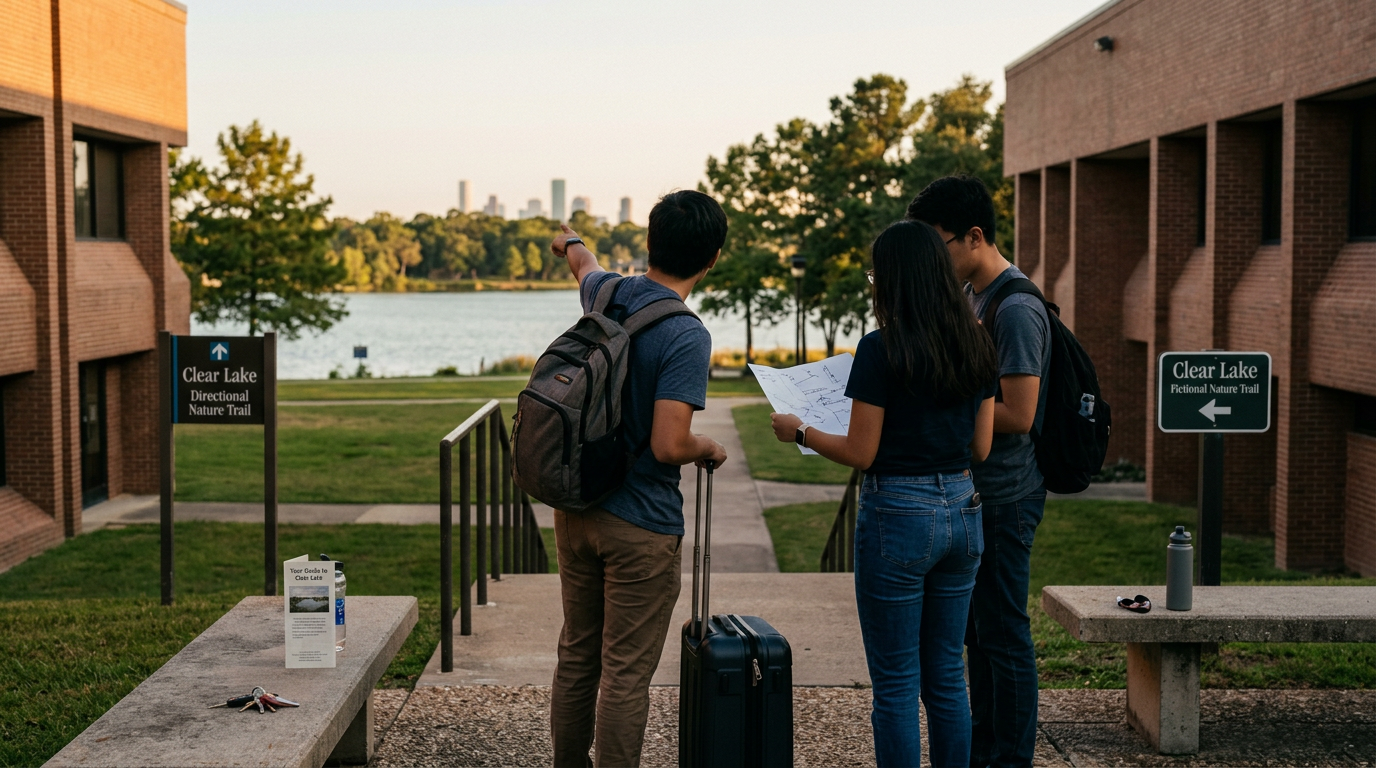
The arrival of a new seasonal cohort of interns at the NASA Johnson Space Center (JSC) highlights a recurring challenge for students relocating to the Greater Houston area from out of state. These students, often coming from academic hubs in the Northeast or West Coast, must quickly navigate the specific logistical demands of the Southeast Houston metropolitan landscape. The transition involves securing short-term housing and establishing reliable transportation in an area where public transit options are significantly different from those found in dense coastal cities. Historically, Houston has grown as a car-centric metropolis, and the Clear Lake area surrounding NASA serves as a prime example of this development pattern. Relocating for a prestigious internship at one of the nation’s most important federal facilities requires proactive planning and a clear understanding of the local geography. Unlike other federal hubs, the Johnson Space Center is situated approximately 25 miles south of downtown Houston, nestled between several distinct municipalities including Clear Lake City, Webster, and Nassau Bay. For a college student arriving for a fall or spring term, the sudden need to find a furnished apartment or a compatible roommate in a suburb with high demand for short-term leases can be a daunting hurdle before their work even begins. This guide explores the essential components of moving to the ‘Space City’ for professional development.
Texas relevance
This story is deeply rooted in the economic and cultural identity of Houston, Texas, specifically the Bay Area region. The Johnson Space Center is one of the largest employers in the area and a major driver of the local economy, attracting thousands of temporary residents and students each year. Understanding the infrastructure of the Clear Lake and League City regions is vital for maintaining Texas's status as the premier hub for aerospace innovation and ensuring the state remains hospitable to the nation's top engineering and scientific talent. Successful integration of these interns also benefits local businesses ranging from hospitality to real estate in the Harris and Galveston County lines.
Navigating the Clear Lake Geographic Layout
The Johnson Space Center is not located in the urban center of Houston, but rather in a sprawling suburban enclave known as Clear Lake. For those unfamiliar with the area, the footprint of JSC is massive, encompassing over 1,600 acres of land. Residents generally look for housing in Nassau Bay, which is directly across the street from the main entrance, or in Webster and Clear Lake City. These areas provide the most convenient commute, often reducing travel time to under ten minutes, which is a rare luxury in the Greater Houston region.
Interns should be aware that the area is bisected by Interstate 45 and Highway 3. These arteries are the lifelines of the region but also the primary sources of traffic congestion. Choosing a side of the freeway to live on can dictate your daily routine; for instance, living east of I-45 puts you closer to the water and the NASA campus, while living west often provides more affordable shopping and dining options in the burgeoning areas of Friendswood and Pearland. Most temporary residents find that staying within a five-mile radius of the Space Center Blvd entrance is the most sustainable strategy for a single semester.
Beyond the immediate vicinity of NASA, the neighboring cities of League City and Seabrook provide alternative lifestyles. League City is one of the fastest-growing municipalities in Texas and offers many modern apartment complexes with amenities like pools and fitness centers that are popular with younger professionals. Seabrook offers a more coastal, laid-back atmosphere with access to the Galveston Bay waterfront. However, interns living in these areas should plan for a 15-to-20-minute drive, factoring in the unpredictable nature of Texas coastal weather and road construction.
The Reality of Transportation in Southeast Houston
The most critical adjustment for interns moving from the Northeast to Texas is the near-total reliance on personal vehicles. Houston’s METRO system and the regional Park & Ride services are primarily designed to move commuters from the suburbs into the Downtown and Texas Medical Center areas. There is very little public infrastructure facilitating travel between suburban residential clusters and the Johnson Space Center. Consequently, interns without a car often find themselves stranded or dependent on expensive rideshare services to perform basic tasks like grocery shopping.
For those who cannot bring a vehicle with them, the internal NASA 'bike share' or internal shuttle system can help navigate the campus itself, but it does nothing to assist with the commute from an apartment. Many interns choose to utilize local message boards or internal NASA outreach groups to find carpooling arrangements. Connecting with 'year-round' interns or full-time staff who live in the same apartment complex can be a life-saver. Without a car, the summer heat and high humidity of the Texas Gulf Coast make walking or cycling even short distances a physically demanding and often unsafe endeavor.
Furthermore, vehicle maintenance is a specific concern in this part of Texas. The proximity to the Gulf of Mexico means salt air can accelerate corrosion on older vehicles, and the intense Texas sun can damage interiors. Interns should ensure their vehicle’s cooling system is in peak condition before arriving. Understanding the local toll road system, specifically the Sam Houston Tollway (Beltway 8), is also necessary for navigating the broader Houston area, as these routes are often the only way to avoid gridlock on the main freeways.
Housing Strategies and Creative Short-Term Stays
Securing a short-term lease for three to four months is notoriously difficult in the traditional apartment market. Most major complexes in the Clear Lake area prefer 12-month commitments. To circumvent this, many NASA interns utilize corporate housing providers, though these can be prohibitively expensive on a student stipend. A more common approach is 'couch surfing' within the NASA community or finding rooms for rent through specialized Facebook groups and intern-hosted spreadsheets that are passed down from one cohort to the next.
Nassau Bay is particularly popular because many retired aerospace engineers and current employees rent out rooms or mother-in-law suites specifically to NASA interns. This not only provides a lower-cost housing solution but also offers valuable networking opportunities within the agency. Properties located near the Clear Lake Recreational Center are also highly sought after. Interns are encouraged to verify the safety and legitimacy of any private rental through the JSC intern coordinator or by checking local property records via the Harris County Appraisal District website.
Another viable option is looking into extended-stay hotels in the Webster area. While they lack the 'home' feel of an apartment, they include utilities, Wi-Fi, and cleaning services in the price, which simplifies things for a temporary move. Some of these establishments offer discounted monthly rates for federal interns. Regardless of the choice, it is vital to secure housing early, as the surge of interns for the fall and spring semesters often exhausts the most affordable and conveniently located units within weeks of the internship offers being sent out.
Adjusting to the Texas Gulf Coast Environment
Moving to Houston involves more than just a change of address; it requires an adaptation to a unique subtropical climate. The fall semester in Houston can remain sweltering through late October, with heat indices frequently exceeding 100 degrees. New residents must prioritize hydration and be aware of the signs of heat exhaustion. Additionally, this region is prone to sudden, heavy thunderstorms and is 17 miles from the coast, making it a prime zone for tropical weather activity during the Atlantic hurricane season, which runs through November.
Insects, particularly mosquitoes, are a significant factor of life in the Bay Area due to the proximity to marshes and the bay. Interns should be prepared for pest control measures both personally and within their living spaces. Despite these environmental challenges, the area offers unique perks. The Clear Lake region is home to several beautiful parks and nature preserves, such as the Armand Bayou Nature Center, where one can see alligators and local migratory birds. Embracing the local environment is a key part of the Texas experience.
The social shift is also noteworthy. The 'Space City' culture is a blend of high-tech engineering and traditional Texas hospitality. The local dining scene is diverse, with Webster and Clear Lake offering some of the best Tex-Mex and Vietnamese cuisine in the state. Interns coming from the Northeast will find the pace of life slightly slower but the social interactions more frequent and friendly. Participating in local community events, such as the weekly farmers markets or Clear Lake boat parades, can help make the temporary stay feel more like home.
Essential Paperwork and Local Services
Temporary residents should be aware of the requirements for living in Texas, even if only for a short time. While out-of-state students do not typically need to change their driver's license or vehicle registration for a single semester, they should ensure their insurance covers them in Texas. If the internship extends beyond six months, Texas law regarding residency and vehicle registration becomes more stringent. It is also helpful to have a physical copy of your NASA offer letter, as some local businesses and apartment complexes offer 'government' discounts to those associated with JSC.
Healthcare is another consideration. Interns should locate the nearest urgent care facilities in Webster, such as those associated with the HCA Houston Healthcare Clear Lake system. Knowing where to go for minor medical issues without a long-term primary care physician is essential for those living away from home for the first time. Similarly, setting up a local bank account isn't usually necessary due to the prevalence of national banking chains, but using a local credit union often associated with NASA employees can provide additional financial benefits and convenience.
Finally, staying informed is critical for safety in Houston. Interns are encouraged to sign up for Harris County's emergency notification system ('ReadyHarris'). This provides real-time alerts regarding flooding, road closures, and severe weather. Given the vulnerability of the I-45 corridor to flooding during heavy rain events, having a reliable source of information for your specific commute can prevent dangerous situations. Being 'Texas-ready' means being proactive and informed about the local environment and its unique quirks.
Analysis
While NASA provides the professional platform, the private market is largely left to handle the biological and logistical needs of the intern workforce. This reliance on the local Houston market suggests a need for better-integrated student housing programs or partnerships with local developers to ensure that the brightest minds are not deterred by the rising cost of living in the Houston suburbs. From a local perspective, the influx of highly skilled temporary residents provides a seasonal boost to the local economy, but it also reflects the ongoing necessity for improved regional transportation infrastructure to link the suburban employment centers to the urban core.
Source attribution
This story was reported using a public release from the r/houston. Keep TX Red rewrote the coverage independently and links to the official statement for verification.
Frequently Asked Questions
- Can I survive at a NASA internship without a car?
- While technically possible through excessive use of rideshare services or carpooling, it is extremely difficult. The Clear Lake area is spread out, and public transit does not reliably connect residential areas to the JSC campus or local grocery stores.
- What is the best neighborhood for a college intern on a budget?
- Webster and League City often have the most competitive apartment pricing. Nassau Bay is more convenient but can be more expensive unless you are renting a room in a private residence.
- Are there furnished apartments available near NASA?
- Most traditional apartments are unfurnished. Interns usually look for 'corporate housing' suites, rent furniture packages, or find private rooms on sites like Airbnb or intern-specific housing boards that come pre-furnished.
- What should I know about the weather in the fall?
- It stays very hot through October. September is also the peak of hurricane season, so it is important to have an emergency plan and stay aware of local weather forecasts for the Gulf Coast.
Official Sources
Take the next step
Browse the Newsroom →Read more about Keep Texas Red → Our full guide to what Keep Texas Red means and why Texans support it.
Related Articles
Get Texas updates delivered weekly.
Independent Texas reporting on politics, policy, and daily life. One email a week. Unsubscribe anytime.
Keep TX Red Newsroom
The Keep Texas Red Editorial Staff produces nonpartisan explainers, policy breakdowns, and educational resources to help Texans understand how their government works. All content is reviewed for accuracy and updated regularly.
About Keep TX Red →