Exploring Dripping Springs: The Hill Country Gem Just West of Austin
A deep dive into Dripping Springs, Texas, highlighting the city's historic charm, growing food scene, and status as a top Hill Country destination.
Editorial disclaimer: Opinions and analysis on Keep TX Red are editorial content — not statements of fact. See our editorial standards.

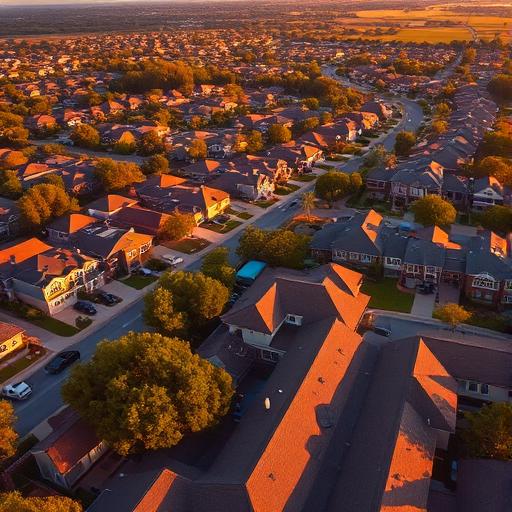
Dripping Springs has long served as the symbolic gateway to the Texas Hill Country, offering a distinct transition from the urban sprawl of Austin to the rolling limestone hills of Central Texas. Originally founded in the mid-19th century, the town was named for the natural springs that fed the local fern-covered limestone ledges, providing a reliable water source for early settlers. Historically an agricultural hub, the city has undergone a massive transformation over the last decade, repositioning itself as a premier destination for travelers looking for more than just a quick stop. Today, the community manages a delicate balance between preserving its rugged frontier history and embracing its modern status as a center for boutique hospitality and high-end culinary experiences. The recent surge in national interest in Hill Country tourism has placed Dripping Springs at the center of the regional conversation. Unlike some of its more commercialized neighbors, the city has maintained a focus on locally owned enterprises, particularly in the craft beverage and wedding industries. The town also benefits from its strategic geography, sitting within an hour’s drive of the state capital, making it a primary beneficiary of the population boom in Central Texas. This proximity allows for a unique synergy where suburban growth fuels local commerce without fully erasing the rustic atmosphere that defines the region. Visitors now flock to the area to explore a dense concentration of breweries, distilleries, and world-class barbecue pits that frequently rival those found in Austin proper.
Texas relevance
Dripping Springs serves as a vital economic engine for Hays County and the broader Texas Hill Country region. Its evolution reflects a statewide trend where rural communities leverage their local heritage and natural beauty to attract significant interstate and international tourism dollars. For Texans, the city represents a preservation of the 'Old Texas' aesthetic while serving the needs of the modern workforce relocating to North and West Austin. The success of Dripping Springs is a blueprint for other Hill Country municipalities like Wimberley or Blanco, demonstrating how investment in infrastructure and hospitality can revitalize a historic downtown core. As one of the state's most sought-after wedding capitals, the city contributes millions annually to the Texas hospitality sector, supporting local small businesses and protecting large swaths of natural land from over-development.
The Preservation of Mercer Street
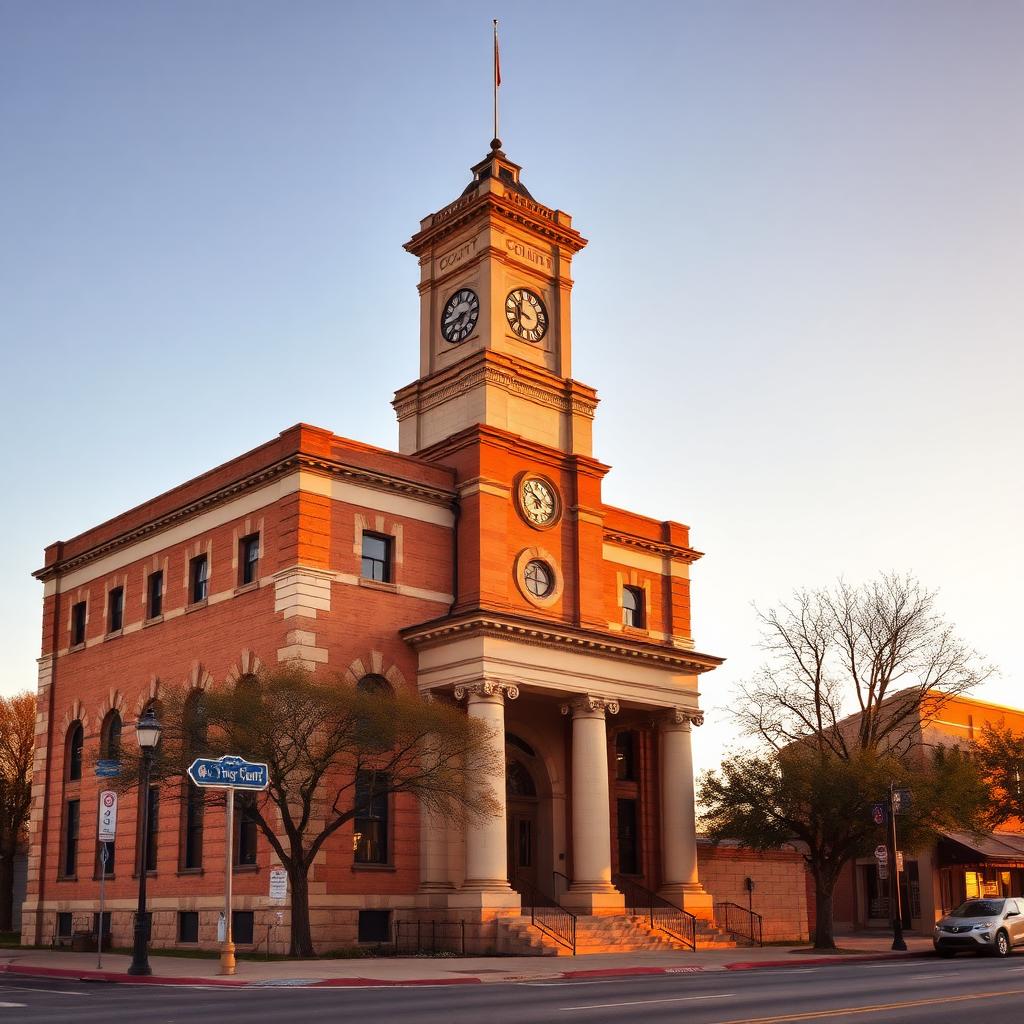
The heartbeat of Dripping Springs remains Mercer Street, a historic corridor that looks much the same as it did in the late 1800s. The city has made concerted efforts to ensure that new businesses occupying these decades-old storefronts respect the original architectural integrity of the structures. This area now serves as a walkable district where visitors can find everything from vintage clothing to artisan goods, providing a stark contrast to the modern shopping complexes found in nearby Bee Cave.
Local leaders have prioritized the 'reimagining' of Mercer Street, turning it into a hub for community events and seasonal festivals. This strategy has successfully diverted tourist foot traffic into the center of the town, ensuring that local retailers remain profitable despite the rise of e-commerce. By maintaining the limestone facades and wooden porches, the city offers a physical connection to the pioneer era that is increasingly rare in the fast-growing Central Texas corridor.
A Hub for the Beverage Industry
In recent years, the outskirts of Dripping Springs have become a dense cluster of craft beverage production. The region is now home to dozens of wineries, breweries, and distilleries, many of which utilize locally sourced ingredients and Texas-grown grapes. This industry has not only created a robust job market but has also turned the town into a 'tasting room' destination for enthusiasts from across the country.
The local distillery scene, in particular, has gained national recognition. From high-end vodka to small-batch bourbon, the producers along Highway 290 have helped define the 'Texas style' of spirits. These establishments often feature expansive outdoor seating and live music, leaning into the Hill Country vibe of relaxed, open-air socialization. This cluster effect encourages visitors to stay for full weekends rather than short day trips, boosting the local lodging tax revenue.
The Culinary Landscape and Barbecue Fame
Dripping Springs is uniquely positioned within the Texas barbecue landscape, sitting between Austin’s urban smokehouses and the legendary pits of Lockhart. Several family-owned operations in the area have earned accolades and a devoted following by adhering to traditional Central Texas smoking methods. Using mostly post oak and simple salt-and-pepper rubs, these establishments serve as a beacon for those seeking an authentic culinary experience without the four-hour lines found in the state capital.
Beyond barbecue, the town’s food scene has diversified to include farm-to-table dining and upscale bistros. This shift caters to a growing demographic of residents who work in the Austin tech sector but choose the Hill Country for its quietude. The integration of high-end dining with casual rural staples creates a versatile economy that can weather shifts in consumer preferences, ensuring the town remains a destination regardless of current food trends.
Natural Wonders and Outdoor Recreation
The natural environment is perhaps Dripping Springs' greatest asset. One of the most famous landmarks nearby is Hamilton Pool Preserve, a natural pool that was created when the dome of an underground river collapsed due to massive erosion thousands of years ago. Though access is strictly regulated to protect the sensitive ecosystem, it remains a primary draw for outdoor enthusiasts and photographers looking to capture the iconic 50-foot waterfall.
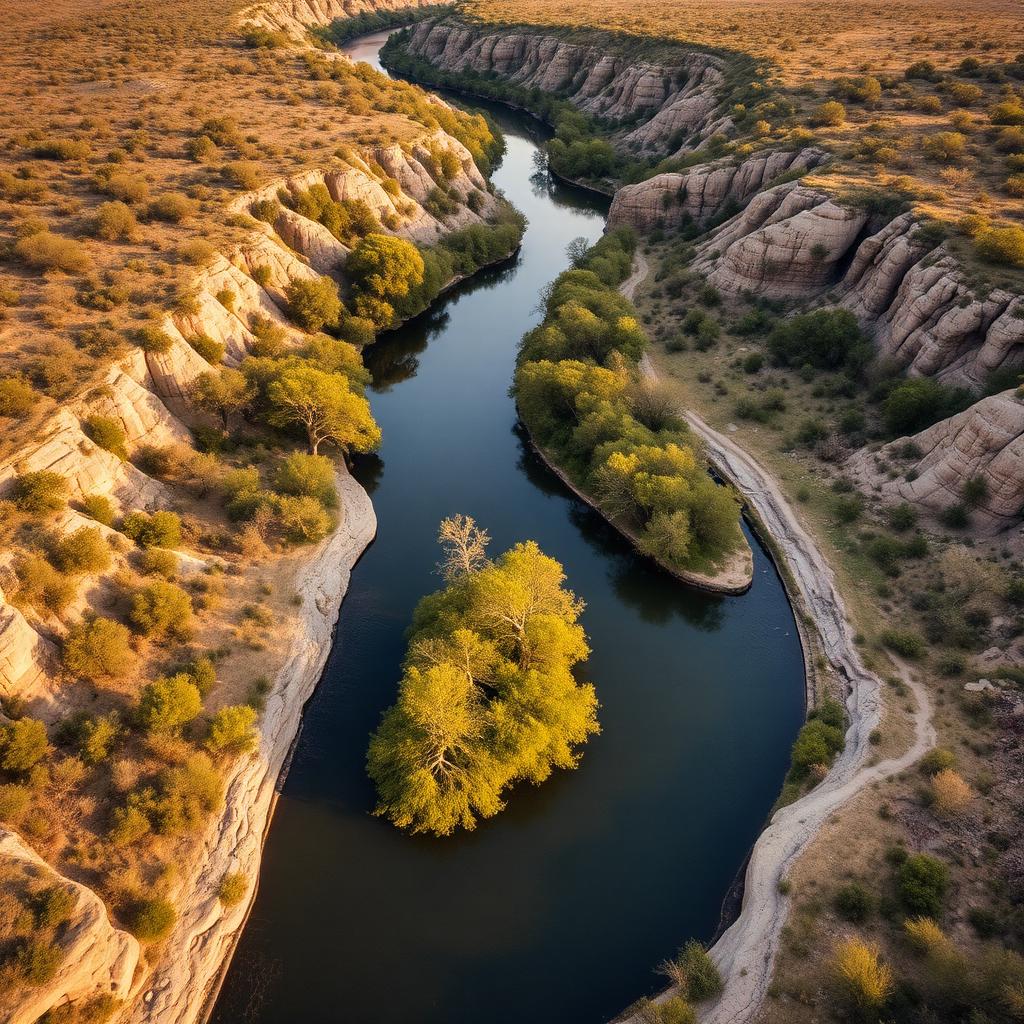
In addition to the preserve, the area offers numerous trails and parks that showcase the rugged beauty of the Balcones Escarpment. These spaces are vital for water conservation efforts and provide essential habitat for local wildlife. The city’s commitment to dark-sky initiatives has also made it a favorite spot for stargazers, as it remains one of the few places near a major metropolitan area where the Milky Way is still visible to the naked eye.
The Wedding Capital of Texas
Dripping Springs has officially earned the title of the Wedding Capital of Texas, a designation that has profoundly impacted its local economy. The area is home to over 35 premier wedding venues, ranging from rustic barns to luxury villas overlooking the hills. This specialization has created a self-sustaining ecosystem of photographers, florists, caterers, and event planners who operate almost exclusively within the town's borders.
The influx of wedding guests every weekend ensures a steady stream of revenue for local hotels and short-term rentals. This industry has also protected the landscape from denser residential development, as many venue owners maintain large acreages to provide scenic backdrops for ceremonies. The economic stability provided by the wedding industry allows the town to fund public works projects while keeping property taxes relatively balanced for its permanent residents.
Future Growth and Infrastructure Challenges
With popularity comes the challenge of growth. Dripping Springs faces ongoing discussions regarding how to expand its infrastructure—specifically roads and water systems—without losing its small-town charm. As Highway 290 sees increased traffic, the city is tasked with finding ways to manage congestion while maintaining the accessibility that draws people to the Hill Country in the first place.
Despite these hurdles, the community remains optimistic about its trajectory. The focus remains on sustainable development that honors the past while preparing for a more connected future. By sticking to a master plan that prioritizes open space and cultural heritage, Dripping Springs serves as an example of how a Texas town can grow responsibly in one of the fastest-developing regions in the United States.
Analysis
From an editorial perspective, Dripping Springs represents the modern 'Goldilocks' zone of Texas development. It is far enough from Austin to maintain its soul but close enough to capture the economic overflow of the tech boom. The city’s decision to brand itself through its natural springs and historic Mercer Street suggests a defensive stance against the strip-mall urbanization that has consumed other areas of I-35. By focusing on 'niche' tourism—such as craft spirits and outdoor recreation—Dripping Springs has successfully commodified the Hill Country lifestyle without alienating the residents who have lived there for generations. However, the true test for the area moving forward will be managing the rising cost of living and the environmental impact on the Edwards Aquifer as the influx of visitors and new residents continues to scale upward.
Source attribution
This story was reported using a public release from the Texas Food Stories (Google News). Keep TX Red rewrote the coverage independently and links to the official statement for verification.
Frequently Asked Questions
- What is the best time of year to visit Dripping Springs?
- The best times to visit are during the spring (late March to early May) when the bluebells and other Texas wildflowers are in full bloom, or during the autumn when the temperatures are milder for hiking and outdoor wine tastings.
- How far is the drive from Austin to Dripping Springs?
- Depending on traffic and your starting point in Austin, the drive typically takes between 35 and 50 minutes. It is a straight shot west primarily via US Highway 290.
- Are there natural swimming holes in Dripping Springs?
- Yes, Hamilton Pool Preserve is the most famous, though it requires reservations well in advance. There are also several other creek-side parks and swimming spots in the surrounding area like Reimers Ranch.
Official Sources
Take the next step
Browse the Newsroom →Read more about Keep Texas Red → Our full guide to what Keep Texas Red means and why Texans support it.
Related Articles
Get Texas updates delivered weekly.
Independent Texas reporting on politics, policy, and daily life. One email a week. Unsubscribe anytime.
Keep TX Red Newsroom
The Keep Texas Red Editorial Staff produces nonpartisan explainers, policy breakdowns, and educational resources to help Texans understand how their government works. All content is reviewed for accuracy and updated regularly.
About Keep TX Red →