State Emergency Resources Deployed as Deadly Floods Impact North Texas Communities
Texas mobilizes disaster response teams following reports of fatalities and severe flooding throughout the Dallas-Fort Worth region.
Editorial disclaimer: Opinions and analysis on Keep TX Red are editorial content — not statements of fact. See our editorial standards.
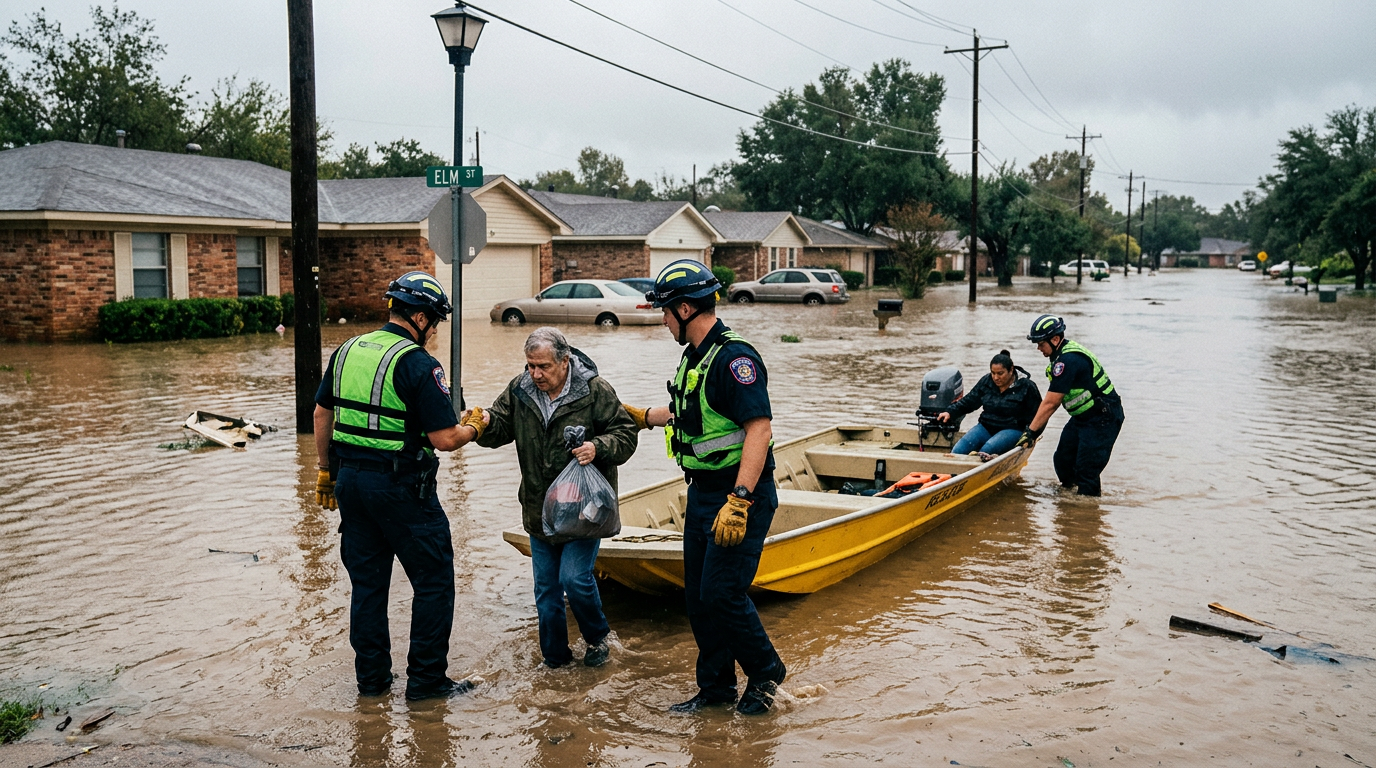
On July 17, 2026, severe weather conditions across the Dallas-Fort Worth metropolitan area resulted in deadly flash flooding, prompting an immediate mobilization of statewide emergency resources. The surge in water levels followed intense rainfall that overwhelmed local drainage systems and transformed suburban streets into dangerous waterways. Authorities confirmed that the event has resulted in fatalities, though specific casualty counts and identities remain under investigation by local officials. This disaster marks a significant weather event for the mid-summer season, typically known for dry heat rather than catastrophic precipitation. Historically, Texas weather patterns have moved toward extremes, where prolonged periods of drought are interrupted by sudden, violent rain events that the sun-baked soil cannot adequately absorb. This immediate crisis triggered the protocol for state-level intervention, acknowledging that local capacities in the DFW metroplex were insufficient to manage the scale of the destruction. The state’s involvement provides specialized equipment, including high-water rescue vehicles and thermal imaging helicopters, to assist in the recovery and search efforts. As the water begins its slow retreat, the focus is shifting toward identifying the victimized and securing the damaged infrastructure that links the North Texas economy.
Texas relevance
Residents of the Dallas-Fort Worth metroplex and the broader North Texas region are directly impacted by these rising waters. Texas has historically faced extreme variability in weather, ranging from multi-year droughts to sudden, torrential flood events like the one currently unfolding. The deployment of state resources from the capital to the DFW area underscores the severity of the infrastructure threat and the immediate danger to human life in one of the most populous regions of the state. Because North Texas serves as a critical logistics hub for the entire state, the closure of interstate highways in the region has a ripple effect on the supply chain from the Oklahoma border down to the Gulf Coast.
Mobilization of State Disaster Personnel
In direct response to the rising waters and reported deaths, Texas emergency management officials have activated advanced rescue units and logistics teams. These resources are designed to assist local firefighters and police departments whose capacities were stretched thin by the volume of distress calls received on Friday. Boat crews and high-water vehicles are being utilized to reach residents who became stranded in their homes or vehicles as the water rose faster than anticipated.
The state’s response includes not only immediate life-saving search and rescue operations but also the preliminary assessment of damaged thoroughfares. Many North Texas highways are currently impassable, and the deployment of state engineering resources will be necessary to determine when these essential transit corridors can safely reopen to the public. The Texas Division of Emergency Management (TDEM) is coordinating with regional partners to ensure that heavy machinery is available to clear debris once the water levels reach a manageable stage.
Specialized teams from the Texas A&M Task Force 1 have been put on standby to provide additional support if the weather remains volatile. This multi-agency approach ensures that local municipalities do not have to bear the financial or logistical burden of disaster recovery alone. The activation of these resources is a standard yet grave procedure used only when the safety of a large population is at immediate risk.
Historical Context of North Texas Flash Floods
North Texas is no stranger to sudden weather shifts, but the deadly nature of this July 2026 event recalls previous sessions of extreme weather that have caught the region off guard. Traditionally, July is characterized by the 'Texas Ridge,' a high-pressure system that keeps moisture away. When this pattern breaks or interacts with a low-pressure disturbance, the results can be catastrophic because the ground is often baked hard and unable to absorb water quickly.
Previous major flooding events in the Dallas area have led to significant changes in building codes and flood plain mapping. The memory of the 2015 Memorial Day floods and the 2022 Dallas flash floods still looms large in the minds of urban planners. These past disasters prompted investments in massive pumping stations and more robust drainage tunnels, yet the sheer volume of water in today's event has tested the upper limits of these engineering solutions.
As the DFW metroplex continues to expand, the 'heat island' effect and the proliferation of impervious surfaces like parking lots continue to exacerbate runoff issues. Every new residential development in the suburbs changes how water flows across the North Texas prairie, often pushing floodwaters into older neighborhoods that were not originally designed to handle such a high capacity of runoff.
Fatalities and Search Operations
The most sobering aspect of the current situation is the confirmation of loss of life. While the exact locations of each casualty have not been disclosed out of respect for family notifications, the fatalities occurred in areas where water rose rapidly, trapping individuals before they could move to higher ground. Forensic teams and recovery units are working alongside rescue crews to ensure all missing persons are accounted for in the flooded zones.
Search operations are expected to continue through the weekend as waters recede. The complexity of these operations is compounded by the debris left behind, including stalled vehicles and downed trees, which can create dangerous underwater hazards for divers and boat operators. Emergency personnel are utilizing drones to survey the hardest-hit areas and locate stranded individuals who may still be trapped in residential pockets cut off by the flood.
Local mayors have expressed their condolences and emphasized the need for patience as crews work through the night. The process of searching flooded structures is meticulous and time-consuming, requiring responders to check every room and vehicle submerged by the storm. Officials have warned that the death toll could potentially rise as more areas become accessible to foot patrols.
Infrastructure Impact and Road Closures
A major component of the state's emergency trigger involves the protection and restoration of critical infrastructure. Reports from the DFW area indicate that multiple bridges and low-water crossings have been compromised. State transit authorities are working in tandem with emergency crews to establish detours and prevent motorists from driving into flooded areas, which remains the leading cause of flood-related deaths in Texas.
Energy providers are also monitoring the situation, as flooded substations or downed utility poles can lead to widespread power outages. Emergency resources are being staged to assist utility companies in accessing damaged equipment once the water levels subside to a safe working height. The Texas Department of Transportation is actively monitoring the structural integrity of bridges that were lashed by fast-moving currents.
In addition to road damage, the flooding has affected local water treatment facilities in some outlying suburbs. Residents in specific jurisdictions have been advised to pay attention to potential boil water notices should the flooding compromise the purity of the local water supply. Maintaining the integrity of the power grid and clean water access is the primary focus of the secondary disaster response phase.
Stakeholder Involvement and Local Coordination
The response to such a wide-scale disaster involves a complex web of stakeholders ranging from local fire districts to federal observers. The Texas Division of Emergency Management acts as the central hub, coordinating between the Governor's office and the local emergency managers in Tarrant, Dallas, and Collin counties. These leaders must balance the need for immediate rescue with the long-term requirement of documenting damage for future federal aid requests.
Non-profit organizations like the American Red Cross and the Texas Baptist Men have also begun mobilizing to provide temporary shelter and meals for those displaced by the rising waters. These private stakeholders provide the social safety net that supplements official government action, ensuring that survivors have a place to stay while their homes are assessed for mold and structural failure.
Insurance adjusters are also expected to flood the region in the coming days. The financial impact of this event is estimated to be in the millions, as hundreds of homes and businesses have suffered water damage. Stakeholders in the real estate and insurance sectors will rely on the state's final damage reports to process the inevitable wave of claims that follow a catastrophic weather event of this magnitude.
Public Safety Guidelines and Real-Time Alerts
Emergency officials are reiterating the standard safety protocol: 'Turn Around, Don't Drown.' Even shallow-looking water can exert enough force to sweep a heavy vehicle off the road. With more rain potentially in the forecast for the surrounding counties, residents are encouraged to stay off the roads unless evacuation is necessary. Many of the reported deaths in Texas floods occur when motorists overestimate their vehicle's ability to cross a submerged roadway.
The state is utilizing the emergency alert system to provide real-time updates to mobile devices in affected zip codes. Monitoring local news and official social media channels from the Texas Division of Emergency Management is recommended for those living in low-lying areas or near creeks and rivers that are currently above flood stage. The risk of secondary flooding remains high as dams and spillways upstream are managed to control the surge.
Residents are also reminded to be wary of local wildlife, such as snakes and fire ants, which are often displaced and looking for dry ground during major floods. Keeping a close watch on children and pets near receding waters is vital, as the banks of creeks can become unstable and prone to collapsing into the current.
Analysis
The rapid onset of these floods highlights the ongoing challenges of urban water management in rapidly growing Texas cities. As concrete coverage increases with population growth, the natural ability of the soil to absorb sudden heavy rainfall is significantly diminished. This event will likely prompt a renewed discussion among state and local leaders regarding the adequacy of current drainage infrastructure and the speed of emergency notification systems for residents in high-risk zones. Furthermore, the timing of this flood in July—a month usually defined by heatwaves—suggests that historical weather models may no longer be reliable for seasonal planning in the Lone Star State.
Source attribution
This story was reported using a public release from the Texas Emergency Video (Google News). Keep TX Red rewrote the coverage independently and links to the official statement for verification.
Frequently Asked Questions
- What areas of Texas are currently most affected?
- The primary impact is centered in the North Texas region, specifically within the Dallas-Fort Worth metropolitan area and surrounding counties like Tarrant, Collin, and Denton.
- Why were state resources triggered for this event?
- State resources are mobilized when a local disaster exceeds the capacity of municipal authorities to respond, particularly when there is significant loss of life, complex search-and-rescue needs, or widespread infrastructure damage.
- Is the flooding expected to continue?
- While the initial heavy rainfall has passed, runoff continues to flow into rivers and creeks, meaning water levels in some areas may remain high or continue to rise even after the rain stops. Residents should remain vigilant for several days.
- How can residents stay safe during the recovery phase?
- Avoid driving through standing water, steer clear of downed power lines, and wait for official clearance before attempting to re-enter flooded homes. Always follow 'Turn Around, Don't Drown' protocols.
Official Sources
Take the next step
Browse the Newsroom →Read more about Keep Texas Red → Our full guide to what Keep Texas Red means and why Texans support it.
Related Articles
Get Texas updates delivered weekly.
Independent Texas reporting on politics, policy, and daily life. One email a week. Unsubscribe anytime.
Keep TX Red Newsroom
The Keep Texas Red Editorial Staff produces nonpartisan explainers, policy breakdowns, and educational resources to help Texans understand how their government works. All content is reviewed for accuracy and updated regularly.
About Keep TX Red →