Preserving the Piney Woods Legacy: One Man’s Mission to Document East Texas History
A dedicated preservationist in East Texas is working to document local history column by column, ensuring the region’s unique legacy is never forgotten.
Editorial disclaimer: Opinions and analysis on Keep TX Red are editorial content — not statements of fact. See our editorial standards.
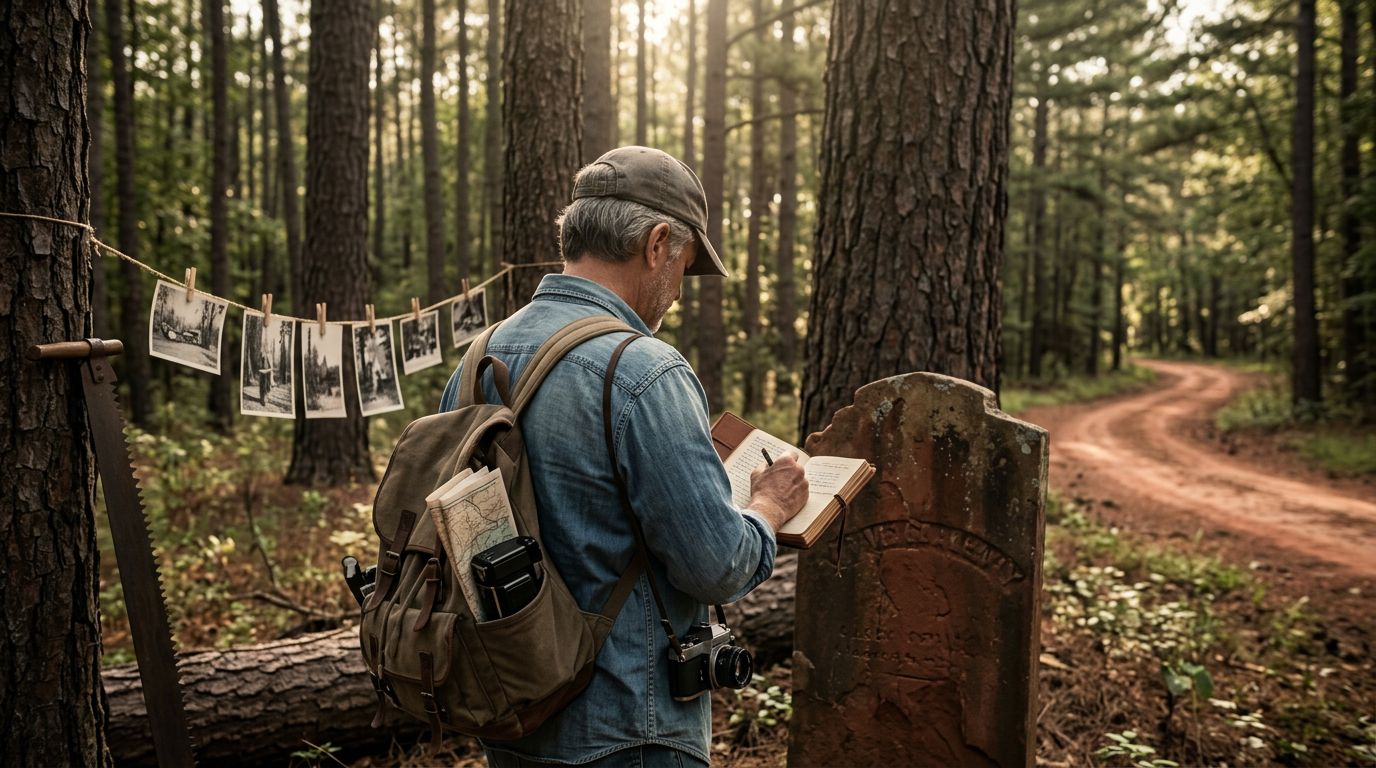
In the heart of the Piney Woods, a dedicated effort is underway to ensure that the stories of East Texas do not fade into the mists of time. History in this region is often handed down through oral traditions, fading photographs, and aging structures that stand as silent witnesses to a bygone era. For one local historian, the mission has become personal, as he meticulously documents the people, places, and events that shaped the unique cultural landscape of the eastern part of the Lone Star State. By publishing recurring accounts and deep-dives into the heritage of the region, this preservation effort serves as a bridge between the founding generations of the 19th century and the rapidly changing world of the 21st century.\n\nTexas has a long history of grassroots preservation. Historically, the state has relied on local historical commissions and passionate individuals rather than just centralized government agencies to maintain its identity. From the battles for independence to the boomtowns created by the timber and oil industries, East Texas specifically holds a dense concentration of the state’s formative memories. This latest documentation effort follows in the footsteps of legendary Texas chroniclers who believed that the true soul of the state is found in the small towns and rural communities that larger history books often overlook. Through a series of written excavations, the project aims to keep the spirit of these communities alive for future generations of Texans.
Texas relevance
The preservation of local history is vital to maintaining the distinct identity of East Texas. As urban sprawl from major hubs like Dallas and Houston continues to creep into rural counties, the risk of losing small-town heritage increases significantly. This work directly impacts residents in and around Tyler, Longview, and Marshall by providing a sense of place and Continuity. In Texas, land and legacy are deeply intertwined; understanding who owned a particular stretch of timberland or who established a crossroads general store helps modern Texans appreciate the infrastructure and community bonds they enjoy today. This initiative ensures that the specific contributions of East Texans to the broader state narrative remain prominent.
The Importance of the Written Record
While oral histories are valuable, they are fragile and can change with every telling. The effort to put these East Texas stories into a written, published format provides a degree of permanence that is essential for serious historical study. Each column serves as an entry in a growing encyclopedia of regional knowledge, covering everything from the early days of the timber industry to the social structures of the Great Depression era. By committing these facts to paper and digital archives, the historian ensures that future researchers have a primary-source baseline to work from.
The written record also allows for a wider reach than a local museum or a private family collection. When these stories are published, they can be shared across the state and the country, bringing attention to the historical significance of the Piney Woods. This helps to combat the stereotype that Texas history is only about the Alamo or the cowboys of the West; it highlights the lush, swampy, and industrious history of the East, which is just as vital to the state's development.
Spotlight on Local Heroes and Forgotten Landmarks
Much of the preservation work focuses on the individuals who would otherwise be lost to time. These are not the well-known politicians or generals found in standard textbooks, but rather the local blacksmiths, teachers, and small-business owners who kept their communities running through lean years. By highlighting these 'everyday' figures, the project creates a more relatable and democratic view of history. It reminds modern readers that history is made by average people working together to solve problems and build a future.
Furthermore, the project identifies and documents physical landmarks that are in danger of disappearing. Old barns, historic schoolhouses, and general stores are often just one bad storm or one demolition permit away from being gone forever. By documenting these structures—even if they cannot be physically saved—the historian provides a visual and spatial context for the stories. Understanding where a town square used to be or how a railroad line dictated the growth of a neighborhood is crucial for urban planners and history buffs alike.
Challenges of Modern Preservation
Preserving history in the digital age presents a unique set of challenges. While it is easier than ever to share information, it is also easier for that information to get lost in the noise of the internet. The historian's method of producing regular columns helps to build a dedicated audience that looks forward to these historical 'check-ins.' This consistency is key to building a community of people who are invested in their local heritage. It transforms history from a stagnant subject in a book into a living, breathing part of the daily news cycle.
Another challenge is the accuracy of historical data. Over time, myths can become accepted as facts. The research involved in this project requires a rigorous examination of old newspapers, census records, and land deeds to ensure that the stories being told are as accurate as possible. This commitment to truth-telling is essential for maintaining the integrity of the historical record and ensuring that the legacies being preserved are based on reality rather than romanticized fiction.
The Role of the Piney Woods in Texas Growth
East Texas was the gateway for many of the earliest settlers coming to the state from the southern United States. The thick forests and fertile soil provided the resources necessary for a burgeoning population. By documenting the history of this specific region, the project sheds light on the economic engines that powered early Texas. The timber industry, in particular, was a massive driver of growth, leading to the creation of 'company towns' and extensive rail networks that still influence the layout of the region today.
The documentation also explores the cultural collisions that occurred in East Texas. The region has always been a melting pot of different traditions, from the Caddo people who first inhabited the land to the European settlers and enslaved Africans who brought their own customs and labor. Acknowledging the complex and often difficult parts of this history is a necessary component of the preservationist's work, providing a complete and honest picture of how the region evolved into what it is today.
Engaging the Next Generation
One of the primary goals of any historical preservation project is to spark interest in younger generations. By presenting history in an accessible, column-style format, the project makes it easier for students and young adults to engage with their past. These short, focused stories are more digestible than long academic papers and can be easily shared on social media platforms. This digital-friendly approach is crucial for ensuring that the values and stories of the past are not lost on the leaders of tomorrow.
When young people understand the history of their own backyard, they are more likely to take an interest in civic life and local conservation efforts. It fosters a sense of pride and belonging that can lead to more vibrant and stable communities. By seeing themselves as part of a long lineage of East Texans, the youth can gain a greater perspective on their own place in the world and the importance of leaving their own positive mark on history.
Future Plans for the Archive
The work of documenting East Texas is far from over. With every new column, more stories come to light, often prompted by readers who reach out with their own family memories or historical clues. This interactive element makes the project a collaborative effort between the historian and the community. Plans are often discussed for compiling these columns into a book or a permanent digital museum that can be accessed by anyone, anywhere. This would consolidate the scattered pieces of East Texas lore into a single, comprehensive resource.
Looking ahead, the goal is to expand the scope of the documentation to include even more rural counties and overlooked communities. There is still so much to uncover in the small gaps between the major highways. As long as there are stories to be told and people willing to listen, the preservation of East Texas history will continue, ensuring that the legacy of the Piney Woods remains a vibrant part of the Texas narrative for centuries to come.
Analysis
The move to document history 'one column at a time' represents a shift back toward localized, community-based journalism at a time when national news often drowns out regional stories. This is a conservative approach to culture—conserving what makes a place unique rather than letting it be subsumed by a generic, homogenized national identity. By focusing on the 'why' and 'who' of the past, these stories provide a roadmap for the future, reminding citizens of the work ethic and communal spirit that built the region. It is a quiet but powerful form of civic engagement that encourages residents to take pride in their immediate surroundings.
Source attribution
This story was reported using a public release from the Texas History Stories (Google News). Keep TX Red rewrote the coverage independently and links to the official statement for verification.
Frequently Asked Questions
- Why is East Texas history significant?
- East Texas served as the primary gateway for early settlers entering the state and was the center of key industries like timber and oil that fueled Texas's early economic growth.
- How can I contribute to the preservation of local history?
- Residents can help by sharing family photos, oral histories, and documents with local historical societies or by supporting journalists and historians who focus on regional heritage.
- Is this project available online?
- Yes, the historical columns are typically published through local news outlets and digital platforms, making them accessible to a global audience interested in Texas heritage.
Official Sources
Take the next step
Browse the Newsroom →Read more about Keep Texas Red → Our full guide to what Keep Texas Red means and why Texans support it.
Related Articles
Get Texas updates delivered weekly.
Independent Texas reporting on politics, policy, and daily life. One email a week. Unsubscribe anytime.
Keep TX Red Newsroom
The Keep Texas Red Editorial Staff produces nonpartisan explainers, policy breakdowns, and educational resources to help Texans understand how their government works. All content is reviewed for accuracy and updated regularly.
About Keep TX Red →