Texas Borderland Legend: How Ramiro Cavazos Shaped Border Music
Celebrating the enduring impact of Ramiro Cavazos on Texas norteño music and the cultural history of the Rio Grande Valley.
Editorial disclaimer: Opinions and analysis on Keep TX Red are editorial content — not statements of fact. See our editorial standards.
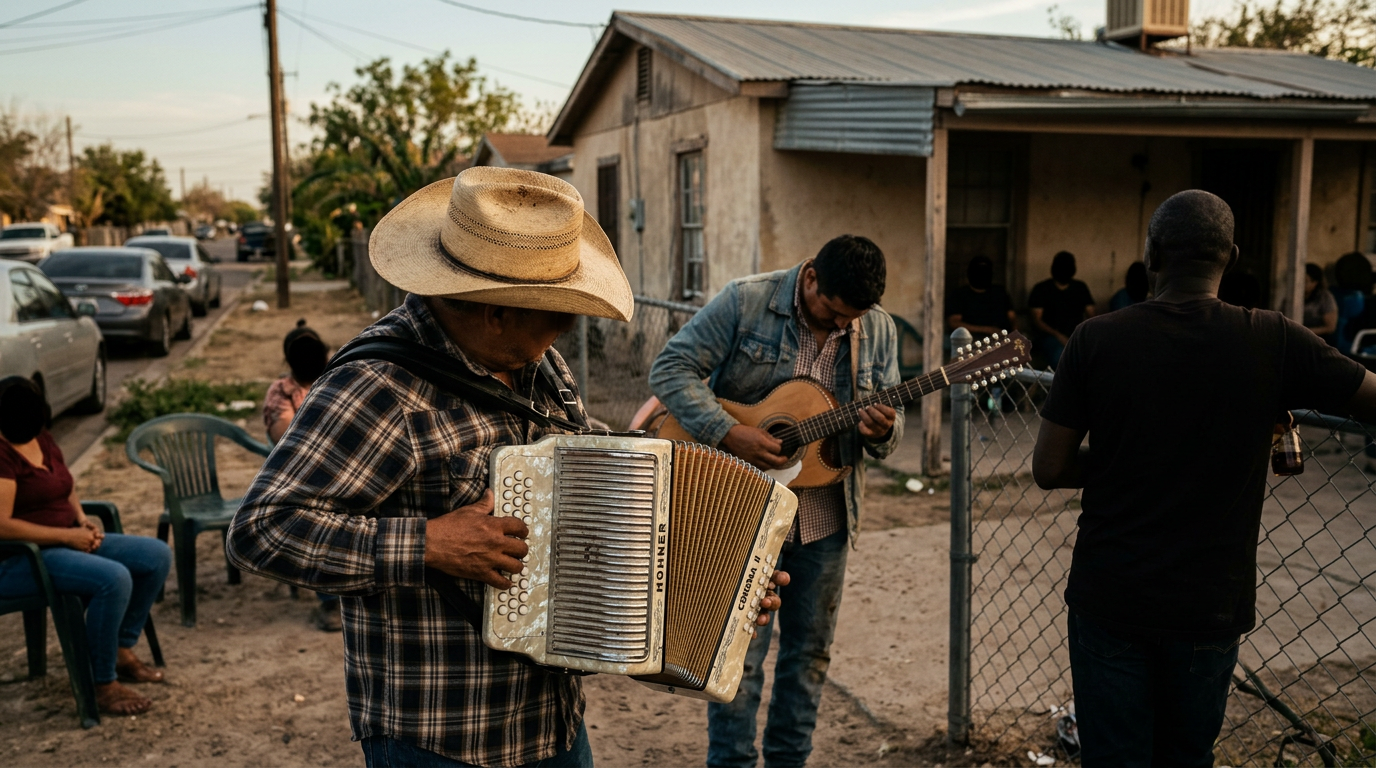
The musical landscape of the Lone Star State is built upon the traditions of artists who bridged the gap between cultures using nothing but an accordion and a bajosexto. Among these titans was Ramiro Cavazos, a pioneer whose influence continues to resonate through the cantinas and celebration halls of the Texas-Mexico border. Though he may not always be a household name in popular mainstream media, his role in establishing the foundational structures of norteño music helped define an era of South Texas identity. Cavazos was instrumental in the mid-20th century explosion of the genre, which combined European instrumental traditions with local storytelling and Mexican melodies. His work was not merely entertainment; it served as the rhythmic heartbeat of the Rio Grande Valley during a period of significant social and economic transition. To understand the magnitude of his impact, one must look at the history of the borderlands itself. For decades, the musical exchange between Northern Mexico and Southern Texas was informal and local. Cavazos, along with his contemporaries, helped professionalize these sounds, bringing them to larger audiences through radio play and early recording technology. By the time his career reached its zenith, the distinctive trill of the accordion and the deep, percussive drive of the twelve-string guitar had become synonymous with the Texas experience. The recent retrospectives on his life serve as a reminder that the cultural fabric of Texas is woven together by the individual contributions of immigrant families who brought their music across the Rio Grande and planted deep roots in the Texas soil.
Texas relevance
For Texas specifically, the story of Ramiro Cavazos is a story of economic and cultural entrepreneurship in the Rio Grande Valley. In cities like McAllen, Brownsville, and San Benito, music is more than just art—it is a significant driver of tourism and community legacy. The preservation of Cavazos' memory is vital for the state's historical records, as it marks the evolution of the Conjunto and Norteño genres into a globally recognized style that attracts thousands of visitors to festivals across the state each year. Texas remains the primary steward of this musical history, housing the Texas Conjunto Music Hall of Fame and Museum in San Benito, which honors the very innovations Cavazos introduced to the world.
The Master of the Bajosexto
Ramiro Cavazos was widely celebrated for his unparalleled skill with the bajosexto, the massive twelve-string guitar that provides the backbone for norteño rhythms. While the accordion often takes the spotlight in this genre, it is the bajosexto that handles the complex task of providing both bass lines and chordal harmony. Cavazos mastered this balance, delivering a percussive clarity that influenced generations of players. His approach was technical yet deeply soulful, ensuring that the music remained danceable while still providing a rich canvas for vocalists.
His partnership in the legendary duo Los Donneños is where his talent truly shone on a national stage. By collaborating with Mario Montes, Cavazos created a vocal and instrumental harmony that defined the 'golden age' of the genre. Their recordings became the blueprint for what modern conjuntos aim to achieve today. In Texas, musicians still study these early recordings to capture the specific 'swing' that Cavazos brought to the strings, a style that combined the grit of rural life with the sophistication of professional studio production.
Beyond his live performances, Cavazos was a scholar of his craft. He understood the nuances of traditional songs and took it upon himself to preserve them through his own interpretations. This dedication ensured that many older ballads, which might have otherwise been lost to time in the transition to the digital age, remained part of the active repertoire of South Texas musicians. His work represents a bridge between the oral traditions of the early 1900s and the modern, high-fidelity industry of today.
Entrepreneurship and Music Shops in the Valley
One of the most significant aspects of the Cavazos legacy is his contribution to the local economy of the Rio Grande Valley through his business ventures. He did not merely play music; he facilitated the creation of it for others. By opening and operating music shops like 'RyM' in McAllen, he provided a hub for the community where aspiring artists could buy instruments, share stories, and find inspiration. These shops became landmarks in their own right, serving as unofficial schools for young musicians who wanted to learn the secrets of the norteño sound directly from a master.
These businesses were essential in an era when specialty instruments like high-quality accordions and bajosextos were difficult to find. Cavazos acted as a gateway, sourcing instruments and providing repairs that kept the local music scene alive. This entrepreneurial spirit is a hallmark of the Texas story—taking a personal passion and turning it into a community resource that supports an entire ecosystem of artists, technicians, and fans. His presence in the store was as much a draw as the inventory, as he was always willing to share advice with the next generation.
The impact of these music centers extended beyond the walls of the shop. They helped solidify towns like McAllen as cultural destinations. When people traveled from across the border or from Northern Texas to visit these shops, they were supporting a broader network of local hotels, restaurants, and venues. Cavazos understood that for a culture to survive, it needed a physical space to call home, and his stores provided exactly that for the music community of the Valley.
Defining the Sound of the Border
The norteño sound is characterized by its storytelling through 'corridos'—narrative ballads that often detail the struggles and triumphs of everyday life along the border. Cavazos was a master of this narrative form, using his music to give a voice to the voiceless. Whether the songs were about love, labor, or the complexities of cross-border life, they resonated with a population that saw their own experiences reflected in the lyrics. This relatability is what allowed his music to transcend local borders and gain popularity across North and South America.
Musically, Cavazos helped standardize the instrumentation of the modern norteño group. Before his time, groups varied wildly in their composition. The success of Los Donneños helped cement the accordion-bajosexto duo as the gold standard. This stripped-down, powerful arrangement allowed for portability, making it the perfect choice for the traveling bands that played everywhere from small family gatherings to massive outdoor festivals. This efficiency in the ensemble's structure allowed the genre to proliferate rapidly throughout the 20th century.
This standardization also helped the genre integrate with other forms of American music. As Texas evolved, norteño began to pick up influences from country and jazz, and in turn, those genres adopted elements of the norteño style. Cavazos stood at the center of this cross-pollination, maintaining the integrity of the original sound while allowing it to breathe and grow in a changing world. His influence can be heard today in the work of crossover artists who continue to blend traditional Mexican sounds with modern pop and rock.
Recognition and Historical Honors
The state of Texas has not been quiet in its appreciation for Cavazos. His induction into various halls of fame, including the Texas Conjunto Music Hall of Fame, serves as a formal acknowledgment of his role as a cultural architect. These institutions play a vital role in ensuring that the contributions of artists from the Valley are recognized alongside the jazz greats of Houston or the country icons of Austin. For many in the Hispanic community, these honors represent a validation of their cultural heritage and its place in the broader Texas identity.
Museums and historical societies have worked to archive the recordings and personal effects of Cavazos, recognizing that his life story is a primary source for understanding the development of 20th-century Texas. From his early days in Northern Mexico to his long career in the United States, his trajectory mirrors that of many Texas families. By preserving his history, the state is also preserving the history of the millions who find meaning in his music. These archives serve as a resource for researchers and students who want to understand the social dynamics of the border during the mid-century era.
Community events and tributes continue to celebrate his life, often featuring performances by students who have benefited from the scholarships and programs established in his name or inspired by his career. These events ensure that his 'norteño' spirit remains a living tradition rather than a dusty relic of the past. In Texas, the celebration of a musician is often a rowdy, joyous affair, and the tributes to Cavazos are no exception, characterized by the very music he spent his life perfecting.
The Global Reach of a Regional Sound
While his roots were firmly planted in the soil of South Texas, the influence of Ramiro Cavazos reached far beyond the state line. Norteño music became a global phenomenon, finding passionate audiences in Europe, Asia, and across South America. This expansion was made possible by the foundational work laid by early pioneers who established the high standards of performance and production that the international market demanded. Cavazos' recordings served as an ambassador for Texas culture, presenting a sophisticated and vibrant image of the state to the world.
The simplicity of the instrumentation—just a few people with portable instruments—made it an easy export. However, the emotional depth of the performances is what kept audiences coming back. Even listeners who did not speak Spanish could feel the longing in a ranchera or the excitement of a polka played by Cavazos. This universal appeal is a testament to his talent and the inherent power of the music he championed. He proved that regional music, when played with enough passion and skill, can become a universal language.
In the modern era, as digital streaming carries Texas sounds to every corner of the globe, the influence of the 'Donneños style' remains evident. New artists often sample his tracks or cover his arrangements, bringing his mid-century innovations to a 21st-century audience. This cycle of renewal keeps the memory of Cavazos fresh, ensuring that each new generation of listeners discovers the man who helped turn a regional border sound into a worldwide cultural movement.
Analysis
The enduring popularity of norteño music in Texas highlights the state's unique ability to blend diverse influences into a singular, iconic brand. Cavazos represented a generation that saw the border not as a barrier, but as a fluid space for artistic innovation. His success underscored the importance of independent record labels and local radio stations in the Valley, which bypassed the gatekeepers of Nashville or Los Angeles to create a self-sustaining industry. As political and social dynamics in Texas continue to shift, the music of Cavazos remains a stabilizing force, providing a common language for millions of Texans who see the accordion as a symbol of home. His legacy suggests that while musical trends may come and go, the core traditions that emphasize community, resilience, and heritage will always find an audience in the Lone Star State.
Source attribution
This story was reported using a public release from the Texas Standard. Keep TX Red rewrote the coverage independently and links to the official statement for verification.
Frequently Asked Questions
- What is the difference between Conjunto and Norteño music?
- While the terms are often used interchangeably in casual conversation, 'Conjunto' traditionally refers to the Texas-based evolution of the music, often featuring the accordion and bajosexto as the core instruments. 'Norteño' has stronger roots in Northern Mexico and may include different instrumentation like the saxophone in certain sub-styles. Ramiro Cavazos excelled in both, acting as a bridge between the two regional traditions.
- Why is the bajosexto important in Texas music history?
- The bajosexto is a twelve-string guitar that is essential to the sound of South Texas. It provides a distinct rhythmic and melodic foundation that cannot be replicated by a standard six-string guitar. Masters like Cavazos used it to provide the driving force behind dance music, making it an iconic symbol of Texas-Mexican heritage.
- Where can I find historical sites related to Ramiro Cavazos?
- The Texas Conjunto Music Hall of Fame and Museum in San Benito is the primary location for artifacts and history related to Cavazos and other pioneers. Additionally, his former business locations in McAllen remain significant landmarks for those interested in the musical history of the Rio Grande Valley.
Official Sources
Take the next step
Browse the Newsroom →Read more about Keep Texas Red → Our full guide to what Keep Texas Red means and why Texans support it.
Related Articles

Get Texas updates delivered weekly.
Independent Texas reporting on politics, policy, and daily life. One email a week. Unsubscribe anytime.
Keep TX Red Newsroom
The Keep Texas Red Editorial Staff produces nonpartisan explainers, policy breakdowns, and educational resources to help Texans understand how their government works. All content is reviewed for accuracy and updated regularly.
About Keep TX Red →