Hospitality and Heritage: Exploring the Top Nine Friendliest Small Towns Across Texas
Discover the top nine small towns in Texas recognized for their unmatched hospitality, historic charm, and vibrant local communities in 2026.
Editorial disclaimer: Opinions and analysis on Keep TX Red are editorial content — not statements of fact. See our editorial standards.
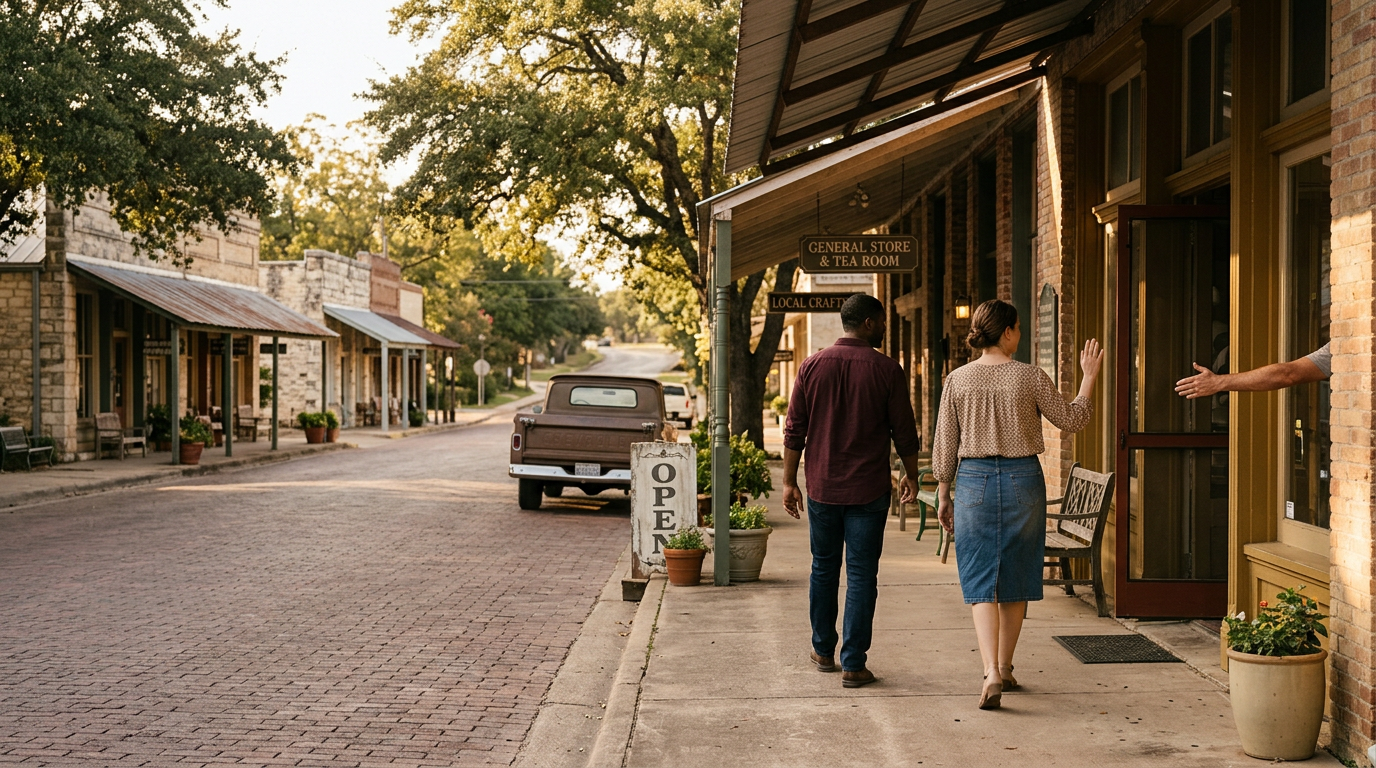
The state of Texas is frequently defined by its massive urban centers like Houston, Dallas, and Austin, yet the true cultural heartbeat of the Lone Star State remains rooted in its rural communities and small-town centers. Recognizing this trend, recent cultural surveys have identified nine specific Texas municipalities that exemplify the concept of 'Southern Hospitality' through their local businesses, preservation of history, and community engagement. These towns represent diverse geographic regions of the state, ranging from the rugged beauty of the Hill Country to the rolling plains of the North and the lush forests of the Piney Woods. Historically, these smaller jurisdictions have served as the backbone of the Texas economy, providing agricultural support and unique cultural identities that differ significantly from the homogenized life found in sprawling metropolitan areas. By prioritizing local artisans, historic square preservation, and welcoming atmospheres, these nine locations have set a benchmark for domestic tourism within the state.
Texas relevance
For residents of Texas and those interested in the state's growth, these designations are more than just travel recommendations; they represent the economic resilience of rural Texas. In a period where urban sprawl continues to consume land at an unprecedented rate, the preservation of small-town charm in places like Granbury, Wimberley, and Jefferson serves as a counter-movement to rapid urbanization. These towns provide essential tax revenue through heritage tourism and offer a blueprint for other Texas municipalities looking to revitalize their downtown districts without losing their unique character. Furthermore, the emphasis on friendliness and safety in these areas highlights the quality of life that many Texas families are seeking as they migrate away from high-density cities toward more tight-knit, community-oriented environments.
The Historic Heart of Granbury and Wimberley
Granbury stands as a premier example of how a town can utilize its history to foster a welcoming environment. The town square, which was the first in Texas to be listed on the National Register of Historic Places, acts as a centralized hub for community interaction. Visitors find that the proximity of businesses and the preservation of 19th-century architecture create a sense of shared space that is often lost in modern developments. The availability of locally-owned boutiques and the historic Opera House ensures that the local economy remains supported by those who live and work within the county.
Similarly, Wimberley represents the intersection of natural beauty and community spirit in the Texas Hill Country. Known for its proximity to Blue Hole Regional Park and Jacob's Well, the town has built its reputation on environmental stewardship and artistic expression. The 'Wimberley Square' serves as a literal and figurative gathering point where the pace of life slows significantly. This slower pace is a key component of what outsiders perceive as friendliness, as it allows for genuine interactions between residents and visitors that are rarely possible in the rush of more populated areas.
Bastrop and the Resilience of the Piney Woods Edge
Bastrop, located just east of Austin, offers a stark contrast to the rapid pace of the state capital. Despite facing significant natural challenges in past decades, including wildfires, the community has consistently ranked high for its welcoming nature. This resilience has forged a tight-knit population that prides itself on maintaining the 'Most Historic Small Town in Texas' moniker. The downtown area, lined with structures dating back to the mid-1800s, hosts a variety of festivals that prioritize local participation over large-scale commercialization.
The friendliness in Bastrop is often attributed to its geographical position as a gateway to the Lost Pines. Because the town serves as a recreational hub for nearby state parks, the local culture has adapted to be inclusive of newcomers and travelers. This creates a feedback loop where the economy benefits from visitors who, in turn, feel a sense of belonging due to the authentic interactions they have with local shopkeepers and residents, further solidifying the town's reputation as a top-tier destination for those seeking a quiet escape.
Jefferson and the Legacy of the Riverboat Era
In the northeast corner of the state, Jefferson provides an immersive look into a bygone era of Texas history. Once a major river port, the town has transitioned into a centerpiece for heritage tourism. The prevalence of bed-and-breakfast establishments in Jefferson is a significant factor in its friendliness ranking. Unlike sterile hotel chains, these local lodging options require a level of personal service and social interaction that defines the visitor experience. Many of the residents are deeply knowledgeable about local lore, often sharing stories that connect the town's current state to its prosperous 19th-century roots.
The social fabric of Jefferson is maintained through consistent community efforts to preserve its pre-Civil War homes and brick-paved streets. This dedication to preservation acts as a signal to visitors that the community values its identity and is eager to share it. Furthermore, the town’s location near Caddo Lake provides a natural backdrop that encourages outdoor recreation and a shared appreciation for the unique ecosystem of the Texas-Louisiana borderlands, fostering a culture of communal pride and openness.
Fredericksburg: A Blend of German Heritage and Texas Spirit
Fredericksburg is perhaps one of the most well-known entries on the list, yet it maintains its small-town feel despite high visitor volume. Its unique German heritage provides a cultural foundation that emphasizes order, cleanliness, and hospitality. The 'Willkommen' sign is more than just a greeting; it is reflected in the way the town manages its Main Street, which is almost entirely comprised of independent retailers. This commitment to localism ensures that the financial benefits of tourism stay within the community, incentivizing residents to remain hospitable and engaged with the traveling public.
The growth of the Texas wine industry has also played a pivotal role in Fredericksburg's ranking. The tasting rooms and vineyards surrounding the town have created a social culture centered around shared experiences and appreciation for local agriculture. This industry requires a high degree of service, training locals to interact with an international audience while maintaining their quintessential Texan warmth. The result is a sophisticated yet accessible atmosphere that appeals to a wide demographic, making it one of the most consistently friendly spots in the state.
The Quiet Charm of Boerne and Salado
Boerne and Salado represent the 'hidden gems' of the Texas landscape, though they are rapidly gaining national attention. Boerne, located in Kendall County, has traditionally been a ranching community that evolved into a hub for antiques and outdoor dining. The 'Hill Country Mile' in Boerne is designed to encourage foot traffic and spontaneous social encounters, which are the building blocks of a friendly atmosphere. The town’s focus on maintaining its parks and the Cibolo Nature Center demonstrates a collective commitment to public spaces that everyone can enjoy regardless of their background.
Salado, meanwhile, has long been an artists' colony and a stopping point on the historic Chisholm Trail. The town is unique because it lacks a traditional grid system, with its winding roads and creekside paths encouraging a leisurely exploration. This lack of architectural rigidity seems to translate into the social attitudes of the residents, who are known for their relaxed and helpful nature. In Salado, the culture is built around art galleries and craftsman workshops, where the act of creation is a public endeavor, inviting visitors to observe and participate in the local creative process.
Canyon and the Spirit of the High Plains
Canyon, Texas, serves as the gateway to Palo Duro Canyon State Park, but the town itself offers a distinct brand of Panhandle hospitality. As the home of West Texas A&M University, the town benefits from a youthful energy that blends with traditional Texas values. This intersection creates a community that is both forward-thinking and deeply respectful of its Western roots. The Panhandle-Plains Historical Museum, the largest of its kind in the state, serves as a central point for education and community gatherings, reinforcing a shared sense of history among the locals.
The friendliness in Canyon is often described as 'no-nonsense' and sincere. In the vast stretches of the Texas Panhandle, the culture of helping one's neighbor is a necessity for survival, and that trait translates directly into how visitors are treated. Whether it is a local diner on the square or a student at the university, the people of Canyon are known for their straightforwardness and willingness to assist those passing through. This geographic isolation has paradoxically made the community more open and welcoming to outsiders who make the trek to the 'Grand Canyon of Texas'.
Analysis
The recognition of these nine towns suggests a growing 'new-urbanism' trend in Texas where the focus is shifting back toward walkable, high-trust communities. From a policy and economic perspective, the success of these 'friendly' towns often correlates with local government efforts to maintain historic zoning laws while allowing for small business innovation. By fostering environments where local shop owners can thrive and where community events are localized rather than corporatized, these towns secure their future against the volatility of global economic shifts. This brand of Texas hospitality is effectively a commodity that fuels the state's robust tourism sector, proving that the culture of a town is just as much an asset as its infrastructure or natural resources.
Source attribution
This story was reported using a public release from the Texas History Stories (Google News). Keep TX Red rewrote the coverage independently and links to the official statement for verification.
Frequently Asked Questions
- Which Texas town is known as the 'Most Historic'?
- Bastrop, Texas, often claims the title of the 'Most Historic Small Town in Texas' due to its high concentration of structures listed on the National Register of Historic Places and its preservation of 19th-century architecture.
- How does the culture of small towns like Fredericksburg differ from major cities?
- Small towns like Fredericksburg typically prioritize local ownership and a slower pace of life, which fosters more personal interactions between residents and visitors compared to the fast-paced, often anonymous nature of large urban centers.
- Why is the Hill Country frequently cited for its friendliness?
- The Texas Hill Country combines natural landmarks with a high density of artisan-based economies (such as wineries and craft shops) that rely on high-quality service and community engagement, creating a naturally hospitable environment.
Official Sources
Take the next step
Browse the Newsroom →Read more about Keep Texas Red → Our full guide to what Keep Texas Red means and why Texans support it.
Related Articles
Get Texas updates delivered weekly.
Independent Texas reporting on politics, policy, and daily life. One email a week. Unsubscribe anytime.
Keep TX Red Newsroom
The Keep Texas Red Editorial Staff produces nonpartisan explainers, policy breakdowns, and educational resources to help Texans understand how their government works. All content is reviewed for accuracy and updated regularly.
About Keep TX Red →