Fresh Produce Safety Under Microscope as Texas Braces for Cyclospora Season
Increased cyclosporiasis cases in Texas prompt new cautions for produce consumers as official health warnings target cilantro and raw vegetable safety.
Editorial disclaimer: Opinions and analysis on Keep TX Red are editorial content — not statements of fact. See our editorial standards.
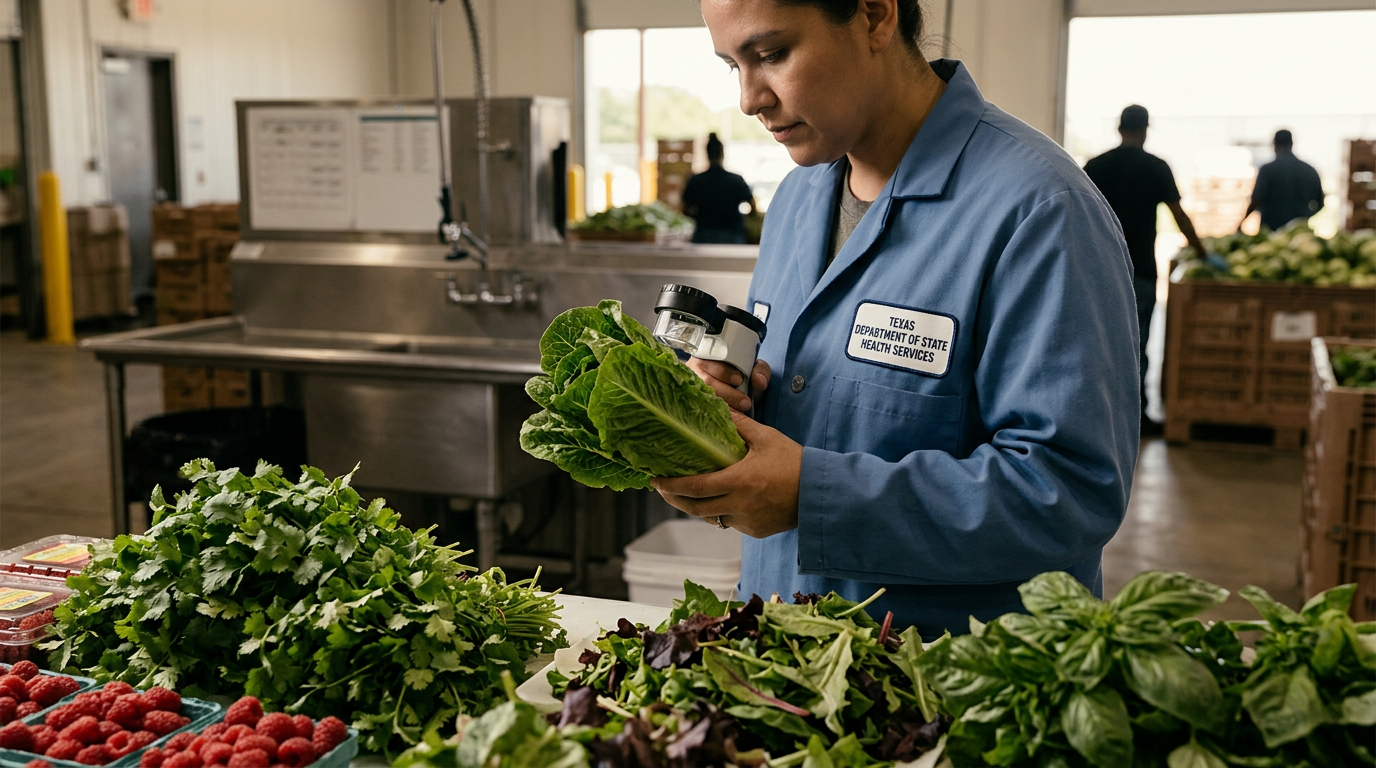
Public health officials in Texas are intensifying their monitoring of Cyclospora cayetanensis, a parasite that typically sees a surge in activity during the warmer summer months. Historically, Texas has been a focal point for these intestinal illness outbreaks, which are frequently linked to fresh produce items like cilantro, raspberries, and leafy greens. Unlike many bacterial pathogens that originate in domestic livestock, Cyclospora is often traced back to international supply chains and specific agricultural conditions found in tropical regions. State health authorities are urging residents to adopt heightened hygiene practices when preparing raw vegetables, as the parasite is notably resistant to standard washing techniques and common chemical disinfectants. Over the last decade, the Texas Department of State Health Services (DSHS) has tracked a consistent seasonal pattern beginning in late spring and peaking throughout July. This parasite thrives in high-humidity environments, making the Texas climate particularly susceptible to localized spread if contaminated items enter the regional distribution network. Efforts to mitigate the risk include more rigorous testing at ports of entry and enhanced surveillance at the retail level. However, because the incubation period for the illness can last up to two weeks, many residents may not immediately connect their symptoms—such as fatigue, nausea, and severe digestive distress—to a specific meal, complicating efforts to pinpoint the exact source of an outbreak.
Texas relevance
Texas is disproportionately affected by cyclosporiasis compared to other states due to its geographic proximity to major international agricultural exporters and its robust consumption of fresh garnishes like cilantro and onions. In previous years, the state has reported hundreds of cases during the summer window, leading to significant economic impacts on local restaurateurs and produce wholesalers who must pivot sourcing strategies to ensure public safety. For many Texans, the cultural staple of the 'trinity' of taco toppings—cilantro, onions, and lime—represents a specific point of vulnerability in the food chain that requires constant oversight by state-level epidemiologists.
Understanding the Cyclospora Parasite
Cyclospora cayetanensis is a microscopic, single-celled parasite that causes an intestinal infection known as cyclosporiasis. Unlike many common foodborne illnesses caused by bacteria like Salmonella or E. coli, this parasite is a protozoan that requires a specific period outside the host to become infectious. This means that direct person-to-person transmission is highly unlikely; instead, the infection is almost exclusively spread through the ingestion of contaminated food or water.
The parasite is particularly resilient. It is encased in a protective shell that allows it to survive in harsh environmental conditions, including moderate heat and many common kitchen cleaners. This resilience is why simple rinsing under tap water is often insufficient to remove the parasite from the crinkled leaves of cilantro or the rough surfaces of berries. When an individual consumes the parasite, it attaches to the lining of the small intestine, leading to symptoms that can persist for weeks or even months if left untreated.
The Challenge of the Texas Supply Chain
Texas serves as a primary gateway for produce entering the United States from Latin America, putting the state on the front lines of food safety monitoring. Many of the most common vectors for Cyclospora, such as cilantro and basil, are imported in high volumes through Texas ports of entry. This logistical reality means that when a contamination event occurs at an international farm, Texas consumers are often the first to be exposed.
Local distributors in cities like Dallas, Houston, and San Antonio work closely with health inspectors to track lot numbers and points of origin, but the complexity of the supply chain makes total prevention difficult. A single shipment of contaminated cilantro can be broken down and sold to dozens of different restaurants and grocery stores within 48 hours, often before the first patient even begins to feel ill. This lag time is the biggest hurdle for Texas health officials trying to contain a seasonal surge.
Clinical Symptoms and Diagnosis Patterns
The clinical presentation of cyclosporiasis is often mistaken for other viral or bacterial stomach bugs, which leads to underreporting in Texas. Typical symptoms include watery diarrhea, loss of appetite, weight loss, stomach cramps, and extreme bloating. Because these symptoms can wax and wane over several weeks, some patients assume they have a recurring flu rather than a parasitic infection that requires specific medical intervention.
Medical professionals in Texas are increasingly trained to look for Cyclospora during the summer months, but it requires a specific stool test that is not part of a standard gastrointestinal panel. Healthcare providers recommend that anyone experiencing prolonged digestive issues during 'Cyclospora season' specifically request a parasite exam. Treatment typically involves a specific combination of antibiotics, as common treatments for other parasites are often ineffective against this specific strain.
Impact on the Texas Restaurant Industry
For the thousands of Tex-Mex and street taco establishments across the state, the threat of Cyclospora is a recurring business challenge. Cilantro and onions are not just garnishes; they are essential components of the Texas culinary identity. When health warnings are issued, business owners must choose between sourcing more expensive domestic alternatives, removing the items from the menu, or risking a potential outbreak linked to their establishment.
Many restaurants have begun implementing advanced washing protocols, using fruit and vegetable washes designed to break down the surface tension that allows parasites to cling to leaves. Others have opted for cooked salsas during peak season, as the heat levels required for cooking are sufficient to kill the parasite. These adaptations show the resilience of the local food industry, but they often come at a higher operational cost that is eventually passed down to the consumer.
Preventative Measures for Home Cooks
While there is no foolproof way to ensure raw produce is 100% free of Cyclospora, there are steps Texas residents can take to minimize their risk. Thoroughly scrubbing firm produce and utilizing a produce-specific wash can help. However, health experts note that the most effective way to eliminate risk is to cook produce to at least 160 degrees Fahrenheit. For items like cilantro, which are usually eaten raw, this is rarely a preferred option.
Another strategy involves keeping a close eye on the Food and Drug Administration (FDA) and DSHS recall lists. By staying informed about which specific regions or brands are currently under investigation, consumers can make more educated choices at the grocery store. Many experts also suggest that during the peak months of June and July, Texans should consider using greenhouse-grown or locally sourced hydroponic greens, which are less likely to be exposed to the environmental runoff that often carries the parasite.
The Role of State and Federal Regulation
The regulation of food safety is a multi-layered effort involving the FDA, the CDC, and state agencies like the Texas Department of State Health Services. In recent years, the FDA has implemented the Foreign Supplier Verification Program, which requires importers to perform audits on their international partners. Despite these measures, the sheer volume of produce crossing the border makes 100% inspection impossible.
Texas legislators and health officials continue to advocate for better rapid-testing technology at the border. The goal is to develop field tests that can detect the presence of DNA from parasites like Cyclospora in real-time, rather than waiting for laboratory confirmation after an illness has already occurred. Until such technology is widely deployed, the burden of safety remains shared between the regulators, the suppliers, and the end-users who must remain vigilant during the summer months.
Analysis
While the immediate concern is a public health matter, the recurring nature of these outbreaks highlights a systemic tension between the Texas demand for year-round fresh produce and the logistical challenges of international food safety standards. The reliance on imported cilantro, which is frequently cited in federal recalls, creates a precarious situation for the Texas hospitality industry. Moving forward, the state may see a push toward hydro-cooled domestic production or indoor vertical farming within Texas borders to bypass the contamination risks associated with open-field farming in regions with lower sanitation requirements. For consumers, the decision to forego raw garnishes is less about fear and more about a rational response to a predictable seasonal risk that federal agencies have yet to fully resolve at the source.
Source attribution
This story was reported using a public release from the Texas Food Stories (Google News). Keep TX Red rewrote the coverage independently and links to the official statement for verification.
Frequently Asked Questions
- Can you get Cyclospora from person-to-person contact?
- No, Cyclospora is not typically passed directly from one person to another. The parasite needs time to mature in the environment after being passed in a stool before it becomes infectious to the next host. Infection almost always occurs through contaminated food or water.
- Does washing cilantro with vinegar kill the parasite?
- While vinegar or produce washes may help dislodge some of the parasites from the surface of the leaves, they are not guaranteed to kill Cyclospora. The parasite has a very tough outer shell that protects it from many mild acids and disinfectants.
- How long do symptoms of cyclosporiasis last?
- If left untreated, symptoms can last from a few days to a month or longer. It is common for symptoms to seem to go away and then return, which is why medical diagnosis and specific antibiotic treatment are important.
- Is it safe to eat cooked cilantro or onions?
- Yes, high heat is effective at killing the Cyclospora parasite. Cooking produce to a safe internal temperature (typically above 160°F) eliminates the risk of infection, making cooked salsas and stir-fries a safer alternative during an outbreak.
Official Sources
Take the next step
Browse the Newsroom →Read more about Keep Texas Red → Our full guide to what Keep Texas Red means and why Texans support it.
Related Articles



Get Texas updates delivered weekly.
Independent Texas reporting on politics, policy, and daily life. One email a week. Unsubscribe anytime.
Keep TX Red Newsroom
The Keep Texas Red Editorial Staff produces nonpartisan explainers, policy breakdowns, and educational resources to help Texans understand how their government works. All content is reviewed for accuracy and updated regularly.
About Keep TX Red →