Exploring the History and Legacy of the Dr Pepper Museum in Waco Texas
Discover the birthplace of America’s oldest major soft drink at the Dr Pepper Museum in Waco, a cornerstone of Texas beverage history.
Editorial disclaimer: Opinions and analysis on Keep TX Red are editorial content — not statements of fact. See our editorial standards.
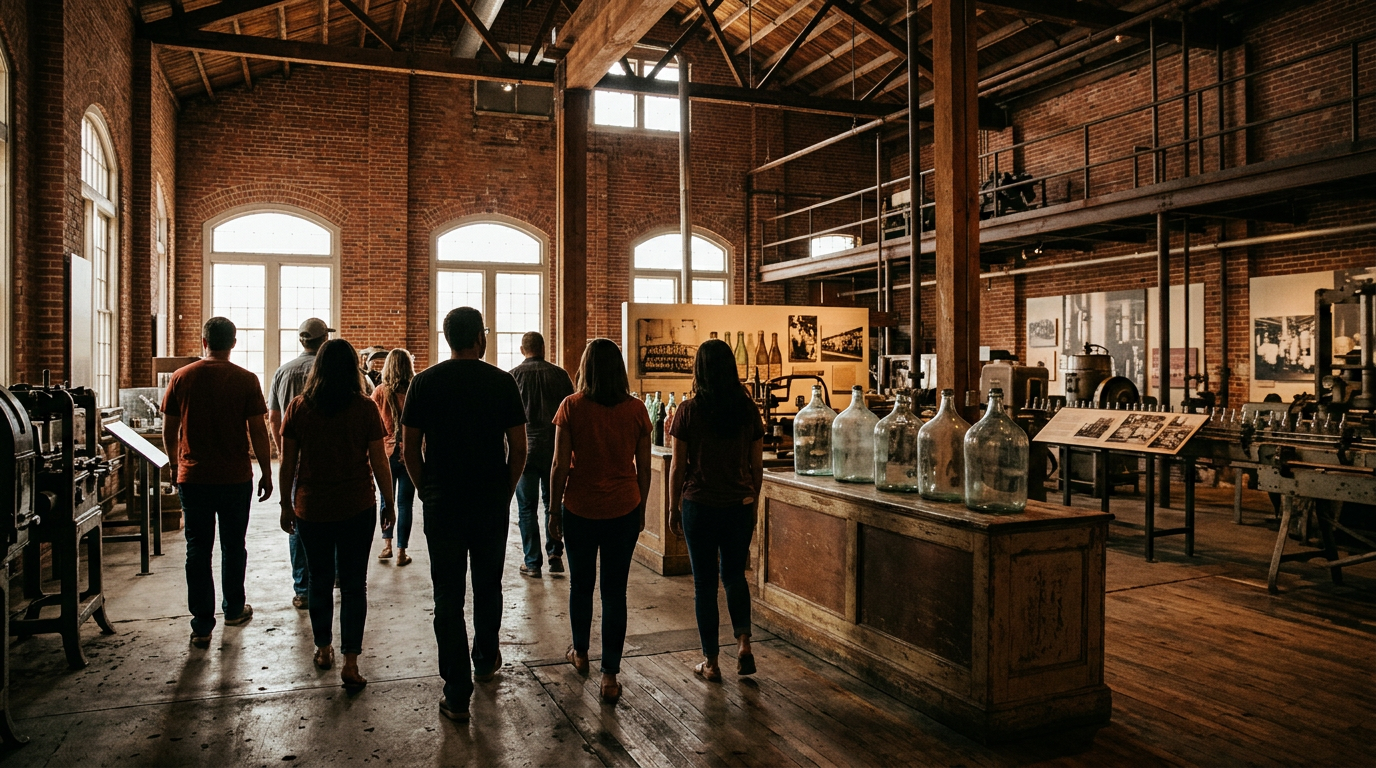
In the heart of Waco, Texas, stands a three-story brick structure that serves as a monument to the oldest major soft drink in the United States. The Dr Pepper Museum, housed in the historic 1906 Artesian Manufacturing and Bottling Company building, celebrates the unique carbonated beverage that predates Coca-Cola by one year. This location is not merely a collection of memorabilia; it is the site where the iconic drink was first bottled on a large scale. Visitors from across the globe travel to this Central Texas landmark to learn about the pharmacist who blended the original 23 flavors and the subsequent rise of a global brand that remains fiercely protective of its secret recipe. Historically, Texas has been the focal point of the American soda industry, with Dr Pepper serving as a cultural touchstone for generations of residents. The museum offers an immersive look at the evolution of marketing, manufacturing, and local entrepreneurship through the lens of a single beverage that became a national phenomenon.
Texas relevance
Texas serves as the exclusive birthplace of Dr Pepper, specifically within the city of Waco. This regional connection is so significant that the beverage has become an unofficial symbol of Texas pride, often featured at state fairs, local festivals, and as a staple in Texas-based restaurants. The museum's presence in Waco contributes significantly to the local economy, attracting hundreds of thousands of tourists annually to the Brazos River region. Historically, Texas precedent for branding is deeply tied to this drink; the state’s legislature has even recognized Waco as the official home of the beverage. The preservation of the 1906 bottling plant reflects a broader Texas commitment to historical landmarks and the celebration of homegrown industrial success stories that began in small-town pharmacies.
The Origin Story and Pharmacist Charles Alderton
The story of the drink begins in 1885 at Morrison's Old Corner Drug Store in Waco. A young pharmacist named Charles Alderton was fascinated by the various smells of the soda fountain fruit syrups. He experimented with different combinations, eventually landing on a unique blend of 23 flavors that customers initially referred to as a 'Waco.' The owner of the drug store, Wade Morrison, eventually named the drink Dr Pepper, though the exact origin of the name remains a subject of legend and debate among historians.
Alderton was less interested in the commercialization of his invention than he was in the pharmaceutical arts. Consequently, he allowed Morrison to take over the marketing and expansion of the beverage. This partnership laid the groundwork for the formation of the Artesian Manufacturing and Bottling Company in 1891. The museum today occupies the very building that this company constructed years later to meet the overwhelming demand for the 'Waco' drink, symbolizing the transition from a local pharmacy treat to a mass-produced commodity.
Architectural Significance of the 1906 Bottling Plant
The building that houses the museum is a masterpiece of early 20th-century industrial architecture. Designed specifically for bottling carbonated beverages, the structure had to accommodate heavy glass bottles and the pressure of various carbonation machines. The brickwork and layout reflect the pride of Waco’s industrial era, located near the vital resources provided by the Brazos River. It was the first building dedicated entirely to the manufacture of Dr Pepper, serving that purpose until the mid-1960s.
Walking through the halls of the museum, visitors can see the original well used to pull mineral water for the soda. The preservation of these industrial elements allows for a tangible connection to the past. Engineers and history buffs alike appreciate the gravity-fed production systems and the thick walls designed to keep the facility cool during the intense Texas summers. It stands as a testament to the durability of Texas construction and the foresight of early beverage barons.
The Evolution of Soda Marketing and the '23 Flavors'
One of the most extensive exhibits in the museum focuses on the evolution of advertising. Dr Pepper’s marketing has gone through several iconic phases, from the 'King of Beverages' slogans of the early 1900s to the famous '10, 2, and 4' clock campaign. This specific campaign encouraged consumers to drink the beverage at 10:30 AM, 2:30 PM, and 4:30 PM to maintain their energy levels throughout the workday. These time-stamped clocks are now highly sought-after collectors' items and are displayed prominently throughout the museum.
The mystery of the 23 flavors remains a central draw for visitors. While the exact ingredients are kept in two separate halves of a recipe in different bank vaults, the museum explores the various flavor notes—such as cherry, licorice, amaretto, and plum—that people claim to taste. This air of mystery has successfully maintained consumer interest for over a century. The museum also documents the brand's pivot during the mid-century to appeal to a younger, more rebellious demographic, cementing its place in American pop culture through television and celebrity endorsements.
Interactive Exhibits and the Modern Visitor Experience
The museum has modernized its approach to storytelling by incorporating interactive science labs and sensory experiences. Visitors can participate in the 'Taste Lab,' where they can create their own custom soda flavors using the same principles Charles Alderton applied over a century ago. This hands-on experience educates children and adults on the chemistry of carbonation and the balance of sweetness and acidity required to make a palatable soft drink. It is a fusion of educational STEM concepts and historical narrative.
Beyond the science of soda, the museum includes a fully functional old-fashioned soda fountain. Here, visitors can order a Dr Pepper made with pure cane sugar, served over 'Waco ice.' This provides a physical connection to the way the drink tasted in its earliest years. The experience of sitting at a marble counter and watching a soda jerk prepare a drink provides a nostalgic bridge to a time when the local pharmacy was the social hub of any Texas town. This immersive atmosphere is what sets the museum apart from standard historical archives.
Educational Impact and Community Involvement
The Dr Pepper Museum operates as a non-profit educational institution, separate from the Keurig Dr Pepper corporate entity. This independence allows the museum to focus on the broader history of the soft drink industry as a whole, rather than just one brand. It hosts school field trips, offering curriculum-based tours that cover Texas history, economics, and business ethics. By explaining how a small-town invention became a global competitor, the museum inspires young Texans to pursue entrepreneurial ventures.
Community engagement is also a major pillar of the museum's mission. It frequently hosts local events, sensory-friendly days for children with special needs, and historical lectures for the public. By serving as a community gathering space, the museum reinforces its role as a steward of Waco's cultural identity. Its success has paved the way for other historical preservation projects in the downtown Waco area, proving that heritage tourism is a viable model for urban revitalization in Texas cities.
The Soda Wars and Dr Pepper's Unique Market Position
For much of its history, Dr Pepper had to fight for shelf space against larger giants like Coca-Cola and Pepsi. The museum details these 'Soda Wars' and how Dr Pepper carved out a niche as an 'alternative' beverage. Because it is not a cola, a root beer, or a fruit soda, it occupies its own category. This unique positioning allowed the company to survive during the Great Depression and expand rapidly during the post-WWII economic boom, often by partnering with independent bottlers across the South.
The legal battles fought by the company are also explored, including the struggle to be classified as a unique flavor rather than a cola. This classification was crucial for distribution rights and competitive pricing. The museum’s archives contain fascinating documents regarding these corporate maneuvers, illustrating the cutthroat nature of the American beverage industry. It highlights the resilience of a Texas-born company that refused to be absorbed or rebranded, maintaining its distinct identity even as it grew into a multi-billion dollar enterprise.
Analysis
The enduring popularity of the Dr Pepper Museum highlights a unique trend in Texas tourism: the 'pilgrimage' to brand birthplaces. While many corporate entities move their headquarters to global hubs, the connection between Dr Pepper and Waco remains unbreakable. This serves as a powerful case study in localized brand loyalty. For Texans, Dr Pepper is more than a consumable product; it is a legacy item. From a business perspective, the museum demonstrates how a company can successfully leverage its past to strengthen its modern market presence, turning historical manufacturing challenges into educational opportunities that resonate with younger generations who value authenticity and origin stories.
Source attribution
This story was reported using a public release from the Unusual Texas / Only In Texas (Google News). Keep TX Red rewrote the coverage independently and links to the official statement for verification.
Frequently Asked Questions
- Where exactly is the Dr Pepper Museum located?
- The museum is located at 300 South 5th Street in downtown Waco, Texas. It is situated in the historic 1906 building of the Artesian Manufacturing and Bottling Company, which was the first facility built specifically to bottle Dr Pepper.
- What is the secret recipe for Dr Pepper?
- The exact recipe consisting of 23 flavors remains one of the most closely guarded secrets in the food and beverage industry. It is reported that the recipe is split into two halves and kept in separate bank vaults. The museum explores the theories behind the flavors but does not reveal the official list.
- Is the museum affiliated with the Dr Pepper company?
- No, the Dr Pepper Museum and Free Enterprise Institute is an independent non-profit organization. While they maintain a positive relationship with Keurig Dr Pepper, the museum is not owned or operated by the corporation, allowing it to provide a broader historical perspective on the industry.
- Can you actually drink soda at the museum?
- Yes! The museum features an authentic 1950s-style soda fountain where visitors can enjoy Dr Pepper made with real cane sugar, as well as unique treats like Dr Pepper floats. There is also a 'Taste Lab' where visitors can experiment with creating their own soda flavors.
Official Sources
Take the next step
Browse the Newsroom →Read more about Keep Texas Red → Our full guide to what Keep Texas Red means and why Texans support it.
Related Articles

Get Texas updates delivered weekly.
Independent Texas reporting on politics, policy, and daily life. One email a week. Unsubscribe anytime.
Keep TX Red Newsroom
The Keep Texas Red Editorial Staff produces nonpartisan explainers, policy breakdowns, and educational resources to help Texans understand how their government works. All content is reviewed for accuracy and updated regularly.
About Keep TX Red →