A Legacy of Flavor: The True History of Iconic Texas Food and Drink Innovations
Discover the origins of Texas-born culinary staples like Dr Pepper and the corn dog that have shaped Lone Star culture for over a century.
Editorial disclaimer: Opinions and analysis on Keep TX Red are editorial content — not statements of fact. See our editorial standards.
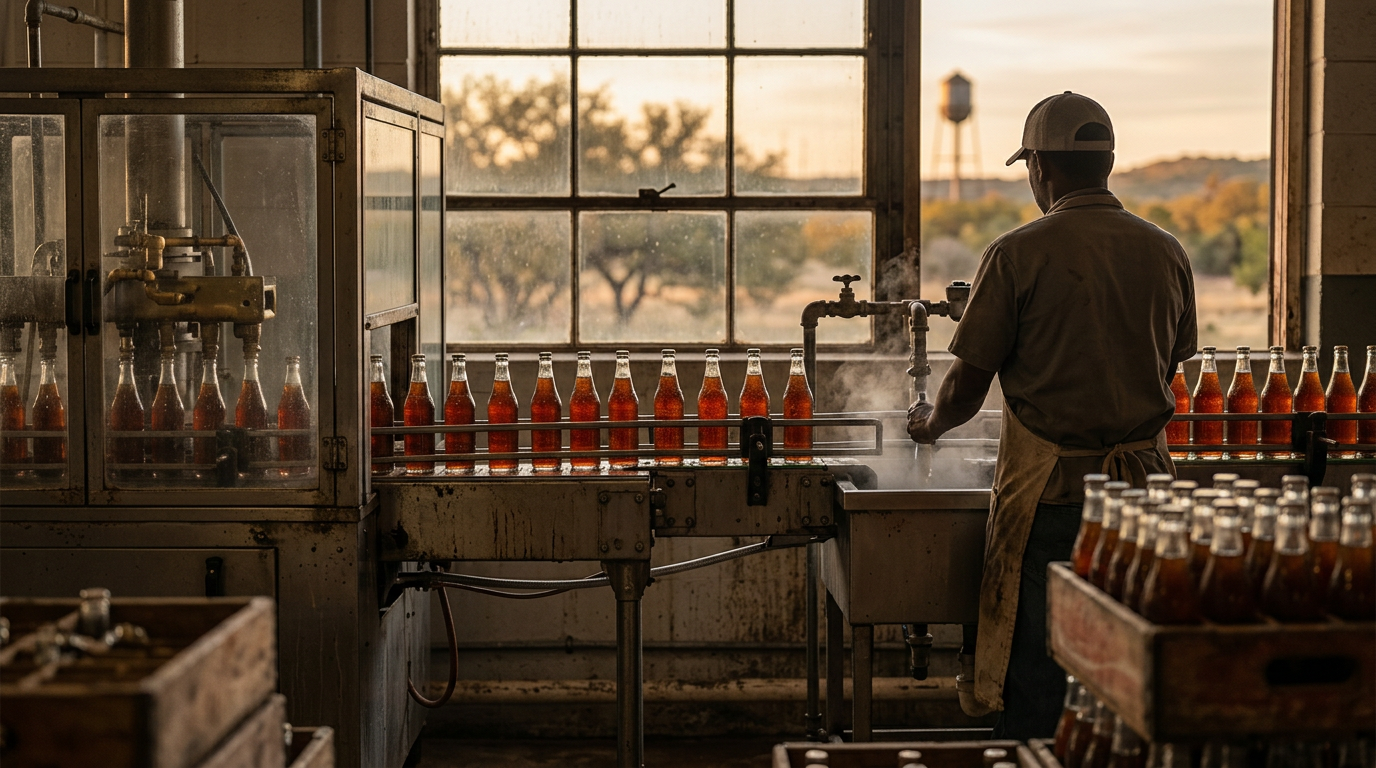
Texas has long been a melting pot of culinary innovation, fueled by a unique blend of German, Czech, Mexican, and Southern influences. The state's food history is not merely about sustenance; it is a reflection of the pioneering spirit that defines the region. From the invention of the world's first carbonated soft drink in Waco to the development of the frozen margarita machine in Dallas, Texas has consistently exported its flavors to the global stage. Understanding the origins of these dishes requires looking back at the late 19th and early 20th centuries, a time when Texas entrepreneurs were experimenting with local ingredients to create products that could withstand the heat and satisfy the appetites of a growing workforce. Historically, many of these innovations occurred at social gatherings such as state fairs and community festivals. As the state transitioned from an agrarian economy to an industrial one, portable and durable foods became cultural necessities. The legacy of these items is preserved today through family-owned businesses and institutional landmarks that continue to serve the original recipes. This rich tapestry of food history serves as a point of pride for residents, acting as a culinary shorthand for the identity of the Lone Star State and its diverse heritage.
Texas relevance
Texas is the undisputed birthplace of these specific culinary staples, which generate billions in annual revenue for the state's economy and tourism sectors. Whether it is the State Fair of Texas in Dallas or the historic soda fountains of Waco, these flavors are deeply embedded in the local infrastructure. The preservation of these food origins is essential for maintaining the state's cultural unique standing and supporting local agricultural producers who supply the raw ingredients for these classic dishes.
The Rise of the Carbonated Legend in Waco
In 1885, a pharmacist named Charles Alderton was working at Morrison's Old Corner Drug Store in Waco when he began experimenting with a variety of fruit-based syrups. His goal was to capture the distinct aroma of the soda fountain itself—a mix of fruity smells that wafted through the air. The resulting concoction was eventually named Dr Pepper, making it the oldest major soft drink brand in the United States, predating even Coca-Cola by one year.
The beverage quickly gained popularity beyond the local pharmacy, leads to the formation of the Artesian Manufacturing and Bottling Company. Today, the Dr Pepper Museum in Waco stands as a monument to this innovation, chronicling how a single local experiment grew into a global beverage empire that remains a staple of the Texas diet and a symbol of early industrial chemistry in the state.
What makes this story uniquely Texan is the persistence of the 'Dublin' style and the preference for cane sugar among purists. For decades, the small town of Dublin, Texas, was a hub for the drink's production, creating a loyal following that insisted on traditional ingredients. This highlights the deep emotional connection Texans have with the longevity and authenticity of their local brands.
The Fried Revolution at the State Fair
While many claims exist regarding the invention of the corn dog, the most widely recognized origin story in the Lone Star State centers on Neil and Carl Fletcher. In the late 1930s and early 1940s, the brothers introduced the 'Corny Dog' at the State Fair of Texas. They realized that putting a sausage on a stick and frying it in cornmeal batter made it the perfect portable snack for fairgoers who wanted to eat while they walked.
The success of the Fletcher brothers' invention fundamentally changed fair food culture across the country. It wasn't just about the food itself, but the method of delivery. By solving the problem of how to eat a hot meal without utensils or a table, they created a recurring revenue stream that continues to be a highlight of the annual Dallas event, drawing millions of visitors who consider the snack an essential part of the experience.
This innovation sparked a long-standing tradition of deep-frying unique items at the fair, a practice that has become a competitive art form in Texas. The corn dog served as the blueprint for an entire subculture of Texan culinary creativity, proving that simple ideas can have a massive and lasting impact on cultural tourism and local traditions.
Dallas and the Engineering of the Margarita
While the origins of the margarita cocktail are often debated, the technological advancement that allowed it to go mainstream happened in Dallas in 1971. Mariano Martinez, a local restaurateur, was struggling to keep up with the high demand for frozen blended drinks. The traditional method of using a blender was slow and resulted in inconsistent textures that didn't hold up in the Texas heat.
Inspired by the Slurpee machines he saw at a 7-Eleven, Martinez modified a soft-serve ice cream machine to handle the acidity and alcohol content of a margarita. This invention allowed for high-volume production of the perfectly textured frozen drink, revolutionizing the global Mexican food industry. The original machine is now housed in the Smithsonian National Museum of American History, representing Texas innovation in the culinary arts.
The frozen margarita machine transformed how Tex-Mex restaurants operated, allowing them to scale their businesses and offer a consistent product. It turned a labor-intensive craft cocktail into an accessible staple for the masses. This development is a prime example of how Texas business owners use mechanical ingenuity to solve operational challenges while enhancing the customer experience.
Comfort in a Bag: The History of Frito Pie
Frito Pie is a quintessential Texas comfort food that bridges the gap between commercial snacks and home-style cooking. While its exact origin point is contested between New Mexico and Texas, the association with the Frito-Lay company—headquartered in Plano—solidifies its status as a Texas icon. The dish consists of chili, cheese, and onions served directly inside a bag of corn chips, providing a warm and savory meal that is both inexpensive and efficient.
The popularity of the dish grew through school lunchrooms, high school football concession stands, and small-town diners. It represents a specific era of Texas history where accessibility and community were paramount. The dish has evolved from a simple snack into a gourmet item featured in high-end restaurants, yet it retains its humble identity as a staple of Texas small-town life.
For many Texans, the Frito Pie is more than just food; it is a nostalgic reminder of Friday nights under the stadium lights. The dish's longevity is tied to the state's deep-rooted football culture and the communal nature of public gatherings. It showcases how a commercial product can be adopted into a local culture and transformed into a tradition that spans generations.
The Sweet Influence of German and Czech Heritage
Texas history is deeply tied to the wave of Central European immigrants who settled in the Hill Country and Central Texas regions in the 19th century. These settlers brought their baking traditions, most notably the Kolache. While traditionally a sweet pastry filled with fruit or cheese, Texans adapted the form to include savory fillings like sausage and jalapeños, creating the 'Klobasnek' which is now commonly referred to as a savory kolache across the state.
The 'Czech Belt' of Texas, running through towns like West and Caldwell, serves as the epicenter for this culinary tradition. These bakeries have become major stops for travelers along the I-35 corridor, contributing significantly to the local economy. The adaptation of these old-world recipes to suit the Texan palate—including the addition of spices and meats—illustrates the cultural blending that occurs within the state.
Similarly, the German influence is seen in the prevalence of Pecan Pralines and the heavy use of pecans in Texas desserts. With the pecan tree serving as the official state tree, these candies represent a marriage between native natural resources and European confectionery techniques. These sweets are a cornerstone of Texas holiday traditions and high-end gift-giving, maintaining a steady demand for Texas-grown agricultural products.
Pecans and the official State Treat
The pecan is the only nut native to North America that is of major commercial importance, and Texas is one of the leading producers in the world. Recognizing its significance, the Texas Legislature designated the pecan as the official state tree in 1919 and later named the pecan pie as the official state pie. This recognition highlights the deep economic and cultural ties the state has to this native crop.
Pecan pie emerged as a popular dessert in the early 20th century, largely aided by the marketing efforts of syrup manufacturers who included recipes on their packaging. However, Texans perfected the recipe by utilizing the fresh harvests from the river bottoms of Central and East Texas. The dish has become a symbolic centerpiece for Thanksgiving and Christmas tables across the state, representing the bounty of the Texas land.
Beyond the pie, the use of pecans in Texas pralines showcases the influence of French and Spanish settlers in the southern parts of the state. These candies, which combine caramelized sugar and cream with the crunch of Texas pecans, are a staple of San Antonio's culinary heritage. The industry supports thousands of jobs in farming, processing, and retail, making the pecan a vital part of the state's rural economy.
Analysis
The evolution of Texas cuisine is a testament to the state's ability to take diverse cultural elements and forge something entirely new and distinct. By examining how these foods moved from local experiments to international icons, we see a pattern of Texas ingenuity. These dishes often represent the pragmatic nature of Texans—finding ways to make heavy meals portable or creating cooling refreshments for the intense summer humidity. This history reinforces the idea that Texas culture is not static but is constantly being reshaped by the creative efforts of its citizens.
Source attribution
This story was reported using a public release from the Unusual Texas / Only In Texas (Google News). Keep TX Red rewrote the coverage independently and links to the official statement for verification.
Frequently Asked Questions
- Was Dr Pepper actually invented in Texas?
- Yes, Dr Pepper was created by Charles Alderton in Waco, Texas, in 1885. It was originally served at Morrison's Old Corner Drug Store and is recognized as the oldest major soft drink in the United States.
- What is the difference between a traditional kolache and a Texas kolache?
- Traditional Czech kolaches are sweet pastries filled with fruit or poppy seeds. In Texas, the 'Klobasnek' was developed, which uses the same dough but is filled with savory items like sausage, cheese, and peppers. Most Texans now use the term 'kolache' to refer to both sweet and savory varieties.
- Is the frozen margarita machine still in use today?
- While the original machine invented by Mariano Martinez in 1971 is now in the Smithsonian, the technology he developed—modifying soft-serve ice cream machines for cocktails—is the standard used by restaurants and bars worldwide today.
Official Sources
Take the next step
Browse the Newsroom →Read more about Keep Texas Red → Our full guide to what Keep Texas Red means and why Texans support it.
Related Articles


Get Texas updates delivered weekly.
Independent Texas reporting on politics, policy, and daily life. One email a week. Unsubscribe anytime.
Keep TX Red Newsroom
The Keep Texas Red Editorial Staff produces nonpartisan explainers, policy breakdowns, and educational resources to help Texans understand how their government works. All content is reviewed for accuracy and updated regularly.
About Keep TX Red →