Texas Vacation Fraud Climbs to $17.9 Million as Digital Scams Target Lone Star Travelers
New data reveals Texans lost nearly $18 million to travel scams last year. Learn how to identify digital fraud before your next trip.
Editorial disclaimer: Opinions and analysis on Keep TX Red are editorial content — not statements of fact. See our editorial standards.
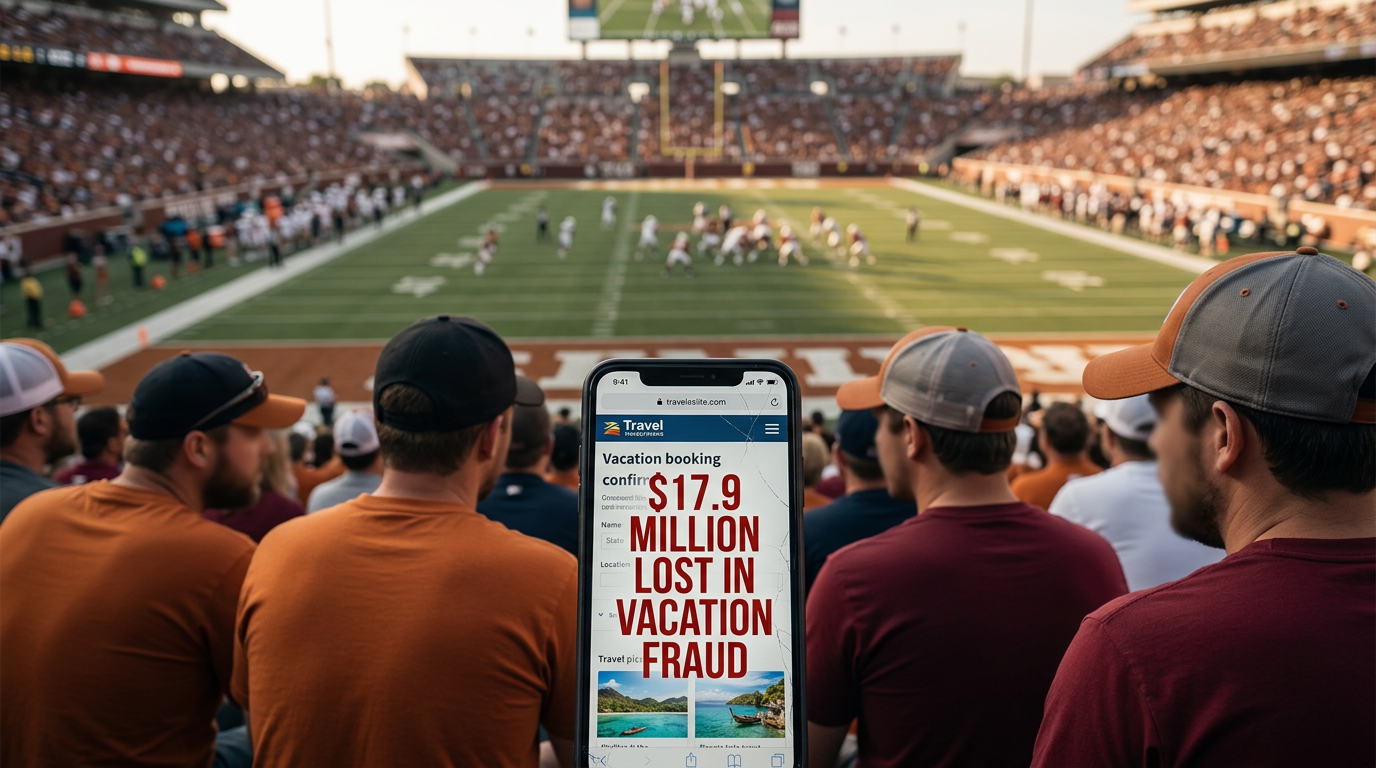
Texas residents are increasingly falling victim to sophisticated travel-related financial crimes, with total reported losses reaching $17.9 million over the last fiscal year. These figures, highlighted in a comprehensive study on national fraud trends, position Texas as one of the most targeted states for travel-related identity theft and payment fraud. Historically, travel scams relied on telemarketing or physical mail solicitations, but the modern landscape has shifted toward high-tech digital deceptions. These include cloned websites that mimic popular booking portals, 'ghost' rental listings on social media marketplaces, and social engineering tactics designed to extract credit card information from eager vacationers. Historically, the state has seen spikes in travel fraud during peak summer months and the winter holiday season, but current data indicates that these operations are now run year-round by well-organized international syndicates. The nature of these crimes often makes recovery difficult once funds are transferred, particularly if the transactions occur via wire transfer or cryptocurrency. State authorities have noted that while general fraud awareness is rising, the technical sophistication of these particular scams—often involving artificial intelligence to create realistic advertisements—is outpacing the average consumer's ability to verify authenticity without specific training or tools.
Texas relevance
As a major hub for both domestic tourism and international departures, Texas faces a unique vulnerability to travel-related financial crimes. Major metropolitan areas like Houston, Dallas-Fort Worth, and Austin serve as high-density targets for scammers who capitalize on the high volume of leisure and business travel coming out of the state's international airports. Historically, Texas has been a leader in implementing consumer protection laws, such as the Deceptive Trade Practices Act (DTPA), which allows for legal action against entities that mislead consumers. However, the cross-border nature of digital travel scams often places perpetrators outside the immediate reach of local county sheriffs, making statewide awareness and prevention the primary defense for residents of the Lone Star State.
The Evolution of Digital Travel Deception
In previous decades, a travel scam in Texas might have involved a 'prizes' phone call informing a resident they won a cruise, only to require a 'processing fee.' Today, the tactics are far more insidious and integrated into modern browsing habits. Scammers use search engine optimization (SEO) techniques to push fraudulent booking sites to the top of Google search results, ensuring that the first link a Texan clicks while planning a trip to the coast or the mountains is a trap.
These fake sites often use 'URL typosquatting,' where the web address is nearly identical to a major brand like Expedia or Marriott, varying by only a single character. Once a traveler enters their personal details and payment information, the site may even generate a fake confirmation number to delay suspicion. By the time the traveler realizes the booking doesn't exist—often while standing at a hotel check-in desk—the money is long gone and the website has been taken down.
Social Media and the Rise of 'Ghost' Rentals
A significant portion of the $17.9 million loss is attributed to fraudulent short-term rental listings on platforms like Facebook Marketplace and Craigslist. Scammers often scrape photos and descriptions from legitimate real estate listings or high-end Airbnb properties and repost them at significantly lower prices to entice quick action from budget-conscious families.
In many Texas cases, victims were pressured to pay via non-reversible methods like Zelle, Venmo, or wire transfers to 'secure the dates' due to high demand. Because these platforms often lack the robust buyer protections found on dedicated travel sites, the victim has no recourse once the scammer deletes their profile. The emotional toll is as significant as the financial one, often resulting in families arriving at a rental property only to find it is already occupied by the actual owner or other legitimate renters.
The Role of Airline Ticket 'Consolidators'
Another major vector for fraud involves third-party airline ticket sellers claiming to offer exclusive discounts on domestic and international flights. These entities often advertise on social media or through unsolicited emails, targeting Texans looking for deals out of major hubs like DFW or IAH. The fraud occurs when the agency uses stolen credit cards to book the traveler's seat; while the traveler receives a real ticket, the airline eventually cancels it once the original cardholder reports the fraud.
The traveler is then left at the airport with a voided ticket and is forced to buy a new one at full price, effectively paying twice. This specific type of scam has seen a resurgence as airfares have fluctuated, driving more people to seek out 'too good to be true' deals from unverified sources. Travelers are advised that if a price is more than 20% lower than what is offered directly by the airline, it warrants extreme scrutiny.
Financial Impact on Texas Households
The loss of nearly $18 million represents more than just a data point; it reflects thousands of Texas families who saw their hard-earned savings vanished. The average individual loss can range from a few hundred dollars for a fake excursion booking to over $5,000 for a luxury international package. For many middle-class Texans, this means the cancellation of a year's worth of planning and the loss of a primary financial safety net.
Furthermore, these scams often lead to identity theft. Once a scammer has a traveler’s full name, address, and credit card number, they can sell that bundle on deep-web forums or use it to open secondary lines of credit. Victims often spend months, if not years, working with credit bureaus to repair the damage to their financial reputations, making the true cost of the $17.9 million figure even higher in the long term.
Defensive Measures for the Texas Traveler
Prevention remains the most effective tool against travel fraud. Experts suggest that Texas residents should always pay for travel expenses using a major credit card rather than a debit card or bank transfer. Credit cards offer federally mandated fraud protection, allowing consumers to dispute charges and receive temporary credits while an investigation is conducted—a safeguard that is largely absent from peer-to-peer payment apps.
Additionally, travelers should verify the physical address and phone number of any travel agency or rental host they engage with. Using tools like Google Street View to verify the location of a rental property or calling the hotel directly to confirm a booking made through a third party can prevent many of the common pitfalls identified in the recent study. Taking five extra minutes to perform these checks can save thousands of dollars and preserve the integrity of a vacation.
Future Outlook and State Response
The Texas government and various local consumer protection divisions are expected to increase public awareness campaigns in light of these findings. There is also a growing push for legislative action that would require digital platforms to implement stricter identity verification for anyone listing properties or services for sale within the state. As the technology behind these scams evolves, the state's regulatory framework must also adapt to protect its citizens from offshore bad actors.
Education will remain the cornerstone of the state's strategy. By informing the public about the specific red flags—such as requests for payment via gift cards or high-pressure sales tactics—authorities hope to drive down the total loss figures in the coming year. For now, the old adage remains the best advice for any proud Texan looking to travel: if the deal looks like a steal, you might be the one getting robbed.
Analysis
The staggering $17.9 million loss is likely a conservative estimate, as many victims of fraud choose not to report the crime due to embarrassment or the belief that the legal system cannot recover their funds. From a policy perspective, this trend underscores the need for tighter regulations on how third-party travel platforms verify their advertisers. It also highlights a growing burden on Texas law enforcement agencies that must now allocate digital forensic resources to solve what used to be a matter of 'buyer beware.' The financial impact goes beyond individual bank accounts; it erodes consumer confidence in the Texas travel industry, which is a vital part of the state's economic engine. Unless digital platforms are held to a higher standard of verification, the annual loss figure for Texans is projected to rise as AI tools make fraudulent listings indistinguishable from legitimate business operations.
Source attribution
This story was reported using a public release from the Texas Travel Stories (Google News). Keep TX Red rewrote the coverage independently and links to the official statement for verification.
Frequently Asked Questions
- What should I do if I think I was scammed while booking a trip?
- Immediately contact your financial institution to freeze your accounts and dispute any charges. You should also file a report with the Texas Attorney General’s Consumer Protection Division and the FBI’s Internet Crime Complaint Center (IC3). Providing as much documentation as possible, such as emails and screenshots of the listing, will help investigators.
- How can I tell if a travel website is legitimate?
- Check for the 'https' in the URL and look for a padlock icon, but be aware that scammers can fake these. The best method is to look for physical contact information and cross-reverence the company with the Better Business Bureau (BBB). Avoid clicking on sponsored search results and instead type the official website address directly into your browser.
- Are peer-to-peer payment apps safe for booking rentals?
- Generally, no. Apps like Zelle, Venmo, and CashApp are intended for sending money to people you know personally. They do not offer 'buyer protection' for commercial transactions. Most legitimate professional property managers and booking sites will use a secure credit card processing portal rather than asking for a direct app transfer.
Official Sources
Take the next step
Browse the Newsroom →Read more about Keep Texas Red → Our full guide to what Keep Texas Red means and why Texans support it.
Related Articles



Get Texas updates delivered weekly.
Independent Texas reporting on politics, policy, and daily life. One email a week. Unsubscribe anytime.
Keep TX Red Newsroom
The Keep Texas Red Editorial Staff produces nonpartisan explainers, policy breakdowns, and educational resources to help Texans understand how their government works. All content is reviewed for accuracy and updated regularly.
About Keep TX Red →