Texas Charreria Traditions: The Intricate Cultural Standards of Mexico’s National Sport
Discover the strict uniform codes and historical significance of Charreria, the traditional Mexican rodeo thriving across the Texas cultural landscape.
Editorial disclaimer: Opinions and analysis on Keep TX Red are editorial content — not statements of fact. See our editorial standards.
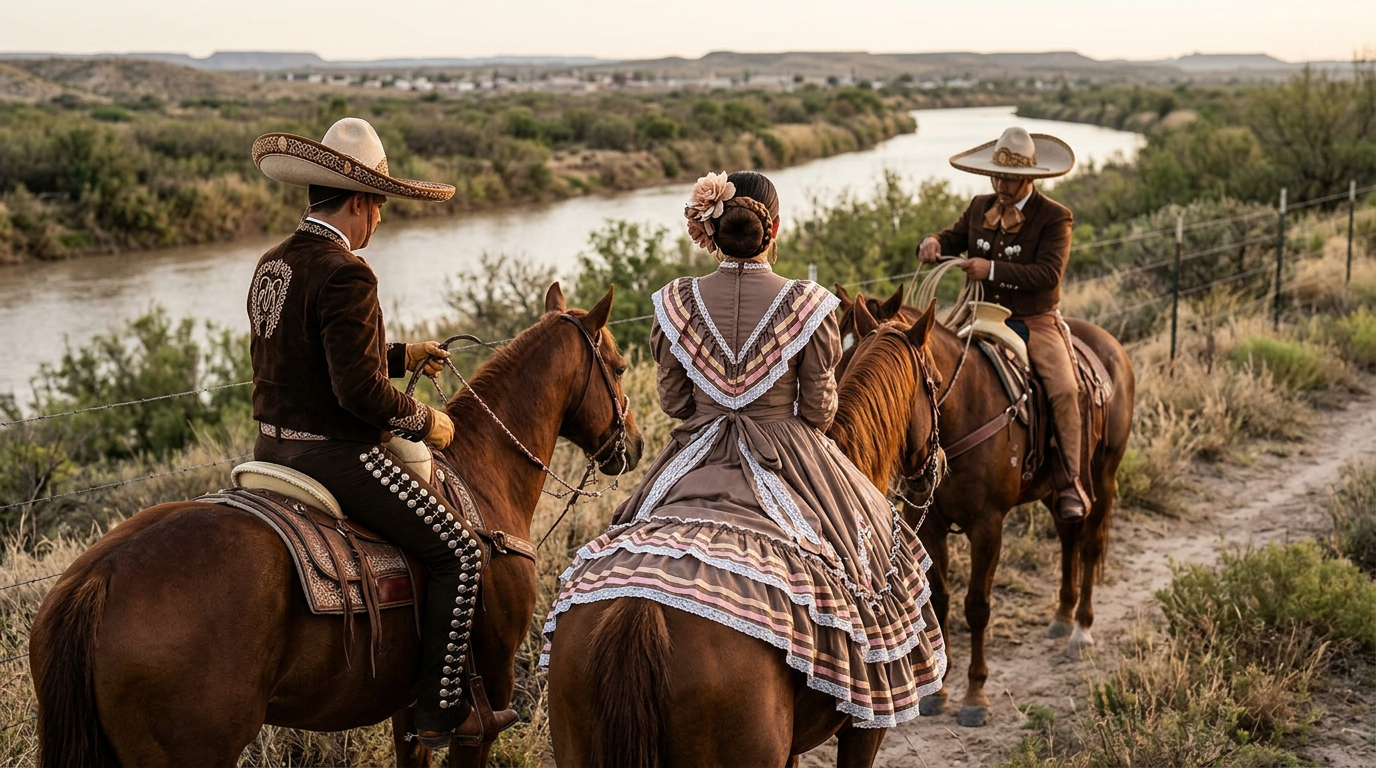
The tradition of Charreria, widely recognized as the national sport of Mexico, maintains a prestigious and growing presence throughout the state of Texas. Unlike modern American rodeo, which often prizes utility and speed above all else, the Charreria is an art form rooted in specific historical aesthetics and strict codes of conduct. Every element of the attire worn by competitors, known as charros and escaramuzas, is governed by a complex set of regulations established by the Federación Mexicana de Charrería. These rules ensure that the uniforms reflect the high-status ranching culture of the 19th century, preserving a legacy that spans generations of families who have migrated across the Rio Grande. Historically, these practices emerged as a way for ranch hands and owners to display their skills in livestock handling after the Mexican Revolution, evolving from practical labor into a competitive display of gallantry and precision. Participants must adhere to standards that dictate everything from the weave of a sombrero to the specific placement of silver buttons on a jacket. These garments are not merely costumes; they are functional, high-performance athletic gear designed to withstand the rigors of roping and riding while presenting an image of elegance. In Texas, where the blend of Anglo and Hispanic cultures has long defined the local identity, the Charreria serves as a living museum. It is a sport where a single loose thread or an incorrectly tied tie could lead to point deductions during a competition or ‘charreada.’ As interest in heritage sports increases across the Lone Star State, the focus on these intricate details highlights the deep respect participants have for their ancestral roots and the discipline required to maintain such an exacting standard of excellence.
Texas relevance
Texas is home to one of the most vibrant Charreria communities in the world, with San Antonio, El Paso, and the Rio Grande Valley serving as major hubs for the sport. The relevance to Texas cannot be overstated, as the state frequently hosts regional and national competitions that draw thousands of spectators and millions in local economic impact. The sport is deeply intertwined with the history of the Texas vaquero, the original cowboy who taught many of the skills that were later adopted by American cattlemen. Today, Texas families participate in these events to keep their bilingual and bicultural heritage alive, ensuring that the visual language of the charro remains a permanent fixture of Texan identity. The dedication to this craft mirrors the broader Texan value of honoring tradition while building specialized community bonds through shared discipline and agricultural history.
The Anatomy of the Charro Suit
The uniform of the male charro is a masterclass in tailoring and historical accuracy. It is divided into several categories, ranging from the 'faena' or working suit to the 'gala' suit used for high-stakes competition and ceremonies. The fabric must be wool, suede, or a blend of both, as synthetic materials are strictly prohibited by the governing body. This adherence to natural fibers is not just about tradition; it provides the rider with a necessary level of grip and durability when handling horses and ropes.
One of the most striking features of the charro ensemble is the 'botonadura' or silver buttons that run down the side of the trousers and the jacket cuffs. Each button is meticulously crafted, often passed down through families as heirlooms. The 'moño' or necktie is another critical component, requiring a specific butterfly knot that must hold its shape perfectly. The width and material of this tie reflect the formality of the event, serving as an immediate visual cue of the rider's status and the gravity of the competition.
The sombrero is perhaps the most iconic element, featuring a wide brim designed to protect the rider from the Texas sun and the mechanical dangers of falling. These hats are constructed from rabbit fur felt or high-quality palm straw and must feature specific decorative elements like 'toquilla' embroidery. The weight and balance of the hat are engineered to stay in place during high-speed maneuvers, such as 'el paso de la muerte,' where a rider jumps from one moving horse to another.
The Escaramuza: Elegance in Motion
While the men showcase individual feats of strength, the women of the Charreria, known as the escaramuza, perform synchronized drills on horseback at high speeds. Their attire is equally complex, centered around the 'adelita' dress. This garment pays homage to the women of the Mexican Revolution and is characterized by its massive, ruffled skirt and high collar. The construction of these dresses involves dozens of yards of fabric and intricate lace work that must remain visible and vibrant even as the horses gallop in tight formations.
Underneath the voluminous skirts, escaramuzas wear multiple layers of petticoats, or 'crinolinas,' which are starched to extreme stiffness. This is essential for maintaining the dramatic silhouette of the dress and ensuring it does not become entangled in the horse's legs or the rider's sidesaddle. Unlike Western-style riding where women sit astride, the escaramuza rides 'a mujeriegas' (sidesaddle), which adds a significant layer of difficulty to their performance, requiring core strength and impeccable balance.
Every detail of the escaramuza’s appearance is judged as part of the team's total score. This includes the placement of flowers in the hair, the type of earrings worn, and the uniformity of the team's boots. In Texas competitions, a single teammate having a different shade of ribbon can result in penalties that cost the entire group a victory. This collective accountability fosters a deep sense of sisterhood and discipline among young Texan women who participate in the sport.
The Master Craftsmanship Behind the Gear
The demand for authentic Charreria gear has sustained a niche industry of skilled artisans both in Mexico and across the American Southwest. Tailors who specialize in these suits must have an intimate knowledge of the sport's regulations, as a mistake in the cut of a jacket or the length of a trouser leg can render the expensive garment useless for official competitions. Many of these tailors use vintage sewing machines and hand-embroidery techniques to achieve the 'piteado' style, which uses cactus fiber thread to create intricate designs on leather belts and saddles.
Leatherwork is another vital component of the Charreria aesthetic. The saddles used are distinct from those seen in American rodeo, featuring a much larger horn and more ornate carvings. These saddles are designed to facilitate the 'mangana' (roping) events, where the rope is wrapped around the horn to stop a running horse. The friction creates heat and smoke, requiring the leather to be of the highest quality to prevent failure. In cities like Houston and San Antonio, specialized leatherworkers maintain this equipment, blending traditional methods with local Texas materials.
The financial investment into this craft is substantial. A full gala suit, including the silver work and custom-fitted boots, can cost several thousand dollars. For many Texan families, this is considered a generational investment. Passing down a well-maintained saddle or a set of silver buttons is a way of transferring family history and values to the next generation of riders, ensuring the craft does not vanish in an era of mass-produced clothing.
Judging Standards and Discipline
In a charreada, the judging begins before the national anthem even concludes. Judges conduct a 'revision de arreos' or equipment inspection to ensure every participant meets the strict dress code. Participants can be disqualified for wearing modern wristwatches, using contemporary sunglasses, or having unprofessional grooming. The goal is to create a seamless historical environment where the audience is transported back to the golden age of the Mexican hacienda, emphasizing respect for the animal and the tradition.
The scoring system reflects a philosophy where style and form are just as important as the successful completion of a task. For example, in the 'cala de caballo' (reining), points are awarded for the horse's posture and the rider's stillness, as well as the technical execution of the slide. This requires the rider to have perfect control over their body and their uniform, as flapping cloth or a shifting hat would indicate a lack of composure. The sport demands a level of poise that is rarely seen in other equestrian disciplines.
This discipline extends to the youth programs across Texas. Children as young as five or six begin learning the rules of the Charreria, starting with the proper way to care for their boots and uniforms. By instilling these standards early, the community ensures that the next generation understands the weight of the tradition they carry. These young Texans learn that being a charro is not just about riding a horse; it is about representing their family and their culture with dignity.
Preserving Heritage in a Modern Texas
As Texas continues to urbanize, the space for traditional equestrian events is becoming more limited, yet Charreria persists. Organizations like the Asociación de Charros de San Antonio work tirelessly to maintain arenas and host events that connect urban residents with their rural roots. These events often serve as community gatherings where music, food, and sport converge, reinforcing the social fabric of Hispanic communities in the state. The visibility of the charro uniform in these settings acts as a powerful symbol of cultural resilience.
The sport also plays a role in Texas tourism, as charreadas become popular attractions for visitors interested in the authentic culture of the region. By maintaining such high standards for their uniforms and performances, Texas charros provide a high-quality cultural experience that rivals any professional sporting event. The dedication to 'style' cited by enthusiasts is actually a dedication to authenticity, ensuring that the version of the sport practiced in Texas is identical to the one practiced in the heart of Mexico.
Looking forward, the integration of Charreria into the broader Texas sports landscape continues to evolve. With the rise of digital media, Texas-based charros are sharing their intricate preparation processes with a global audience, highlighting the artistry involved. This new visibility is attracting a diverse group of participants and fans, all drawn to the unique blend of athleticism and high fashion that defines this historic sport. The future of Charreria in Texas remains bright, anchored by a deep-seated respect for the meticulous details of the past.
Analysis
The survival of Charreria in 21st-century Texas is a testament to the power of cultural pride over the convenience of modernization. While modern sports often move toward lightweight, synthetic materials, Charreria doubles down on heavy wools, stiff leathers, and hand-stitched silk. This insistence on difficult, high-maintenance standards serves as a gatekeeper for the culture, requiring a level of financial and personal commitment that proves a participant's dedication. From an editorial standpoint, the sport represents a unique intersection of traditional family values and athletic rigor. It offers a counter-narrative to the fast-paced, disposable nature of contemporary entertainment by demanding that athletes spend hours preparing their physical appearance before they ever set foot in the arena to perform.
Source attribution
This story was reported using a public release from the Texas Monthly. Keep TX Red rewrote the coverage independently and links to the official statement for verification.
Frequently Asked Questions
- What is the difference between a Charreria and an American Rodeo?
- While both involve horse and cattle skills, Charreria focuses more on the artistic execution and historical accuracy of the performance. American rodeo is often a timed competition focusing on speed and efficiency, whereas Charreria includes rigid dress codes, specific cultural rituals, and scoring based on the grace and form of both horse and rider.
- Why are the Charreria uniforms so elaborate?
- The uniforms are designed to reflect the social status and heritage of the 19th-century Mexican ranching elite. Every detail, from the silver buttons to the silk embroidery, serves as a tribute to the historical 'charro' figure. Additionally, the strict rules regarding the uniforms ensure that the sport remains a formal and respected cultural tradition rather than a casual hobby.
- Can anyone participate in a Texas charreada?
- Participation usually requires membership in a sanctioned association and a deep understanding of the sport's rules. While it is open to those who are willing to learn, the high cost of equipment and the years of training required to master the equestrian skills mean that most participants begin learning within their families at a very young age.
- Are there specific rules for the horses' equipment?
- Yes, just like the riders, the horses must be outfitted in traditional gear. This includes specific types of bits, saddles with wide horns, and decorative breastplates. Any modern or 'Western-style' equipment that does not meet the historical standards of the Federación Mexicana de Charrería is grounds for point deductions or disqualification.
Official Sources
Take the next step
Browse the Newsroom →Read more about Keep Texas Red → Our full guide to what Keep Texas Red means and why Texans support it.
Related Articles

Get Texas updates delivered weekly.
Independent Texas reporting on politics, policy, and daily life. One email a week. Unsubscribe anytime.
Keep TX Red Newsroom
The Keep Texas Red Editorial Staff produces nonpartisan explainers, policy breakdowns, and educational resources to help Texans understand how their government works. All content is reviewed for accuracy and updated regularly.
About Keep TX Red →