North Texas Culinary Shifts: Iconic Steakhouse Revivals and High-Profile Visitors Transform Dallas Dining
Discover the latest shifts in the North Texas food scene, from legendary steakhouse returns to international celebrity sightings in historic Deep Ellum.
Editorial disclaimer: Opinions and analysis on Keep TX Red are editorial content — not statements of fact. See our editorial standards.
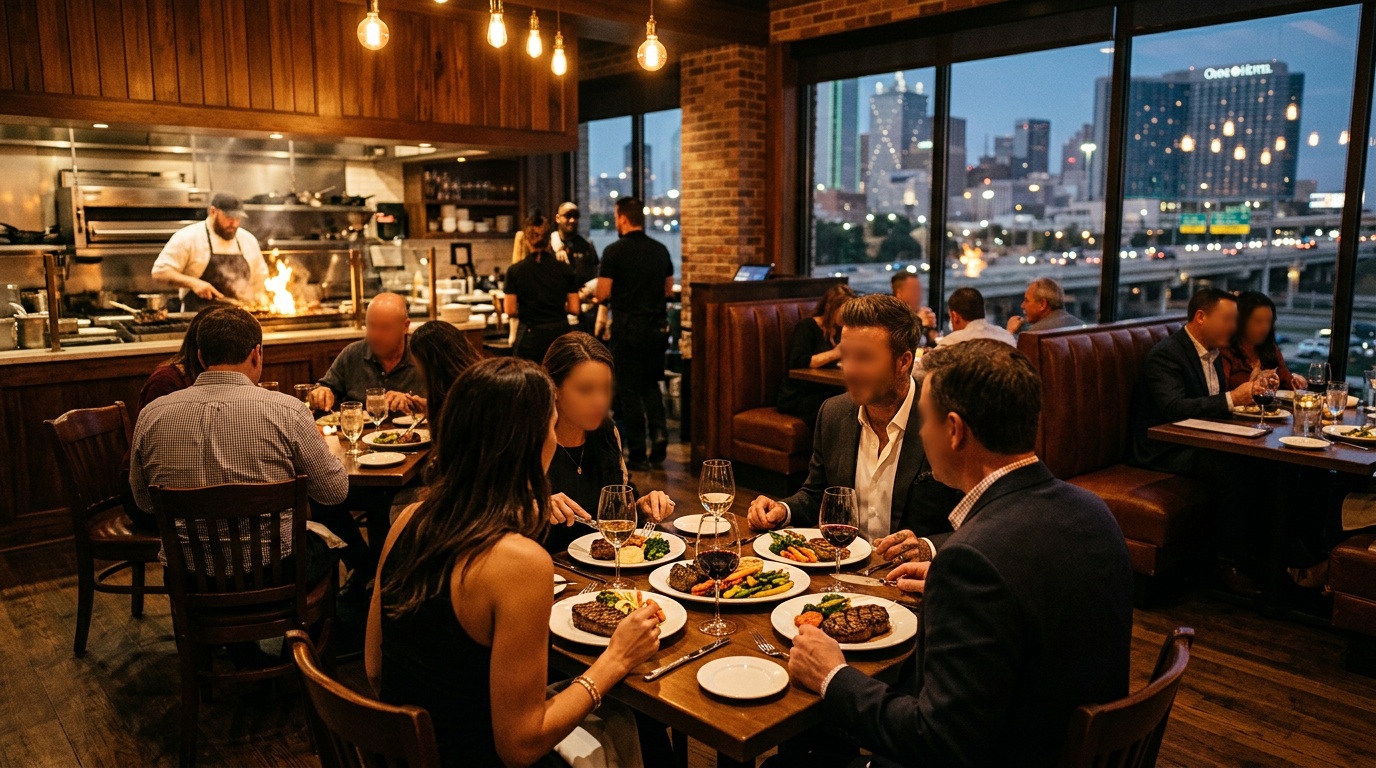
The North Texas dining landscape is currently witnessing a transformative phase, characterized by a mix of nostalgic returns and aggressive fast-food market expansion. As Dallas continues to solidify its reputation as a premier destination for both casual and high-end gastronomy, recent developments have highlighted the city's ability to attract international attention while nurturing home-grown favorites. This evolution is not merely about new menus; it represents a broader shift in how the region balances its cowboy-culture roots with a rapidly modernizing urban environment. Historically, the Dallas-Fort Worth metroplex has served as a testing ground for national food chains, but the current wave of activity suggests a deeper investment in physical presence and celebrity-driven branding. From the resurgence of legendary steakhouses that defined the city’s business-lunch era to the unexpected arrival of global icons like David Beckham in specialized districts, the local food news cycle is currently moving at a blistering pace. This dynamic interplay between institutional mainstays and modern trends showcases a resilient hospitality sector that is successfully navigating the post-expansion jitters of the early 2020s.
Texas relevance
Texas serves as the primary epicenter for these culinary shifts, with the Dallas-Fort Worth region specifically acting as the focal point for new economic investments in the service industry. The state’s lax regulatory environment and booming population continue to make it the most attractive market for restaurant groups looking to scale operations or relaunch historical brands. In particular, the redevelopment of neighborhoods like Deep Ellum and the revitalization of suburban dining corridors demonstrate how Texas cities are leveraging food culture to drive tourism and local foot traffic. Historically, North Texas has been a leader in the 'steakhouse' category, and the return of a classic brand reinforces the local preference for high-quality, traditional Texas fare even as global influences attempt to take root. Furthermore, when international figures choose Texas-based venues for their public appearances, it cements the state's status as a top-tier global cultural hub, directly impacting local business revenue and brand recognition for Texas-based hospitality groups.
The Resurgence of the Classic Texas Steakhouse
The return of a legendary steakhouse brand to the Dallas market marks a significant moment for enthusiasts of traditional Texas dining. These institutions were once the backbones of the local business community, serving as unofficial meeting rooms for power brokers and families celebrating milestones alike. The decision to revive such a brand suggests that there is a deep-seated nostalgia for the high-end service and classic cuts that defined the regional palate for decades.
Industry experts note that while modern fusion and international flavors have dominated recent headlines, the foundational demand for a well-executed steak remains unshakable in the Lone Star State. This revival often involves modernizing the interior aesthetics while keeping the core menu principles intact, ensuring that a new generation of Texans can experience the same quality their predecessors enjoyed. The economic implications are also noteworthy, as these large-scale operations provide dozens of high-skill service jobs and significant tax revenue for the municipality.
Global Icons and the Deep Ellum Spotlight
Deep Ellum has long been known as the soul of the Dallas music and arts scene, but its recent profile boost comes courtesy of international sports royalty. David Beckham’s recent appearance in the district has sent shockwaves through the local social media sphere, highlighting the area's transition into a globally recognized lifestyle brand. His presence at local eateries and bars serves as a powerful endorsement of the district’s cultural relevance and nighttime economy.
Such high-profile visits are rarely accidental and often coincide with broader business interests or promotional tours. For Deep Ellum, this means a shift in demographic appeal, attracting tourists who might have previously stuck to the more mainstream avenues of Uptown or the Arts District. This influx of attention brings both opportunity and challenge, as local business owners must balance the perks of increased visibility with the need to maintain the unique, authentic character that made the neighborhood famous in the first place.
Fast-Food Expansion and Suburban Saturation
While fine dining and celebrity sightings grab the headlines, the expansion of fast-food and quick-service restaurants continues to be the primary driver of commercial real estate growth in North Texas. Several chains are currently executing aggressive rollouts, targeting high-growth suburban areas where families are looking for fast, reliable dining options. This expansion is often fueled by Texas’s growing infrastructure, with new locations popping up along major highway intersections and transit corridors.
The competitive landscape for fast food in DFW is famously fierce. With national giants competing against beloved local staples, the winners are often those who can optimize their drive-thru efficiency and mobile ordering capabilities. This trend reflects a broader shift in consumer behavior in Texas, where the convenience of a quick meal is prioritized alongside the desire for high-quality ingredients. The ongoing construction of these facilities also signals long-term confidence in the region’s population growth projections.
Economic Impact of Dining Identity
The hospitality sector is one of the largest employers in the state of Texas, and the health of the restaurant industry is a direct bellwether for the state's economic vitality. When high-profile brands expand or return, it stimulates a supply chain that includes local farmers, distributors, and construction firms. The 'multiplier effect' of a new flagship restaurant site can be felt across several local industries, making the food scene a critical component of regional stability.
Furthermore, the branding of Dallas as a 'foodie' city helps attract corporate relocations. Companies looking to move their headquarters to Texas often look at the quality of life for their employees, and a diverse, high-quality dining scene is a major selling point. By fostering an environment where both fast-food chains and elite steakhouses can thrive, North Texas maintains its competitive edge over other national metropolitan areas.
The Role of Social Media in Modern Texas Dining
The visibility of figures like David Beckham in Dallas is amplified tenfold by social media, which now dictates much of the success in the modern food industry. A single viral post can lead to a surge in foot traffic that lasts for weeks, forcing restaurants to become more 'Instagrammable' in their presentation and layout. This digital-first mindset is changing how new venues are designed in North Texas, with lighting and decor often taking precedence over traditional seating arrangements.
Local influencers and food bloggers have also played a role in the democratization of food criticism in Dallas. Instead of relying on a few established critics, businesses now have to manage their reputations across multiple digital platforms simultaneously. This has led to a more responsive and customer-service-oriented industry, where feedback is immediate and transparency is expected. As the DFW area continues to grow, this digital ecosystem will remain a primary driver of where people choose to spend their dining dollars.
Future Outlook for the DFW Food Landscape
Looking toward the end of the decade, the North Texas food scene is poised for even greater diversification. As more international residents move to the area, we can expect a surge in authentic global cuisines that go beyond the traditional Tex-Mex and BBQ staples. However, the return of the Texas steakhouse reminds us that the core of the state's culinary identity is built on high-quality proteins and a sense of place that is uniquely Texan.
Sustainability and technology will likely play larger roles in the coming years. From ghost kitchens to automated service models, the ways Texans interact with their food are changing. Yet, the physical restaurant remains a vital community hub. Whether it is a high-speed fast-food lane or a white-tablecloth establishment in the heart of Dallas, the commitment to hospitality remains the defining characteristic of the industry in the Lone Star State.
Analysis
The current trend in the DFW food sector reflects a strategic pivot toward 'experiential' dining. It is no longer sufficient to provide quality food; establishments are now competing on the basis of social prestige and historical narrative. The return of a legacy steakhouse suggests a market correction where consumers are seeking the reliability of established brands over the volatility of hyper-trend-focused pop-ups. Simultaneously, the aggressive expansion of fast-food chains into every corner of the metroplex indicates that while high-end dining is thriving, the demand for convenience in a car-centric Texas culture remains the bedrock of the local economy. The presence of global celebrities like David Beckham in districts like Deep Ellum serves as a form of organic marketing that validates the neighborhood’s transition from a gritty music hub to a polished, high-end entertainment destination.
Source attribution
This story was reported using a public release from the Texas Food Stories (Google News). Keep TX Red rewrote the coverage independently and links to the official statement for verification.
Frequently Asked Questions
- Why is the return of a legacy steakhouse important for Dallas?
- Legacy steakhouses are often viewed as cultural landmarks in Dallas. Their return suggests economic stability and a strong market demand for traditional Texas hospitality, which serves as a foundation for the city's broader dining identity.
- What impact do celebrity visits have on local districts like Deep Ellum?
- High-profile visits increase global visibility and social media engagement for the area. This typically results in increased tourism, higher foot traffic for surrounding businesses, and a shift toward more upscale development in formerly bohemian districts.
- How is the fast-food expansion affecting the North Texas landscape?
- The expansion is driving commercial real estate development in suburban corridors. It reflects the region's car-centric culture and the need for quick catering solutions for the thousands of new residents moving to the area annually.
- What makes the Dallas food scene different from other major U.S. cities?
- Dallas uniquely combines a deep reverence for steakhouse and BBQ traditions with a willingness to experiment with global trends and massive fast-food infrastructure, all supported by a business-friendly environment that encourages rapid scaling.
Official Sources
Take the next step
Browse the Newsroom →Read more about Keep Texas Red → Our full guide to what Keep Texas Red means and why Texans support it.
Related Articles
Get Texas updates delivered weekly.
Independent Texas reporting on politics, policy, and daily life. One email a week. Unsubscribe anytime.
Keep TX Red Newsroom
The Keep Texas Red Editorial Staff produces nonpartisan explainers, policy breakdowns, and educational resources to help Texans understand how their government works. All content is reviewed for accuracy and updated regularly.
About Keep TX Red →