Texas Tortillas: The Evolution of Industrial Nixtamalization Standards
Discover how the definition of a 'homemade' tortilla is changing across Texas kitchens and the culinary history behind nixtamalization.
Editorial disclaimer: Opinions and analysis on Keep TX Red are editorial content — not statements of fact. See our editorial standards.
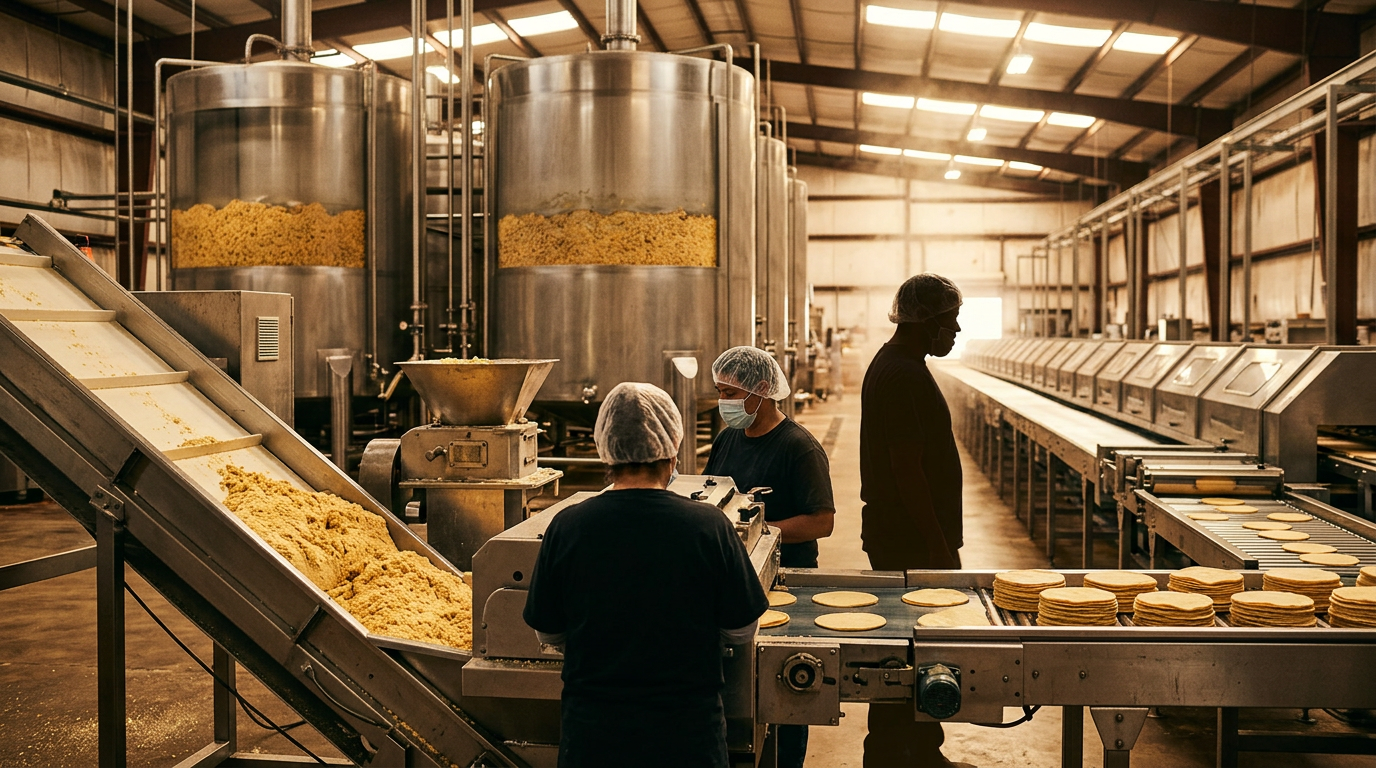
The culinary landscape of Texas has long been anchored by the presence of the corn tortilla, a staple that serves as the foundation for everything from street tacos to high-end Tex-Mex fusion. Historically, the gold standard for this staple has been tied to nixtamalization, an ancient Mesoamerican process where dried kernels are soaked in an alkaline solution, usually lime and water, before being ground into fresh masa. However, a growing debate among culinary experts and Texas chefs suggests that the strict adherence to this labor-intensive process may be more of a romanticized myth than a culinary necessity for a high-quality product. While the traditional method produces a distinct flavor profile and nutritional profile, the evolution of modern ingredients has bridged the gap between industrial convenience and artisanal quality. In the context of the Lone Star State's food history, the shift from stone-ground communal pits to centralized tortillerias marked the first major divergence in how communities viewed 'freshness.' By the mid-20th century, the introduction of masa harina—dehydrated nixtamalized corn flour—offered a consistent alternative for households and small businesses. Today, many of the most celebrated taco stands in cities like San Antonio and El Paso rely on high-grade corn flour rather than on-site grinding, challenging the notion that a tortilla must be made 'from scratch' using raw kernels to be considered authentic or delicious. This transition represents a pragmatic approach to gastronomy that balances tradition with the realities of modern food supply chains.
Texas relevance
Texas serves as the geographical and cultural epicenter of the tortilla industry in the United States, making any shift in production philosophy a matter of local significance. From the historic West Side of San Antonio to the burgeoning food trucks of Houston, the tortilla is not just a food item but a regional symbol of identity. As labor costs rise and the availability of specialized volcanic stones for grinding becomes more scarce, Texas restaurateurs are leading the conversation on what defines an 'authentic' Texas taco. The state's massive agricultural footprint also plays a role, as Texas corn farmers and processors provide the raw materials that fuel both the traditional nixtamalization houses and the modern masa harina plants that supply the majority of the state’s dining establishments.
The Chemistry of the Kernel
To understand why some believe nixtamalization is the only way to produce a real tortilla, one must look at the chemical transformation of the corn. The process of cooking corn in limewater breaks down the hemicellulose in the cell walls, which makes the dough more pliable. This alkalinity also releases niacin, or vitamin B3, which is otherwise chemically bound in the corn. This historical health benefit was essential for populations where corn was the primary caloric source, preventing diseases like pellagra.
In the modern Texas diet, where nutritional variety is high, the niacin release is less of a biological necessity and more of a flavor preference. The alkaline bath imparts a specific 'earthy' or 'mineral' taste that many enthusiasts equate with quality. However, modern food science has allowed for the creation of masa flour that mimics this pH balance and texture with high precision, allowing local cooks to skip the soaking stage without sacrificing the chemical properties that make a tortilla flexible enough for a heavy brisket filling.
The Rise of Masa Harina in Texas Commerce
The commercialization of corn flour changed the Texas kitchen forever. Brands that specialized in pre-processed corn meal allowed the suburban Texas family to enjoy tortillas without owning a molino or a heavy grinding stone. This democratization of the tortilla meant that the labor-intensive heritage of Mexican cooking could be adapted to the fast-paced life of the modern Texan. Today, even critically acclaimed restaurants are opting for this route to ensure that every tortilla served has the exact same thickness and moisture content.
Critics often argue that flour-based corn tortillas lack the 'soul' of stone-ground versions, but this ignores the sheer volume of production required in a state like Texas. With billions of tortillas consumed annually in the state, the reliance on processed masa is a logistical reality. The technology used to dehydrate nixtamalized corn has improved to the point where the distinction is virtually indistinguishable to all but the most trained palates, leading to a new era of culinary honesty regarding ingredients.
Labor Standards and Modern Kitchen Challenges
The physical toll of traditional nixtamalization is a factor often overlooked by those who romanticize the process. Grinding corn requires specialized equipment that must be cleaned and maintained daily, often requiring early morning shifts that begin long before the sun rises. For a small business in Austin or Dallas, finding staff willing to manage the heavy lifting and precise temperature controls of a corn boiler is becoming increasingly difficult and expensive.
By moving away from the 'traditional-or-bust' mentality, Texas restaurant owners can refocus their energy on other aspects of the meal, such as the quality of the proteins and the freshness of the salsas. This shift doesn't imply a lack of care; rather, it indicates a focus on the finished product's taste rather than the ritual of its creation. The myth that excellence requires suffering or excessive labor is being dismantled by a new generation of Texas chefs who prioritize flavor over folklore.
Impact on the Local Taco Economy
The economic implications of tortilla production methods are profound for the Texas 'taco economy.' A restaurant that grinds its own corn must account for the space required for soaking tanks and grinders, which can increase rent costs in urban centers. Conversely, using premium masa harina allows for a smaller kitchen footprint, potentially lowering the entry barrier for new entrepreneurs in the competitive Texas hospitality market.
Furthermore, the consistency of commercial masa helps maintain price stability. In a volatile market where the cost of corn and labor fluctuates, having a shelf-stable product allows Texas eateries to keep taco prices affordable for the general public. This accessibility is a hallmark of Texas dining culture, ensuring that the corn tortilla remains a food for everyone, regardless of socioeconomic status, rather than a luxury item reserved for high-end 'masa programs.'
Flavor Profiles: Flour vs. Stone-Ground
When analyzing grain structure, stone-ground corn often has more texture, providing a 'toothy' bite that many connoisseurs appreciate. These tortillas tend to be thicker and have a shorter shelf life, often becoming brittle within hours of cooking. This requires them to be eaten immediately, which fits the 'street food' model but is less practical for takeout or catering, which are massive sectors of the Texas food industry.
Tortillas made from high-quality corn flour, however, often achieve a superior 'puff' on the comal. The steam trapped between the layers creates a lighter, softer texture that is highly sought after for soft tacos. This flexibility is particularly valued in Texas barbecue, where the tortilla is often used as a wrap for large portions of meat. The ability of a flour-based corn tortilla to stay soft while carrying a heavy load is a technical advantage that shouldn't be dismissed as inferior.
Looking to the Future of the Texas Tortilla
As we look forward, the 'authenticity' of the Texas tortilla will likely be judged by the quality of the corn grain itself rather than the grinding method. We are seeing a resurgence of heirloom corn varieties grown in the Texas Panhandle and used in both flour and fresh masa production. This focus on sourcing brings the conversation back to the land and the farmer, which is a core value of the Texas agricultural identity.
The total landscape of Texas food is one of adaptation and innovation. Whether a tortilla is made from a 2,000-year-old soaking process or a modern refined flour, its success in the Lone Star State will always depend on how well it complements the bold flavors of Texas cooking. The myth of the 'handmade' requirement is fading, replaced by a more nuanced appreciation for the skill required to cook the perfect tortilla, regardless of how the dough started its journey.
Analysis
The obsession with 'handmade' and 'nixtamalized' labels reflects a broader trend in the Texas food scene where consumers are willing to pay a premium for perceived authenticity. However, the data suggests that the blind taste tests often favor the consistency of high-quality corn flour over the sometimes inconsistent results of small-batch nixtamalization. From a business perspective, the sustainability of the Texas restaurant industry depends on debunking the myth that 'faster' means 'worse.' If a chef can produce a tortilla that maintains structural integrity and flavor without the 24-hour soaking and grinding cycle, it allows for more competitive pricing and less food waste. This movement toward a more inclusive definition of 'homemade' preserves the craft while ensuring it remains accessible to the average Texan family.
Source attribution
This story was reported using a public release from the Texas Monthly. Keep TX Red rewrote the coverage independently and links to the official statement for verification.
Frequently Asked Questions
- What exactly is nixtamalization regarding corn production?
- It is a process where dried corn is cooked and soaked in an alkaline solution, traditionally water and food-grade lime (calcium hydroxide). This softens the corn, allows the skins to be removed, and changes the chemical structure of the grain to make it more nutritious and easier to form into dough.
- Is a tortilla made from masa harina considered 'fake' or lower quality?
- Not necessarily. While food purists may prefer stone-ground masa, many high-end masa harina products use the same nixtamalization process before dehydrating the dough into flour. In blind taste tests, many people cannot tell the difference, and flour-based tortillas often have a better texture for certain types of tacos.
- Why is the tortilla so important to Texas history?
- The tortilla is a fundamental element of the Texas identity, bridging the gap between Native American, Mexican, and Texan cultures. It has evolved alongside the state's cattle and agricultural industries to become a global symbol of Texas cuisine.
- Can you make 'handmade' tortillas without grinding your own corn?
- Yes. Most people define 'handmade' as the act of pressing the dough (from masa harina or fresh masa) and cooking it on a hot flat surface (comal) by hand. The source of the dough—whether ground in-house or mixed from a high-quality flour—does not negate the skill involved in the hand-pressing and cooking process.
Official Sources
Take the next step
Browse the Newsroom →Read more about Keep Texas Red → Our full guide to what Keep Texas Red means and why Texans support it.
Related Articles

Get Texas updates delivered weekly.
Independent Texas reporting on politics, policy, and daily life. One email a week. Unsubscribe anytime.
Keep TX Red Newsroom
The Keep Texas Red Editorial Staff produces nonpartisan explainers, policy breakdowns, and educational resources to help Texans understand how their government works. All content is reviewed for accuracy and updated regularly.
About Keep TX Red →