Exploring the Best Small Town Culinary Destinations Across Rural Texas
A new guide highlights the most significant dining spots in small-town Texas, showcasing the diverse flavors found outside the state's major metro areas.
Editorial disclaimer: Opinions and analysis on Keep TX Red are editorial content — not statements of fact. See our editorial standards.
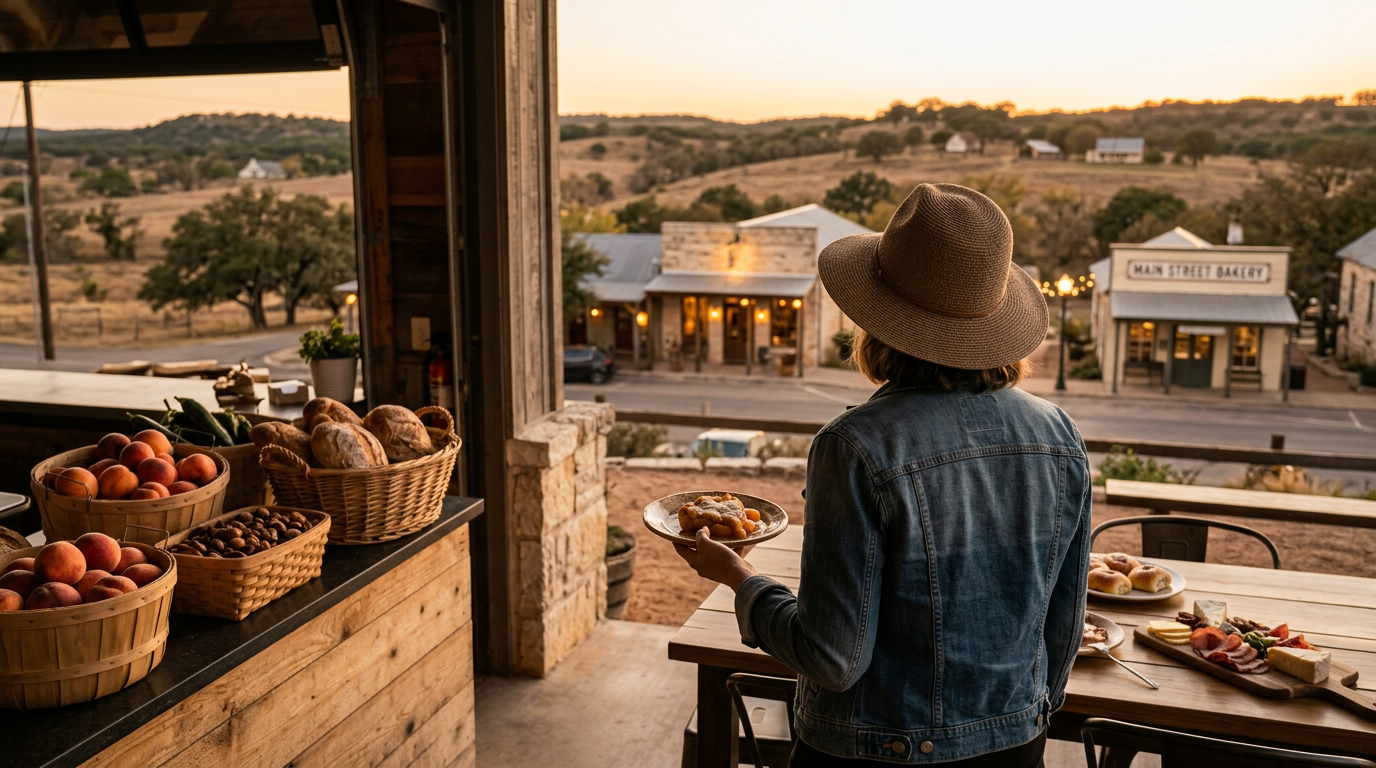
The culinary landscape of Texas is undergoing a significant transformation as food enthusiasts shift their focus away from the high-traffic urban centers like Austin, Dallas, and Houston toward the more secluded gems hidden in the state’s smaller municipalities. Historically, Texas travel has been defined by wide-open spaces and roadside attractions, but a new movement in hospitality is highlighting artisanal quality in towns that were once overlooked. The current trend emphasizes seasonal ingredients, generational recipes, and a commitment to local sourcing that rivals the prestigious bistros found in major global cities. This shift not only supports local economies but also preserves the cultural heritage associated with regional Texas cooking styles, ranging from the smoked meats of Central Texas to the coastal influences of the Gulf region. Modern travelers are increasingly seeking authentic experiences that bypass the commercialized 'tourist traps' in favor of venues where the chef might also be the owner and the produce is grown on a neighboring ranch. This resurgence of interest in small-town Texas dining is part of a broader national trend toward rural revitalization, where food becomes the primary driver for regional tourism. In these communities, a single highly-regarded establishment can act as an anchor, drawing visitors who then spend money at local hotels, boutiques, and historic landmarks. The result is a thriving ecosystem that celebrates the unique identity of Texas through its palate, providing a sustainable model for growth that respects the tradition of the Lone Star State.
Texas relevance
For residents and visitors of Texas, this shift toward small-town appreciation represents a critical economic development for rural counties and the Hill Country. Specifically, areas such as Wimberley, Round Top, and Fredericksburg have seen a massive influx of investment aimed at enhancing the Texas visitor experience. By highlighting these specific locales, the state reinforces its status as a premier domestic travel destination, ensuring that the financial benefits of tourism are distributed more evenly across different geographic districts rather than being concentrated solely in metropolitan hubs. The preservation of these small-town identities is essential for maintaining the 'Texas Brand' that attracts millions of visitors annually.
The Rise of Gastronomic Tourism in the Hill Country
The Texas Hill Country has long been known for its scenic beauty and wineries, but it is now establishing a reputation as a sophisticated culinary corridor. Towns like Wimberley and Comfort are no longer just pit stops; they are primary destinations for those seeking high-end farm-to-table experiences. Chefs who previously trained in international kitchens are returning to these smaller communities, drawn by the quality of local limestone-filtered water and the variety of wild game and produce available in the region.
This evolution has led to a new standard in hospitality where the environment is as important as the menu. Many of these top-rated establishments are housed in renovated historic buildings, such as old general stores or limestone pharmacies. This architectural preservation adds a layer of depth to the dining experience, allowing visitors to connect with Texas history while enjoying modern interpretations of classic Southern and Southwestern dishes. The synergy between heritage and innovation is what currently defines the Hill Country dining scene.
Furthermore, the proximity to the growing Texas wine industry has created a symbiotic relationship where local restaurants curate their menus to complement regional vintages. This 'local-first' mentality has turned the region into a cohesive ecosystem where every meal tells a story of the land. Visitors are increasingly educated on the origins of their food, asking specifically for Texas-raised beef or Hill Country peaches, which in turn pressures the supply chain to remain localized and high-quality.
Round Top and the Fusion of Art and Appetite
Round Top, traditionally known for its world-class antique fairs, has transitioned into a year-round destination for gourmands. What makes this town unique is its ability to blend the high-low aesthetic, where one might find a five-star meal served in a rustic barn setting. This lack of pretension is a hallmark of the Texas small-town experience, making fine dining accessible and grounded in the community's rural roots.
The influx of designers and artists to the area has influenced the culinary presentation, leading to a vibrant scene where the visual appeal of a dish is as prioritized as its flavor profile. Restaurants in this area often double as social hubs, hosting community gatherings and live music, which reinforces the social fabric of the town. For the traveler, this offers a sense of belonging and a break from the anonymity of big-city dining halls.
As Round Top continues to expand its culinary footprint, it serves as a blueprint for other small Texas towns. By leveraging a pre-existing draw—in this case, antiques—and layering on a top-tier food culture, the town has managed to extend its peak seasons. This creates year-round employment opportunities for residents and a more stable economic base for the municipality, proving that food is a powerful tool for civic revitalization.
The Evolution of Small-Town Barbecue Traditions
Barbecue remains the cornerstone of Texas cuisine, but the landscape is shifting from the legendary 'old guard' pits to a new wave of craft pitmasters in smaller towns. These new establishments are often characterized by shorter operating hours and a focus on 'all-natural' meats, often selling out within hours of opening. This scarcity has created a dedicated following of travelers willing to drive hundreds of miles for a single tray of brisket or ribs.
In towns like Luling and Lockhart, the tradition remains strong, but even there, new techniques are being introduced to refine the process. The use of specific wood types, like post oak or mesquite, is now a point of pride and a subject of intense debate among patrons. This obsession with detail is what keeps the Texas barbecue scene at the forefront of the national conversation, ensuring that the state remains the undisputed capital of smoked meats.
What is most notable about these small-town barbecue joints is their role as community pillars. During times of crisis or local celebration, these are the places where people gather. The pitmasters are often local leaders, and the success of their businesses translates directly into community support. This deep connection to the people they serve is a characteristic that cannot be replicated by franchise operations in larger cities.
Coastal Flavors and the Seafood Bounty of Southeast Texas
Beyond the inland plains and hills, the small towns along the Texas Gulf Coast are carving out their own culinary identity through fresh-caught seafood and Cajun-influenced spices. Communities like Rockport and Port Aransas offer a different kind of small-town charm, centered around the daily haul from the Gulf of Mexico. The shift here is toward transparency, with diners wanting to know exactly when and where their snapper or shrimp was caught.
Recent years have seen a move toward elevating coastal fare beyond the traditional fried baskets. Modern coastal kitchens are experimenting with ceviche, grilled whole fish, and complex infusions that reflect the multicultural history of the Texas coast. This diversification is attracting a new demographic of travelers who are looking for lighter, health-conscious options that still deliver the bold flavors associated with the region.
The resilience of these coastal towns, which often face the threat of hurricanes, is reflected in their dining scenes. Many restaurants are family-owned operations that have spanned generations, surviving both natural disasters and economic downturns. Eating at these establishments is not just a culinary choice; it is an act of supporting the survival and continuity of Texas's unique coastal heritage.
Sustainable Practices and the Future of Texas Food
A common thread among the most successful small-town Texas eateries is a commitment to sustainability and regenerative agriculture. By partnering directly with local farmers, these restaurants reduce their carbon footprint and ensure the freshest possible ingredients. This trend is particularly evident in the growing number of 'ranch-to-table' venues where the distance between the pasture and the plate is measured in miles, not states.
This focus on sustainability also extends to the waste management and energy use of these establishments. Many small-town chefs are leading the way in composting programs and water conservation efforts, recognizing that the health of their business is tied to the health of the local environment. These practices are increasingly becoming a selling point for environmentally conscious travelers who want their tourism dollars to have a positive impact.
Looking forward, the integration of technology in these rural kitchens is likely to increase efficiency without sacrificing the artisanal quality that defines them. From online ordering for remote pickups to sophisticated inventory tracking that reduces food waste, small-town Texas is proving that it can be both traditional and tech-forward. This balance is key to ensuring that these culinary destinations remain viable for the next generation of travelers.
Analysis
While the focus on small-town dining is presented as a culinary journey, it is fundamentally an economic success story for Texas. The ability of small communities to compete with large cities for 'foodie' prestige is a testament to the business-friendly environment and the entrepreneurial spirit inherent in the state. However, the rise in popularity also brings challenges, such as housing affordability for local staff and the need for infrastructure upgrades to handle increased traffic. Lawmakers and local leaders must balance this growth carefully to ensure that the charm attracting visitors isn't lost to over-development. In the long run, the diversification of Texas tourism through its food scene builds a more resilient state economy that isn't dependent on a single industry or city.
Source attribution
This story was reported using a public release from the Texas Travel Stories (Google News). Keep TX Red rewrote the coverage independently and links to the official statement for verification.
Frequently Asked Questions
- Why is small-town dining becoming so popular in Texas?
- Travelers are seeking authentic, unique experiences that offer a break from the standardized chains found in big cities. Small towns provide a sense of place, historic charm, and a direct connection to local food sources.
- What parts of Texas are seeing the most culinary growth?
- The Texas Hill Country (Wimberley, Fredericksburg), the antique corridors near Round Top, and coastal towns like Rockport are currently seeing significant growth in their food scenes.
- How does this growth affect the local economy?
- High-profile restaurants act as 'anchor' businesses that attract tourists. These visitors spend money on lodging, retail, and other services, creating a multiplier effect that benefits the entire community.
- Is the traditional Texas barbecue scene changing?
- While the core traditions remain, a 'new school' of pitmasters is focusing on premium meat quality, innovative side dishes, and smaller-batch production, resulting in a more refined barbecue experience.
Official Sources
Take the next step
Browse the Newsroom →Read more about Keep Texas Red → Our full guide to what Keep Texas Red means and why Texans support it.
Related Articles


Get Texas updates delivered weekly.
Independent Texas reporting on politics, policy, and daily life. One email a week. Unsubscribe anytime.
Keep TX Red Newsroom
The Keep Texas Red Editorial Staff produces nonpartisan explainers, policy breakdowns, and educational resources to help Texans understand how their government works. All content is reviewed for accuracy and updated regularly.
About Keep TX Red →