Major Film Industry Milestone: Motion Picture Association Expands Footprint Across Texas Creative Centers
The Motion Picture Association forms new alliances with iconic Texas festivals, signaling a major shift in the state’s role within the global film market.
Editorial disclaimer: Opinions and analysis on Keep TX Red are editorial content — not statements of fact. See our editorial standards.
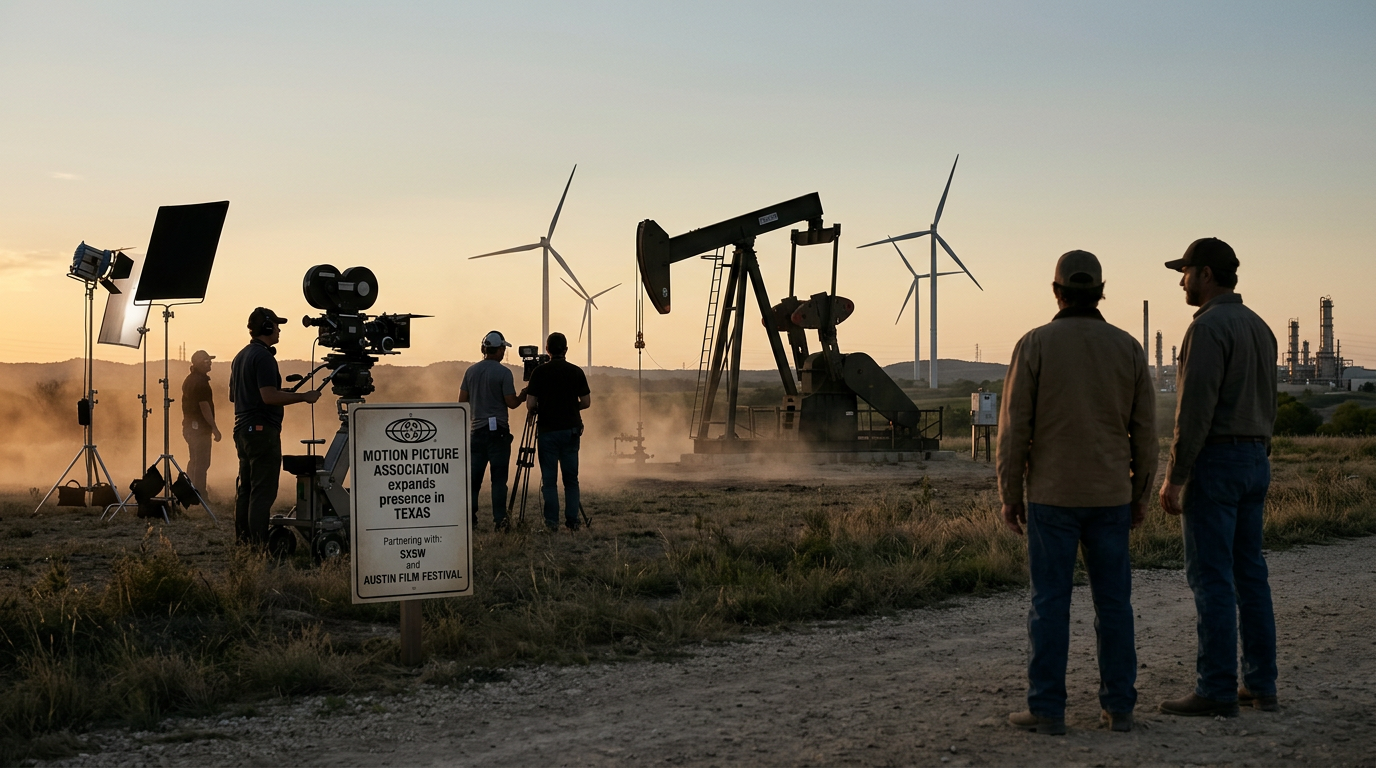
The landscape of the Texas film industry is undergoing a significant institutional shift as the Motion Picture Association (MPA), the premier trade organization for the global film and television industry, officially expands its partnerships within the state. According to recent announcements, the MPA has formalized strategic alliances with two of Austin's most influential cultural events: South by Southwest (SXSW) and the Austin Film Festival (AFF). This move integrates these Texas-based institutions more deeply into the international framework of major studio operations and advocacy, providing a direct pipeline between the Lone Star State and the decision-makers in Hollywood and Washington, D.C. Historically, Texas has enjoyed a robust but often fluctuating relationship with the motion picture industry. From the early days of westerns filmed on sprawling ranches to the modern era of independent cinema defining Austin’s cultural identity, the state has long served as a versatile backdrop and creative hub. Previously, the MPA acted primarily as a distant entity overseeing major studio interests; however, these new localized partnerships indicate a desire to leverage the specific creative density found in Texas. This collaboration is designed to foster professional development, protect intellectual property rights, and streamline the logistical challenges that often arise during large-scale productions south of the traditional California hubs. The inclusion of these festivals into the MPA’s partner network is not merely symbolic. It represents a tactical decision to engage with the unique 'Austin Model' of storytelling, which blends technological innovation with traditional filmmaking. For decades, the Texas legislature has debated the efficacy of film incentive programs, but the MPA’s entry suggests that the private sector is ready to double down on the state’s talent pool regardless of current political fluctuations. By aligning with festivals that prioritize screenwriting and independent production, the MPA is positioning itself to capture the next wave of creative trends and technical advancements originating in the heart of Texas.
Texas relevance
Texas is currently at a crossroads regarding its economic relationship with the media sector, and this development places Austin, the state's cultural capital, at the forefront of the conversation. The decision by the Motion Picture Association to pivot toward Texas highlights the state's growing influence as a secondary hub for the entertainment industry. Local businesses in Austin, ranging from hospitality to post-production houses, stand to benefit from the increased visibility and professional infrastructure that usually follows MPA involvement. Furthermore, as Texas continues to compete with states like Georgia and New Mexico for production dollars, having the formal backing of the MPA provides local advocates with stronger data and prestige when negotiating for future growth and legislative support.
The Evolution of Digital Media in Austin
The decision to include South by Southwest in high-level movie industry partnerships reflects the blurring lines between digital media, consumer technology, and traditional cinema. SXSW has evolved from a music-focused gathering into a global platform where world premieres of major studio films occur alongside discussions on artificial intelligence and interactive media. The MPA's involvement ensures that Texas creators are part of the broader conversation regarding how these technologies are regulated and monetized globally.
By securing a seat at the table with the MPA, Texas festivals gain access to a larger pool of legal and logistical resources. This is particularly important as the industry grapples with the transition to streaming-first models and the complexities of international distribution. Creators within the state can now look to these local partnerships as a gateway to understanding the rigorous standards required by the major studios that comprise the MPA membership.
Texas as a Strategic Creative Bastion
Texas offers a geographical and cultural diversity that is difficult to replicate elsewhere in the United States. From the high-tech urban corridors of Austin and Dallas to the rugged terrain of West Texas, the state provides a variety of settings that appeal to diverse genres. The MPA's recent focus on the state suggests a recognition that the 'Texas Brand' is a powerful marketing tool for global audiences who are increasingly looking for authentic American stories.
Furthermore, the presence of the MPA in Texas helps to solidify a professional ecosystem. When major trade organizations partner with local festivals, it attracts a higher density of agents, producers, and financiers to the region. This influx of capital and professional networking helps sustain a full-time workforce of technicians, set designers, and actors who might otherwise have to relocate to traditional coastal hubs to maintain their careers.
The Importance of Screenwriting and Content Integrity
The Austin Film Festival, one of the two new MPA partners, is uniquely focused on the craft of the screenwriter. This partnership highlights a renewed interest in the foundational elements of storytelling. The MPA’s advocacy for intellectual property protection aligns perfectly with the Austin Film Festival's mission to champion the individual voice of the writer. Protecting these creators from piracy and unauthorized use is a shared goal that will now be addressed through joint initiatives.
In a market flooded with content, the emphasis on quality writing is a competitive advantage for the Texas film scene. The MPA intends to use its platform to amplify the work being showcased at these festivals, ensuring that the next generation of Texas-bred stories finds a direct path to global distribution channels. This partnership validates the hard work of regional filmmakers who have historically operated on the fringes of the major studio system.
Economic Implications for Local Communities
Beyond the red carpets and screenings, the MPA’s strategic move has real-world economic implications for the state. Every time a major partnership is formed, it increases the likelihood of high-budget productions choosing Texas for their operations. This brings significant tax revenue and job creation to a wide variety of secondary industries, including equipment rentals, catering, security, and transportation. The influx of film crews often provides a temporary but substantial boost to local economies in both urban and rural settings.
There is also the factor of 'film tourism.' As Texas-filmed projects gain more recognition through MPA-supported platforms, fans are more likely to visit the locations seen on screen. This long-term cultural and economic ripple effect is a key reason why cities like Austin have invested so heavily in their film commissions and local festivals over the past thirty years.
Navigating State Incentives and Growth Hurdles
While the MPA's interest is a positive signal, the Texas film industry still faces hurdles regarding state-funded incentives. Historically, the Texas Moving Image Industry Incentive Program has faced scrutiny and funding cuts during various legislative sessions. This new partnership may serve as a catalyst for renewed debate on how the state can better support a growing sector that clearly has the attention of national industry leaders.
The challenge for Texas leaders will be balancing the desire for economic growth with the fiscal responsibility expected by taxpayers. However, the presence of the MPA provides a level of legitimacy that might make these programs more attractive to skeptics. By demonstrating a direct link between local festivals and global market participation, advocates can present a more compelling case for the return on investment that a thriving film industry provides to the state's general fund.
Looking Forward: A New Chapter for Texas Media
As we look to the future, the partnership between the Motion Picture Association and Texas festivals is likely only the beginning. There is potential for similar alliances to be formed in other parts of the state, such as San Antonio’s burgeoning film scene or Houston’s diverse creative community. The blueprint established in Austin could serve as a model for how the MPA interacts with other creative clusters across the United States as the industry continues to decentralize.
The ultimate success of these partnerships will be measured by the number of Texas stories that make it to the world stage. With the backing of the world's largest studios and the creative energy of the Texas spirit, the state is well-positioned to become a dominant force in the global entertainment economy for decades to come.
Analysis
While some might view this simply as a corporate partnership, it is actually a savvy response to the decentralization of Hollywood. The MPA recognizes that Texas offers a combination of lower operational costs and high-tier talent that is increasingly rare. This partnership with SXSW and the Austin Film Festival suggests a long-term strategy to ensure that as big-budget productions move away from traditional soundstages, they settle in business-friendly environments like Texas. However, this also puts pressure on state leaders to decide if they will meet this corporate enthusiasm with expanded state-level film incentives, or if they will allow these partnerships to serve mostly as talent scouting pipelines for productions that ultimately film elsewhere.
Source attribution
This story was reported using a public release from the Texas Standard. Keep TX Red rewrote the coverage independently and links to the official statement for verification.
Frequently Asked Questions
- What is the Motion Picture Association (MPA)?
- The Motion Picture Association is the leading trade organization representing the six major Hollywood studios: Netflix, Disney, Paramount, Sony, Universal, and Warner Bros. Discovery. They handle industry advocacy, intellectual property protection, and global trade issues.
- Why did the MPA choose Austin festivals specifically?
- Austin has a high concentration of creative talent and established infrastructure through events like SXSW and the Austin Film Festival. These festivals are international hubs for new technology, screenwriting, and film premieres, making them natural partners for an organization focused on the future of the industry.
- How does this benefit filmmakers in Texas?
- Texas filmmakers gain more direct access to industry power players and better advocacy for their intellectual property. The partnership also helps legitimize the Texas film scene, potentially leading to more investment in local productions and better resources for regional creators.
- Will this lead to more movies being filmed in Texas?
- While the partnership itself is about advocacy and collaboration, it increases the state's visibility among the major studios. This often serves as a precursor to more production activity, especially if paired with favorable state-level economic policies.
Official Sources
Take the next step
Browse the Newsroom →Read more about Keep Texas Red → Our full guide to what Keep Texas Red means and why Texans support it.
Related Articles



Get Texas updates delivered weekly.
Independent Texas reporting on politics, policy, and daily life. One email a week. Unsubscribe anytime.
Keep TX Red Newsroom
The Keep Texas Red Editorial Staff produces nonpartisan explainers, policy breakdowns, and educational resources to help Texans understand how their government works. All content is reviewed for accuracy and updated regularly.
About Keep TX Red →