Historical Fiction Meets the Brazos: Local Author Finalizes Epic Texas Settlement Trilogy
Texas author concludes a sweeping multi-generational trilogy exploring the rugged settlement of the Brazos River Valley and state history.
Editorial disclaimer: Opinions and analysis on Keep TX Red are editorial content — not statements of fact. See our editorial standards.
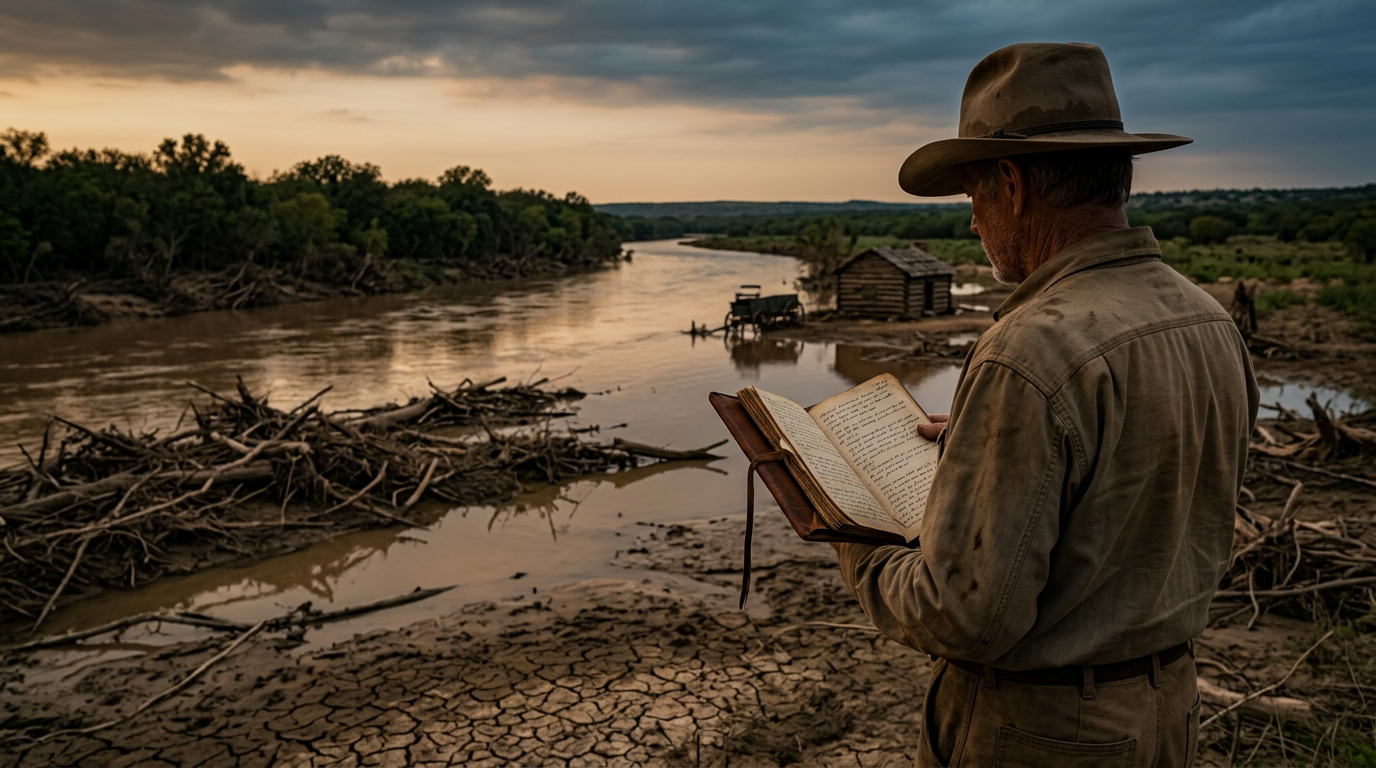
Recent literary developments in the Brazos Valley have drawn attention to the release of a new historical novel that serves as the final installment of a multi-generational Texas history trilogy. The series aims to bridge the gap between academic historical records and narrative storytelling, focusing on the grueling realities faced by early settlers in the region. This conclusion marks the culmination of years of research into the lives of the early inhabitants who transformed the wild landscapes of Central Texas into the communities present today. Historically, the Brazos River served as a crucial artery for trade, transport, and conflict, providing a rich backdrop for authors seeking to preserve the state's heritage through the medium of the novel. Contextually, this release follows a long-standing tradition of Texas-centric literature that prioritizes the 'Old Texas' spirit, similar to the works of Elmer Kelton or Larry McMurtry. While modern urban life dominates much of the current state narrative, local authors are increasingly turning back to the 19th and early 20th centuries to document the shift from frontier life to an organized republic and, eventually, a bustling state. The final book in this specific collection addresses the transition of subsequent generations into the modern era, reflecting how the lessons of the frontier survived through oral tradition and family legacies.
Texas relevance
The heart of this story is centered in Bryan-College Station and the surrounding Brazos County, a region deeply rooted in the foundational history of the state. The Brazos River Valley was one of the first areas targeted for settlement by Stephen F. Austin’s 'Old Three Hundred,' making the setting of these novels geographically and historically significant for all Texans. For local residents, the series offers a narrative lens through which to view their own backyards, turning familiar landmarks into sites of historical drama. Furthermore, the interest in this trilogy highlights the strong appetite for Texas-specific cultural products that celebrate the unique identity and resilience of the state's ancestors.
The Evolution of the Brazos Chronicles
The trilogy began as an ambitious project to document the slow and often painful progress of settlement in the Brazos River Valley. Throughout the first two volumes, the narrative focused heavily on the initial struggles for survival, including the unpredictability of the river, the volatility of the weather, and the complexities of relations between incoming settlers and established indigenous groups. Each book was designed to function as a snapshot of a different era, moving the reader through the timeline of the Texas revolution and the subsequent period of the Republic.
As the series reaches its conclusion, the scope widens. The author has shifted focus toward the stabilization of the region and the social developments that occurred as the frontier began to close. This final book handles the internal conflicts of a family that has lived through several distinct versions of Texas, grappling with the loss of the old ways as modernization begins to sweep through the valley. It serves as an exploration of what it means to belong to a specific piece of land for over a century.
Historical Research and Veracity
One of the standout features of this literary project is the depth of archival research utilized by the author. To maintain authenticity, significant time was spent reviewing land grants, historical newspapers, and personal diaries situated in local museums and university archives. This ensures that even the fictional elements of the story are grounded in the actual customs, dialects, and economic conditions of the time. For many readers, the appeal lies in the ability to see 'real life' reflected in the fiction.
The author has frequently noted the importance of depicting the harshness of the environment without romanticizing it excessively. Traditional Texas myths often portray pioneers as larger-than-life heroes, but this trilogy makes an effort to humanize them, showing their vulnerabilities, mistakes, and the heavy toll that the wilderness took on health and family structures. This realism provides a more honest look at the state’s developmental years.
Community Impact and Local Identity
In cities like Bryan and College Station, the local literary scene often revolves around the state's identity. The completion of this trilogy has sparked discussions in local book clubs and historical societies, reinvigorating an interest in genealogy among area families. Many long-term residents find parallels between the fictional family in the novels and their own ancestral records, suggesting that the characters act as a proxy for the collective memory of the Brazos people.
Furthermore, by focusing on a specific geographic region like the Brazos Valley, the author contributes to a more granular understanding of Texas history. Often, historical accounts focus heavily on major events in San Antonio or Austin. This series brings the spotlight back to the agricultural and social heart of the state, reminding readers that the development of small communities was just as pivotal to the state's growth as the larger battles and political shifts.
The Role of the Brazos River in Fiction
The Brazos River is more than just a setting in these novels; it acts as a central character that dictates the pace of the plot and the survival of the protagonists. Historically, the river was both a provider of life and a source of destruction due to frequent flooding. The trilogy captures this duality perfectly, using the river’s unpredictable nature as a metaphor for the unpredictability of life on the edge of the frontier.
As the trilogy concludes, the river remains a constant even as the characters and the technology around it change. The final book explores how the relationship between people and the river shifted with the introduction of dams and irrigation, marking the end of the truly wild Brazos. This transition is symbolic of the broader taming of the Texas landscape, a major theme that resonates throughout the entire series.
Literary Legacy and Future Authorship
The completion of a trilogy is a major milestone for any author, but for one focusing on historical fiction in Texas, it establishes a legacy within the genre. The series is likely to remain a staple in local libraries and a recommended reading list for those interested in regional heritage. It sets a benchmark for how local history can be packaged into a compelling narrative that appeals to both lifelong residents and newcomers wanting to learn about their new home.
Looking forward, the success of this series may inspire other local writers to explore neglected corners of Texas history. There is a clear demand for stories that prioritize the specific textures of Texas life—the heat, the dust, the resilient communities, and the unique political climate of the 1800s. This trilogy serves as a bridge between the legends of the past and the readers of the present.
The Significance of Multi-Generational Sagas
By following a single family through multiple generations, the author allows the reader to experience the long-term consequences of historical events. In the context of Texas, the decisions made by original land grantees in the 1830s continue to influence the inheritance and social standings of their descendants in the early 20th century. This continuity is a key element of the trilogy that provides a sense of satisfying closure in the final volume.
Such sagas are particularly important for a state like Texas, which prides itself on its lineage and heritage. The narrative structure mirrors the way many Texans view their own history: as a series of baton passes between generations. As the final pages are turned, the readers are left with a deeper appreciation for the persistence required to build the modern infrastructure and culture of the Brazos Valley.
Analysis
Opinion: The success and completion of this trilogy underscore a broader cultural movement in Texas toward preserving local lore through accessible media like historical fiction. By blending factual events with fictional characters, creators are able to engage audiences that might otherwise overlook dry academic texts. This trend is vital for maintaining a sense of shared identity in a rapidly growing state where many new residents may be unfamiliar with the specific trials faced by the original pioneers. Such works serve as both entertainment and a soft form of history education, ensuring that the 'spirit of Texas' remains a tangible concept rather than just a slogan.
Source attribution
This story was reported using a public release from the Texas History Stories (Google News). Keep TX Red rewrote the coverage independently and links to the official statement for verification.
Frequently Asked Questions
- What region of Texas does this trilogy primarily focus on?
- The novels are primarily set in the Brazos River Valley, specifically highlighting the areas around Bryan and College Station. This region was central to the early settlement of the state.
- Is the story based on a real family?
- While the characters are fictional, they are composite archetypes based on the real-life experiences, diaries, and historical records of the pioneers who originally settled the Brazos region.
- Does the book cover a specific time period?
- Yes, the trilogy spans several generations, starting with the early frontier settlement eras in the 19th century and moving through the development of the state into the early 1900s.
- Where can interested readers find more information about these stories?
- Local news outlets like KBTX continue to cover local author spotlights, and the books are typically available through Texas-based historical societies and local bookstores in the Brazos Valley.
Official Sources
Take the next step
Browse the Newsroom →Read more about Keep Texas Red → Our full guide to what Keep Texas Red means and why Texans support it.
Related Articles
Get Texas updates delivered weekly.
Independent Texas reporting on politics, policy, and daily life. One email a week. Unsubscribe anytime.
Keep TX Red Newsroom
The Keep Texas Red Editorial Staff produces nonpartisan explainers, policy breakdowns, and educational resources to help Texans understand how their government works. All content is reviewed for accuracy and updated regularly.
About Keep TX Red →