Private Dining Landscape Shifts in Plano as Ichika Sets New Standard for Intimate Texas Eateries
Discover how Ichika in Plano is redefining the Texas omakase experience with a minimalist eight-seat approach that prioritizes comfort over luxury tropes.
Editorial disclaimer: Opinions and analysis on Keep TX Red are editorial content — not statements of fact. See our editorial standards.
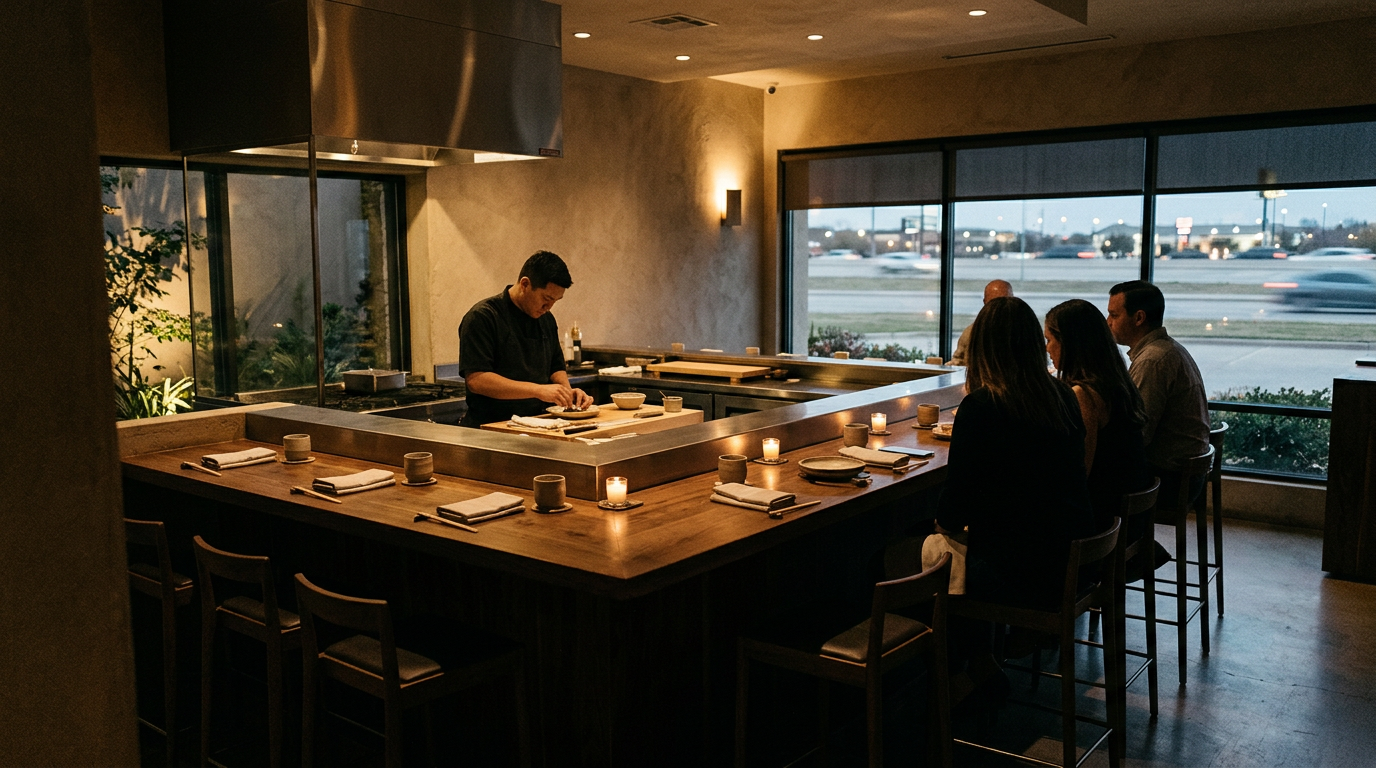
The culinary landscape of North Texas continues to diversify as a new boutique dining establishment, Ichika, recently opened its doors in Plano. Departing from the sprawling, high-traffic corridors typical of the Dallas-Fort Worth suburban sprawl, this venue limits its capacity to just eight individuals per seating. This move follows a growing trend in the state where high-end operators prioritize control over volume, creating an atmosphere that feels more like a private residence than a commercial entity. Historically, the North Texas region has seen a surge in 'omakase' style dining—where the chef selects a progression of dishes for the guest—but Ichika seeks to distance itself from the often-stuffy or overly performative tropes associated with the genre. Rather than focusing on the flash and gold-leaf opulence that has defined many recent high-profile openings in the Dallas area, this new establishment emphasizes a restrained, warm aesthetic. The concept is built around the idea of accessibility within exclusivity, ensuring that despite the limited headcount, the environment remains grounded and inviting. The rise of such specialized venues reflects a broader shift in Texas urban centers like Plano and Frisco, where a sophisticated population is increasingly seeking out nuanced gastronomic experiences rather than traditional large-scale social venues.
Texas relevance
Plano, Texas, has rapidly evolved from a bedroom community into one of the most significant economic and cultural hubs in the United States. As more corporate headquarters relocate to the northern reaches of the Dallas-Fort Worth metroplex, the demand for world-class dining that can compete with Tokyo, New York, or London has skyrocketed. Ichika is the latest evidence that the 'Gold Coast' of North Texas is no longer just a destination for retail chains but a epicenter for specific, artisanal craft. This development directly impacts local property values and regional tourism, positioning Collin County as a primary stakeholder in the international food scene.
The Evolution of Minimalist Design in Collin County
In a region known for its 'everything is bigger' ethos, the minimalist design of Ichika serves as a stark and intentional contrast. The interior leverages natural woods and soft lighting to create a cocoon-like environment that isolates the diner from the bustling traffic of Plano's major thoroughfares. This design choice is not merely aesthetic but functional, as the limited space allows for direct interaction between the culinary team and the patrons without the barrier of a traditional service staff hierarchy.
The shift toward smaller, more focused spaces is mirroring real estate trends across Texas. As development costs rise and the availability of premium square footage in North Texas remains tight, chefs are finding that smaller footprints allow them to invest more heavily in ingredient sourcing and specialized equipment. The result for the Plano community is a higher density of quality culinary options that do not require massive land development to thrive, reflecting a more sustainable model for the local hospitality industry.
Furthermore, the decor avoids the hyper-modern, cold aesthetics that have recently dominated the upscale dining scene in Austin or Houston. Instead, the focus is on 'wabi-sabi'—the Japanese philosophy of finding beauty in imperfection and simplicity. This approach resonates with Texans who appreciate craftsmanship and authenticity over artificial prestige, making the space feel familiar yet elevated for longtime residents of the Dallas-Fort Worth area.
Redefining the Omakase Experience in the Lone Star State
Traditional Texas dining has long been defined by the steakhouse and the barbecue pit, but the introduction of high-end omakase at places like Ichika shows how globalized the state's palate has become. Omakase, which translates to 'I'll leave it to you,' places immense trust in the chef, a concept that requires a deep bond between the provider and the consumer. In a small eight-seat setting, this bond is forged through proximity and the shared experience of watching a master at work.
Unlike other omakase houses that may lean into the 'secret' or 'clubby' nature of their existence, Ichika has been described as remarkably warm. This friendliness is a critical component of the North Texas service model. While the food is high-concept, the hospitality remains quintessentially Texan—unpretentious and accommodating. This blend of international culinary standards with local cultural warmth is likely why the eight-seat limit has become a badge of intimacy rather than a barrier to entry.
The menu focuses on the season, utilizing fish and ingredients that are often flown in specifically for the day's service. This logistical feat is made possible by the proximity to major transit hubs like DFW International Airport. For the Plano diner, this means having access to the same quality of product found in East Coast hubs, but with the distinct benefit of a localized, suburban setting where the pace of life feels slightly more measured.
Economic Implications of the Small-Batch Dining Model
From an economic standpoint, the eight-seat restaurant model represents a significant reduction in overhead compared to traditional establishments. By limiting the number of guests, Ichika can operate with a leaner staff and a highly targeted inventory. This efficiency is vital in an era of fluctuating food costs and labor shortages, providing a blueprint for other small business owners in the Texas suburbs who wish to offer high-end services without taking on the massive debt typically associated with opening a large-scale restaurant.
This model also builds immense brand equity through scarcity. With only eight seats available per time slot, getting a reservation becomes a competitive activity, which in turn drives interest and word-of-mouth marketing across North Texas. This organic growth is often more valuable than traditional advertising, as it relies on the genuine enthusiasm of the local community. For Plano, such businesses help diversify the tax base and bring in affluent visitors from neighboring cities like McKinney, Frisco, and Dallas.
The success of such venues also impacts the local labor market by creating highly specialized roles for hospitality professionals. Instead of general servers, these venues require individuals with deep knowledge of Japanese culture, beverage pairings, and service etiquette. This elevates the professional status of service workers in Texas, turning what many consider a transitional job into a specialized career path that commands respect and higher wages within the local economy.
Cultural Integration and the Growing Japanese Influence
The opening of Ichika is not an isolated event but part of a larger trend involving the integration of Japanese culture into the North Texas fabric. With companies like Toyota North America headquartered in Plano, there has been a steady influx of Japanese expatriates and business travelers to the region. This has created a self-sustaining ecosystem for authentic Japanese businesses, from supermarkets and bakeries to high-end dining experiences that cater to a knowledgeable audience.
This cultural infusion benefits the entire Plano community by providing educational opportunities through food. Residents who may never travel to Japan can experience the nuances of different regions and preparation styles right in their own backyard. The presence of Ichika reinforces Plano's reputation as a diverse and cosmopolitan city, attractive to both international investors and domestic families looking for a high quality of life and cultural richness.
Moreover, the restraint shown in the restaurant's approach—favoring subtle flavors and traditional techniques over fusion or 'Texas-sized' portions—shows a respect for the original art form. This authenticity is highly valued in the modern Texas market, where consumers are increasingly savvy and can distinguish between a trend-chasing 'concept' and a genuine expression of culinary heritage.
The Future of Intimate Dining in Suburban Texas
Looking forward, the popularity of eight-seat venues like Ichika may inspire a wave of similar 'micro-restaurants' across other Texas cities. As urban centers like Austin and Houston become more crowded, the suburbs are where the next generation of creative chefs are finding the freedom to experiment. The success of this model proves that suburbanites are willing to pay a premium for experiences that are unique, personal, and meticulously curated, rather than just convenient.
We can expect to see this trend expand beyond Japanese cuisine into other categories such as Italian pasta bars, specialized wine tasting rooms, or even focused barbecue experiences that limit their daily output to ensure the highest quality. This movement toward 'slow' and 'small' dining is a healthy counter-pressure to the fast-casual dominance of the past decade. It signals a maturing of the Texas market that values the story behind the plate as much as the food itself.
Ultimately, Ichika serves as a reminder that the heart of hospitable service is the connection between the person making the food and the person eating it. By stripping away the noise of a large dining room, Ichika allows that connection to take center stage. For the residents of Plano and the surrounding areas, it offers a moment of quiet reflection and excellence in a world that often moves too fast—a luxury that fits perfectly within the modern Texan lifestyle.
Analysis
From a market perspective, the success of an eight-seat model in a city like Plano is a bold bet on the maturity of the Texas consumer. For years, the prevailing wisdom in the Texas restaurant industry was 'bigger is better.' Large footprints and massive parking lots were the prerequisite for success. However, the emergence of Ichika suggests that the market now supports—and perhaps even craves—contraction. By limiting supply so drastically, the operators can maintain a level of quality control that is impossible in a 200-seat dining room. This is a strategic move for the North Texas region, signaling that local businesses are confident enough to cater to niche, high-intent audiences without needing the safety net of mass-market appeal.
Source attribution
This story was reported using a public release from the Texas Monthly. Keep TX Red rewrote the coverage independently and links to the official statement for verification.
Frequently Asked Questions
- Where exactly is Ichika located?
- Ichika is located in Plano, Texas, a central part of the expanding North Texas culinary corridor that serves as a hub for both corporate headquarters and upscale residential developments.
- How many people can dine at Ichika at once?
- The restaurant is designed for maximum intimacy, offering a total of only eight seats. This ensures that every guest has a direct view of the preparation process and receive personalized attention from the staff.
- What kind of dining experience can guests expect?
- Guests can expect an omakase-style meal, where the menu is determined by the chef based on the finest available seasonal ingredients. The vibe is described as comfortable and unpretentious, despite the exclusive nature of the limited seating.
- Why is this restaurant model important for Texas?
- It represents a shift away from traditional large-scale Texas dining toward a more curated, small-batch approach. It proves that the suburban Texas market is capable of supporting highly specialized, artisanal businesses that rival those found in major international cities.
Official Sources
Take the next step
Browse the Newsroom →Read more about Keep Texas Red → Our full guide to what Keep Texas Red means and why Texans support it.
Related Articles

Get Texas updates delivered weekly.
Independent Texas reporting on politics, policy, and daily life. One email a week. Unsubscribe anytime.
Keep TX Red Newsroom
The Keep Texas Red Editorial Staff produces nonpartisan explainers, policy breakdowns, and educational resources to help Texans understand how their government works. All content is reviewed for accuracy and updated regularly.
About Keep TX Red →