Texas Barbecue Icons Set to Compete in New Food Network Pitmaster Series
Lone Star State pitmasters head to the national stage as Food Network launches a high-stakes barbecue competition featuring legendary Texas talent.
Editorial disclaimer: Opinions and analysis on Keep TX Red are editorial content — not statements of fact. See our editorial standards.
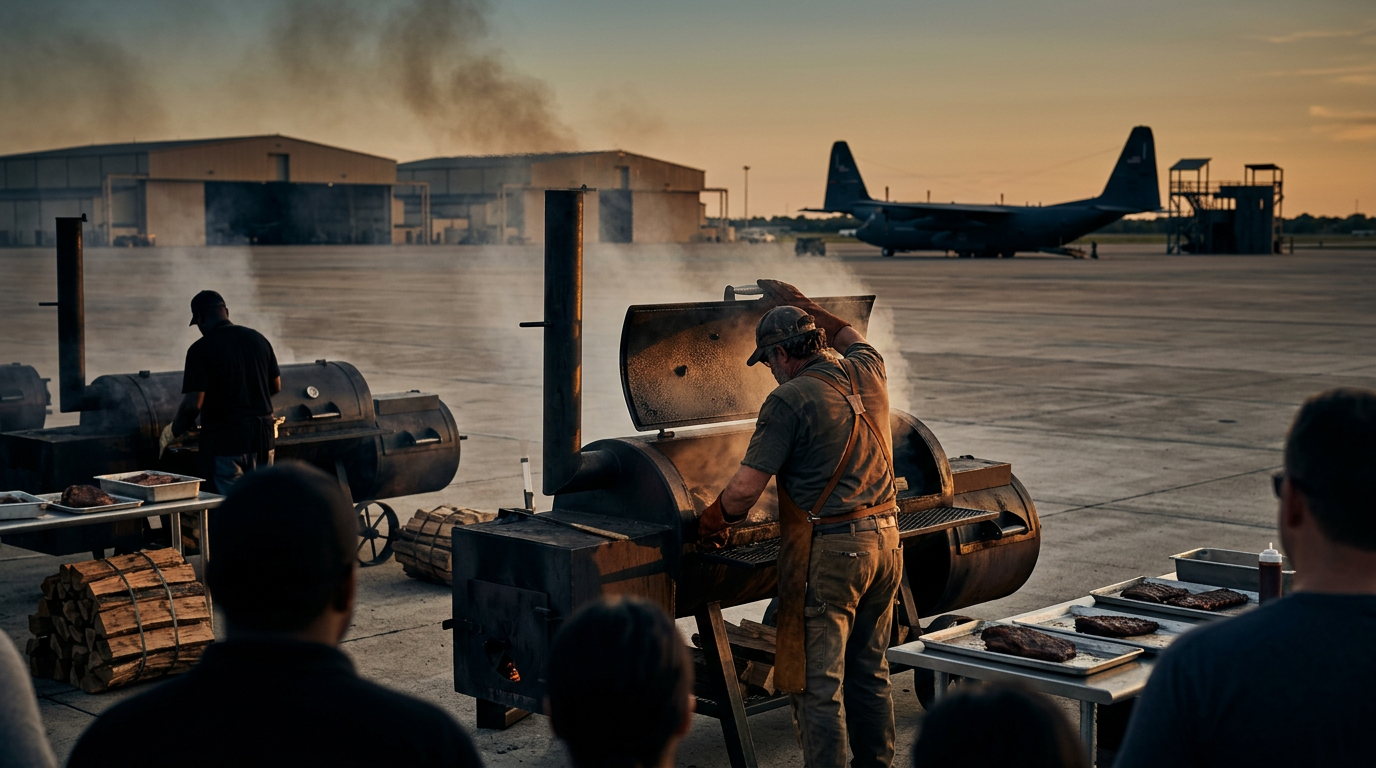
The national spotlight is shifting once again toward the smoky pits of the Lone Star State as a new television production prepares to debut. Scheduled for its first broadcast on July 13, the Food Network’s latest venture, titled 'Pitmasters,' seeks to elevate the traditional barbecue competition format. Unlike previous iterations of culinary showdowns that often prioritize kitchen acrobatics, this production focuses on the raw, traditional elements of wood-fired cooking. This shift in programming strategy aligns with a growing national obsession with regional food techniques that have been perfected over generations in the American South and Southwest. For decades, Texas has served as the unofficial headquarters of the global barbecue community, providing the blueprint for brisket preparation and post-oak smoking. This upcoming series represents a significant moment in the commercialization of Texas food culture, moving beyond simple travelogues into a structured competitive environment. The show aims to differentiate itself by highlighting the grueling physical labor and technical precision required to maintain consistent temperatures over long periods. By featuring established figures from the Texas circuit, the network is tapping into a loyal audience base that views barbecue not just as a meal, but as a cultural pillar. The production arrived at a time when 'barbecue tourism' is at an all-time high in the state. Historically, Texas barbecue was a local affair, rooted in the meat markets of the late 19th century where German and Czech immigrants utilized smoking techniques to preserve unsold cuts of beef. Today, that heritage has transformed into a multi-million-dollar industry that drives traffic to small towns like Lockhart, Luling, and Taylor. By bringing these local legends into a nationally televised arena, the series validates the elevated status of the pitmaster as a specialized artisan, comparable to executive chefs in upscale urban dining sectors.
Texas relevance
This development is deeply significant for the Texas economy and its cultural exports. As regional brands gain national visibility, the demand for Texas-sourced beef and specific smoking woods like post oak and mesquite often sees a corresponding spike. Furthermore, the inclusion of Texas-based talent reinforces the state's dominance in the culinary world, ensuring that 'Texas-style' remains the gold standard in competitive circles. The success of such shows has historically led to increased foot traffic for the featured participants' brick-and-mortar restaurants in cities like Austin, Houston, and Dallas-Fort Worth, providing a tangible boost to local hospitality sectors.
A Departure from Standard Cooking Shows
The new series aims to break the mold of the typical 'fast-paced' cooking competition. In many culinary programs, contestants are forced to create dishes in thirty minutes or an hour, which is antithetical to the slow-and-low philosophy of proper smoking. This show acknowledges that true barbecue takes time, often requiring twelve to sixteen hours of constant monitoring just to finish a single brisket. By adjusting the pacing of the competition to match the reality of the pit, the producers are offering a more authentic look at the craft.
This authenticity is part of a broader trend where viewers are demanding more transparency in food media. Rather than focusing on secret ingredients or gimmick-filled mystery baskets, the program emphasizes the management of fire and airflow. For the Texas contestants involved, this is a chance to prove that their success isn't just about the rub or the sauce, but about an intimate understanding of thermodynamics and wood combustion. This educational component is expected to resonate with the growing community of backyard enthusiasts across the state.
Profiles in Smoke: The Texas Contestants
The cast includes several names that will be instantly recognizable to anyone who has spent time in a Texas barbecue line. These individuals were selected not just for their ability to cook, but for their status as leaders within the Texas culinary community. Many of them have spent years honing their skills at prestigious smokehouses that frequently appear on 'top' lists published by regional magazines. Their presence on the show brings an immediate level of credibility that younger, less experienced competitions often lack.
By focusing on these specific personalities, the show highlights the diversity of the Texas barbecue scene. While brisket is the undisputed king, the contestants bring expertise in various sub-styles, from the pepper-heavy traditions of Central Texas to the molasses-tinged varieties found in other regions. This internal diversity within the Texas team demonstrates to viewers that the state’s food culture is not a monolith, but a complex tapestry of family recipes and regional preferences that have been passed down through the ages.
Technical Challenges on the National Stage
Participants in the series face unique environmental hurdles that differ from their home turf. In Texas, pitmasters are accustomed to the specific humidity and altitude of the South, factors that significantly affect how wood burns and how meat absorbs smoke. Moving the competition to various filming locations forces these experts to recalibrate their methods on the fly. This provides a compelling narrative arc as viewers watch some of the world's best cooks struggle with unfamiliar equipment and atmospheric conditions.
The show also places a heavy emphasis on the 'trinity' of Texas barbecue: brisket, pork ribs, and sausage. Each of these requires a different approach to heat management. For example, the fat rendering process in a brisket is entirely different from the glaze crystallization on a rack of ribs. The Texas contingent must demonstrate a mastery of all these disciplines under the watchful eyes of judges who are themselves legends in the barbecue world. This rigorous testing ensures that the eventual winner can truly claim the title of a master of the flame.
Economic Impact on Local Texas Businesses
When a local pitmaster gains national exposure, the 'Food Network Effect' typically follows. In the weeks and months following a premiere, the featured restaurants often see a massive influx of tourists and foodies eager to try the dishes they saw on screen. This can be a double-edged sword for small, family-run establishments that may not have the infrastructure to suddenly double their production. However, for the Texas economy, this represent a significant inflow of out-of-state capital as visitors book hotels and travel to these culinary destinations.
Beyond the immediate boost to individual restaurants, the show serves as a high-production advertisement for the Texas agricultural industry. The focus on high-quality beef cuts highlights the work of Texas cattle ranchers, potentially driving up the value of premium briskets and ribs. As the show airs, it creates a ripple effect throughout the supply chain, benefiting everyone from the wood harvesters to the manufacturers of the custom steel pits used in the competition. This commercial synergy is a testament to the power of food as an economic driver.
The Evolution of Barbecue as a Sport
In recent years, the culture surrounding barbecue has shifted from casual backyard gatherings to a legitimate spectator sport. This new series is the latest evolution in that trend, treating the pitmasters more like athletes than traditional cooks. The physical demands of the show—hauling heavy logs, standing over intense heat for hours, and the mental fatigue of overnight cooks—are presented with a level of intensity usually reserved for athletic competitions. This framing helps modern audiences appreciate the grit required to maintain the Texas tradition.
Furthermore, the competitive structure introduces strategic elements that are rarely seen in home cooking. Contestants must decide which pieces of meat to trim, how to budget their time for resting the meat, and when to apply the 'Texas Crutch' (wrapping the meat in foil or butcher paper). These tactical decisions create a layer of suspense that keeps viewers engaged. By elevating the stakes, the Food Network is helping to cement barbecue's place as a premier category of American competitive performance, with Texas firmly at the center of the arena.
Preserving the Heritage of the Pit
Despite the glitz and glamour of television cameras, the core of the show remains rooted in historical preservation. Many of the Texas contestants have deep ties to the history of their respective regions, often using pits that have been in their families for decades. By sharing these stories on a national platform, the series helps to document a way of life that is increasingly threatened by modern industrial cooking methods. The show serves as a digital archive of techniques that might otherwise be lost to time.
The educational aspect of the show extends to the viewers at home, who are increasingly interested in replicating these results in their own backyards. As the Texas pitmasters share tips on fire management and wood selection, they are essentially mentoring a new generation of hobbyists. This ensures that the culture of Texas barbecue remains vibrant and evolving, as enthusiasts across the country attempt to bring a piece of the Lone Star State to their own communities. The show thus acts as a bridge between the professional world of world-class barbecue and the everyday consumer.
Analysis
Opinion: While some purists argue that the commercialization of smokehouse traditions via reality television risks diluting the craft, this new series likely serves as a vital marketing engine for the Texas brand. By showcasing the technical difficulty and the deep-seated heritage of the craft, the show does more than entertain; it educates a national audience on why Texas barbecue demands respect. It is a strategic move for the Lone Star State's culinary ambassadors to occupy this space, ensuring that the narrative of ‘true’ barbecue remains firmly anchored in Texas soil rather than being redefined by coastal mimics.
Source attribution
This story was reported using a public release from the Texas Monthly. Keep TX Red rewrote the coverage independently and links to the official statement for verification.
Frequently Asked Questions
- When does the new barbecue show 'Pitmasters' begin airing?
- The series is scheduled to debut on the Food Network on July 13. Check local listings for exact times and streaming availability on connected platforms.
- Why is this show different from other cooking competitions?
- Unlike most shows that emphasize speed, this series focuses on the long-term process of smoking meat, which often takes many hours. It prioritizes the traditional skills of wood-fire management over modern kitchen gadgets.
- How many Texas pitmasters are participating in the show?
- The production features several recognizable faces from the Texas barbecue scene, representing some of the most famous and highly-rated smokehouses in the state.
- Does this show focus only on Texas-style barbecue?
- While Texas pitmasters are prominent, the show typically explores various regional styles. However, the influence of Texas techniques is a major theme throughout the competition due to the state's status in the industry.
Official Sources
Take the next step
Browse the Newsroom →Read more about Keep Texas Red → Our full guide to what Keep Texas Red means and why Texans support it.
Related Articles
Get Texas updates delivered weekly.
Independent Texas reporting on politics, policy, and daily life. One email a week. Unsubscribe anytime.
Keep TX Red Newsroom
The Keep Texas Red Editorial Staff produces nonpartisan explainers, policy breakdowns, and educational resources to help Texans understand how their government works. All content is reviewed for accuracy and updated regularly.
About Keep TX Red →