Vogue Perspective Highlights Authentic Texas Cultural Identity and Rural Traditions
A new feature in Vogue Magazine celebrates the diverse faces of Texas, from ranching icons to modern rodeo stars, capturing the spirit of the Lone Star Sta
Editorial disclaimer: Opinions and analysis on Keep TX Red are editorial content — not statements of fact. See our editorial standards.
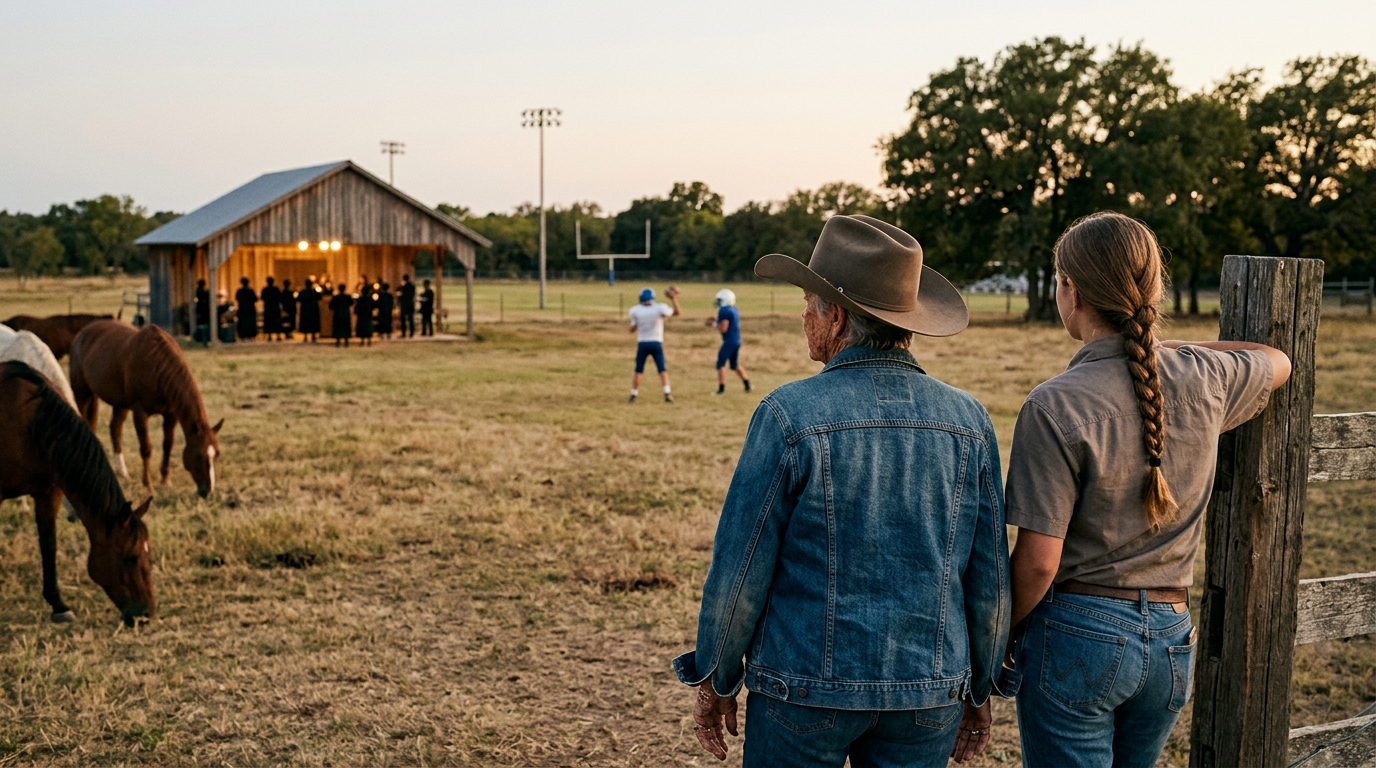
In a departure from typical high-fashion editorial cycles, Vogue’s mid-2026 summer issue has dedicated a substantial feature to the people and landscapes of Texas. This visual project aims to move beyond surface-level stereotypes by capturing the nuanced reality of those who live and work within the state's borders. By focusing on ranchers, gospel choirs, and rodeo participants, the magazine attempts to document the generational continuity and modern evolution of the Texas spirit. This effort mirrors a growing national fascination with Southern and Western aesthetics, yet focuses specifically on the human element that makes the Lone Star State a unique cultural force in the United States. Historically, Texas has often been portrayed through a Hollywood-centric lens that leans heavily on caricature. This latest media effort attempts a more grounded approach, utilizing high-art photography to elevate the everyday lives of Texans whose contributions to music, agriculture, and community often go unrecognized by coastal media hubs. The inclusion of diverse groups signifies an understanding that the state’s identity is not a monolith but a complex tapestry of varying traditions and modern realities.
Texas relevance
Texas serves as the primary subject of this national cultural spotlight, emphasizing its role as a trendsetter in American lifestyle and heritage. For decades, Texas has influenced global trends in music, fashion, and food, and this new feature reinforces the state's standing as a distinct cultural entity independent of the national norm. In cities like Fort Worth and San Antonio, where traditional industries like ranching and rodeo are deeply intertwined with the local economy and social fabric, this recognition validates the preservation of historical practices. Furthermore, the focus on various Texas regions highlights the geographic diversity of the state, showcasing how different environmental factors shape the daily lives of residents from the High Plains to the Gulf Coast.
The Evolution of Lone Star Imagery
The imagery associated with Texas has undergone a significant transformation over the last century. Early depictions often focused solely on the rugged individualism of the frontier, a theme that dominated Western cinema and literature. However, the modern resurgence of interest in Texas by major publications like Vogue suggests a shift toward a more holistic view of the state. This new perspective acknowledges the intersection of heritage and the present day, where a fourth-generation rancher might use modern satellite technology to manage cattle across thousands of acres.
This shift is also reflected in how the arts and fashion industries perceive Texas. No longer just a source of raw materials or a backdrop for cowboy movies, the state is now recognized as a creative engine. The portraits in this feature highlight individuals who are both keepers of tradition and innovators in their respective fields. By focusing on the authentic faces of Texas, the publication avoids the 'costume' feel that often plagues outsiders' attempts to capture the essence of the Southwest.
Agricultural Heritage and Rural Resilience
At the heart of the Texas identity lies its agricultural roots, a sector that continues to be a cornerstone of the state's economy and social structure. The feature highlights the lives of ranchers who maintain a connection to the land that dates back over a century. These individuals face unique challenges, from unpredictable weather patterns to the complexities of modern land management, yet their commitment to the lifestyle remains unwavering. Their inclusion in a major cultural publication underscores the dignity and importance of the labor that sustains the state.
Moreover, the portrayal of the ranching lifestyle serves as a bridge for urban audiences to understand the rural realities of Texas. As the state’s major metropolitan areas continue to expand, the distance between city dwellers and the sources of their food and fiber can grow. Features like these help humanize the workforce behind the agriculture industry, showcasing the dedication required to maintain large-scale operations in an increasingly modernized world.
The Cultural Significance of the Rodeo
Rodeo is more than just a sport in Texas; it is a living history that connects the state’s ranching past with contemporary competition. By featuring rodeo riders, the magazine captures the intensity and skill required for these events, which serve as community gathering points across the state. From small-town Saturday night events to the massive spectacles in Houston and Fort Worth, rodeo remains a unifying force that celebrates physical prowess and a shared heritage.
The inclusion of young riders in the feature points to the longevity of the tradition. It demonstrates that the next generation of Texans is eager to carry on these practices, ensuring that the legacy of the vaquero and the cowboy remains a central part of the cultural landscape. Highlighting these athletes provides a platform for a subculture that is often overlooked by mainstream sporting journals but retains a massive and dedicated following within the state.
Music and Faith as Communal Pillars
No exploration of Texas would be complete without an acknowledgment of its musical and spiritual landscapes. The feature captures the vibrancy of church choirs and local musicians, reflecting the deep-seated influence of faith and rhythm on the Texas soul. Music in Texas is a diverse field, ranging from the soulful sounds of East Texas gospel to the distinct twang of traditional country and the modern innovation of urban artists.
Faith-based organizations and musical groups often serve as the social glue for many Texas communities. These institutions provide more than just moral guidance or entertainment; they offer a sense of belonging and a collective identity that persists through changing times. By documenting these groups, the publication highlights the communal resilience that characterizes life in both small towns and large cities across the state.
Challenging National Stereotypes
For many years, national media outlets have struggled to present Texas in a way that resonates with those who actually live there. Often, the state is used as a political or cultural foil in a larger national narrative. This recent artistic focus, however, prioritizes the personal stories of Texans, allowing their faces and experiences to speak for themselves. This approach helps to dismantle the polarized caricature of the state that often dominates the news cycle.
By showcasing the diversity of professions and backgrounds found within Texas, the feature highlights a state that is both traditional and forward-thinking. It presents a Texas that is comfortable with its past while actively shaping its own future. This nuanced storytelling is essential for fostering a better understanding of the state's unique position within the American Union, showing that Texas is a place of deep complexity and profound character.
The Intersection of Art and Everyday Life
The decision to use high-fashion photography to document everyday Texans creates a compelling contrast that celebrates the extraordinary nature of ordinary lives. This artistic choice suggests that there is inherent value and beauty in the work of a rodeo rider or the singing of a choir member. By elevating these subjects, the feature argues that fashion and art are not just the domain of big-city elites but are found in the grit and determination of people across the country.
This project serves as a reminder that Texas has always been a place of visual grandeur. From the vast horizons of the Panhandle to the lush piney woods of the East, the natural beauty of the state provides a perfect backdrop for the rugged personalities of its inhabitants. The photography captures not just the individuals but also the profound relationship they have with the Texas landscape, a bond that remains one of the most defining characteristics of the state’s people.
Analysis
While some might view a fashion magazine's interest in Texas as purely aesthetic, the move represents a broader recognition of the state’s burgeoning influence on the national conversation. By highlighting rural icons like ranchers alongside urban artists, the publication acknowledges that the 'Texas Brand' is one of the most powerful and resilient identities in the world. This serves as a reminder that despite the pressures of rapid urbanization and an influx of out-of-state residents, the foundational elements of Texas—faith, hard work, and deep-seated community ties—remain the driving forces of its public image. It is an affirmation that the traditional Texas lifestyle is not a relic of the past but a vibrant, evolving part of the American future.
Source attribution
This story was reported using a public release from the Texas Standard. Keep TX Red rewrote the coverage independently and links to the official statement for verification.
Frequently Asked Questions
- What is the primary focus of the new Vogue feature on Texas?
- The feature focuses on the authentic people who define modern Texas identity. Instead of high-fashion models, the magazine photographed real Texans including ranch hands, musicians, rodeo performers, and church members to capture the genuine spirit of the state.
- Why is this media coverage significant for the state of Texas?
- It represents a shift in how national media perceives the state, moving away from stereotypes and toward a more respectful and artistic documentation of Texas heritage and current culture. It validates the importance of Texas traditions on a global stage.
- Which regions of Texas are highlighted in the project?
- The project covers a wide geographical range, focusing on areas that represent the state's ranching heritage, musical history, and religious traditions, ensuring that both rural and urban elements of Texas are represented.
Official Sources
Take the next step
Browse the Newsroom →Read more about Keep Texas Red → Our full guide to what Keep Texas Red means and why Texans support it.
Related Articles
Get Texas updates delivered weekly.
Independent Texas reporting on politics, policy, and daily life. One email a week. Unsubscribe anytime.
Keep TX Red Newsroom
The Keep Texas Red Editorial Staff produces nonpartisan explainers, policy breakdowns, and educational resources to help Texans understand how their government works. All content is reviewed for accuracy and updated regularly.
About Keep TX Red →