Cyclosporiasis Alert: Texas Health Officials Monitor Rising Parasite Infections Linked to Produce
Texas health officials report a spike in Cyclospora infections. Learn how to identify symptoms and protect your family from this foodborne parasite.
Editorial disclaimer: Opinions and analysis on Keep TX Red are editorial content — not statements of fact. See our editorial standards.
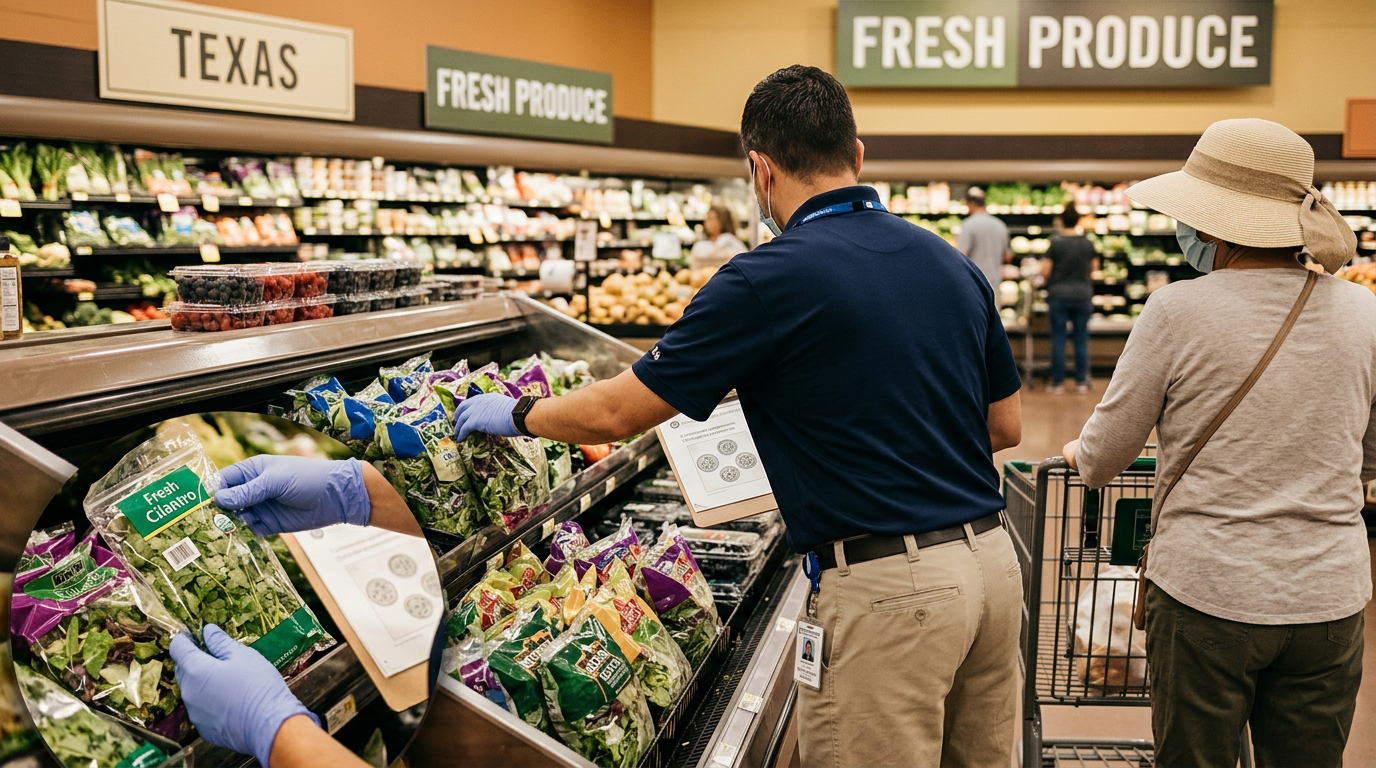
Health agencies across the Lone Star State are currently on high alert following a documented increase in cyclosporiasis cases, a specific type of gastrointestinal illness triggered by the Cyclospora cayetanensis parasite. This microscopic organism is typically introduced into the human body through the consumption of contaminated fresh produce, including various fruits, vegetables, and herbs that have not been properly cleaned or cooked. Historically, Texas has experienced seasonal surges of this parasite during the late spring and summer months, often correlated with the import cycles of specific agricultural products. Unlike many common bacterial infections that resolve within a few days, cyclosporiasis is known for its persistence and cyclical nature, often requiring specific medical intervention to fully eradicate the parasite from the digestive system. State epidemiological teams are working to trace the origins of the current uptick, focusing on supply chains that provide fresh leafy greens and berries to Texas grocery stores and restaurants. While the parasite is not usually life-threatening for healthy adults, it can lead to severe dehydration and long-term fatigue if left untreated. This year's monitoring efforts follow a historical pattern where Texas often ranks among the states with the highest reported numbers of these infections, partly due to the state's robust surveillance system and high volume of fresh food transit. Public health officials emphasize that while many foodborne illnesses are associated with meat or dairy, this specific threat remains firmly rooted in the produce section of the market.
Texas relevance
Texas serves as a major hub for international produce trade, making the state uniquely susceptible to foodborne parasites like Cyclospora. Major metropolitan areas including Houston, Dallas, and Austin have historically seen the highest concentration of these cases due to the density of dining establishments and large-scale distribution centers. The Texas Department of State Health Services (DSHS) maintains a rigorous tracking system because the state's climate and geographical position often place it on the front lines of agricultural health monitoring. Residents in the Rio Grande Valley and Central Texas are being specifically reminded to verify the source of their fresh herbs and berries, as these regions see significant turnover in fresh food inventory. Protecting the Texas food supply isn't just a matter of public health but also a vital component of the state's massive agricultural economy.
Understanding the Cyclospora Parasite
Cyclospora cayetanensis is a one-celled parasite that is far too small to be seen without the aid of a microscope. It causes an intestinal infection that is distinct from more common viruses or bacteria like E. coli. The parasite is typically spread through fecal-oral transmission, which usually occurs when water or soil contaminated with human waste comes into contact with food products. Because the parasite needs time after being passed in a bowel movement to become infectious, direct person-to-person transmission is extremely rare, making the food supply the primary vector for outbreaks.
In the Texas environment, the heat and humidity of the summer months provide an environment where many pathogens thrive, though Cyclospora itself is often resilient to various weather conditions once it has contaminated a crop. Once ingested, the parasite settles into the small intestine, where it begins to multiply. This incubation period can vary significantly, lasting anywhere from a few days to over two weeks, which often leads to confusion for patients trying to identify which specific meal caused their illness.
Recognizing Symptoms and the Diagnostic Process
The primary symptom of cyclosporiasis is watery diarrhea, which can become frequent and explosive. Unlike typical 'stomach flu' symptoms, this condition is often accompanied by a significant loss of appetite, unintended weight loss, stomach cramps, and extreme bloating. Many patients in Texas also report experiencing low-grade fevers, nausea, and a sense of profound fatigue that can linger for weeks. If the infection is not treated with the correct antibiotic regimen, the symptoms may appear to go away only to return in a cyclic fashion.
Diagnosis of this specific parasite requires a specialized stool test that is not always included in a standard gastrointestinal panel. Texas physicians are being advised to specifically order tests for 'Ova and Parasites' with a request for Cyclospora if a patient presents with prolonged diarrhea. Because many people attempt to wait out the illness, health officials believe the actual number of cases in the state may be significantly higher than the official tally of reported laboratory-confirmed infections.
High-Risk Foods and Safe Handling Practices
Past outbreaks in the southern United States have been linked to a variety of fresh products, including raspberries, blackberries, basil, cilantro, and various types of lettuce. Pre-packaged salad mixes have also been identified as common culprits in previous years. Because the parasite is often sticky and resistant to simple water rinsing, it can be incredibly difficult to remove entirely from the crevices of leafy greens or the textured surfaces of berries. This makes the parasite a particularly stubborn foe for both home cooks and professional chefs.
To mitigate the risk, the Texas DSHS recommends washing all produce under cold running water, but they also acknowledge that washing may not eliminate all risk. Cooking produce to an internal temperature of 160 degrees Fahrenheit is the only surefire way to kill the parasite. For items typically eaten raw, such as cilantro or fruit, consumers are encouraged to keep these items refrigerated and to cross-reference any active recall notices issued by the FDA or the state health department.
The Economic Impact on Texas Agriculture
When an outbreak occurs, the economic ripples are felt across the Texas retail and hospitality sectors. Restaurants may see a dip in sales of specific dishes, and local grocery chains often have to discard massive amounts of inventory to comply with safety protocols. The cost of these outbreaks is not just measured in healthcare expenses but also in the logistical burden placed on Texas businesses that must pivot their sourcing strategies at a moment's notice to maintain consumer trust.
Furthermore, Texas farmers who adhere to strict safety standards can sometimes be unfairly impacted by the general fear surrounding a specific crop. By improving the traceability of produce, Texas can help protect its local growers from the fallout of contamination that occurs outside of state lines. Robust infrastructure for food safety ensures that the Texas 'Open for Business' mentality includes a commitment to the highest possible standards of consumer protection and product integrity.
State Response and Public Health Surveillance
The Texas Department of State Health Services works in tandem with local health authorities across all 254 counties to monitor for clusters of illness. This surveillance involves collecting data from laboratories and interviewing patients about their recent food history. When a cluster is identified, Texas epidemiologists conduct 'traceback' investigations to determine if a specific brand or distributor is the common denominator. This complex process is vital for stopping an outbreak in its tracks and preventing further consumers from being exposed.
In addition to reactive measures, the state engages in proactive education for healthcare providers. Ensuring that doctors in rural and urban areas alike know when to test for Cyclospora is a key part of the state's strategy. As the population of Texas continues to grow, the strain on the public health infrastructure increases, making these coordinated efforts more important than ever for maintaining the health of the workforce and the general public.
Historical Precedence of Parasitic Outbreaks
Texas is no stranger to these types of health challenges. Over the last decade, the state has dealt with several high-profile incidents involving contaminated produce. Each incident has served as a learning opportunity, leading to better communication channels between state agencies and the public. Lessons learned from past outbreaks have influenced how grocery stores handle produce and how the state issues public health advisories, moving toward more localized and specific warnings.
Comparison with previous years shows that while the technology for detecting the parasite has improved, the globalized nature of the food supply continues to introduce new risks. By looking at the history of these infections, it becomes clear that vigilant consumer habits and government oversight must work together. The current situation serves as a reminder that even as Texas leads in many industries, the basic necessity of food safety requires constant attention and modern solutions to keep the public safe.
Analysis
From a policy and public safety perspective, the recurring nature of these outbreaks suggests a need for stricter oversight of imported produce and enhanced transparency in the food supply chain. While Texas has some of the most advanced laboratory facilities in the country for detecting such pathogens, the lag time between consumption and the onset of symptoms makes it difficult for authorities to issue timely recalls. Critics of current federal food safety standards argue that more localized testing at the point of entry into Texas would reduce the spread of such parasites. For the average Texan, this situation highlights the importance of individual food preparation habits and the necessity of advocating for higher standards in commercial food handling to ensure that 'Texas Tough' also applies to the state's health resilience.
Source attribution
This story was reported using a public release from the Texas Standard. Keep TX Red rewrote the coverage independently and links to the official statement for verification.
Frequently Asked Questions
- How do I know if I have a Cyclospora infection instead of a normal stomach bug?
- While symptoms like diarrhea and stomach cramps are common to many illnesses, a Cyclospora infection is notable for its longevity. If symptoms last for more than a few days, or if they seem to go away and then return with the same intensity, it is a strong indicator of a parasitic infection. Only a specific lab test can confirm the presence of the parasite.
- Can I catch this parasite from another person?
- It is highly unlikely. The parasite needs time to mature and become infectious after it leaves the body through a bowel movement. Therefore, it is almost exclusively spread through contaminated food or water rather than through direct contact with an infected individual.
- What should I do if I think I ate contaminated food?
- Monitor your health closely for the next two weeks. If you begin to develop watery diarrhea, fatigue, or significant bloating, contact your healthcare provider. Be sure to mention that you are concerned about Cyclospora so they can order the appropriate specialized testing.
- Are there specific brands currently being recalled in Texas?
- Recalls change frequently as investigations progress. Texans should check the Texas Department of State Health Services website or the FDA's recall database for the most up-to-date information on specific products and lot numbers.
Official Sources
Take the next step
Browse the Newsroom →Read more about Keep Texas Red → Our full guide to what Keep Texas Red means and why Texans support it.
Related Articles



Get Texas updates delivered weekly.
Independent Texas reporting on politics, policy, and daily life. One email a week. Unsubscribe anytime.
Keep TX Red Newsroom
The Keep Texas Red Editorial Staff produces nonpartisan explainers, policy breakdowns, and educational resources to help Texans understand how their government works. All content is reviewed for accuracy and updated regularly.
About Keep TX Red →