Tradition Continues in Bell County as Belton Hosts Annual 4th of July Parade
The City of Belton celebrated Independence Day with its historic parade, drawing crowds to the heart of Central Texas for the 2026 festivities.
Editorial disclaimer: Opinions and analysis on Keep TX Red are editorial content — not statements of fact. See our editorial standards.
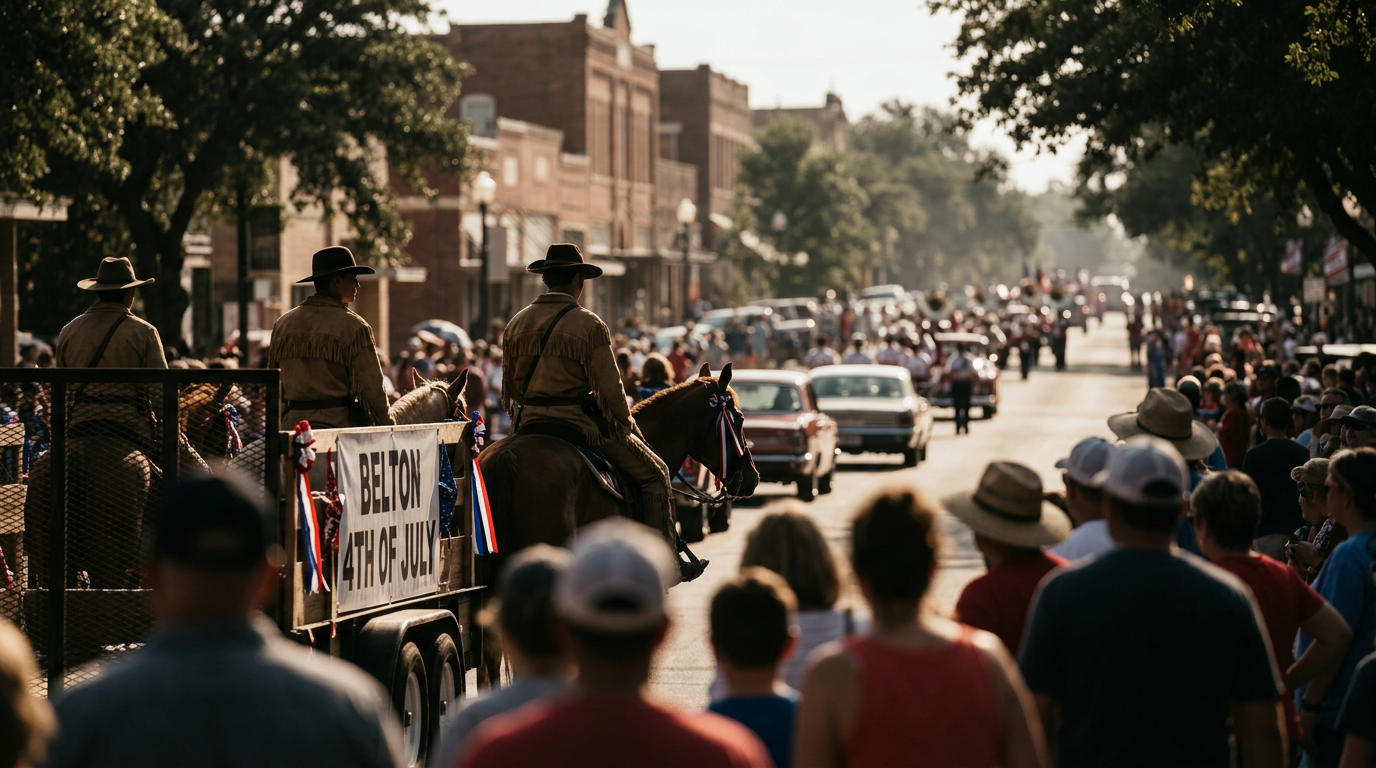
On July 4, 2026, the City of Belton proceeded with its signature Independence Day parade, a cornerstone event for Central Texas residents. This year’s celebration maintained the city’s long-standing reputation for hosting one of the most significant July 4th gatherings in the region. The event, captured and shared by local media outlet KWTX, saw the streets of downtown Belton filled with participants and spectators honoring the national holiday. Historically, Belton’s festivities signify more than just a patriotic display; they represent a deep-rooted cultural heritage that has survived for over 150 years. As one of the oldest celebrations in the state of Texas, the parade acts as an anchor for domestic tourism in Bell County. Each year, the city coordinates a massive logistical effort to transform its downtown thoroughfares into a stage for civic pride. The 2026 iteration continued the legacy of high-energy participation, featuring everything from military color guards to elaborately designed floats created by local families and businesses.
Texas relevance
Belton, Texas, serves as a focal point for Independence Day celebrations in the Central Texas corridor. For Bell County residents, this parade is more than just an event; it is an economic and social pillar that reinforces the local identity. The logistics and success of the Belton parade often serve as a blueprint for other mid-sized Texas cities planning large-scale public gatherings and heritage festivals. The event brings together stakeholders from Salado, Temple, and Killeen, making it a regional powerhouse for community bonding.
Historical Context of the Belton Celebration
The City of Belton has hosted an Independence Day celebration since the mid-19th century, making it one of the oldest continuous traditions of its kind in the state of Texas. The parade is the centerpiece of a multi-day festival that often includes a carnival, rodeo, and various community performances. Its longevity is a testament to the community's commitment to preserving historical customs that predate the modern industrial era.
In the context of Texas history, Belton has always used the 4th of July as a way to unite the rural and urban populations of Bell County. While many modern cities have transitioned to fireworks-only events, Belton has prioritized the traditional street parade, which emphasizes local schools, veterans' organizations, and small businesses. This focus on local faces has helped the event survive through various eras of cultural change and economic shifts.
The survival of this parade through conflict, economic downturns, and rapid regional growth highlights its status as a permanent fixture of Central Texas life. The 2026 event was no exception, maintaining the specific aesthetic of a community-focused march that celebrates both the United States and the specific pioneer spirit of the Lone Star State.
Logistics and Path of the 2026 Parade
The 2026 parade followed its traditional route through the heart of the city, passing historic landmarks and government buildings such as the Bell County Courthouse. Early morning preparations involved city crews and local law enforcement ensuring that the traffic flow remained manageable for the influx of visitors. The city typically coordinates with regional transportation authorities to handle the thousands of vehicles that descend on the area every July.
Safety and organization were key themes for the 2026 event. Municipal departments worked in tandem to provide cooling stations and water for spectators, given the typical July heat in Central Texas. This level of planning is a requirement for Belton, as the parade regularly attracts crowds that vastly exceed the city’s permanent population, necessitating a high-energy response from local public works and emergency medical services.
The route itself is designed to maximize visibility for the thousands of attendees who often arrive hours in advance to secure a vantage point. The coordination between the Belton Police Department and volunteer coordinators ensured that the transition from a quiet morning to a massive public gathering was seamless, allowing the focus to remain on the celebration rather than the logistical complexities of the day.
The Role of Local Media Coverage
Media outlet KWTX provided visual documentation and updates on the 4th of July festivities. This coverage acts as a bridge for residents who are unable to attend in person, allowing the spirit of the event to reach a broader audience across the Brazos Valley and beyond. The broadcast highlights the most significant floats, musical acts, and military tributes present in the procession.
Local television coverage also plays a role in the economic health of the event. By showcasing the scale and enthusiasm of the Belton parade, media partners help ensure that the tradition remains a top-of-mind destination for travelers and tourists. This visibility is essential for the local businesses that rely on the holiday's foot traffic for a significant portion of their summer revenue.
The digital footprints left by media coverage also serve as a historical record for the city. By documenting the specific participants and themes of the 2026 parade, journalists provide future generations with a snapshot of what mattered to the community during this specific period in Texas history. This archive reinforces the parade's status as a living, breathing monument to local culture.
Community Impact and Local Participation
Participation in the Belton parade is often seen as a mark of prestige for local organizations. From high school marching bands from across the district to antique tractor clubs, the variety of the entries reflects the diverse interests and heritage of Bell County. The 2026 parade featured a wide array of these groups, each contributing to the tapestry of the celebration through custom displays and performances.
The impact on the local economy is measurable through the filled storefronts and restaurants along the parade path. For many Belton business owners, the 4th of July represents the peak of the summer season, often rivaled only by year-end holiday shopping. The city’s ability to draw such a large crowd year after year provides a reliable stimulus that supports the downtown revitalization efforts that have been ongoing for years.
Beyond the financial metrics, the parade fosters a sense of 'social capital.' It is one of the few days a year where nearly every demographic in the county converges in a single location for a shared purpose. This promotes a level of community cohesion that is increasingly rare in larger, more fragmented metropolitan areas of the state.
A Legacy of Civic Engagement
Beyond the entertainment value, the parade serves as an annual exercise in civic engagement. It provides a platform for local leaders and service organizations to connect directly with the public in a non-partisan, celebratory environment. This strengthens the social fabric of the city and ensures that new residents are integrated into the community's collective history and shared values.
As Texas continues to experience rapid growth, events like the Belton 4th of July Parade are vital for maintaining a sense of place. The 2026 event proves that even as the state modernizes and expands, the demand for traditional, family-oriented celebrations remains high. The City of Belton continues to demonstrate how a municipality can honor the past while effectively managing the needs of a growing population.
Looking forward, the success of the 2026 celebration sets the stage for future expansions. As more people move to the Bell County area, the challenge will be to maintain the intimate community feeling of the parade while accommodating even larger crowds. However, given the track record of the city's event planners, the parade remains the premier example of Texas' ability to celebrate its national identity with local fervor.
Economic Drivers and Small Business Support
The influx of thousands of visitors provides a critical injection of revenue for Belton's retail and hospitality sectors. Hotels in the Bell County area often see full occupancy during the holiday weekend, and local eateries report some of their highest sales volumes of the year. This economic surge allows local businesses to sustain operations through the slower months of the Texas summer.
Furthermore, the parade serves as a 'live advertisement' for the city's downtown district. Many visitors who come for the 4th of July festivities return later in the year to visit the shops and museums they discovered while waiting for the parade to start. This secondary economic impact is a key part of Belton’s long-term strategy for sustainable urban growth and historical preservation.
Small businesses also participate directly by entering floats, which serves as a unique form of community branding. In the 2026 parade, numerous local startups and multi-generational family businesses used the platform to show their support for the community, further cementing the bond between the local economy and the patriotic tradition.
Analysis
OPINION: The continued success of the Belton 4th of July celebration serves as a powerful reminder that traditional American values and community-centric events remain the bedrock of Texas culture. In an era where large metropolitan areas often prioritize modernized, commercialized entertainment, Belton has successfully preserved the 'small-town' feel that attracts thousands of visitors. The sheer scale of the 2026 parade suggests that despite rapid urban development in the I-35 corridor, there is a profound and growing desire among Texans to reconnect with local history and non-commercialized patriotism. This event remains a gold standard for how municipal leaders can leverage tradition to bolster both local morale and the regional economy.
Source attribution
This story was reported using a public release from the Texas Local Event Video (Google News). Keep TX Red rewrote the coverage independently and links to the official statement for verification.
Frequently Asked Questions
- Where does the Belton 4th of July Parade usually take place?
- The parade typically travels through the historic downtown area of Belton, Texas, passing the Bell County Courthouse and other local landmarks along Main Street.
- How long has Belton been hosting these celebrations?
- Belton's 4th of July traditions are among the oldest in Texas, with festivities dating back to the mid-1800s, barely a decade after Texas joined the Union.
- What kind of organizations participate in the parade?
- The parade features a mix of high school bands, veterans groups, local businesses, equestrian teams, and civic leaders from throughout Central Texas, representing a broad cross-section of the community.
- Is the Belton parade open to outsiders or just residents?
- The parade is a major regional event that attracts visitors from all over the state of Texas and beyond, fostering a welcoming environment for tourists and local residents alike.
Official Sources
Take the next step
Browse the Newsroom →Read more about Keep Texas Red → Our full guide to what Keep Texas Red means and why Texans support it.
Related Articles

Get Texas updates delivered weekly.
Independent Texas reporting on politics, policy, and daily life. One email a week. Unsubscribe anytime.
Keep TX Red Newsroom
The Keep Texas Red Editorial Staff produces nonpartisan explainers, policy breakdowns, and educational resources to help Texans understand how their government works. All content is reviewed for accuracy and updated regularly.
About Keep TX Red →